
Watanabe places Tokyo’s Japanese cuisine counter culture in Shirokane Takanawa rather than Ginza or Akasaka, which changes the rhythm before dinner begins. The room is counter-only, the cooking sits in the high-price Japanese category, and Tabelog selected it for Japanese cuisine TOKYO “Tabelog 100” in 2023 and 2025.
Pearl is the En Primeur Club membership app — saves, bookings, and concierge access live there. Same editors, same standards.
- Address
- 東京都港区白金1-29-9 ライオンズマンション白金東 102
- Phone
- +81362771733
- Website
- tabelog.com
 Saves & bookings on Pearl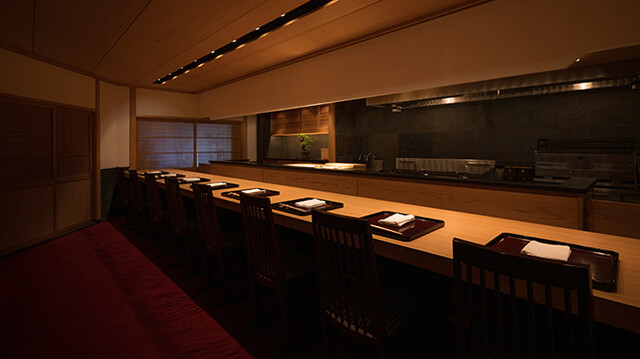
Shirokane Takanawa changes a Tokyo dinner’s temperature before the first course: less theatre than Ginza, less compressed nightlife than Roppongi, and more residential than Marunouchi. For Japanese cuisine at this level, that matters. The approach is quieter, the room needs no grand street presence, and the meal is judged by pacing, product handling, and counter discipline rather than spectacle.
Watanabe belongs to the smaller Tokyo category where a counter-only format frames the experience as much as the cooking. In a city where luxury dining splits between international tasting rooms, sushi counters, and highly coded Japanese restaurants, this address sits closer to the latter: seasonal structure, careful sequencing, and concentration. Its selection for Tabelog Japanese cuisine TOKYO “Tabelog 100” in 2023 and 2025 gives a clear external signal in a category where local diners read reservation rules, counter size, and repeat recognition as seriously as foreign guidebook stars.
Shirokane Takanawa gives the counter a quieter Tokyo frame
Tokyo’s Japanese cuisine scene is not a single hierarchy. Ginza and Nihonbashi carry formal dining history; Kagurazaka brings old entertainment-district texture; Ebisu and Meguro feel more fluid and contemporary. Shirokane Takanawa sits differently, with wealth, embassies, apartment blocks, and a slower street rhythm, so a serious counter here reads less like a visitor-staged destination and more like a high-level local room for diners who know the codes.
That distinction helps travellers compare Tokyo meals. A sushi counter such as Shimazu, a sukiyaki specialist such as Imafuku, and a beef-focused room such as Wagyu Yakiniku KIM express Tokyo precision through narrow product lenses. Japanese cuisine counters work through broader grammar: seasonality, sequence, small shifts in temperature and texture, and the way sake or wine can extend the meal without turning it into a pairing performance. Watanabe lists sake and wine, placing it inside modern Tokyo expectation: nihonshu remains central, but wine is no longer an outsider at serious Japanese tables.
The neighbourhood shapes the evening’s practical feel. Shirokane Takanawa is connected but not casual; it suits a planned dinner more than a drop-in crawl. The restaurant fits diners building one focused Japanese meal into a Tokyo itinerary. For broader mapping, Our full Tokyo restaurants guide places this counter alongside other city formats, while Our full Tokyo hotels guide, Our full Tokyo bars guide, Our full Tokyo wineries guide, and Our full Tokyo experiences guide help separate a Shirokane dinner from the rest of the day’s planning.
The format rewards diners who understand Tokyo's counter discipline
A counter-only Japanese restaurant in Tokyo is not just a seating choice. It sets the social contract: diners arrive for a synchronized meal, accept the room’s rhythm, and let the kitchen control tempo. That can feel severe to travellers used to à la carte flexibility, but it is the point; the experience depends on everyone moving through the same sequence with minimal disruption.
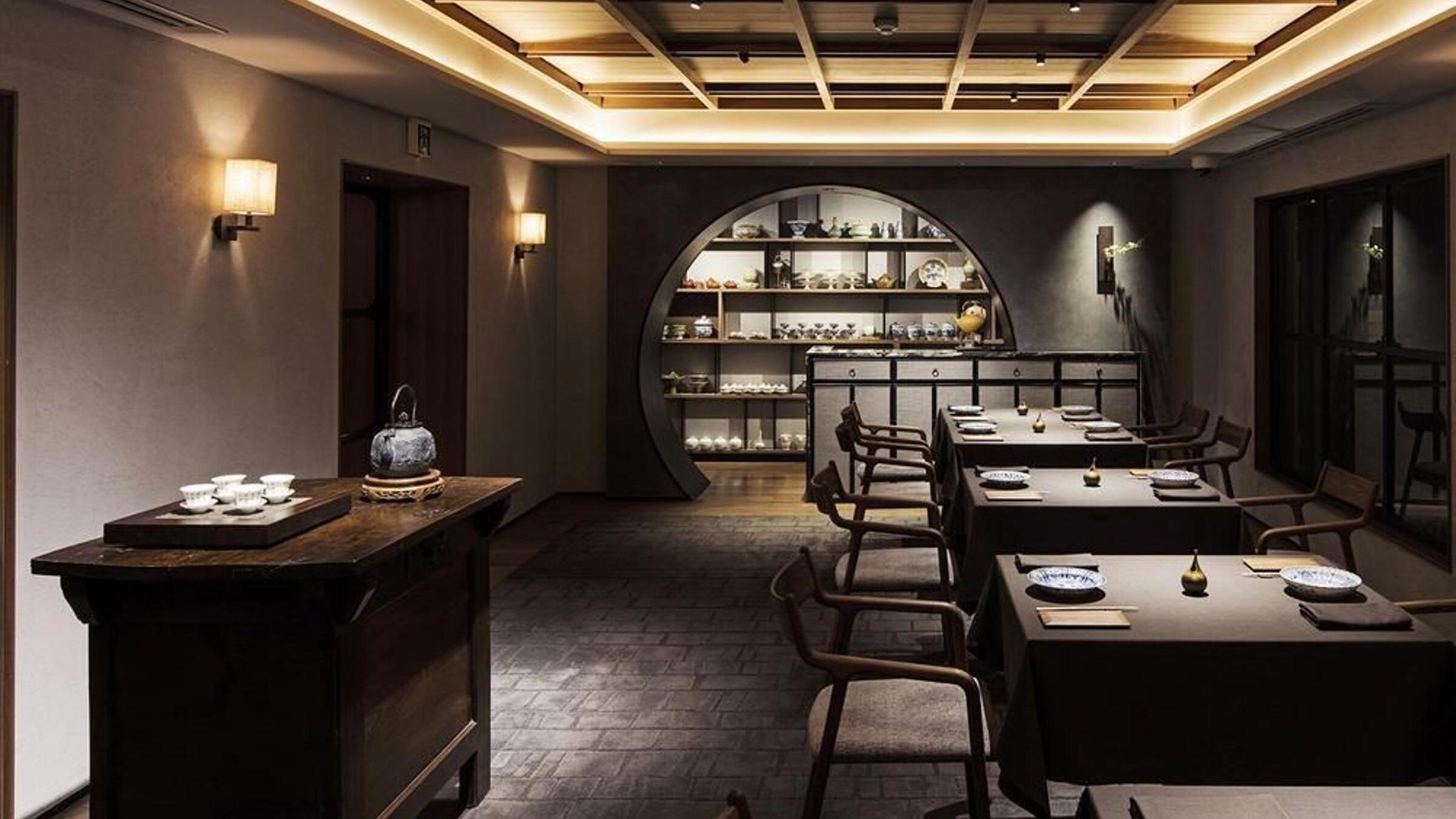
Watanabe’s external profile rests on objective signals: Japanese Cuisine category listing, Tabelog score of 4.00, Tabelog 100 selections in 2023 and 2025, non-smoking policy, and a compact counter arrangement. Its price tier sits well above casual washoku and below Tokyo’s most expensive tasting counters, a meaningful middle-upper bracket in a city where dinner pricing rises sharply once rarity, seat count, and reputation converge. The absence of private rooms clarifies the mood: not a corporate dining room with partitions, but a focused counter meal.
The contrast with Tokyo’s range is useful. A diner can move from curry at 3 Chome no Curry Ya San to yakitori at 124. KAGURAZAKA (Yakitori), from casual visual-concept cafés such as 2D Cafe to izakaya-style seafood and grilling at. 鮪と炭火焼き うお炭 秋葉原店. Those meals can be spontaneous, social, or snack-driven. This counter asks for a different posture: arrive prepared, avoid strong scent, and treat the evening as a single composition rather than a prelude.
That does not make the room only for formal occasions. The listing notes solo dining as a common use case, which is telling. Tokyo has a mature culture of solo counter meals, from ramen to kappo-style rooms, and the format can be more comfortable alone than at a performance-built table. At a counter, the lone diner is not exposed; the cooking line becomes the focal point.
How to place it within a wider Japan itinerary
For visitors moving through Japan, the lesson is not that every serious meal must be in Tokyo, but that Tokyo compresses categories with unusual force. One city can offer specific sushi, sukiyaki, yakiniku, curry, dessert, sake, and Japanese cuisine counters within a short rail network. Watanabe shows the quieter side of that density: a Shirokane counter with recognized Japanese cuisine credentials rather than a dining room defined by skyline views or hotel polish.
Outside Tokyo, comparison shifts by city and mood. -Grilled beef Sukiyaki- KAMAKURA TANUKIAN 鎌倉 たぬき庵 in Kamakura points toward a regional day-trip rhythm; [ki:] in Kyoto belongs to a city where Japanese dining carries different historical weight;.cafe in Osaka.know in Kumamoto, (Shoku) Vietnam in Kawasaki, and [Curry Senmon Ten] Maruyama Kyoju. in Sapporo show how quickly Japan’s dining language changes by place and category. Even outside Japan, venues such as Jōdo Saké Bar in Los Angeles and Onigiri Time in Pasadena show how Japanese formats travel, though the Tokyo counter remains the more demanding original context.
The editorial case for Watanabe is precise. It is not for diners wanting flexibility, private-room discretion, or a broad à la carte evening. It better suits travellers who want a serious Japanese cuisine counter outside Tokyo’s louder luxury corridors, with enough recognition to justify planning around it and enough neighbourhood quiet to keep focus on the meal. In a city that often rewards intensity, Shirokane Takanawa offers a counterpoint: dinner can be exacting without being showy.
One nearby alternative mood is 12/10 Shinjuku ten, which belongs to a different part of Tokyo’s dining geography. That contrast is the point. Shinjuku carries density and late-night friction; Shirokane Takanawa gives a serious counter more room to breathe. Choose accordingly.
Nearby-ish Comparables
Comparable options at the same price tier.
| Venue | Cuisine | Price | Notes |
|---|---|---|---|
| WatanabeThis venue — the venue you are viewing | Seasonal Japanese Omakase Counter | $$$$ | Not listed |
| Sushi Izumi | Traditional Edomae Sushi | $$$$ | Meguro |
| Gomei Akita Beef Teppanyaki | Akita Beef Teppanyaki | $$$$ | Chūō |
| Sushi Yuu | Traditional Edomae Omakase Sushi | $$$$ | Chūō |
| Kiwa | Seasonal Tempura & Japanese Omakase | $$$$ | Shibuya |
| 蕎ノ字 | Edomae Tempura with Soba | $$$$ | Chūō |
Recognition history
Dated appearances from independent guides and award organizations, with the underlying list record or original source where available.
Tabelog 100 #31 · No. 31
Tabelog · Tabelog 100 - Japanese cuisine - TOKYO - 2025











At a Glance
- Intimate
- Elegant
- Cozy
- Sophisticated
- Solo
- Date Night
- Special Occasion
- Business Dinner
- Chefs Counter
- Standalone
- Design Destination
- Sake Program
- Extensive Wine List
- Local Sourcing
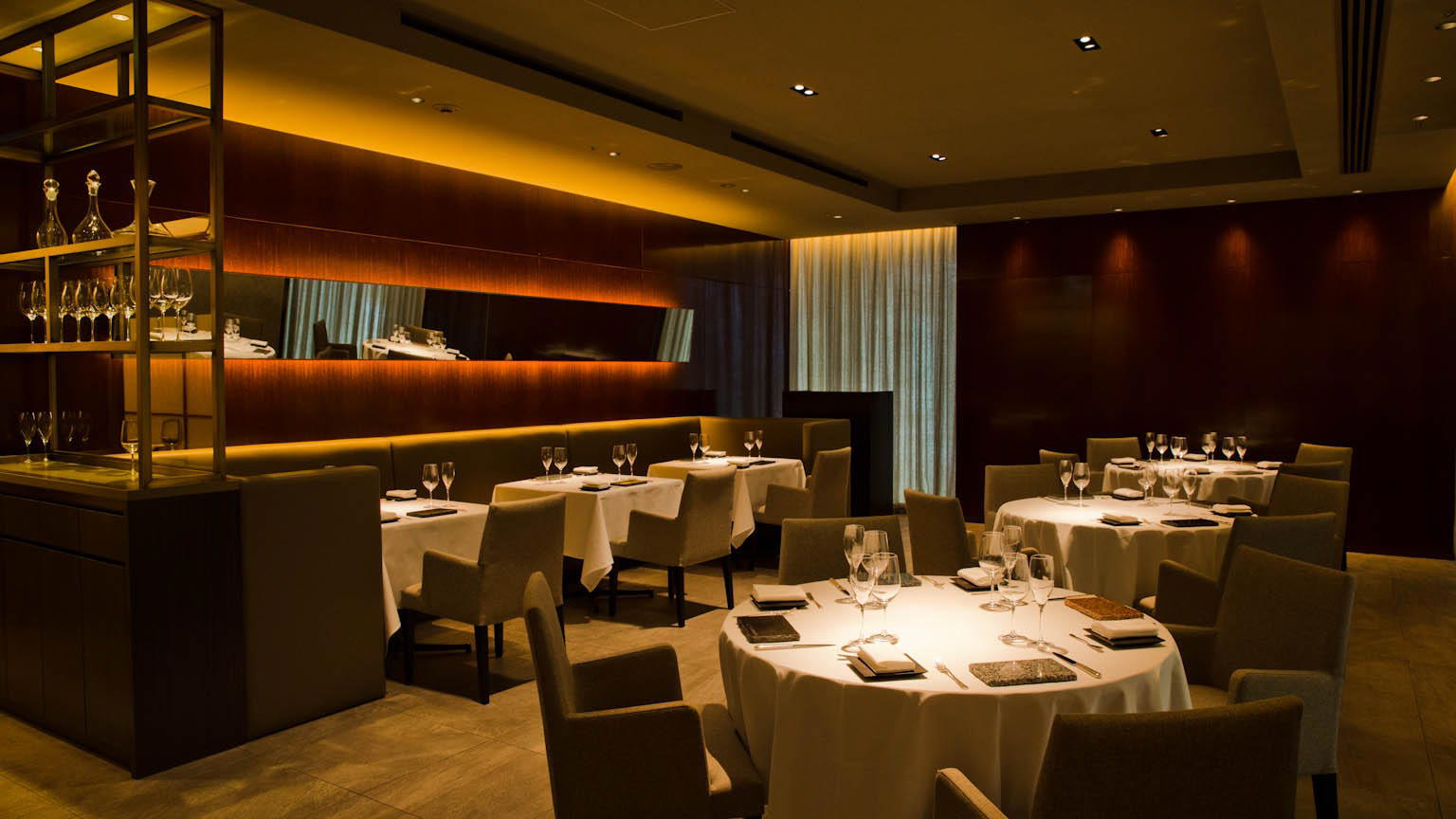
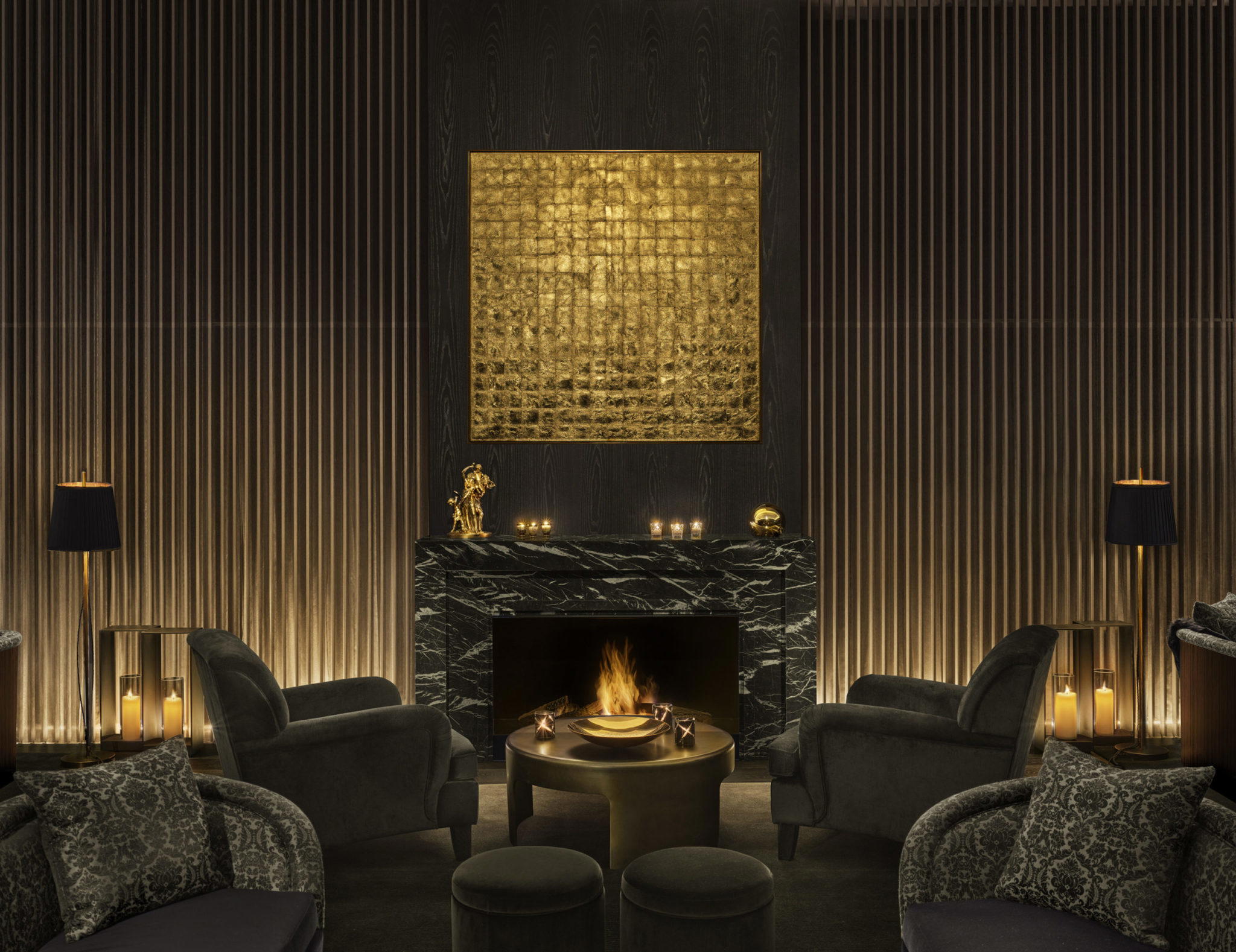
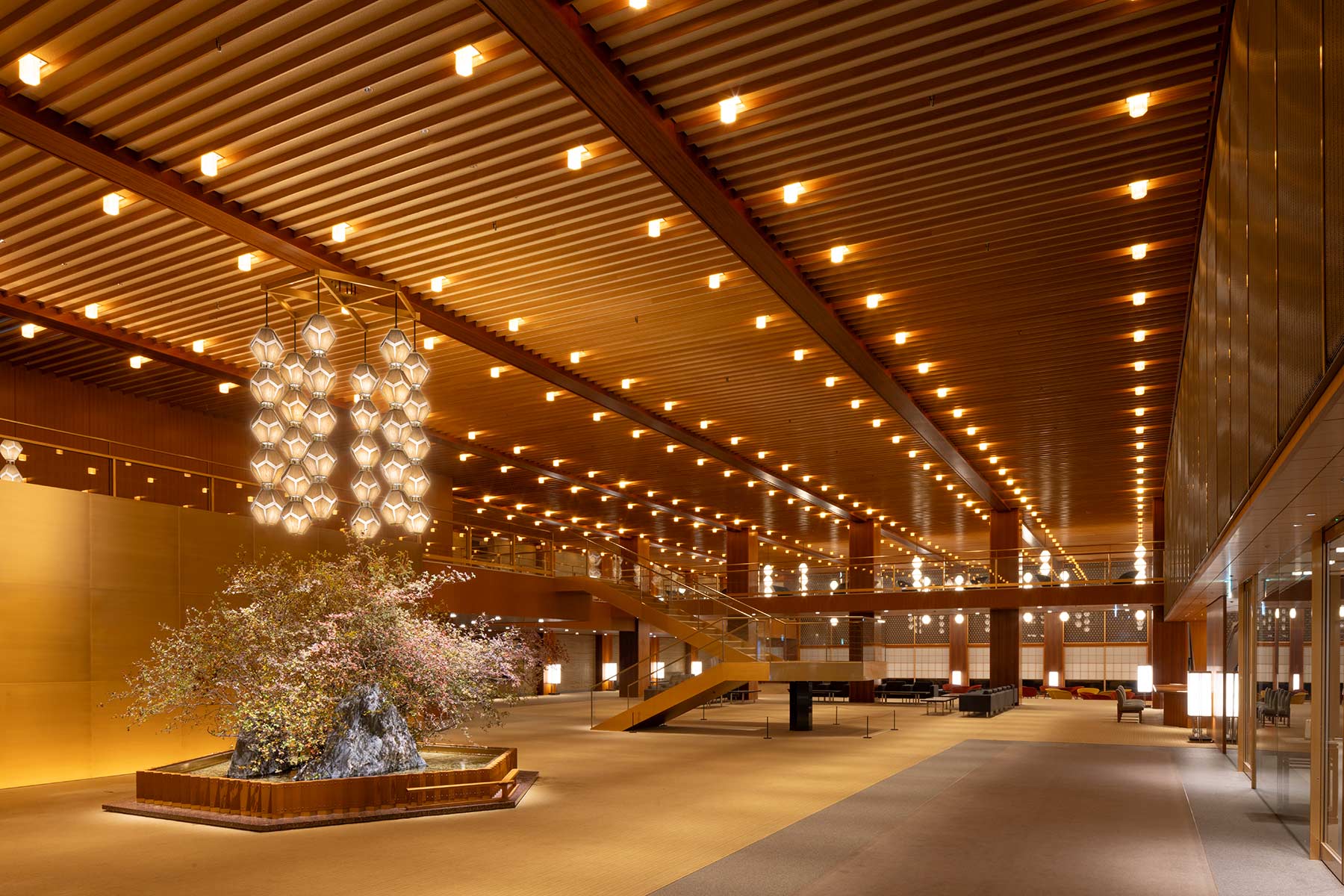
A small, high-quality counter space with a calm, refined atmosphere that emphasizes omotenashi; lighting and decor are understated and elegant, creating an intimate setting focused on the interaction between chef and guests.