Located on the third floor of a low-key building in Nishiazabu, 霞町 やまがみ occupies the quieter end of Minato City's serious dining corridor. The address places it among Tokyo's more considered restaurant choices, where the neighbourhood's evening-into-night rhythm defines how the room is used and what the kitchen sends out.
Pearl is the En Primeur Club membership app — saves, bookings, and concierge access live there. Same editors, same standards.
- Address
- Japan, 〒106-0031 Tokyo, Minato City, Nishiazabu, 4 Chome−2−13 八幡ビル 3階
- Phone
- +81354661270
- Website
- tableall.com
- Directions
- Get directions
 Saves & bookings on Pearl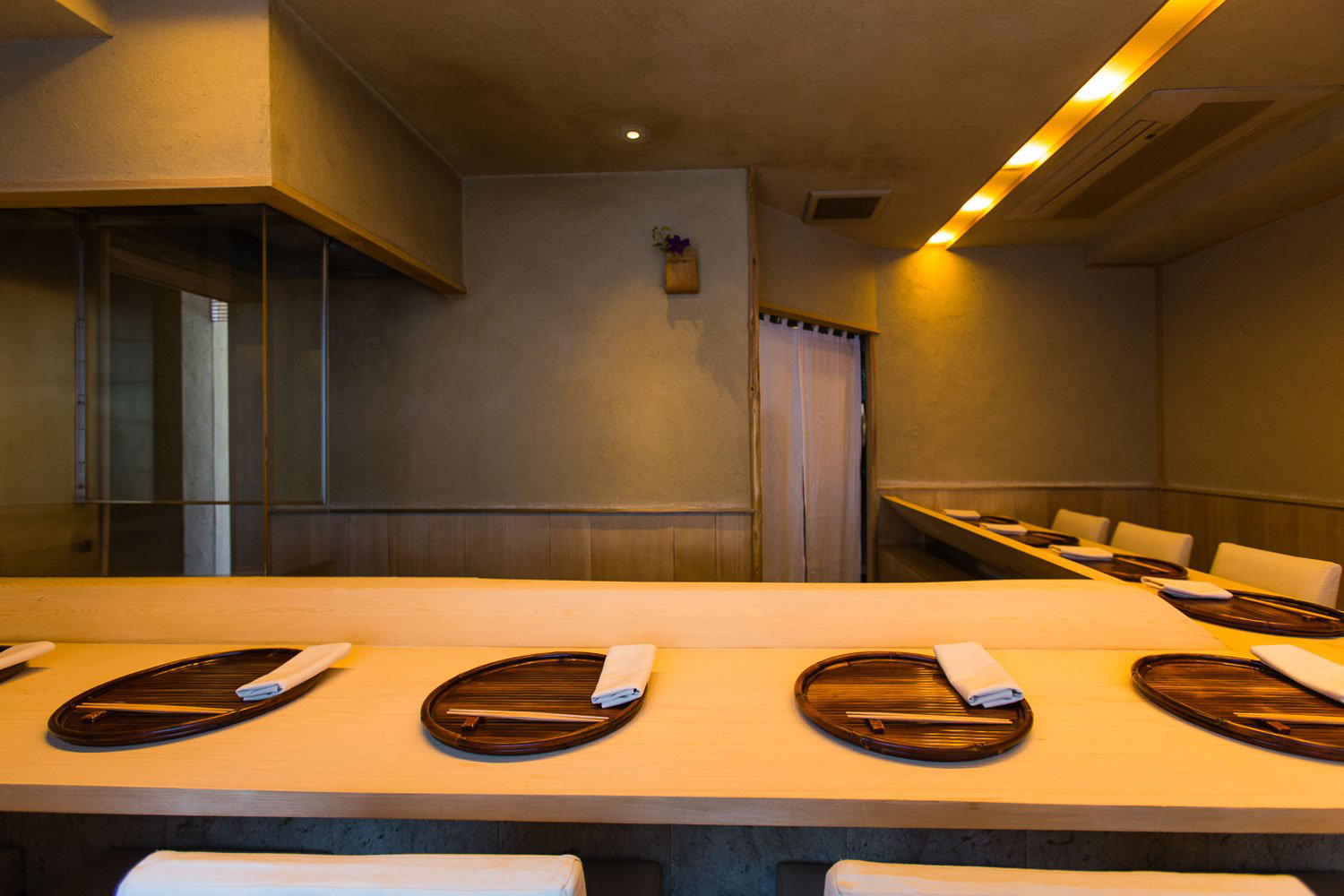
Nishiazabu After Dark, and Before It
Tokyo's Nishiazabu district operates on two distinct tempos. By day, the streets running between Roppongi and Hiroo carry a subdued, residential weight: deliveries, dry cleaners, the occasional lunch crowd spilling from a counter. By evening, the area shifts register, and the third-floor restaurants tucked above ground-level bars and boutiques become the primary point of the neighbourhood. 霞町 やまがみ sits in this category, occupying the upper floor of a building on the 4-chome stretch of Nishiazabu that connects Kasumichō's quieter lanes with the broader Minato dining corridor. The address places it within a pocket of the ward that has accumulated a density of careful, room-scale restaurants that operate without the foot traffic or signage of higher-profile Tokyo dining districts.
That third-floor remove matters more than it might seem. In Tokyo, vertical address placement often signals something about how a restaurant understands its own audience. Ground-floor operations in this neighbourhood attract walk-ins and destination diners equally. Restaurants one or more floors up tend to draw the latter almost exclusively, people who have already decided, who have already booked, who arrive with a purpose. It is a self-selecting filter that shapes the room before a dish is served.
The Lunch-to-Dinner Divide in This Part of the City
Nishiazabu's dining character is weighted firmly toward the evening. The lunch services that operate here tend to be abbreviated versions of dinner programs, offered at a lower price point and with tighter menus, often drawing office workers from the Roppongi Hills complex and residential regulars who know the room well enough to visit mid-week without ceremony. Dinner is where the neighbourhood's restaurants lean into their full ambition, with longer formats, more deliberate pacing, and a clientele whose expectations are calibrated accordingly.
This lunch-versus-dinner divide is a feature of serious Japanese dining at large, not just in Nishiazabu. The kaiseki tradition, for instance, shapes menus around seasonal shifts with different intensity depending on time of day. Lunch omakase counters across Tokyo often represent a particularly accessible entry point into a kitchen's sensibility, same sourcing, same technique, shorter arc. The better-informed regulars at many Minato restaurants use the lunch service to assess a kitchen before committing to the fuller evening spend.
For international visitors, Nishiazabu's evening dining window is narrower than it appears. Many rooms in this area are fully committed by 8pm, and the later seating slots, if they exist, can run against the grain of how Tokyo kitchens prefer to pace their service. Getting here from central Tokyo is direct: the venue's Nishiazabu address is within reasonable distance of Roppongi station on the Hibiya and Oedo lines, with a short walk along quiet streets.
Where This Address Sits in the Minato Dining Picture
Minato City contains some of Tokyo's most concentrated fine dining. L'Effervescence, which runs a French program respected well beyond Japan's borders, operates in this ward. So does RyuGin, Seiji Yamamoto's kaiseki counter in Roppongi, which has held three Michelin stars and repeatedly appeared on Asia's 50 Best Restaurants. Crony works an innovative French format in the same orbit. At the sushi tier, Harutaka has established a Ginza-calibre counter in the broader neighbourhood. And Sézanne in the Four Seasons at Marunouchi holds three stars while anchoring the French-in-Tokyo argument from a different direction.
霞町 やまがみ has a different profile from these comparators. But Tokyo's restaurant map has always contained rooms that function at a high level without the institutional endorsement that western dining systems reward most visibly. Japan's prefectural and regional dining cultures reinforce this: Gion Sasaki in Kyoto, HAJIME in Osaka, and Goh in Fukuoka each represent the kind of serious, place-rooted cooking that earns attention outside the capital's spotlight. Tokyo contains plenty of rooms that operate with similar intent but less external noise. Beyond Japan, the dynamic appears at Atomix in New York City and even at seafood-focused institutions like Le Bernardin, kitchens whose reputations were built on sustained execution long before they accumulated formal recognition.
The Nishiazabu address, the third-floor positioning, and the Kasumichō naming convention all suggest a room that understands its own register without needing external confirmation to maintain it. That is not an unusual posture in this part of Tokyo.
Planning a Visit
The building is at 4 Chome-2-13 Nishiazabu, Minato City, Tokyo 106-0031, on the third floor. Arriving without a booking at a third-floor Nishiazabu room is rarely rewarded.
Seasonality matters in this part of the city. Tokyo's kaiseki and Japanese cuisine restaurants adjust their sourcing through the year with considerable precision, and the gap between a spring menu and an autumn one can be significant. Visiting in late October through December tends to place you in the window when Japanese kitchens are working with the cold-weather ingredients that suit the restrained, deliberate formats common to this type of dining. For travellers exploring Japan beyond Tokyo, the country's restaurant infrastructure extends to regional addresses such as akordu in Nara, 石本 能登川制 in Nanao, and 湖隣庵 in Takashima all represent the kind of regional seriousness that complements a Tokyo-anchored itinerary.
What It’s Closest To
Comparable venues nearby, for context on price, style, and recognition.
| Venue | Cuisine | Price | Notes |
|---|---|---|---|
| 霞町 やまがみThis venue — the venue you are viewing | Michelin-Starred Kaiseki | $$$$ | Not listed |
| Sushi Sho | Traditional Edomae Sushi Omakase | $$$$ | Nishiazabu |
| 分とく山 | Michelin-Starred Seasonal Japanese Kaiseki | $$$$ | Minato |
| Chidori | Chicken Omakase (Toriryori) Counter | $$$$ | Minato |
| Hatanaka | Traditional Tempura Omakase | $$$$ | Minato |
| 鮨つぼみ | Edomae Sushi Omakase | $$$$ | Meguro |










At a Glance
- Elegant
- Intimate
- Sophisticated
- Date Night
- Special Occasion
- Chefs Counter
- Sake Program
Current opening hours
- Monday
- Closed
- Tuesday
- 6–11 PM
- Wednesday
- 6–11 PM
- Thursday
- 6–11 PM
- Friday
- 6–11 PM
- Saturday
- 6–11 PM
- Sunday
- 6–11 PM
Hours can change for holidays and private events. Last verified .
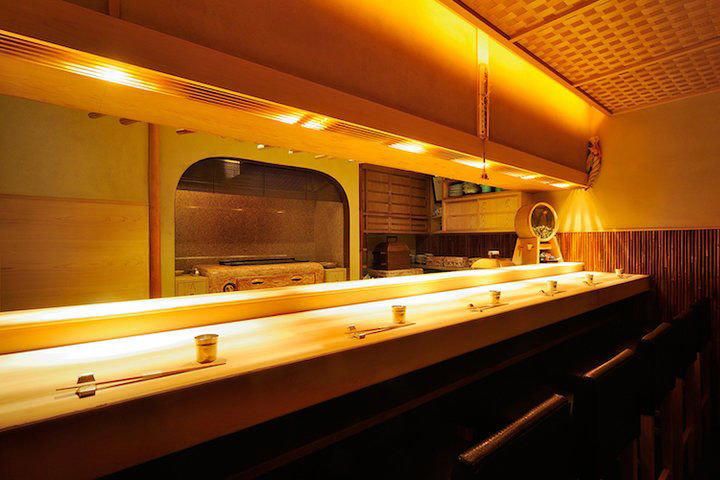
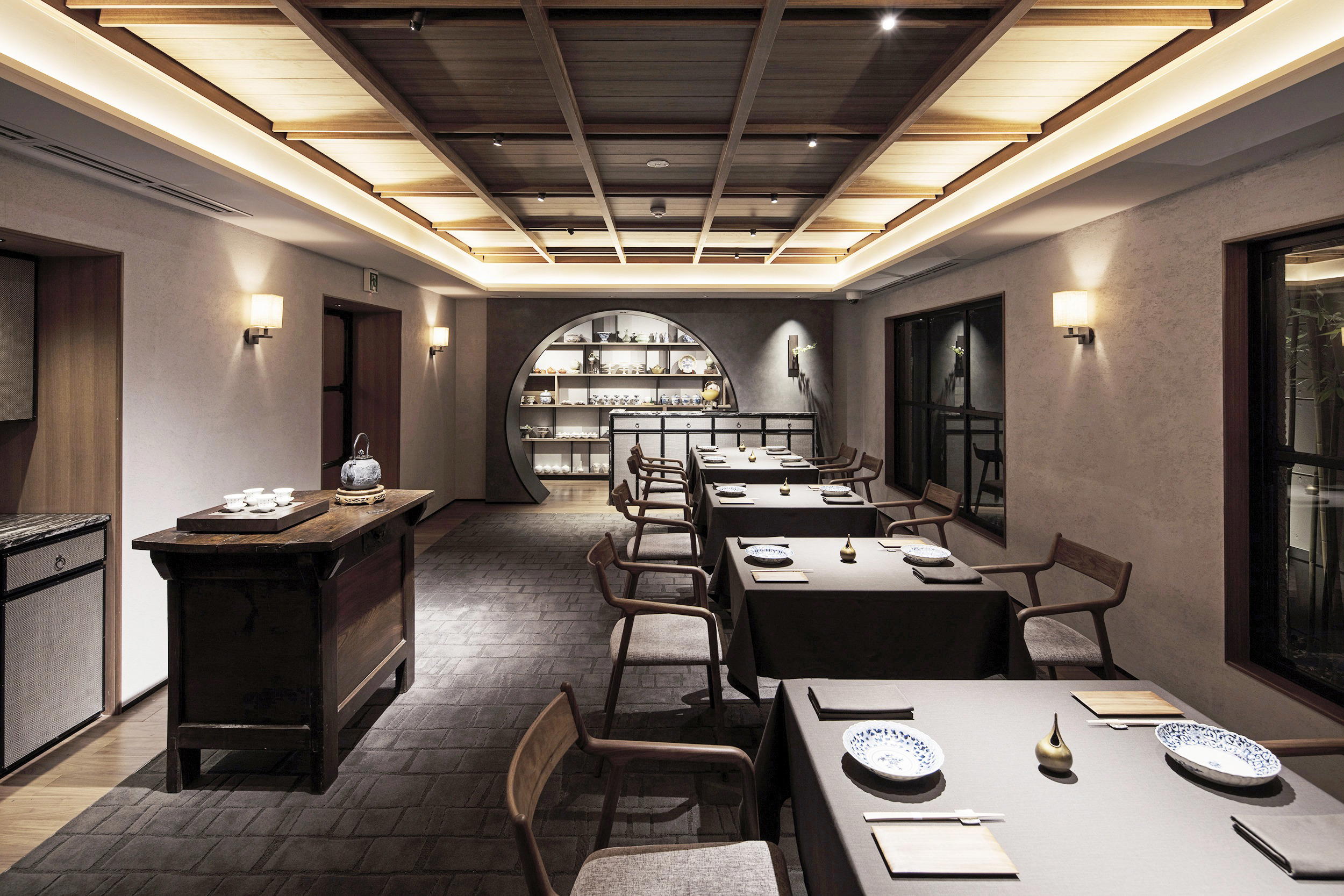
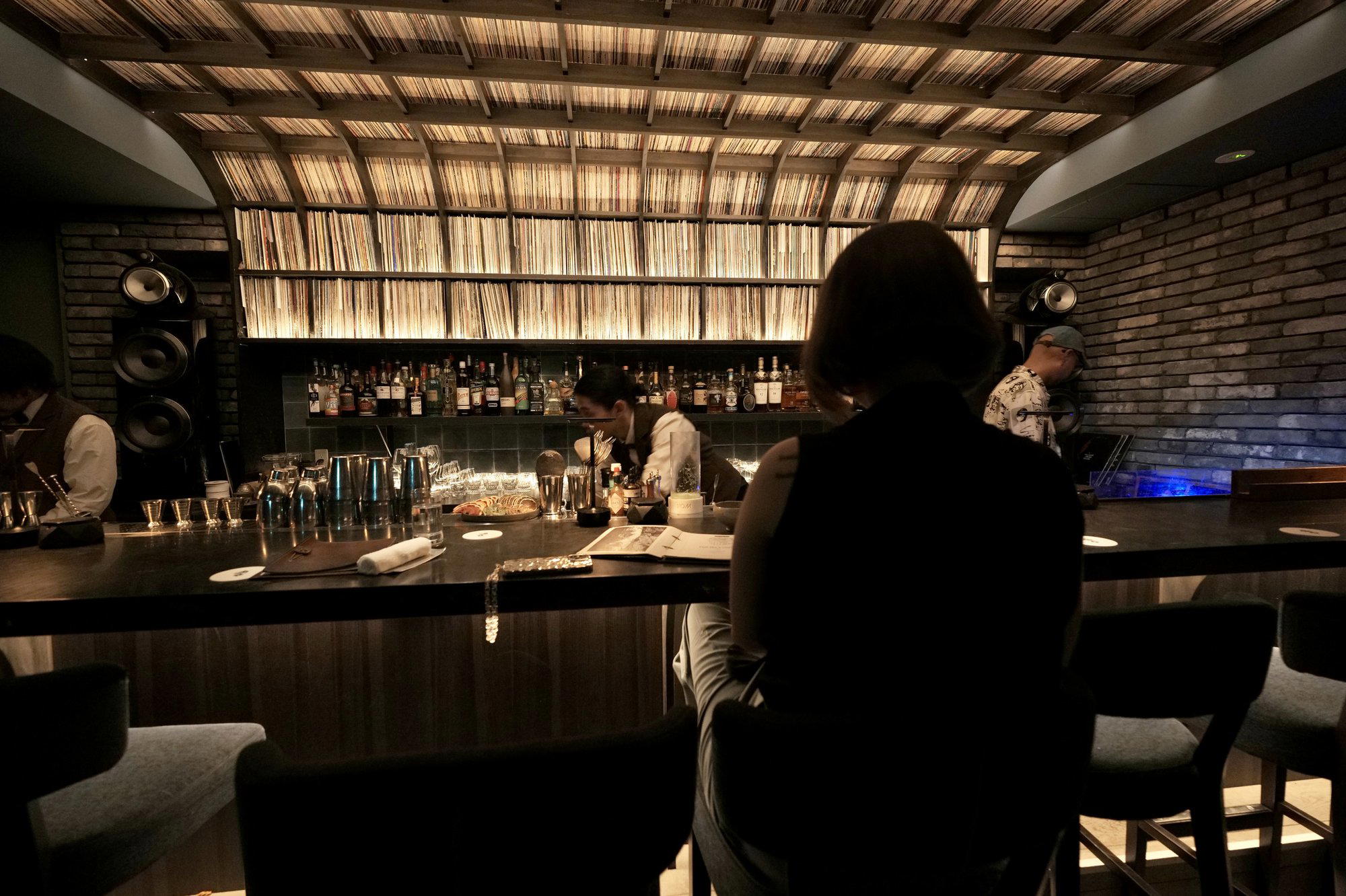
Refreshing white wood counter seating with an intimate, elegant atmosphere focused on the chef's craft.