Tabelog 100 #11
Our verdict
Yakiniku Oboshimeshi occupies a precise address in Akasaka, one of Tokyo's most curated dining precincts, where the yakiniku tradition shifts from casual grilling to something more considered. The format rewards returning guests who understand the rhythm of the meal. For those already fluent in Tokyo's grilled-meat scene, Akasaka provides the address; the restaurant provides the reason to come back.

Pearl is the En Primeur Club membership app, where members save venues, book tables and use the concierge.
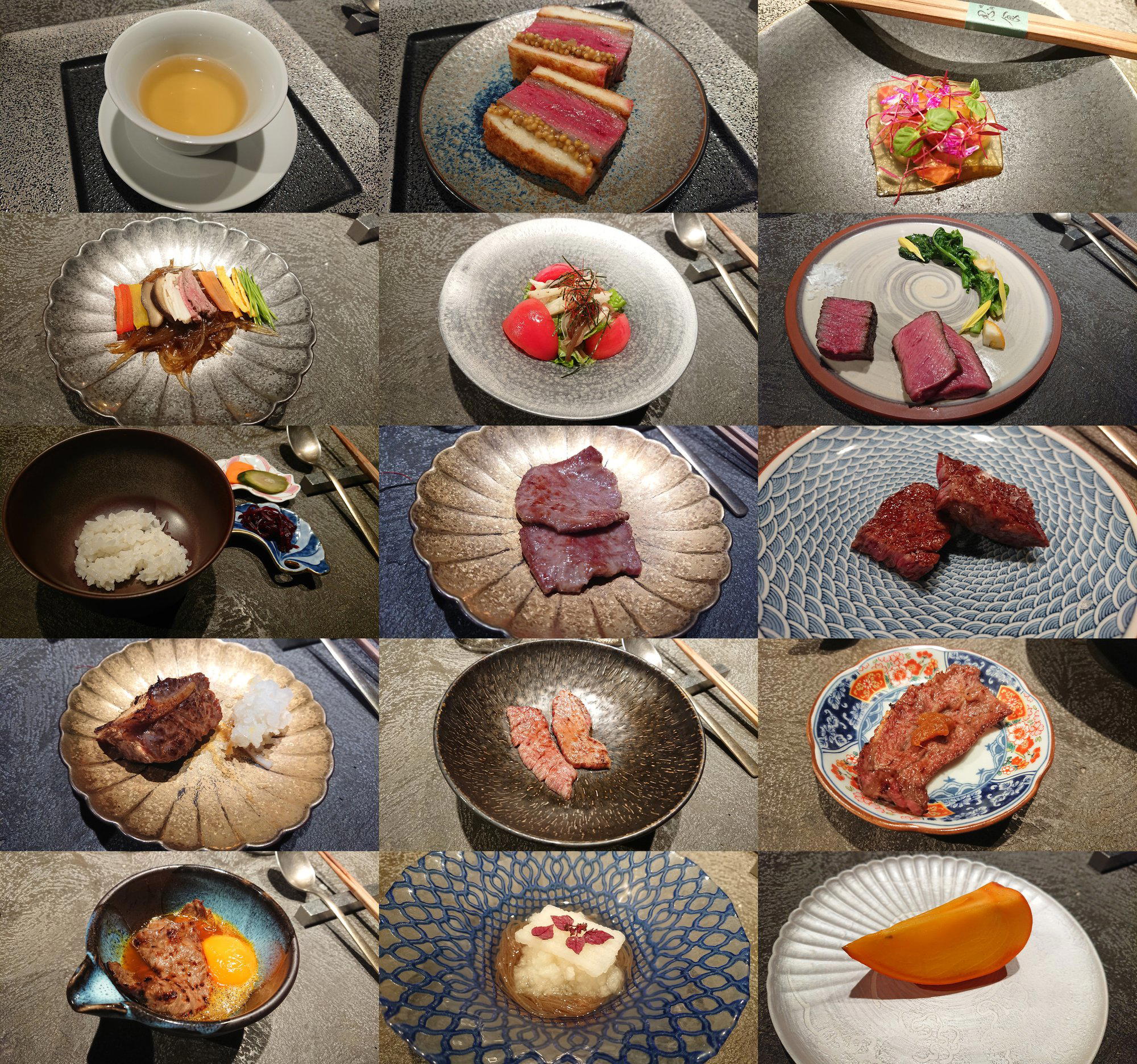
The menu
What to order
- Beef fillet katsu sandwich
- Shark fin japchae
- Chateaubriand don
Akasaka and the Yakiniku Tradition It Has Quietly Sustained
Yakiniku in Tokyo has never been a single thing. At one end sits the boisterous neighbourhood grill, smoke-stained and democratic, where salarymen and students share the same charcoal grates. At the other, a smaller and more deliberate tier has developed over the past two decades in precincts like Akasaka and Azabu, where the format slows down, the cuts become more specific, and the room is designed around the idea that grilling is not incidental to the evening but central to it. Yakiniku Oboshimeshi sits in that second category, anchored at 3 Chome-19-5 Akasaka in Minato City, a neighbourhood that has long functioned as one of Tokyo's most concentrated corridors for serious dining.
Akasaka's restaurant density is not accidental. The precinct's proximity to government ministries and major media headquarters shaped a clientele with high expectations and limited tolerance for mediocrity, and the restaurant stock evolved accordingly. The area's yakiniku houses tend to be quieter than their counterparts in Shibuya or Shinjuku, more attuned to conversation, and more likely to assume the diner already knows what they want. Yakiniku Oboshimeshi fits that pattern.
What Keeps the Regulars Returning
In yakiniku dining, the distinction between a one-time visit and a sustained relationship often comes down to something difficult to articulate on a menu: the sense that the kitchen understands which cuts to source on a given week, how to sequence the grilling, and when to leave the guest alone. Regular clientele at venues of this type develop a fluency with the format that shapes what they order, how they time the grill, and which requests they make without consulting a menu at all.
This dynamic is particularly pronounced in Akasaka, where many tables are occupied by guests who have been coming to the same restaurant for years. The rhythm of a yakiniku meal, where the diner is both cook and consumer, creates an intimacy with a specific venue's charcoal temperature, grate surface, and cut thickness that does not transfer easily to a new address. That accumulated knowledge is what loyal clientele are protecting when they return to the same room. Yakiniku Oboshimeshi draws from a neighbourhood where that kind of sustained patronage is the norm rather than the exception.
For comparison, Tokyo's broader premium yakiniku tier operates in a different register from the city's kaiseki or French fine dining rooms. Places like RyuGin or L'Effervescence present a fixed progression curated entirely by the kitchen. Premium yakiniku inverts that logic: the format requires the guest to be an active participant, and the leading rooms quietly equip you to do that well. The staff at venues like Yakiniku Oboshimeshi function less as narrators and more as calibrators, adjusting pace and suggestion to the table's level of experience.
The Wider Scene This Venue Belongs To
Tokyo's grilled-meat scene has undergone a quiet stratification over the past decade that mirrors shifts visible in other categories. Sushi counters like Harutaka operate at the intersection of extreme sourcing specificity and near-meditative pacing. French rooms like Sézanne and Crony have pushed the city's international dining tier toward a level of technical ambition that now benchmarks against Paris and Copenhagen. Yakiniku has developed its own parallel premium register, less visible internationally but deeply embedded in how Tokyo's established dining public spends an evening.
Across Japan, the broader pattern holds. In Osaka, HAJIME represents the pinnacle of formal tasting-menu culture. In Kyoto, Gion Sasaki defines kaiseki at its most seasonal. Yakiniku occupies a different social function in this hierarchy: it is participatory in a way that kaiseki is not, and it rewards repeat visits in a way that a single tasting menu cannot replicate. That participatory quality is precisely what makes the regulars' relationship with a venue like Yakiniku Oboshimeshi different from their relationship with any other format.
Internationally, the closest analogy might be the relationship that serious guests develop with a specific omakase counter or, in New York's context, with rooms like Atomix, where the format is demanding enough that familiarity becomes an asset. Le Bernardin in New York represents the other pole: a room where institutional consistency is what long-term guests are banking on. Premium yakiniku in Akasaka sits closer to the omakase model, where the guest's own accumulated knowledge is part of what makes the experience work.
Planning a Visit
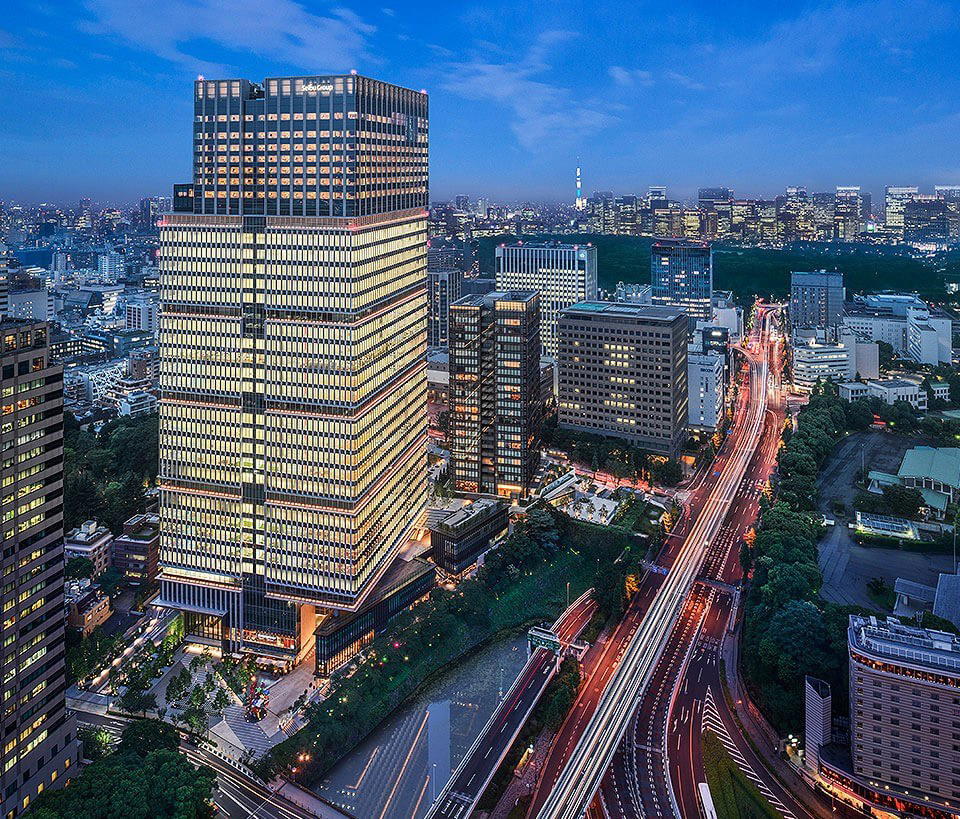
Yakiniku Oboshimeshi is located at 3 Chome-19-5 Akasaka, Minato City, Tokyo 107-0052. Akasaka Station on the Tokyo Metro Chiyoda Line provides direct access to the neighbourhood, with several exits within a few minutes' walk of the Akasaka 3-chome block. The area is walkable from Tameike-Sanno and Nagatacho stations as well, which makes it accessible from multiple parts of the city without requiring surface transfers.
First-time visitors who want to approach the meal with the same confidence as the regulars would do well to arrive having considered the cut sequencing that serious yakiniku generally follows: lighter cuts early, heavier marbled sections in the middle, and offal or specialty items positioned toward the end when the palate can handle intensity. That sequencing is not a rule the restaurant will impose, but it reflects the logic that most experienced yakiniku guests apply.
For those building a broader Tokyo itinerary, our full Tokyo restaurants guide maps the city's dining tiers by neighbourhood and format. Those extending their trip to other Japanese cities will find useful context in our coverage of akordu in Nara, Goh in Fukuoka, and regional specialists including 一本杉川島製 in Nanao, 古仁屋山乃 in Sapporo, 湖畔荘 in Takashima, 庄羽屋 in Nishikawa Machi, Birdland in Sakai, and Bistro Ange in Toyohashi.
Frequently asked questions
Is Yakiniku Oboshimeshi good for families?
Located in Akasaka's Minato City district, Yakiniku Oboshimeshi suits adults and older children comfortable with a table-grill format. The Akasaka neighbourhood skews toward business and dinner-out dining rather than casual family chains, so the room's register trends more composed than boisterous. Families with very young children may find the open-grill setup less practical.
What should I expect atmosphere-wise at Yakiniku Oboshimeshi?
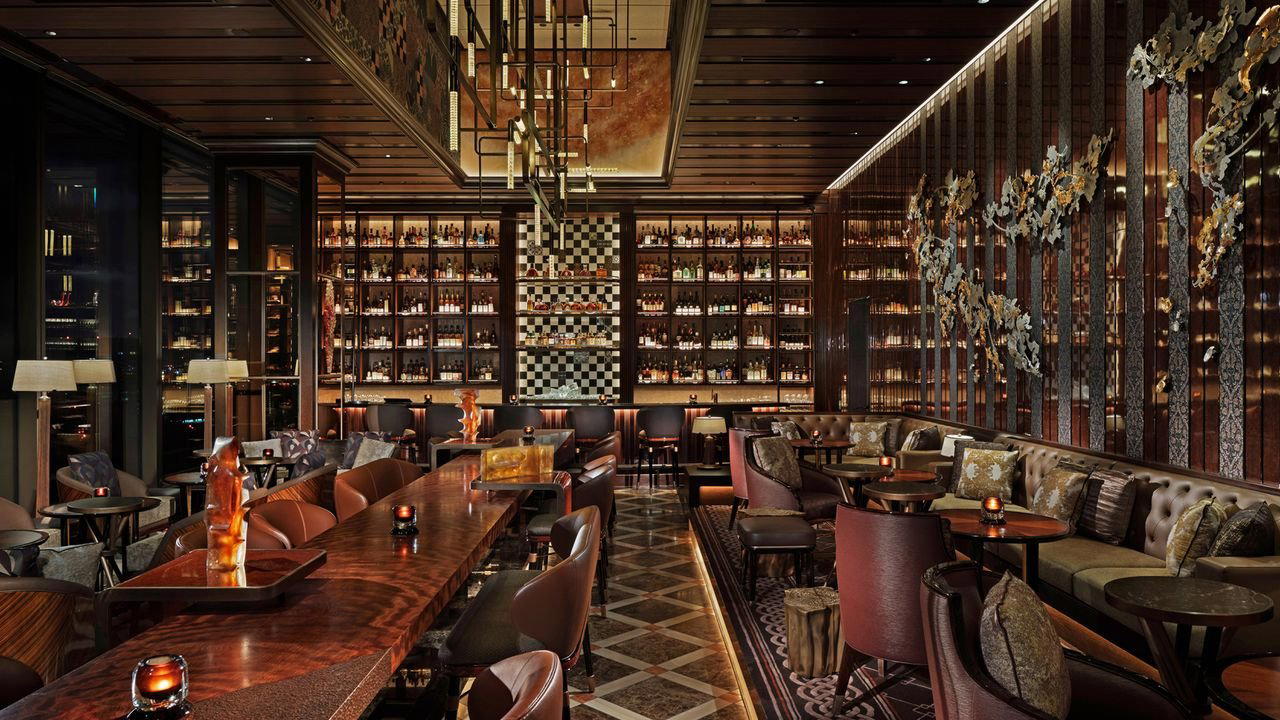
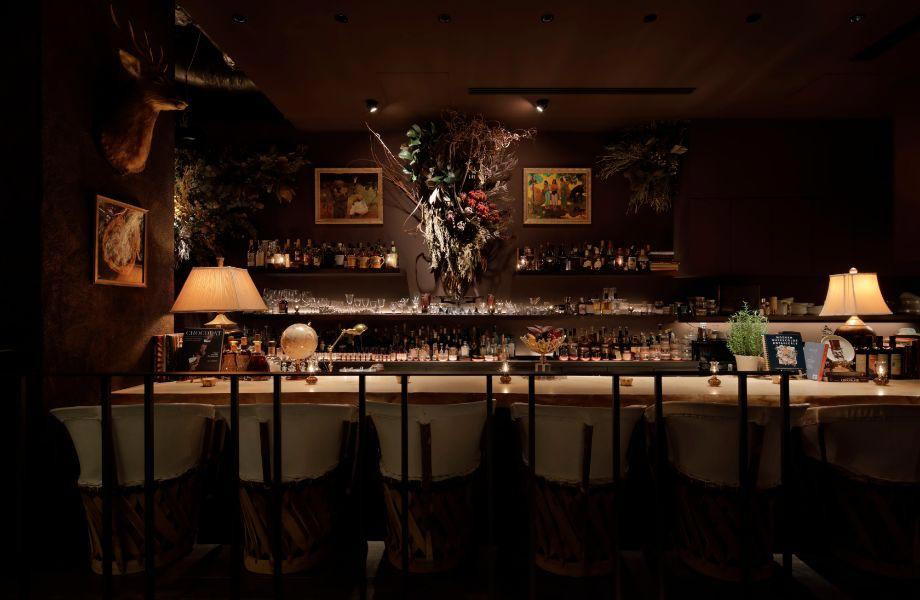
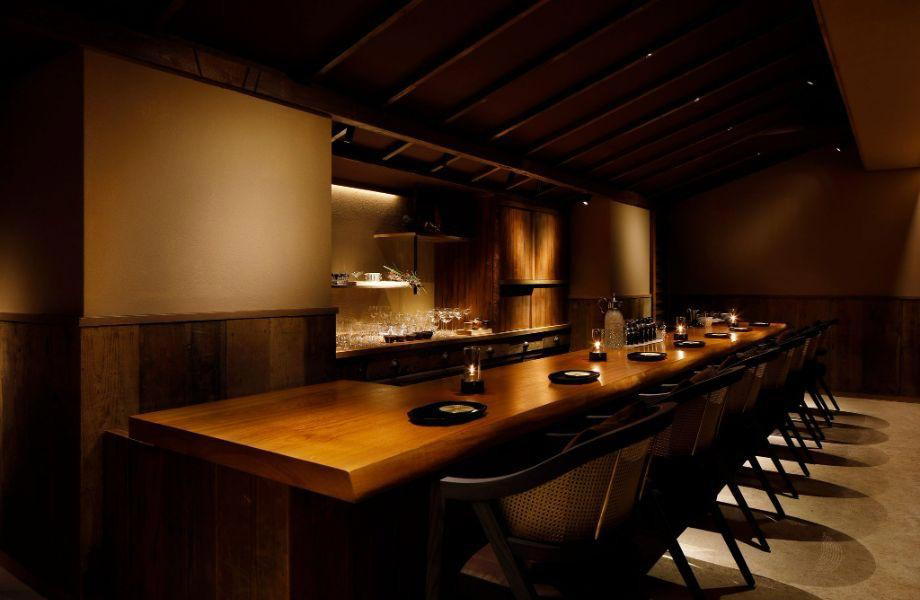
Akasaka has long supported restaurants that sit between neighbourhood familiarity and genuine craft, and Yakiniku Oboshimeshi occupies that middle register. Expect a room shaped by repeat regulars rather than first-time visitors, with the low-smoke intimacy that distinguishes serious yakiniku houses from the louder grill halls. The address at 3 Chome-19-5 Akasaka places it in a quieter pocket of Minato City, away from the main arterial noise.
How does Yakiniku Oboshimeshi compare to other yakiniku restaurants near Akasaka Station?
Akasaka Station on the Tokyo Metro Chiyoda Line gives access to a cluster of grilled-meat restaurants spanning several price tiers, but Yakiniku Oboshimeshi's address at 3 Chome-19-5 places it in a residential-leaning pocket that tends to draw a local rather than tourist-heavy crowd. That self-selection shapes the room and, typically, the sourcing priorities. Among Tokyo's broader yakiniku scene, Minato City venues in this position often function more as neighbourhood specialists than destination restaurants with active PR operations.
What dish is Yakiniku Oboshimeshi famous for?
The venue's name references 'oboshimeshi,' a term evoking a considered, almost meditative approach to the meal, which points toward precision in cut selection and sequencing rather than a single showpiece dish. Contacting the venue directly will give you the clearest picture of the current offering.
Where is Yakiniku Oboshimeshi in Tokyo?
Yakiniku Oboshimeshi is located at 3 Chome-19-5 Akasaka, Minato City, Tokyo 107-0052, Japan, Tokyo.
Do I need a reservation for Yakiniku Oboshimeshi?
For a yakiniku house at this address in Akasaka, walk-in availability on evenings and weekends is not something to rely on. Restaurants in Minato City's denser dining corridors typically fill well in advance, particularly for prime dinner slots. Booking ahead is the practical approach; contact details can be sourced through local reservation platforms serving the Tokyo market.
What's the signature at Yakiniku Oboshimeshi?
The venue's identity appears to centre on a sustained, course-led approach to yakiniku rather than a single marquee cut. Within Akasaka's grilled-meat scene, that positions Yakiniku Oboshimeshi closer to the deliberate, sequence-conscious end of the format.
Recognition Snapshot
Comparable venues nearby, for context on price, style, and recognition.
| Venue | Cuisine | Price | Awards | Notes |
|---|---|---|---|---|
| Yakiniku OboshimeshiThis venue (the venue you are viewing) | Modern Yakiniku with Korean Influences | $200–300 | Tabelog 100 #11 | Not listed |
| きよ田 離れ | High-end Edomae Sushi Omakase | $500+ | Black Pearl 1 Diamond · Tabelog 100 #11 | Ginza |
| Kobe beef 512 | Premium Kobe Beef Yakiniku | Not listed | Not listed | Minato |
| Sushi Kinoshita | Seasonal Japanese & Edomae Sushi Omakase | $200–300 | Tabelog 100 #70 | Minato |
| ラ・ボンバンス | Modern Creative Japanese Kaiseki | $150–200 | Not listed | Minato |
| Kawasaki | Seasonal Japanese Kaiseki / Omakase | $150–200 | Tabelog 100 #57 | Minato |
Recognition history
Dated appearances from independent guides and award organizations, with the underlying list record or original source where available.
Tabelog 100 #11 · No. 11
Tabelog · Tabelog 100 - Yakiniku - TOKYO - 2025