
nakamuraya holds consecutive Michelin Plate recognition (2024 and 2025) for Italian cooking in Uda, Nara, a rural address that immediately separates it from the city-centre Italian restaurants clustering around Japan's major urban corridors.
Pearl is the En Primeur Club membership app — saves, bookings, and concierge access live there. Same editors, same standards.
- Address
- 717 Murou, Uda, Nara 633-0421, Japan
- Phone
- +81 745-93-2227
- Website
- ayarumakan.jp
- Directions
- Get directions
 Saves & bookings on Pearl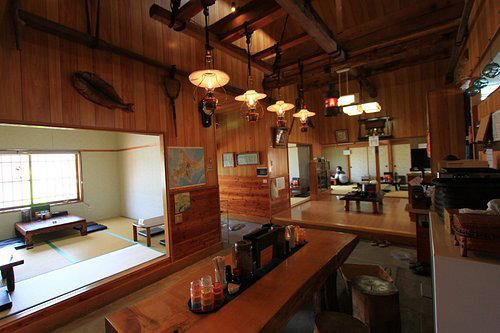
Italian in the Yamato Interior: What nakamuraya Represents
Rural Italian in Japan is a specific and still-small phenomenon. The mainstream arc of Italian cooking in the country runs through Tokyo's high-density neighbourhoods, Osaka's cosmopolitan dining corridors, and increasingly Kyoto, where venues like cenci have built reputations sitting comfortably alongside the prefecture's kaiseki establishment. Against that geography, nakamuraya's address, 717 Murou, Uda, Nara, 633-0421, Japan, is a genuine outlier. Uda sits in the Yamato interior, east of Nara city, in the forested upland that most visitors pass through on the way to the Yoshino mountains rather than stop at deliberately. Italian restaurants with consecutive Michelin Plate recognition do not typically occupy addresses like this, and that contrast is worth noting before anything else.
Michelin's Plate designation, awarded here in both 2024 and 2025, signals a kitchen producing food worth seeking out, a threshold distinction within Nara's wider dining scene, where the serious recognised restaurants skew heavily toward kaiseki and Japanese formats. For comparison, the ¥¥¥-tier options in the Nara region include venues like Wa Yamamura (kaiseki), Araki (sushi), and akordu (innovative Spanish), all operating at a higher price point and within more expected genre territory. nakamuraya at ¥¥ holds Michelin recognition at a more accessible price bracket, which is a structural rarity in the region's awarded tier.
The Wine Question in a Rural Italian Setting
Any serious Italian kitchen in Japan faces the same wine problem in miniature that the broader country's fine dining scene wrestles with at scale: import costs, tax structures, and distribution networks mean that Italian wine lists in Japan price against a different ceiling than their European equivalents. In urban contexts, Tokyo venues like Harutaka or Osaka's HAJIME, those costs are absorbed across a broader and wealthier customer base. In a rural ¥¥-tier setting, the list has to be curated tightly, because the margin for carrying slow-moving inventory simply isn't there.
What that means in practice, at a venue like nakamuraya, is that curation philosophy matters more than depth. A considered list of Italian regionals, the kind of by-the-glass programme that maps to the food rather than gestures at prestige through grand-format Barolo and Super Tuscans, is more appropriate here than a cellar built for spectacle. For specific current selections and pricing, the venue is the direct authority.
Italian wine culture in Japan has developed a sophisticated regional literacy over the past two decades, partly driven by sommeliers training in Italy and returning with knowledge of Friuli, Alto Adige, and the southern appellations that remain less familiar in international markets. Whether that depth reaches into Uda specifically is something the venue itself can confirm, but the Michelin Plate recognition across two consecutive years suggests a kitchen and front-of-house operation with enough coherence to pass Michelin's standards for quality, which in an Italian context always incorporates the beverage programme as part of the overall assessment.
Nara's Italian Scene in Context
Italian cuisine in Nara prefecture is neither as concentrated nor as competitively dense as in Osaka or Kyoto, but it isn't absent. The city and its surrounds have produced a cluster of recognised Italian tables including Da terra, Lega', BANCHETTI, Camino, and cucina regionale YANAGAWA. Across that set, nakamuraya is the geographic outlier, the others cluster around the city's tourist and residential core, where the economic logic of a restaurant is more conventional.
The regional context also matters for what nakamuraya can source. Nara prefecture's agricultural output, Yamato vegetables, local pork, mountain herbs, river fish from the Yoshino and Uda river systems, offers a larder that genuinely intersects with the Italian cooking tradition in structurally interesting ways. Italian cucina at its most disciplined is a regional cuisine that adapts to available produce, and Nara's interior, with its distinct seasons and altitude-influenced produce calendar, provides raw material that urban Italian kitchens in Japan typically can't access directly. That proximity to source is a real differentiator, even if the specific menu translations remain the kitchen's own to describe.
For a broader map of serious dining in the Kansai and broader Japan context, Gion Sasaki in Kyoto and Goh in Fukuoka illustrate how regional Japanese cities have built internationally recognised restaurant cultures outside Tokyo. nakamuraya operates at a different scale and price point, but within the same broader trend of Michelin-recognised serious cooking dispersed across Japan's secondary and tertiary cities, a trend the guide has actively reinforced through its regional Japanese editions. Venues like 1000 in Yokohama and 6 in Okinawa extend that pattern further.
For the Italian-in-Japan comparable set specifically, 8 1/2 Otto e Mezzo Bombana in Hong Kong represents the upper bracket of Italian fine dining in Asia, useful as a reference point for understanding where the genre's ceiling sits in this part of the world.
Planning a Visit
The address, 717 Murou, Uda, Nara 633-0421, Japan, requires deliberate travel planning. Uda is accessible by rail from Nara city via the Kintetsu Osaka line toward Haibara, but the Murou area specifically sits further into the mountains and typically requires a taxi or car from the nearest station. Visitors combining this with the Muroji Temple complex (a significant eighth-century site roughly in the same district) can structure a day around both, though the logistics require advance coordination. Given the rural location and the relatively small review footprint (96 reviews), advance booking is advisable, particularly for weekend visits or during Nara's autumn foliage season, when the Yoshino-Uda corridor draws significant regional visitor traffic.
For a full picture of where nakamuraya sits within Nara's broader hospitality offering, EP Club's dedicated guides cover the complete scene: our full Nara restaurants guide, hotels, bars, wineries, and experiences.
Pricing, Compared
Comparable venues nearby, for context on price, style, and recognition.
| Venue | Cuisine | Price | Awards | Notes |
|---|---|---|---|---|
| nakamurayaThis venue — the venue you are viewing | Italian | $$ | Michelin Plate | Not listed |
| PIZZERIA TRATTORIA MAGAZZINO | Kashiba, Neapolitan Pizza | $$ | Bib Gourmand | Not listed |
| cucina regionale YANAGAWA | Not listed | $$$$ | Michelin Plate | Nara, Modern Regional Italian with Nara Ingredients |
| GENMAIAN | Dining | Not listed | Michelin Plate | Not listed |
| Kinari Pizza | Not listed | $$ | Not listed | Nara, Neapolitan-style pizza truck with garden seating |
| Gojo GENBEI | Not listed | $$$ | Michelin Plate | Gojo Shinmachi, Seasonal Vegetable Kaiseki |
Recognition history
Dated appearances from independent guides and award organizations, with the underlying list record or original source where available.
Michelin Plate
Michelin
Michelin Plate
Michelin
Continue exploring
More in Nara
Restaurants in Nara
Browse all →
Bars in Nara
Browse all →
Hotels in Nara
Browse all →
Wineries in Nara
Browse all →
At a Glance
- Romantic
- Cozy
- Elegant
- Intimate
- Date Night
- Celebration
- Special Occasion
- Group Dining
- Wine Cellar
- Open Kitchen
- Private Dining
- Standalone
- Extensive Wine List
- Sommelier Led
- Corkage Allowed
- Byob
- Local Sourcing
- Farm To Table
Current opening hours
- Monday
- 10 AM–4 PM
- Tuesday
- 10 AM–4 PM
- Wednesday
- 10 AM–4 PM
- Thursday
- 10 AM–4 PM
- Friday
- 10 AM–4 PM
- Saturday
- 10 AM–4 PM
- Sunday
- 10 AM–4 PM
Hours can change for holidays and private events. Last verified .
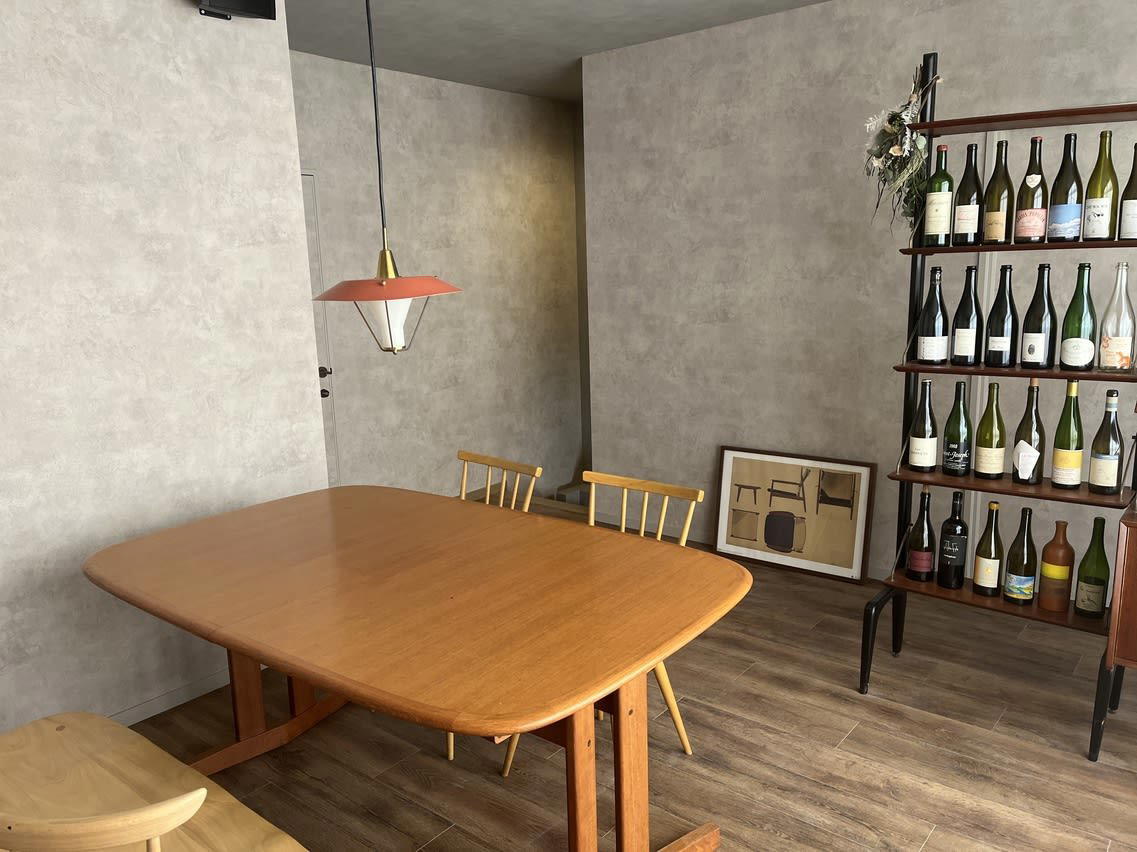
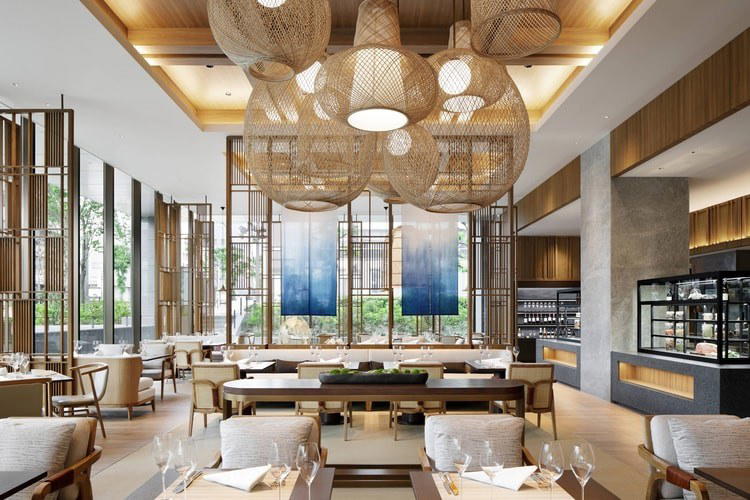
Warm, intimate setting with a cozy wine bar and café atmosphere on the first floor and a more formal dining room, reflecting both casual and refined dining experiences.