


1 Michelin Star · We're Smart World 4 Radishes
Our verdict
Set among the ancient fields of Asuka in Nara Prefecture, Da terra holds a Michelin star and back-to-back recognition in the Opinionated About Dining European rankings, an unusual credential for a restaurant rooted in southern Japan. The kitchen works from its own garden, crossing Italian technique with the finest local produce in a format that reads more like a philosophical argument than a tasting menu.

Pearl is the En Primeur Club membership app, where members save venues, book tables and use the concierge.
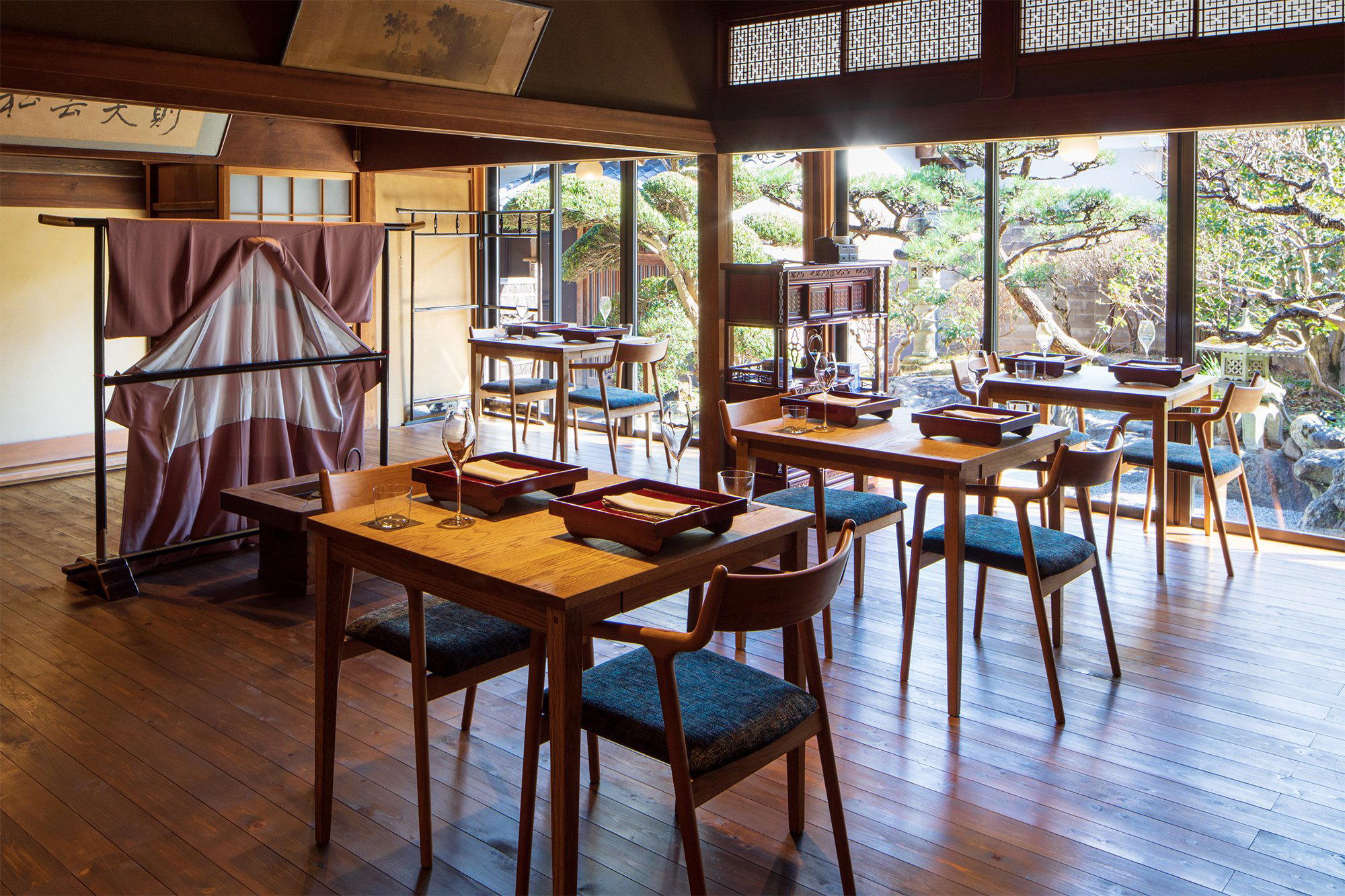
The road to Asuka is the first signal that Da terra operates on different terms. This corner of Nara Prefecture, roughly 40 kilometres south of the city centre, is ancient farmland: low hills, rice paddies, and burial mounds from the Asuka period, when this valley was the political heart of Japan. A restaurant drawing Michelin recognition and a ranking of 43rd in Opinionated About Dining's European list in 2024 has no business being here, by conventional logic. That contradiction is precisely the point.
Italy's produce-led cooking tradition has always had a garden-first logic at its core. In Campania, Emilia-Romagna, or Puglia, the leading restaurants are still oriented around what the kitchen grows or sources locally, and menus shift not by season alone but by what arrived that morning. Da terra, working from its own plot in the Asuka fields, applies that same logic to one of Japan's most agricultural prefectures. Nara has long supplied Osaka and Kyoto with vegetables, persimmons, and rice, but the prefecture rarely registers on premium dining maps the way its neighbours do. The kitchen here operates in that gap.
What the Menu Architecture Says
The We're Smart Green Guide, which benchmarks restaurants globally on plant-forward cooking, describes Da terra's approach with directness: the kitchen goes “all out, pure plant or not,” using its own garden as a compass. That phrase is worth sitting with. The menu is not a vegetarian tasting menu in the conventional sense, and it is not Italian-Japanese fusion in the way that label usually implies compromise. It is a menu where vegetables carry structural weight from the first course to the last, where the sourcing logic is visible in what arrives on the plate, and where Italian technique serves as a grammar for Japanese ingredients rather than a costume draped over them.
This is a relatively rare format in Japan's fine dining tier. The kaiseki tradition, represented in Nara by restaurants like BANCHETTI and in Kyoto by Gion Sasaki, has its own deep relationship with seasonality and vegetable cookery, but it operates within a codified structure. Italian fine dining in Japan, as seen at cenci in Kyoto or 8 1/2 Otto e Mezzo Bombana in Hong Kong, often anchors itself more firmly to classical Italian form. Da terra sits between those categories deliberately, and that positioning is what the menu communicates before a single dish is described.
Chef Hirokazu Nakai's kitchen holds a Michelin star as of 2025, and the garden-to-table framework here is not decorative. The own-garden sourcing creates a menu that changes with what is actually harvestable rather than what a supplier can deliver, which in practice means the restaurant's identity shifts across the year in ways that centrally supplied kitchens cannot replicate. Spring brassicas from Asuka soil read differently from those imported to an Osaka kitchen; proximity compresses the time between harvest and service in ways that affect texture and flavour even when the vegetable variety is identical.
Placing Da terra in the Regional Picture
Nara's fine dining tier at the ¥¥¥ price level includes a handful of restaurants drawing regional and international attention. Lega', Camino, and cucina regionale YANAGAWA occupy a similar price bracket, as does KOMFORTA. The city's fine dining scene is smaller than Kyoto or Osaka but benefits from proximity to both, drawing visitors who are making the day trip or overnight stop between those two cities. For a broader picture of where to eat across the prefecture, our full Nara restaurants guide covers the range from casual to tasting-menu format.
Da terra's Opinionated About Dining presence is the detail that requires explanation. The OAD ranking aggregates assessments from a defined pool of food professionals, and appearing in the European list is rare for a restaurant physically located in Japan. The 2023 entry at #61 on OAD's New Restaurants in Europe was followed by a jump to #43 in 2024, suggesting consistent performance that was recognised quickly after the restaurant opened. That trajectory places Da terra in a peer conversation that stretches beyond Nara and beyond Japan. For regional context, other restaurants drawing comparable recognition from overseas-facing critics in this part of Japan include HAJIME in Osaka, Goh in Fukuoka, and Harutaka in Tokyo.
The Asuka Setting and What It Means Practically
The address at 884 Kawahara, in the Asuka area of Takaichi District, places the restaurant outside the standard tourist circuits of Nara city. Visitors reaching Nara via the Kintetsu Nara Line from Osaka or Kyoto will need further transport south to reach Asuka, either by local train to Asuka Station or by car. The journey is not incidental to the experience: the agricultural range of the Asuka Valley is the context in which the kitchen's garden logic becomes visually legible. Dining here is not a city dinner that happens to use good produce; the physical location makes the sourcing relationship concrete.
At the ¥¥¥ price range, Da terra sits at the premium end of Nara's dining options. Booking in advance is strongly advised given the small scale typical of restaurants operating in this format and at this recognition level. For those building a wider Nara itinerary, our Nara hotels guide, bars guide, and experiences guide cover the broader stay. The Nara wineries guide is also relevant for those interested in the prefecture's emerging wine production.
For restaurants working within a similar Italian-in-Japan framework at the premium level, cenci in Kyoto offers a close point of comparison, and those travelling through the Kansai region can extend the conversation to 1000 in Yokohama or 6 in Okinawa for different expressions of ambitious contemporary cooking in Japan.
Frequently asked questions
Is Da terra a family-friendly restaurant?
What's the overall feel of Da terra?
What do regulars order at Da terra?
Category Peers
A quick snapshot of similar venues for side-by-side context.
| Venue | Cuisine | Price | Awards | Notes |
|---|---|---|---|---|
| Da terraThis venue (the venue you are viewing) | Farm-to-Table Italian Omakase | $50–100 | 1 Michelin Star · We're Smart World 4 Radishes | Not listed |
| akordu | Modern Spanish with Nara Influences | $150–200 | 2 Michelin Stars · La Liste Top Restaurants | Spanish, Innovative |
| Wa Yamamura | Traditional Kaiseki | $100–150 | 1 Michelin Star | Kaiseki, Japanese |
| Araki | Seasonal Japanese Tempura and Kaiseki | $100–150 | Michelin Plate · Tabelog Bronze #23 | Sushi, Japanese |
| Tama | French with Local Nara Ingredients | $50–100 | Michelin Plate | Okinawan, French |
| NARA NIKON | Kaiseki | $150–200 | 2 Michelin Stars · La Liste Top Restaurants | Japanese |
Recognition history
Dated appearances from independent guides and award organizations, with the underlying list record or original source where available.
Michelin 1 Star
Michelin
Opinionated About Dining Top Restaurants in Europe Ranked #76
Opinionated About Dining
We're Smart World 4 Radishes
We're Smart World
Full recognition history (6 entries)
Michelin 1 Star
Michelin
Opinionated About Dining Top Restaurants in Europe Ranked #43
Opinionated About Dining
Opinionated About Dining Top New Restaurants in Europe Ranked #61
Opinionated About Dining
Continue exploring
More in Nara
Restaurants in Nara
All restaurants in Nara →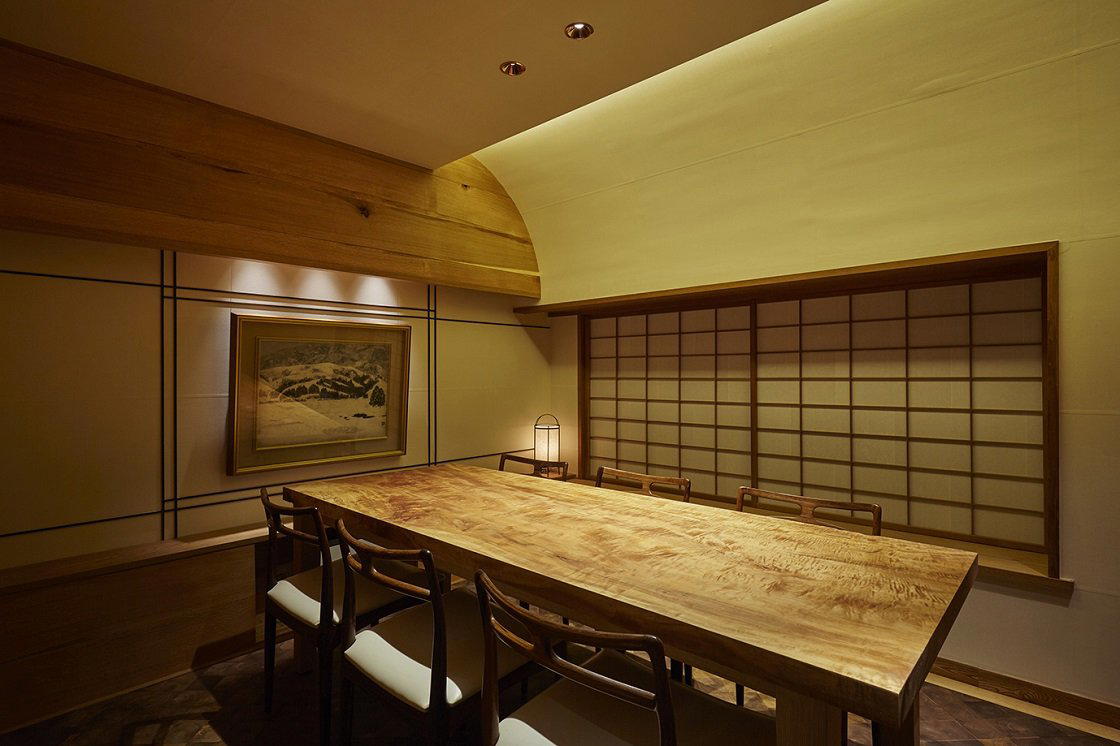

Bars in Nara
All bars in Nara →

Hotels in Nara
All hotels in Nara →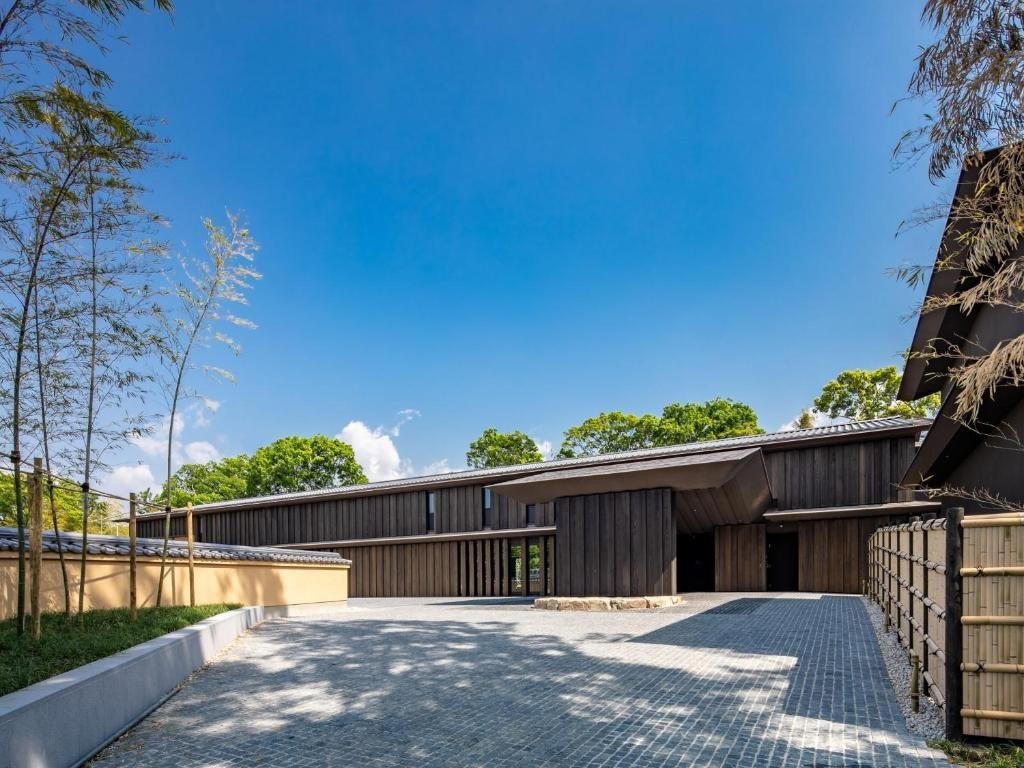
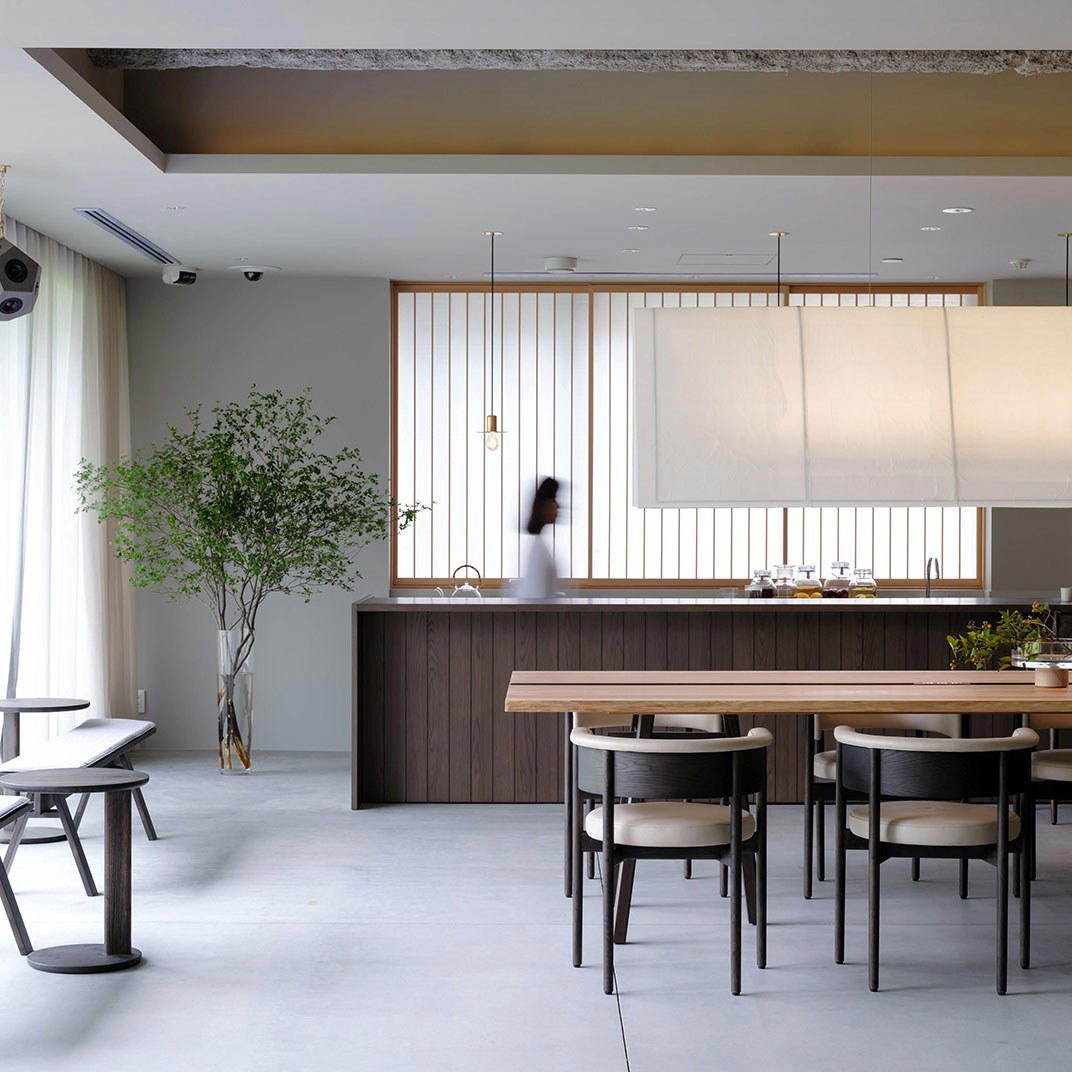
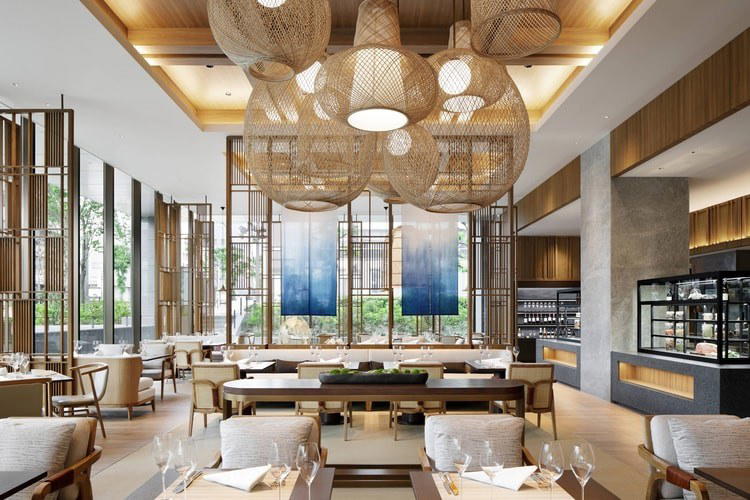
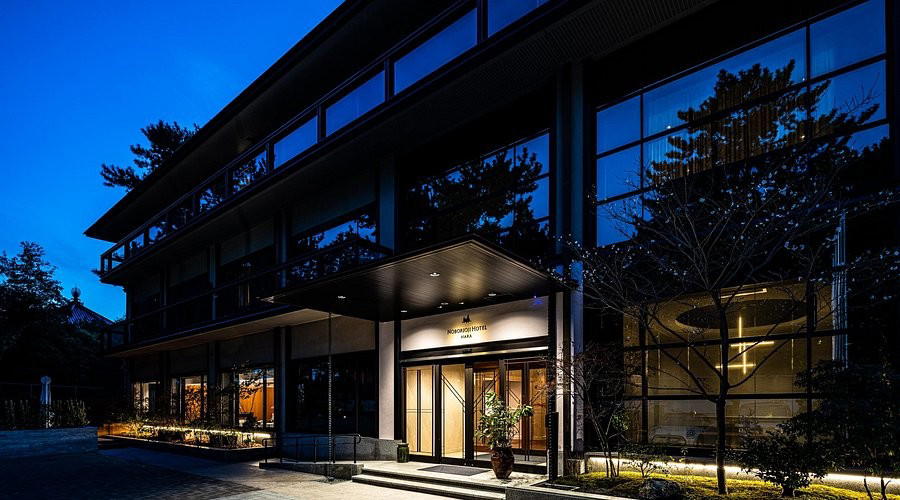
Wineries in Nara
Browse all →
Details
- Rustic
- Elegant
- Intimate
- Quiet
- Scenic
- Special Occasion
- Date Night
- Celebration
- Historic Building
- Open Kitchen
- Private Dining
- Garden
- Standalone
- Farm To Table
- Organic
- Local Sourcing
- Zero Waste
- Garden
- Omakase
- Tasting Menu
- Wine
- Vegetarian Friendly
- Organic Focus
- Allergy Accommodating
Current opening hours
- Monday
- 12–3 PM, 6–10 PM
- Tuesday
- 12–3 PM, 6–10 PM
- Wednesday
- Closed
- Thursday
- Closed
- Friday
- 12–3 PM, 6–10 PM
- Saturday
- 12–3 PM, 6–10 PM
- Sunday
- 12–3 PM, 6–10 PM
Hours can change for holidays and private events. Hours as of .
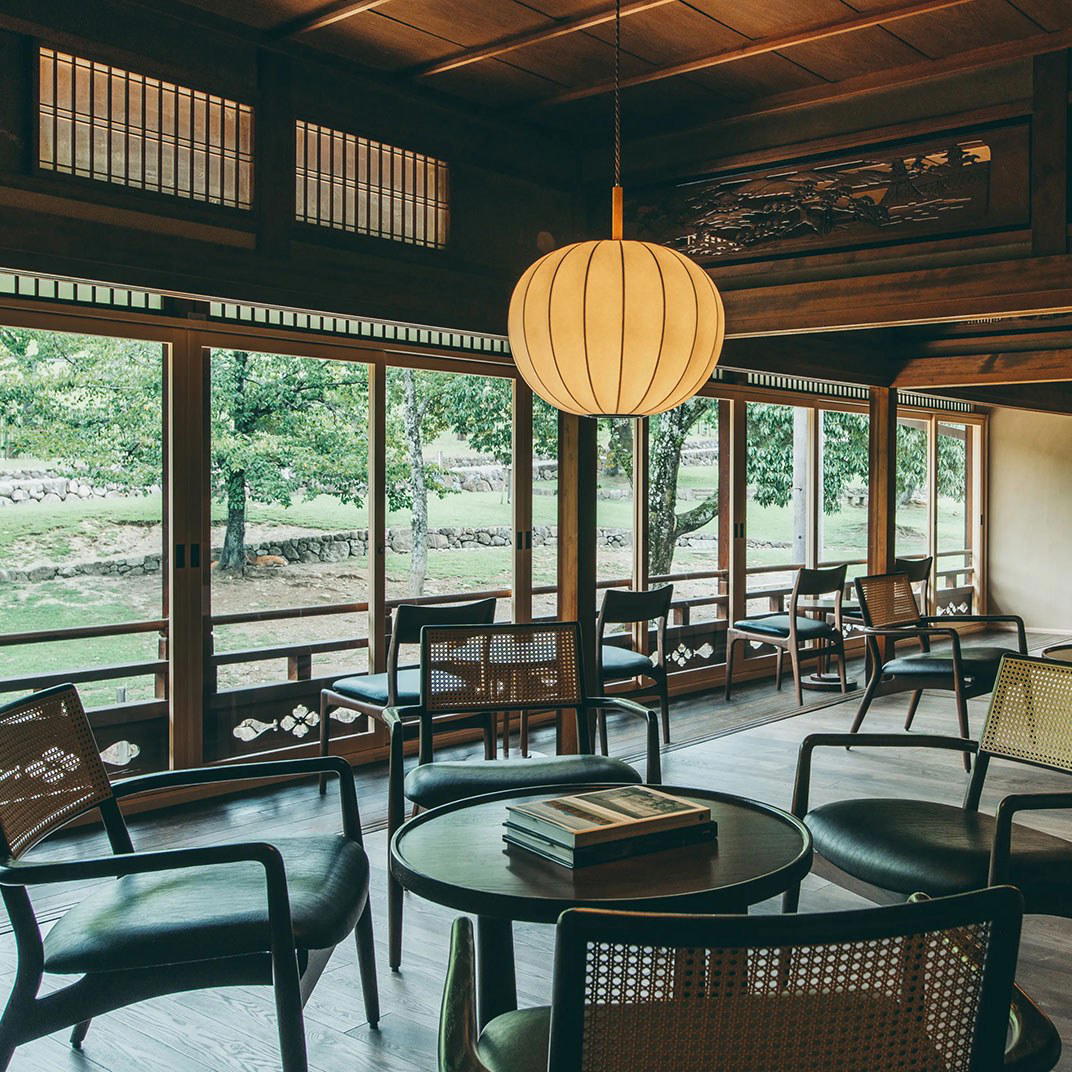
Light, airy, and serene dining room within a historic 100-year-old kominka (traditional Japanese house) surrounded by farmland, creating a peaceful rural atmosphere with rustic wood halls.