
World's 50 Best #85
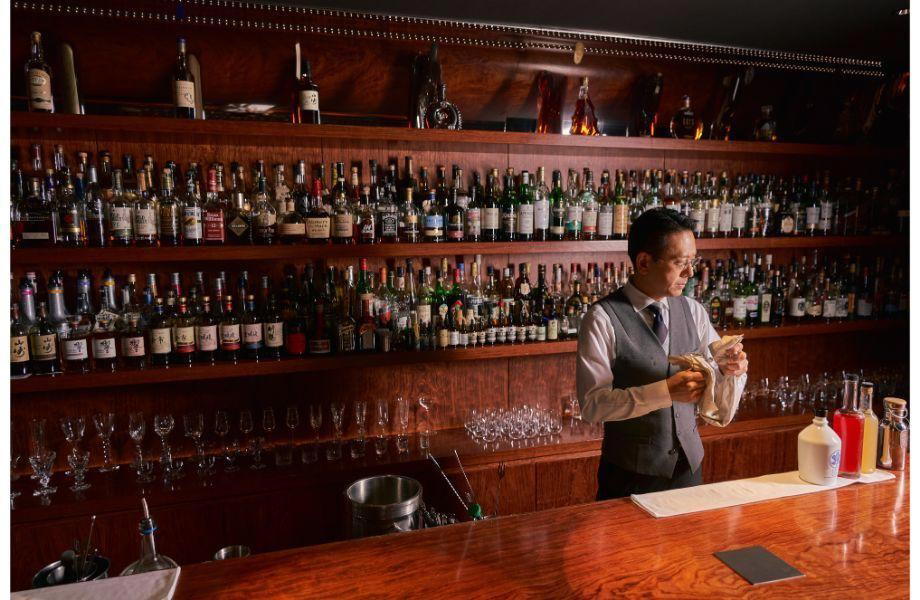
Ranked #85 on Asia's 50 Best Bars 2024, The Sailing Bar operates in Sakurai, a district of Nara that sees only a fraction of the visitor traffic drawn to the city's temples and deer parks. It represents the growing argument that Japan's serious bar culture now extends well beyond Tokyo and Osaka. The back bar is the main event.

Pearl is the En Primeur Club membership app, where members save venues, book tables and use the concierge.
A Serious Bar in an Unlikely Prefecture
Japan's cocktail bar scene has spent the past decade organizing itself along a loose hierarchy: Tokyo commands the international column inches, Osaka and Kyoto fill the secondary tier, and everywhere else is treated as peripheral. The Sailing Bar, positioned in Sakurai within Nara Prefecture, is a direct argument against that geography.
For context on what that ranking means: the Asia's 50 Best Bars list draws from entries across Japan, Singapore, Hong Kong, South Korea, Taiwan, and beyond. Breaking into the top 100 from a secondary Japanese city, without the foot traffic or industry networking advantages of a Tokyo address, requires a program that travels on merit rather than location. The Sailing Bar has done exactly that.
Nara itself is worth understanding as a bar destination. Most visitors arrive on a day trip from Osaka or Kyoto, spend three to four hours with the deer and the Daibutsuden, and return before dinner. That pattern suppresses the late-night hospitality economy, which means the bars that do operate at a serious level here have developed without the commercial pressure of serving transient crowds. The result, in cases like The Sailing Bar, tends toward programs built for depth rather than volume.
The Back Bar as the Bar's Argument
In the editorial framework of Asia's 50 Best Bars, spirits curation carries weight. The panels that contribute to the list assess not just cocktail execution but the intellectual architecture behind a bar's bottle selection: the logic of what's there, what isn't, and what the arrangement implies about how the team thinks. Bars that rank from smaller cities in Japan tend to earn their place through exactly this kind of curation depth, since they can't rely on foot traffic or celebrity adjacency to build a case.
The Sailing Bar's placement in that top 100 signals a back bar that is doing more than decorative work. Japanese bartending culture, inherited from the postwar generation of craftsmen who built the country's classical bar tradition, places enormous emphasis on spirits knowledge. A bartender at this level is expected to understand not just how to use a bottle but where it sits in its category's history, what production variables shaped it, and how it behaves across different serve temperatures and dilution levels. That kind of depth shows up in the back bar before it shows up in the glass.
Within Japan, the comparison set for this kind of curation is instructive. Bar Benfiddich in Tokyo has built an international reputation around a garden-to-glass philosophy and rare herbal spirits. Bee's Knees in Kyoto operates at the intersection of gin focus and Kyoto's precision-hospitality tradition. Bar Nayuta in Osaka represents Osaka's more experimental, ingredient-driven current. The Sailing Bar sits inside this national conversation from Nara, a position that makes its ranking more notable, not less.
Where It Fits in Nara's Bar Scene
Nara's bar scene is compact by the standards of Japan's larger cities, but it punches above its weight at the leading end. Lamp Bar has previously held recognition on the same Asia's 50 Best list, and the two venues together have established Nara as the kind of secondary city that serious bar travelers are beginning to route into itineraries deliberately rather than accidentally. That's a meaningful shift in how the city functions for a certain kind of visitor.
The Sailing Bar's address in Sakurai, in the SHRビル building at 564-3 Kibi, places it slightly outside the central Nara tourist corridor. Sakurai is a quieter district, more residential in character, and the physical remove from the main sightseeing infrastructure is consistent with a bar that seems to have built its audience through word-of-mouth and awards recognition rather than proximity to the deer park foot traffic. For visitors routing through our full Nara restaurants and bars guide, it's worth treating Sakurai as a destination in its own right rather than a detour.
Japan's Regional Bar Movement, and What It Implies
The broader pattern here is worth naming clearly. Japan's cocktail culture is decentralizing. For years, the assumption was that serious bar programs required a Tokyo address to access the critical mass of imported spirits, training lineages, and international press attention. That assumption is breaking down. Venues like Yakoboku in Kumamoto and Le Clos Blanc in Hiroshima are part of the same pattern: bars in smaller cities building programs that earn international recognition on technical and curatorial terms.
Sailing Bar belongs to this cohort. Its 2024 Asia's 50 Best ranking is not an anomaly from an overlooked corner of Japan; it's evidence of a structural shift in how the country's bar culture is organized and where the interesting work is happening. Travelers who have been tracking this trend have been adding secondary Japanese cities to their itineraries for exactly this reason. A focused two-day trip from Osaka or Kyoto, combining Nara's temple circuit with an evening at The Sailing Bar, has become a recognizable format among a certain kind of visitor.
For comparison across the region, bars that operate in similar positions, away from the major metropolitan centers but recognized at the international level, include anchovy butter in Osaka Shi, Kyoto Tower Sando, and further afield, Bar Leather Apron in Honolulu, which has built a serious spirits program far outside the traditional bar capitals. The Sailing Bar's model is not unusual in that international frame; it's simply the Nara instance of a form that's appearing across the Asia-Pacific region.
Planning a Visit
The bar is located in Sakurai, Nara Prefecture, at 564-3 Kibi in the SHRビル building. Given the bar's scale of recognition and the relatively small size that characterizes this tier of Japanese bar operation, walk-ins may be possible on quieter weekday evenings, but the 2024 Asia's 50 Best placement will have increased demand significantly. Arriving early in the evening, before the bar reaches capacity, is the more reliable approach. For broader Nara trip logistics including other bars, restaurants, and neighborhoods, the EP Club Nara city guide covers the full picture. Visitors also combining this with time in Sapporo or Yokohama should note JR Tower Hotel Nikko Sapporo and Cucina Takemura in Yokohama as further reference points for the kind of regional bar and hospitality culture Japan is producing outside its two main metros.
Cost Snapshot
Comparable venues nearby, for context on price, style, and recognition.
| Venue | Price | Awards | Notes |
|---|---|---|---|
| The Sailing BarThis venue (the venue you are viewing) | $50–100 | World's 50 Best #85 | Not listed |
| Lamp Bar | $50–100 | World's 50 Best #94 · Top 500 Bars Best Bars #392 | Nara, cocktail_bar |
Recognition history
Dated appearances from independent guides and award organizations, with the underlying list record or original source where available.
World's 50 Best Asia's Best Bars #85
World's 50 Best
Continue exploring
More in Nara
Bars in Nara
All bars in Nara →


Restaurants in Nara
All restaurants in Nara →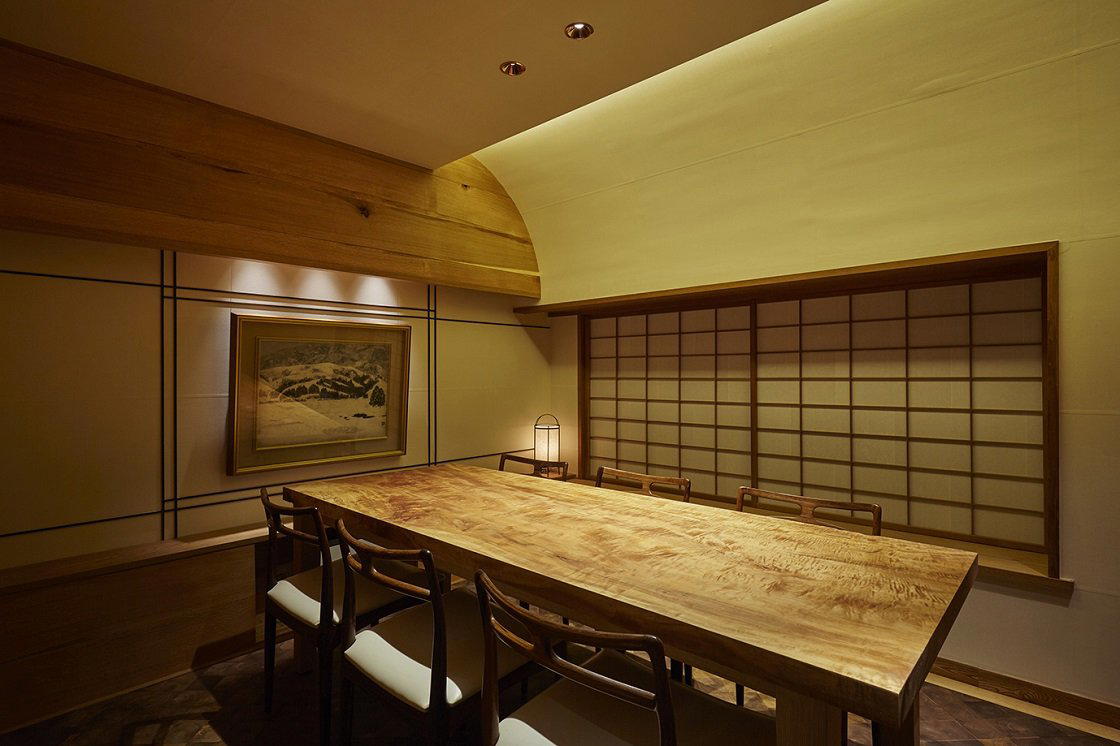

Hotels in Nara
All hotels in Nara →

Wineries in Nara
Browse all →
Details
- Sophisticated
- Cozy
- Elegant
- Intimate
- Date Night
- Special Occasion
- Design Destination
- Counter Only
- Booth Seating
- Private Rooms
- Craft Cocktails
- Whiskey
- Sake
Dimly lit, stylish and relaxing space with nautical theme, counter and sofa seating fostering an elegant, high-end atmosphere.