
Michelin Plate
Our verdict
A Michelin Plate-recognised Italian restaurant in Nara's Shibatsujicho district, BANCHETTI occupies a quieter corner of Japan's kansai dining circuit where European technique meets the prefecture's exceptional agricultural heritage.

Pearl is the En Primeur Club membership app, where members save venues, book tables and use the concierge.
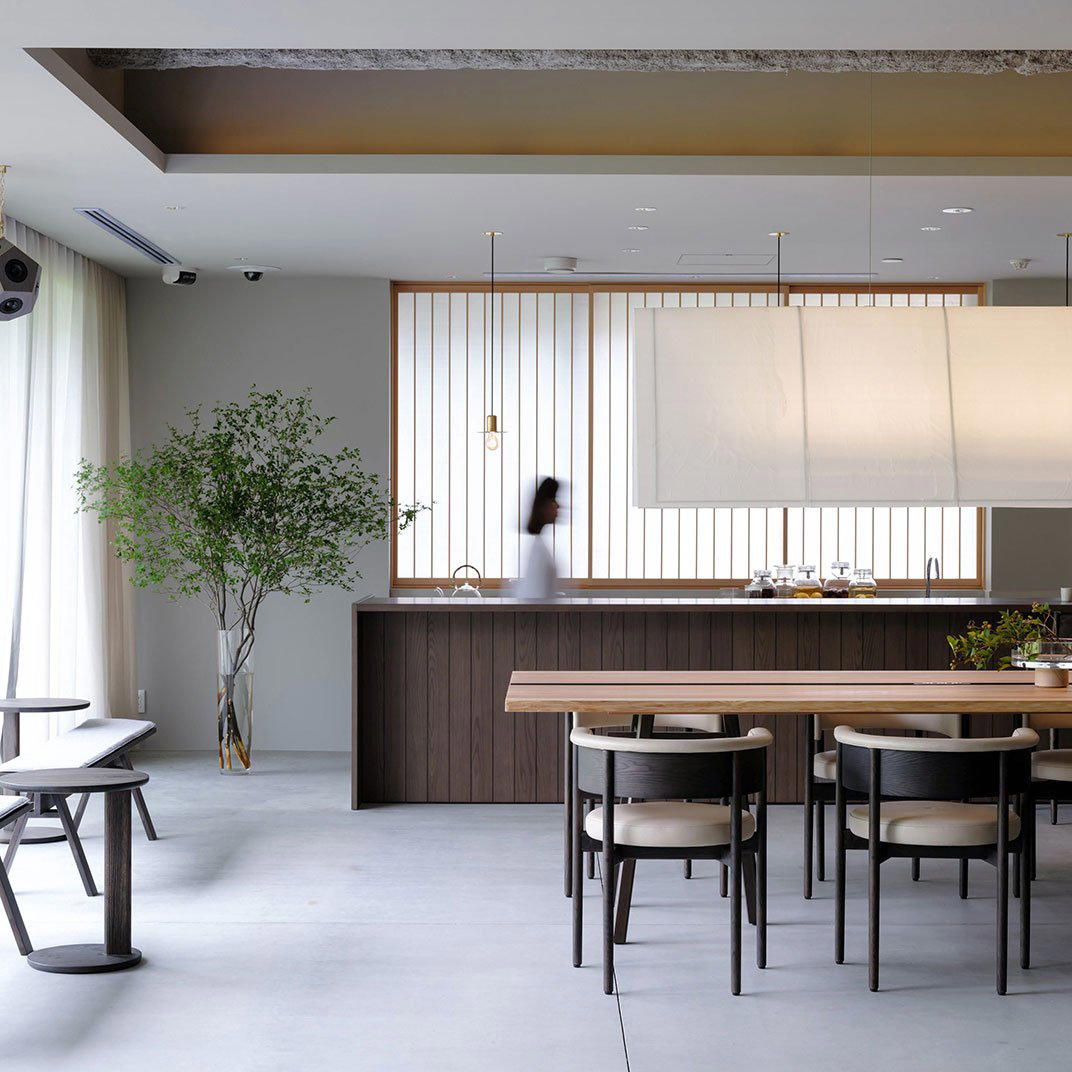
Italian Cooking in a City That Grows Its Own Ingredients
There is a particular logic to Italian cooking taking root in Nara. The prefecture sits at the centre of one of Japan's oldest agricultural belts, producing rice, persimmons, and mountain vegetables that have fed the Kinki region for centuries. Italian cuisine, at its most disciplined, is a produce-first tradition: the quality of the olive oil, the sweetness of the tomato, the fat of the pork determine what ends up on the plate far more than any technical flourish. Nara, with its cool highland zones and deeply embedded farming culture, offers the kind of primary ingredients that make that logic work. BANCHETTI, operating at the ¥¥¥ price tier on a quiet residential stretch of Shibatsujicho, sits at this intersection.
The street itself is worth noting. Shibatsujicho is not Nara's tourist corridor, not the processional path toward Todai-ji or the deer-park lanes that fill by mid-morning with visitors. This is an older, quieter residential address where the dining is aimed at locals who know what they are looking for. Arriving here requires intent, which already separates the room's clientele from the casual tourist circuits that define the city's more prominent eating zones.
Where BANCHETTI Sits in Nara's Italian Dining Tier
Nara has developed a credible cluster of European-influenced restaurants over the past decade, several operating at the ¥¥¥ bracket alongside BANCHETTI. Da terra and Lega' represent the Italian thread in this cluster, while Camino and cucina regionale YANAGAWA approach European frameworks from different regional angles. KOMFORTA extends the picture further. What distinguishes this tier collectively is a shared orientation toward sourcing: these are kitchens that use Nara's agricultural output as an active argument rather than a decorative footnote on the menu.
BANCHETTI holds consecutive Michelin Plate recognition for 2024 and 2025, a designation that signals consistent cooking quality without the starred-restaurant price escalation. In Michelin's hierarchy, the Plate indicates food worth noting: technically sound, ingredient-driven, and coherent in its concept. Within Nara's broader Michelin picture, which includes two-starred properties like NARA NIKON and akordu operating at the same ¥¥¥ tier, the Plate positions BANCHETTI as a serious but approachable entry point into the city's recognised dining circuit.
The Sourcing Argument at the Centre of the Plate
Italian cooking transplanted to Japan faces an immediate question of ingredient fidelity. Classic Italian technique depends on produce with specific regional identities: San Marzano tomatoes, Parmigiano aged under strict DOP rules, Ligurian olive oils with controlled acidity profiles. Kitchens that work in Japan have two options: import faithfully and price accordingly, or adapt intelligently, substituting Japanese regional produce where it can carry the same structural role in a dish. The most interesting Italian restaurants in the country tend toward the latter. cenci in Kyoto has built a reputation on exactly this approach, threading Kyoto vegetables through Italian formats with enough discipline that the result reads as its own cuisine rather than a compromise. 8½ Otto e Mezzo Bombana in Hong Kong takes the opposing position, maintaining Italian ingredient orthodoxy at significant cost and price.
BANCHETTI's placement in Nara points toward the adaptive approach. The prefecture's yamato vegetables, a protected category of traditional cultivars including round eggplants, flat beans, and winter squashes, are among the most culinarily distinctive in the Kansai region and are actively promoted through local government agricultural initiatives. A kitchen operating at this price point, in this city, with consecutive Michelin recognition would be expected to treat these ingredients as the core of the plate rather than garnish.
Reading Nara's Restaurant Scene Through a Regional Lens
Nara is often positioned in relation to Kyoto and Osaka rather than on its own terms. That framing undersells what the city has developed in its own right. The Kansai region's fine dining circuit runs through all three cities, and Nara increasingly functions as the quieter, more intimate tier of that circuit rather than its adjunct. HAJIME in Osaka, Gion Sasaki in Kyoto, and Nara's own starred properties represent different registers of the same broader Kansai culinary seriousness. BANCHETTI, at the Plate tier, is part of that fabric at a register accessible without a three-month advance reservation or a ¥¥¥¥ commitment.
For context across Japan's Italian dining scene more broadly, the comparison set extends further. Harutaka in Tokyo, Goh in Fukuoka, 1000 in Yokohama, and 6 in Okinawa each represent the diversity of serious cooking operating below the starred tier in Japanese cities. What connects them, and what BANCHETTI shares, is the Michelin framework's acknowledgment that quality eating in Japan is not concentrated only in its two- and three-starred rooms.
Planning a Visit
BANCHETTI operates at 4 Chome-6-14 Shibatsujicho in central Nara, a walkable distance from Kintetsu Nara Station for those arriving by train from Osaka or Kyoto. The ¥¥¥ pricing aligns with the mid-to-upper range of Nara's restaurant market, placing a meal here below the starred kaiseki rooms but above the city's casual Italian offer. Booking in advance is advisable for a room of this recognition level, particularly on weekends when the Nara day-trip circuit from Osaka and Kyoto adds pressure to the city's better tables. For a broader map of the city's dining options, our full Nara restaurants guide covers the range from kaiseki to contemporary European. Those building a longer Nara itinerary can also reference our full Nara hotels guide, our full Nara bars guide, our full Nara wineries guide, and our full Nara experiences guide for a complete picture of what the city offers across categories.
Frequently asked questions
Where is BANCHETTI in Nara?
BANCHETTI is located at 4 Chome-6-14 Shibatsujicho, Nara, 630-8114, Japan, Nara.
Cuisine-First Comparison
A quick peer check to anchor this venue’s price and recognition.
| Venue | Cuisine | Price | Awards | Notes |
|---|---|---|---|---|
| BANCHETTIThis venue (the venue you are viewing) | Italian with Japanese Fusion | $30–50 | Michelin Plate | Not listed |
| akordu | Modern Spanish with Nara Influences | $150–200 | 2 Michelin Stars · La Liste Top Restaurants | Spanish, Innovative |
| Wa Yamamura | Traditional Kaiseki | $100–150 | 1 Michelin Star | Kaiseki, Japanese |
| Araki | Seasonal Japanese Tempura and Kaiseki | $100–150 | Michelin Plate · Tabelog Bronze #23 | Sushi, Japanese |
| Tama | French with Local Nara Ingredients | $50–100 | Michelin Plate | Okinawan, French |
| NARA NIKON | Kaiseki | $150–200 | 2 Michelin Stars · La Liste Top Restaurants | Japanese |
Recognition history
Dated appearances from independent guides and award organizations, with the underlying list record or original source where available.
Michelin Plate
Michelin
Full recognition history (2 entries)
Michelin Plate
Michelin
Continue exploring
More in Nara
Restaurants in Nara
All restaurants in Nara →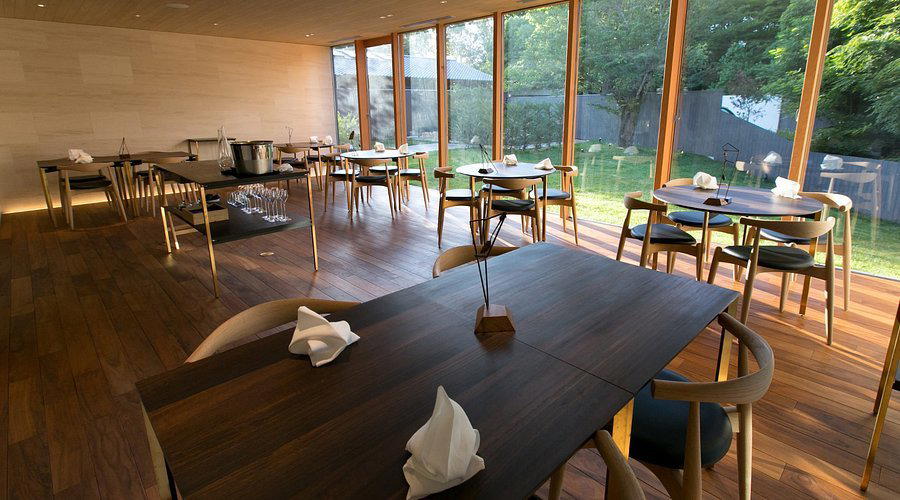
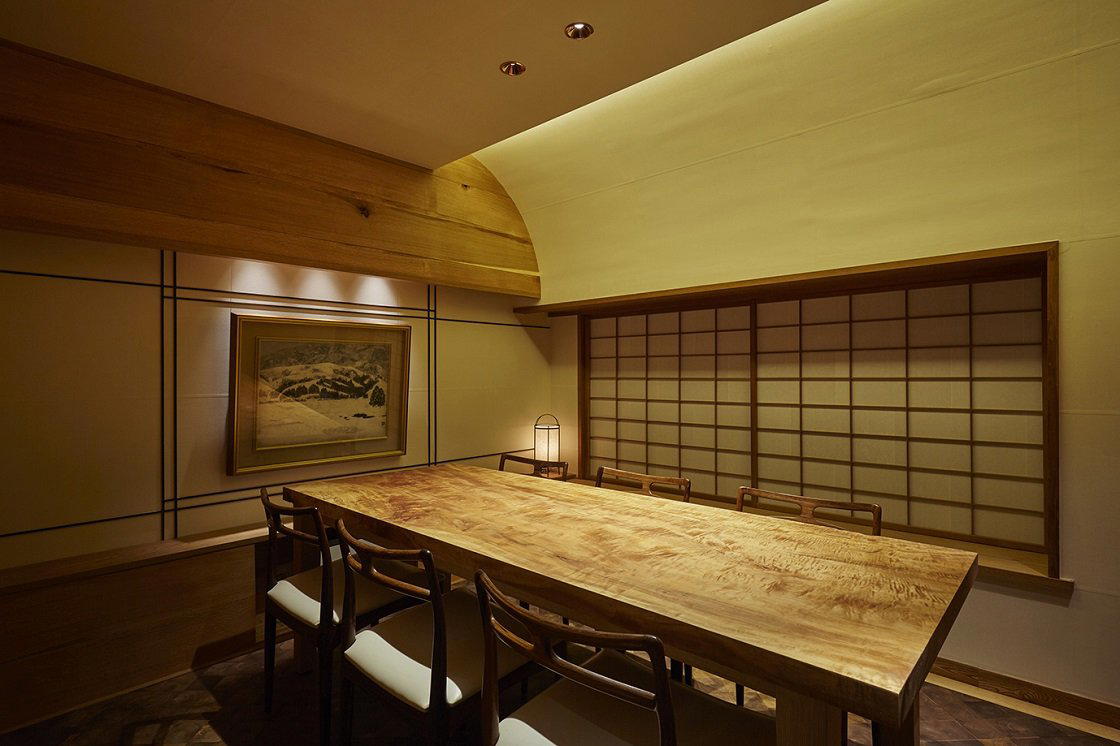
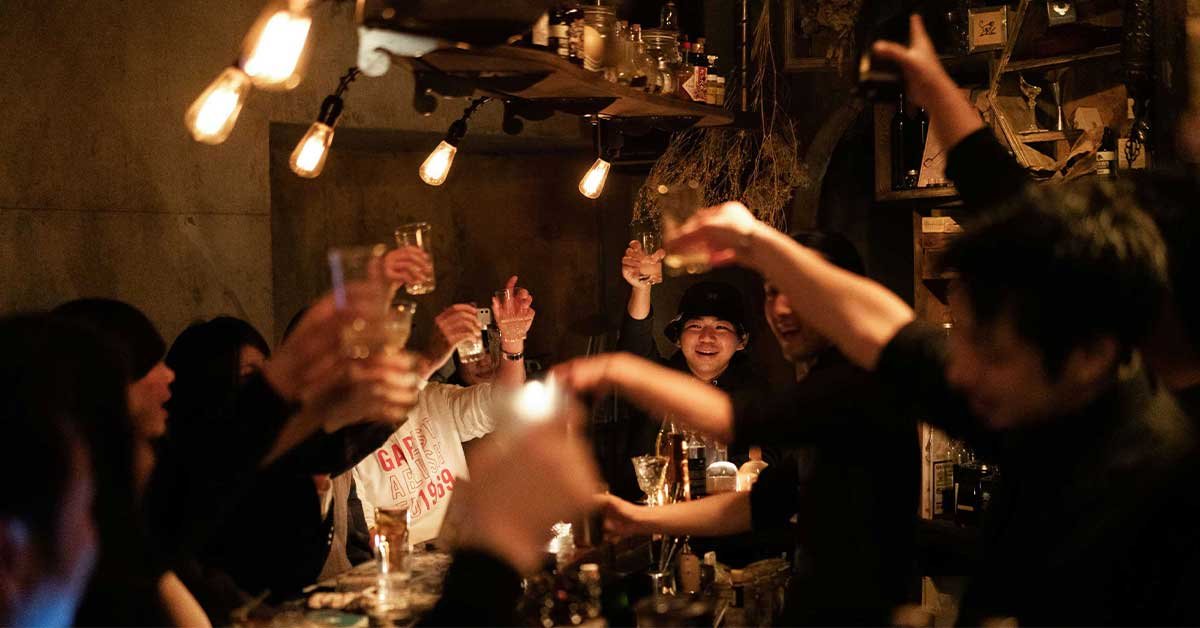
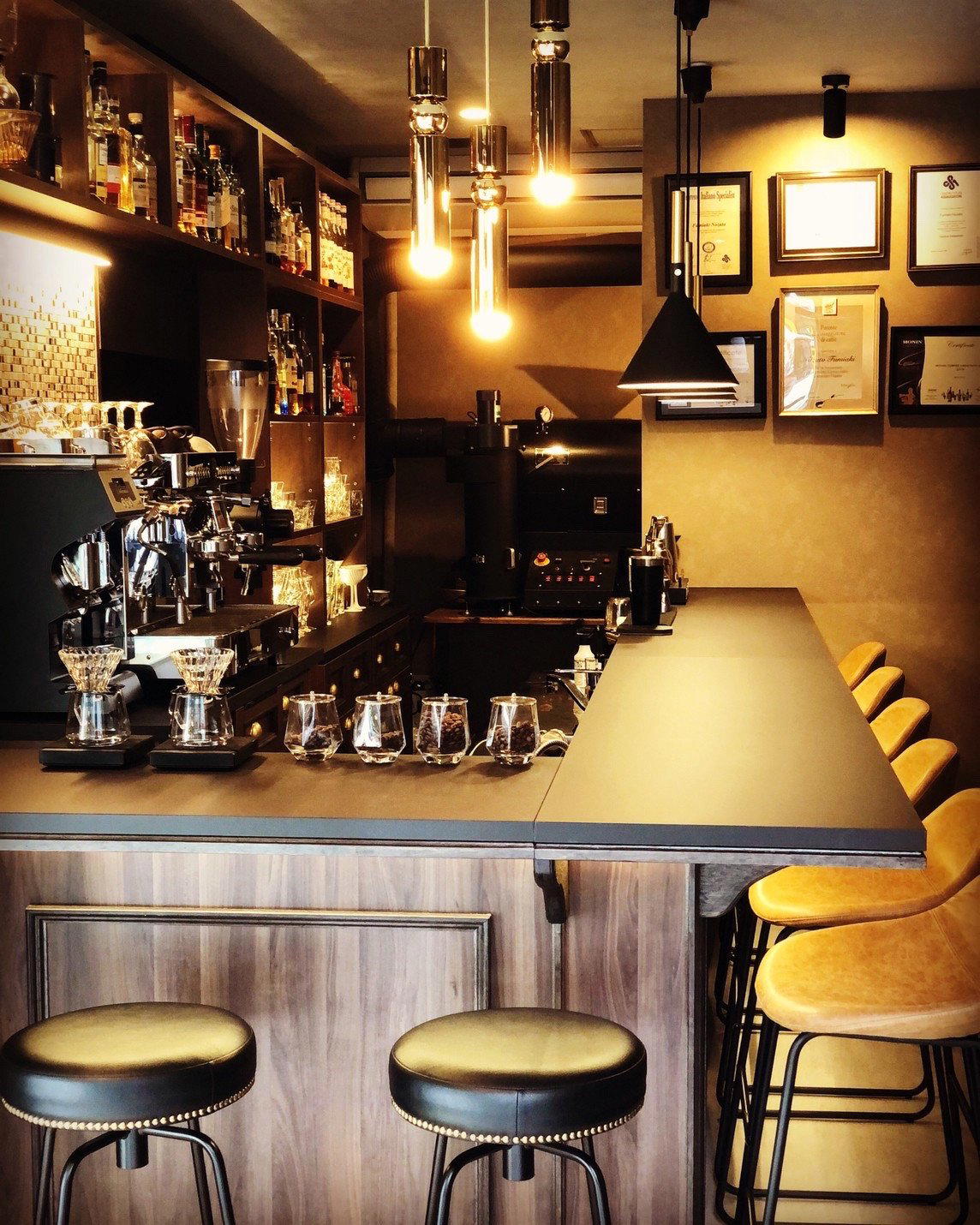
Bars in Nara
All bars in Nara →
Hotels in Nara
All hotels in Nara →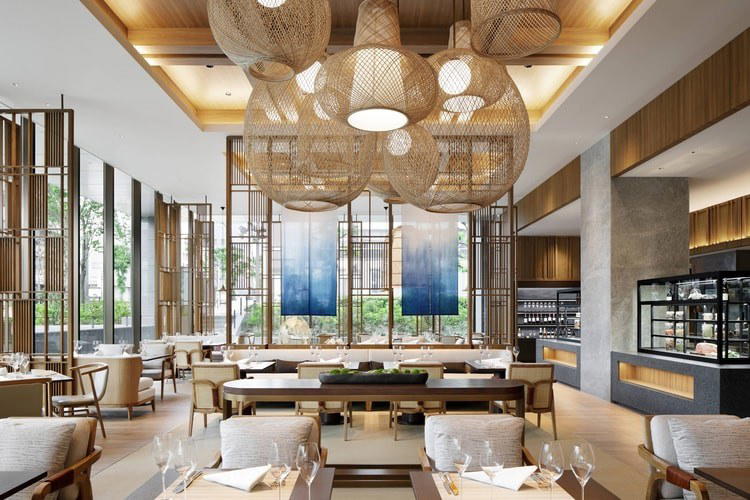

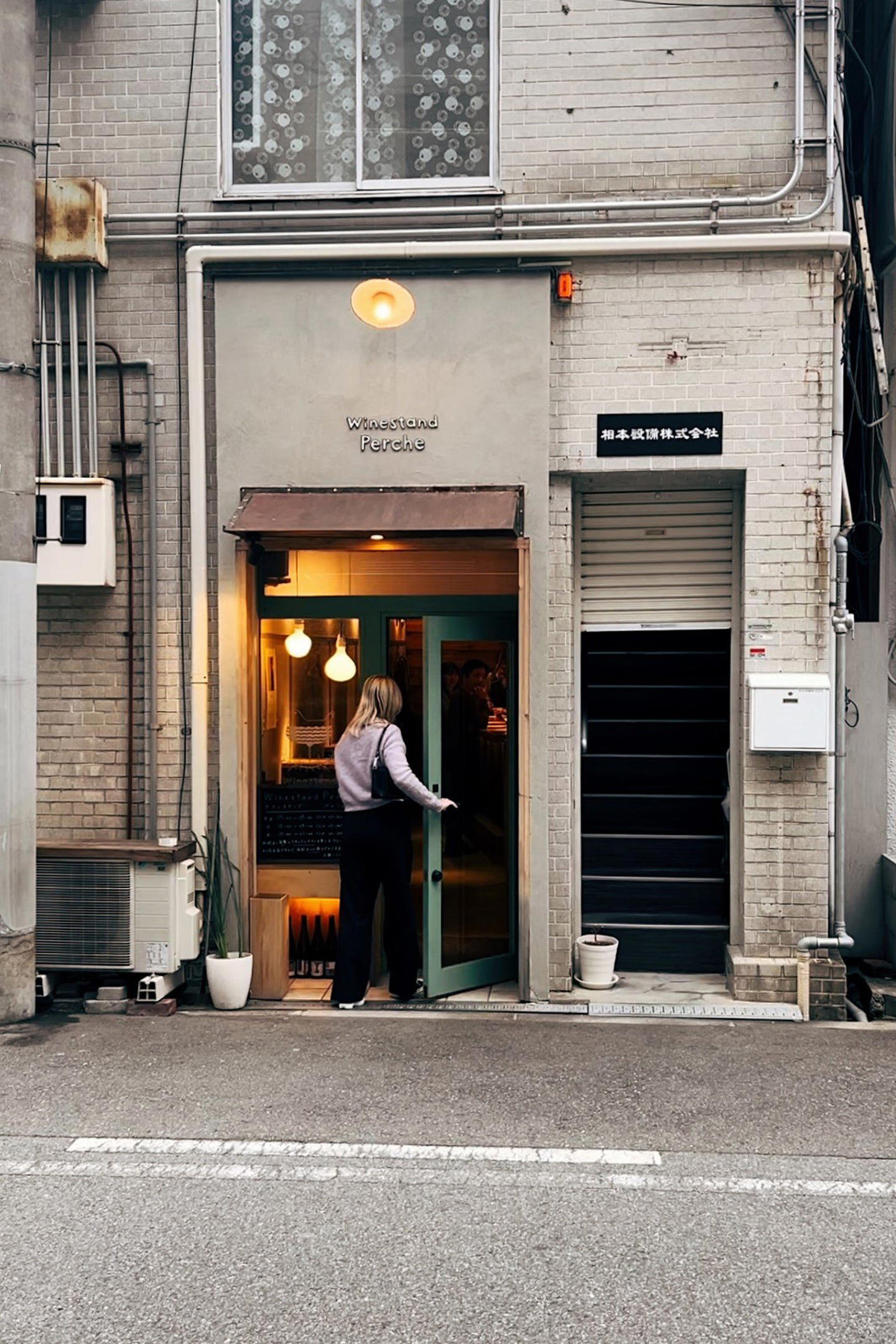
Wineries in Nara
Browse all →
Details
- Intimate
- Cozy
- Elegant
- Modern
- Sophisticated
- Date Night
- Special Occasion
- Chefs Counter
- Open Kitchen
- Sake Program
- Extensive Wine List
- Local Sourcing
- Counter Dining
- A La Carte
- Wine
- Vegetarian Friendly
Current opening hours
- Monday
- 12–3 PM, 5:30–11 PM
- Tuesday
- 12–3 PM, 5:30–11 PM
- Wednesday
- 12–3 PM, 5:30–11 PM
- Thursday
- 12–3 PM, 5:30–11 PM
- Friday
- 12–3 PM, 5:30–11 PM
- Saturday
- 12–3 PM, 5:30–11 PM
- Sunday
- Closed
Hours can change for holidays and private events. Hours as of .
Modern design with luxurious wooden accents and just the right lighting for a relaxed, comfortable atmosphere.