








8½ Otto e Mezzo Bombana is an Italian restaurant in Central, Hong Kong.
Pearl is the En Primeur Club membership app — saves, bookings, and concierge access live there. Same editors, same standards.
- Address
- Shop 202, 18 Chater Rd, Central, Hong Kong
- Phone
- +852 2537 8859
- Website
- ottoemezzobombana.com
- Directions
- Get directions
 Saves & bookings on Pearl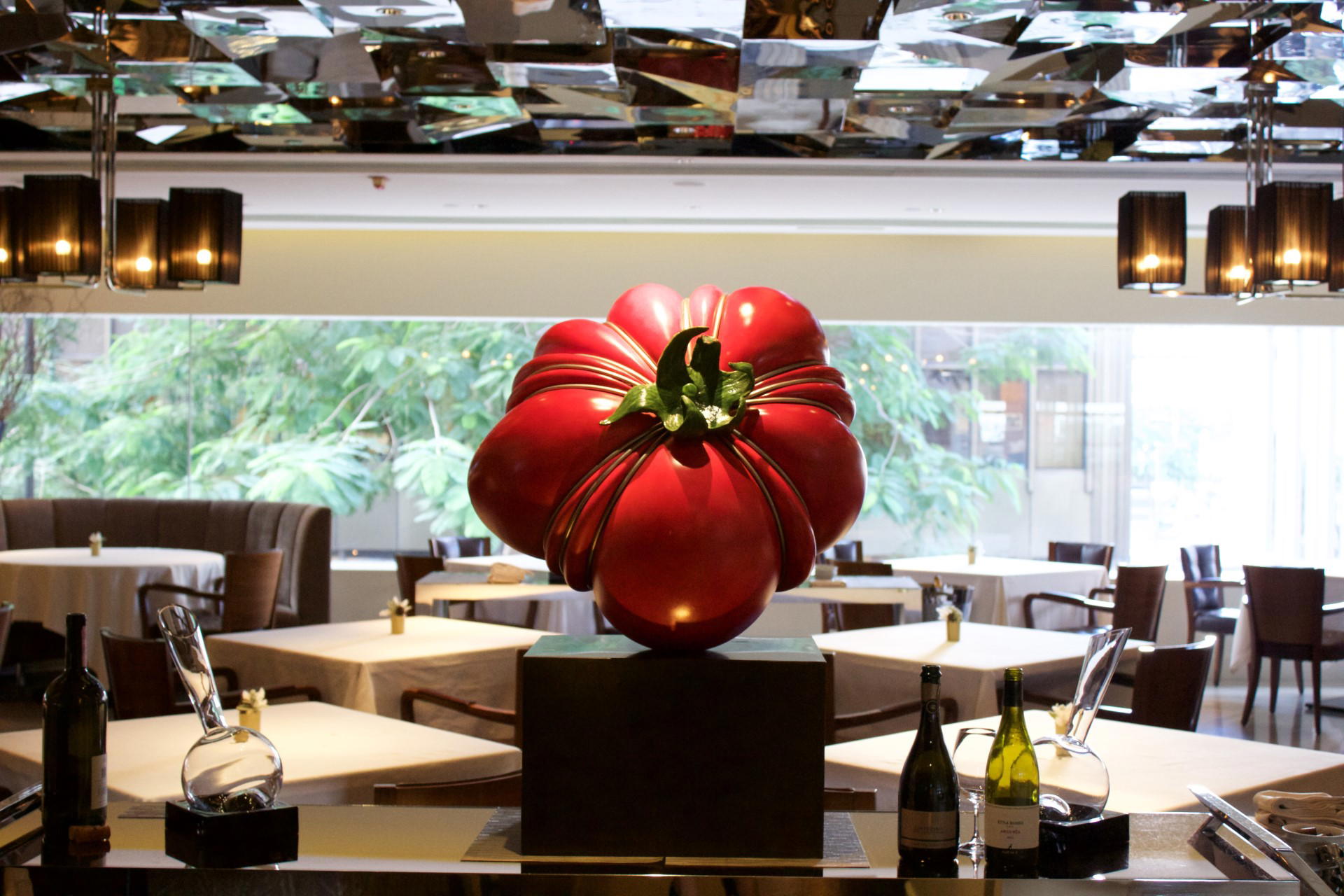
8 1/2 Otto e Mezzo Bombana (Hong Kong) is an Italian restaurant in Hong Kong from Umberto Bombana. The verified listing places it in the $$$$ price tier, with business casual dress and service listed Monday through Saturday for lunch and dinner, with Sunday closed.
Within Hong Kong dining, it is best described from the confirmed facts: Italian cuisine, Umberto Bombana's name, a high price tier and business casual dress. Comparisons can be made naturally with other serious dining rooms such as Sushi Shikon, or with Italian peers including Octavium, Tosca di Angelo and Tuber Umberto Bombana, but the specific appeal here should not be reduced to unverified claims about dishes, cellar size or awards.
Italian dining in Hong Kong at the $$$$ level
The verified cuisine is Italian, and the restaurant is associated with chef-owner Umberto Bombana. Beyond that, the public-facing details available here do not confirm a specific regional menu, signature dish, tasting-menu format or ingredient focus. The safest way to frame the restaurant is as a high-end Italian address in Hong Kong rather than as a venue defined by any one unverified specialty.
That distinction matters for planning. Some Hong Kong Italian restaurants are casual, while others are built for more considered occasions. 8 1/2 Otto e Mezzo Bombana (Hong Kong) sits in the expensive, business-casual category, so diners should treat it as a planned booking rather than a drop-in meal.
The verified chef-owner is Umberto Bombana, and the restaurant's name is noted as a reference to one of his favourite Fellini films. The available recognition text also describes the restaurant as having Italian charm and passion, but it does not provide enough confirmed detail here to support specific award counts, scores or ranking years.
What the verified listing does and does not confirm
unverified specifics about seasonal ingredients, individual dishes, wine-list size or bottle depth should not be treated as confirmed. What is verified is broader but still useful: this is an Italian restaurant in Hong Kong at the $$$$ price level, led by Umberto Bombana and listed with business casual dress.
That makes it relevant for diners who want a polished Italian meal in Hong Kong, especially when the occasion calls for a higher-end setting. If drinks, seasonal ingredients or particular menu formats matter to a booking, those details should be checked directly with the restaurant before planning around them.
The verified notes include that the restaurant is temporarily closed, while the listing also provides regular hours from Monday through Saturday. Because those details can change, diners should confirm current opening status before making plans.
For comparison, Octavium and Tosca di Angelo sit in the broader Italian fine-dining conversation in Hong Kong, while Tuber Umberto Bombana narrows the focus to another Bombana-associated name. Don Alfonso 1890 points to a different Italian lineage. The useful question is which style of Italian dining best fits the occasion.
How to place it in a Hong Kong dining itinerary
This is not best framed as a loose, casual booking. The $$$$ price tier, business casual dress code and Italian cuisine make it more suitable for a planned meal or special occasion. The verified hours list lunch and dinner service Monday through Saturday, with Sunday closed.
Travelers building a food-first Hong Kong itinerary can place 8 1/2 Otto e Mezzo Bombana (Hong Kong) among the city's more formal restaurant options, then plan the rest of their schedule around confirmed opening status. Since specific service details can change, it is sensible to confirm current hours and opening status before booking.
Within a Hong Kong dining plan, the restaurant's confirmed identity is clear enough: Italian cuisine, Umberto Bombana, $$$$ pricing and business casual dress. For broader comparison, the restaurant, Octavium, Tosca di Angelo, Tuber Umberto Bombana, Don Alfonso 1890 and Sushi Shikon each serve different dining needs, from Italian cooking to other forms of high-end restaurant planning.
A Quick Peer Check
Side-by-side context: comparable cuisine and price.
| Venue | Cuisine | Price | Awards |
|---|---|---|---|
| 8 1/2 Otto e Mezzo Bombana (Hong Kong)This venue — the venue you are viewing | Italian | $$$$ | This venue |
| Sushi Shikon | Sushi | $$$$ | Sushi, $$$$ |
| Octavium | Italian | $$$$ | Italian, $$$$ |
| Tosca di Angelo | Italian | $$$ | Italian, $$$ |
| Tuber Umberto Bombana | Italian | $$$$ | Italian, $$$$ |
| Don Alfonso 1890 | Italian | $$$ | Italian, $$$ |
Recognition history
Dated appearances from independent guides and award organizations, with the underlying list record or original source where available.
Black Pearl 2 Diamond
Black Pearl
Gambero Rosso 3 Forchette
Gambero Rosso
Les Grandes Tables du Monde Member
Les Grandes Tables du Monde
Michelin 3 Stars
Michelin
Opinionated About Dining Top Restaurants in Asia Ranked #102
Opinionated About Dining
SCMP 100 Top Tables Restaurants
SCMP 100 Top Tables
Star Wine List
Star Wine List
Wine Spectator Best of Award of Excellence
Wine Spectator
Black Pearl 2 Diamond
Black Pearl
La Liste Top Restaurants
La Liste
Michelin 3 Stars
Michelin
Wine Spectator Best of Award of Excellence
Wine Spectator
World's 50 Best Asia's Best Restaurants #94
World's 50 Best
Michelin 3 Stars
Michelin
Opinionated About Dining Top Restaurants in Asia Ranked #74
Opinionated About Dining
Opinionated About Dining Top Restaurants in Asia Ranked #88
Opinionated About Dining
World's Best Wine Lists Awards WBWL Category Winner
World's Best Wine Lists Awards
World's Best Wine Lists Awards WBWL 3-Star
World's Best Wine Lists Awards
World's 50 Best Asia's Best Bars #28
World's 50 Best
World's 50 Best Asia's Best Bars #38
World's 50 Best
World's 50 Best Asia's Best Bars #24
World's 50 Best
World's 50 Best Asia's Best Bars #26
World's 50 Best
World's 50 Best Best Restaurants #39
World's 50 Best
Continue exploring
More in Hong Kong
Restaurants in Hong Kong
Browse all →
Bars in Hong Kong
Browse all →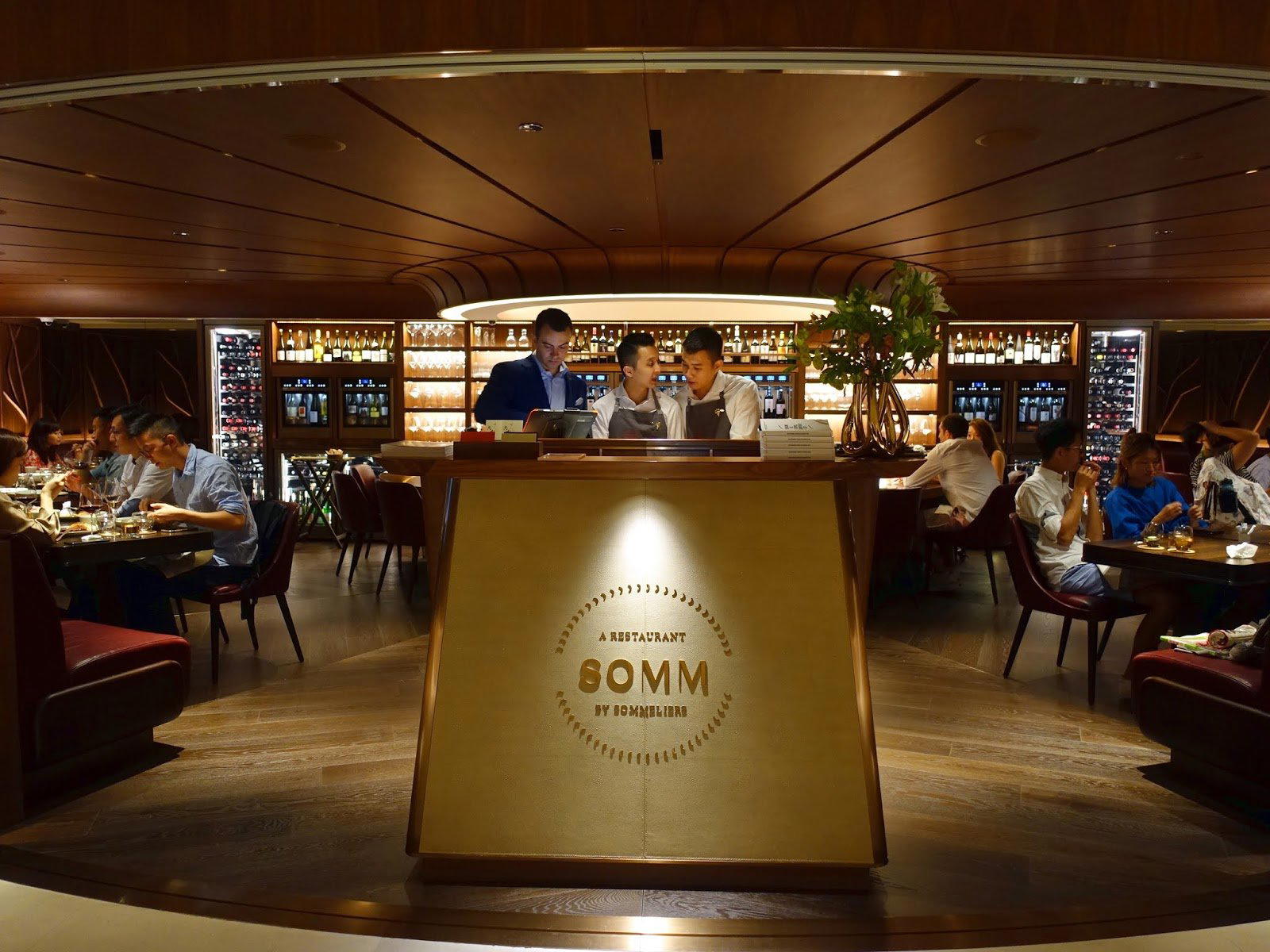
At a Glance
- Elegant
- Sophisticated
- Intimate
- Classic
- Date Night
- Special Occasion
- Business Dinner
- Private Dining
- Wine Cellar
- Extensive Wine List
- Street Scene
Current opening hours
- Monday
- 12–2:30 PM, 6:30 PM–12 AM
- Tuesday
- 12–2:30 PM, 6:30 PM–12 AM
- Wednesday
- 12–2:30 PM, 6:30 PM–12 AM
- Thursday
- 12–2:30 PM, 6:30 PM–12 AM
- Friday
- 12–2:30 PM, 6:30 PM–12 AM
- Saturday
- 12–2:30 PM, 6:30 PM–12 AM
- Sunday
- Closed
Hours can change for holidays and private events. Last verified .
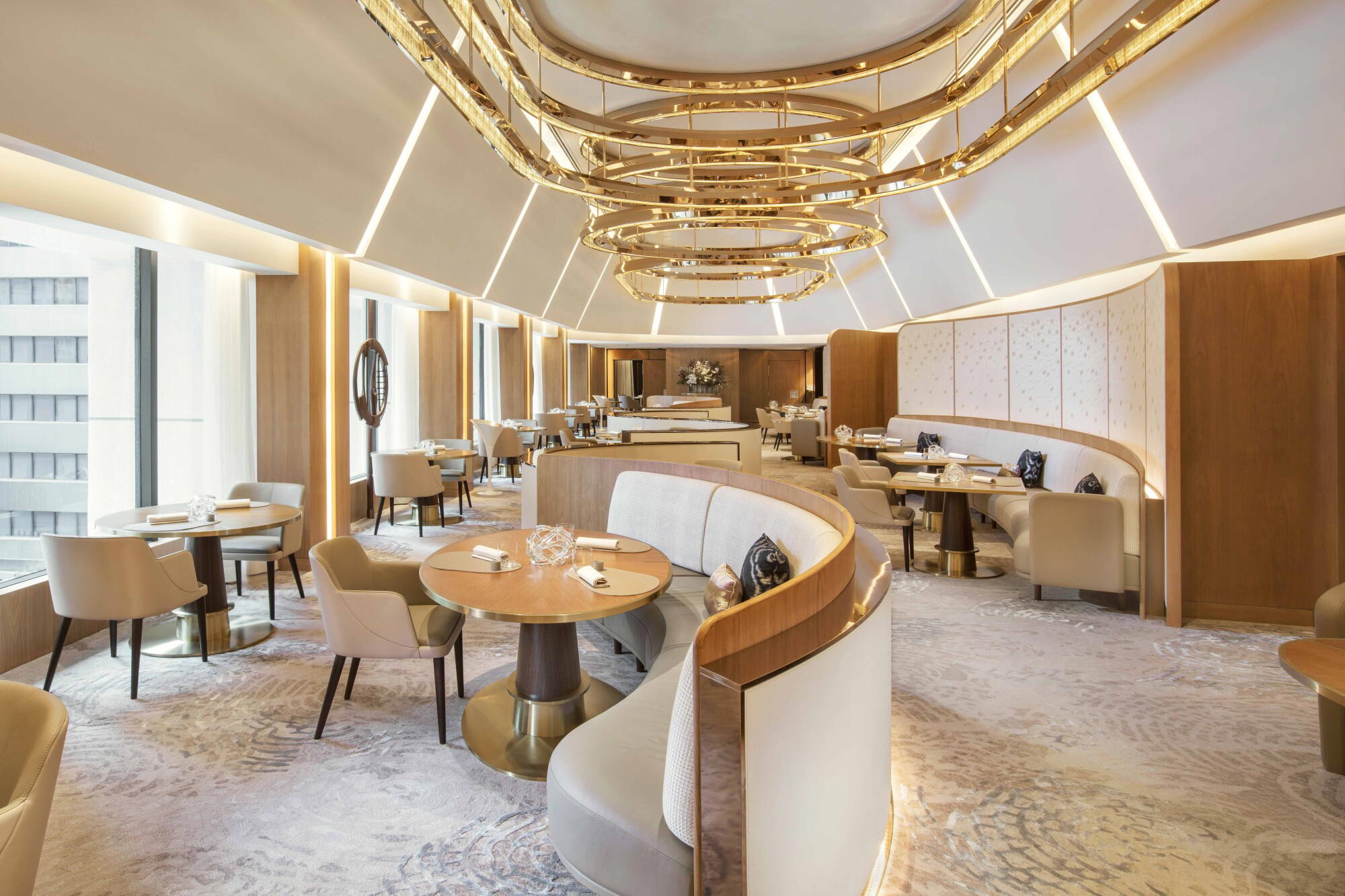
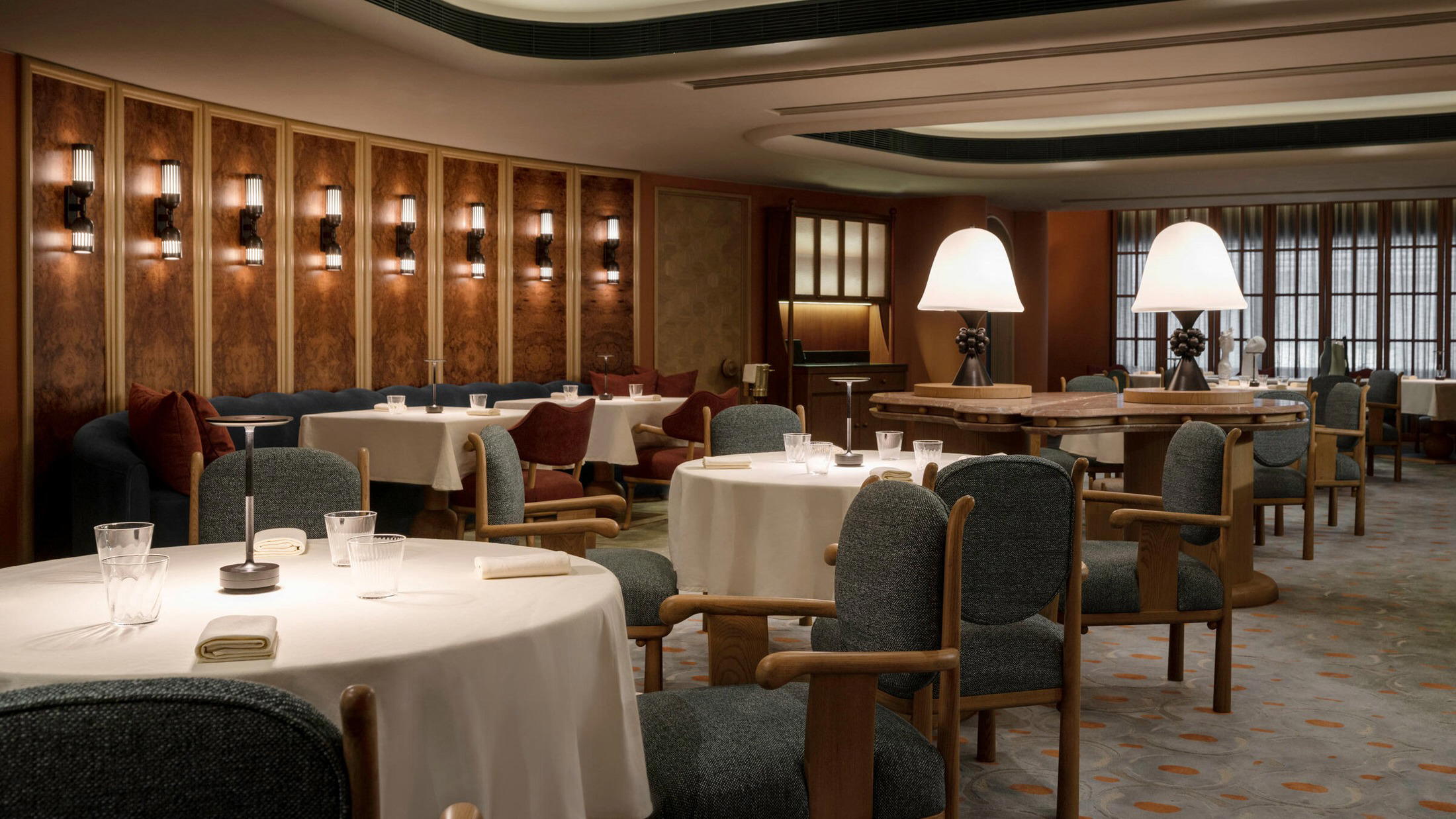
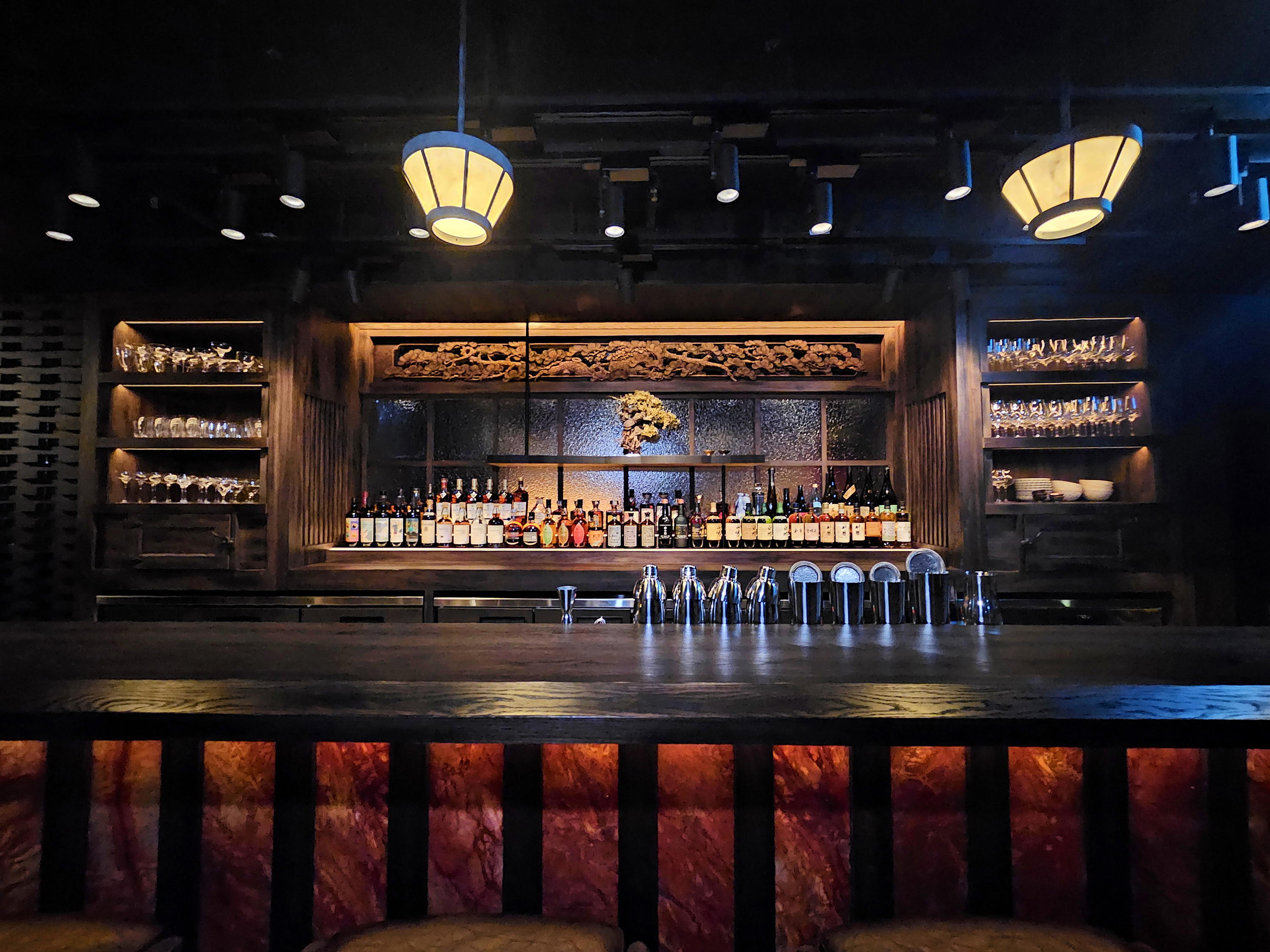
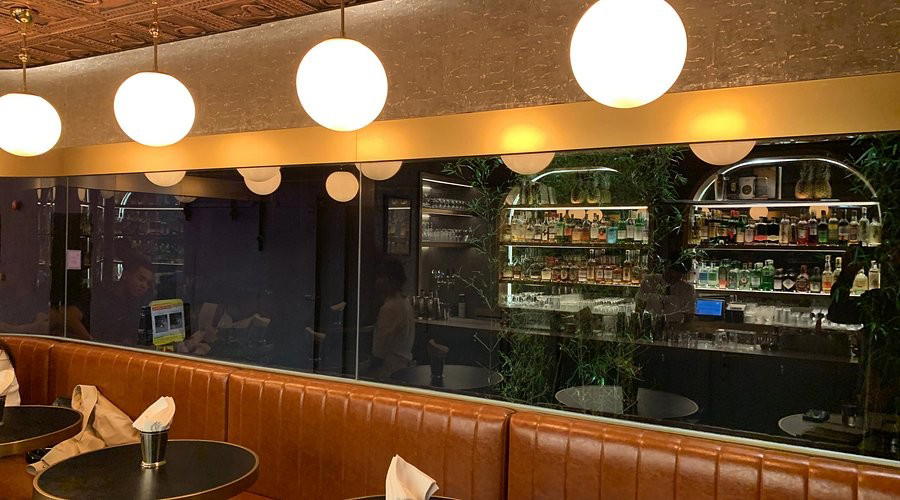
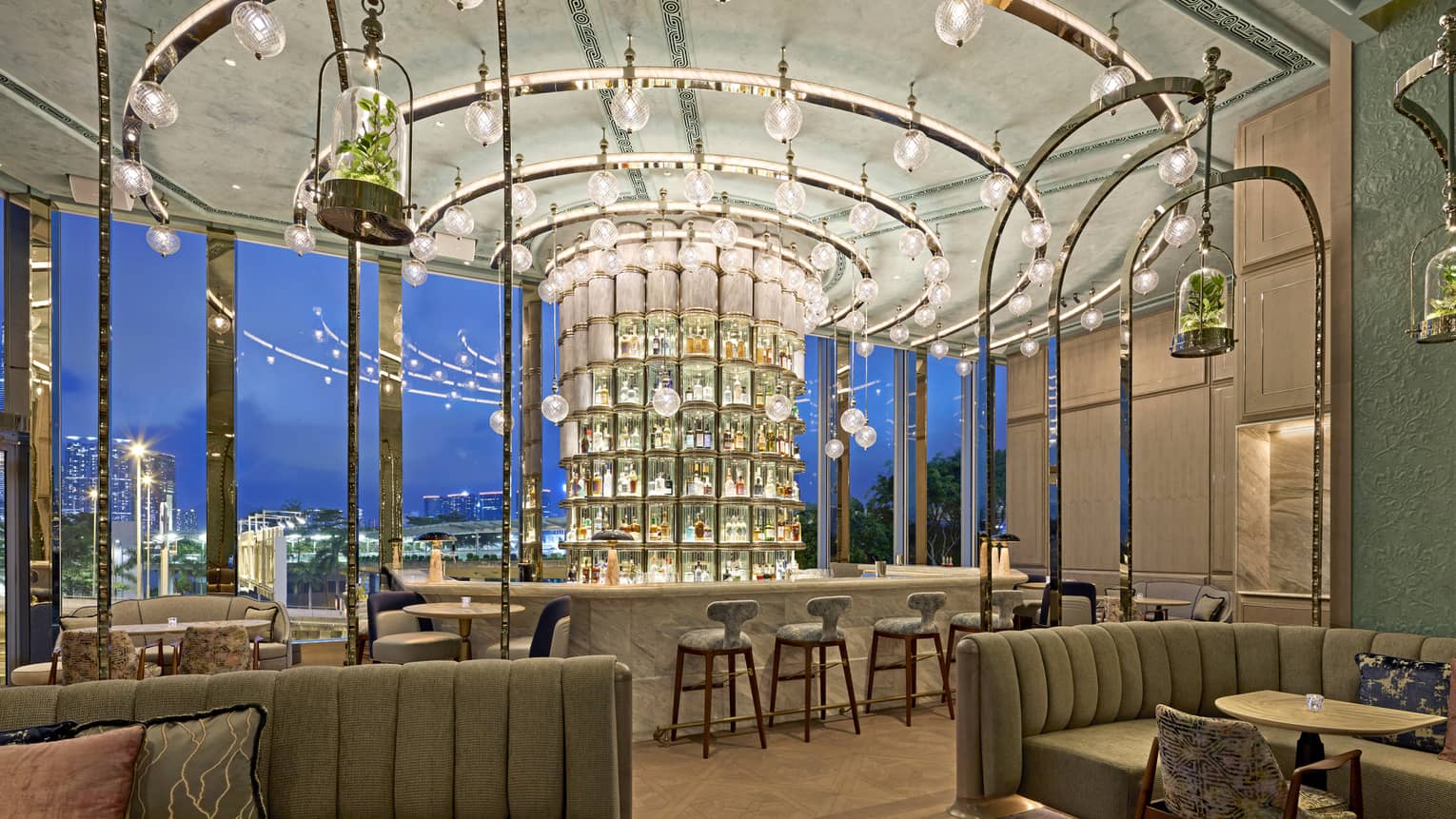
Elegant dining room with sophisticated warmth, fine woods, leather, crisp white tablecloths, and a palette of deep sepia, bronze, and cream; relaxed yet refined atmosphere.