
Michelin Plate
Our verdict
A Michelin Plate-recognised Italian restaurant in central Nara, cucina regionale YANAGAWA occupies a specific niche: regional Italian cooking in a city better known for kaiseki and Buddhist temple cuisine. Priced at ¥¥¥ and recognised by the Michelin Guide in both 2024 and 2025, it represents the small but growing cohort of European fine dining that has taken root in Japan's ancient capital.

Pearl is the En Primeur Club membership app, where members save venues, book tables and use the concierge.
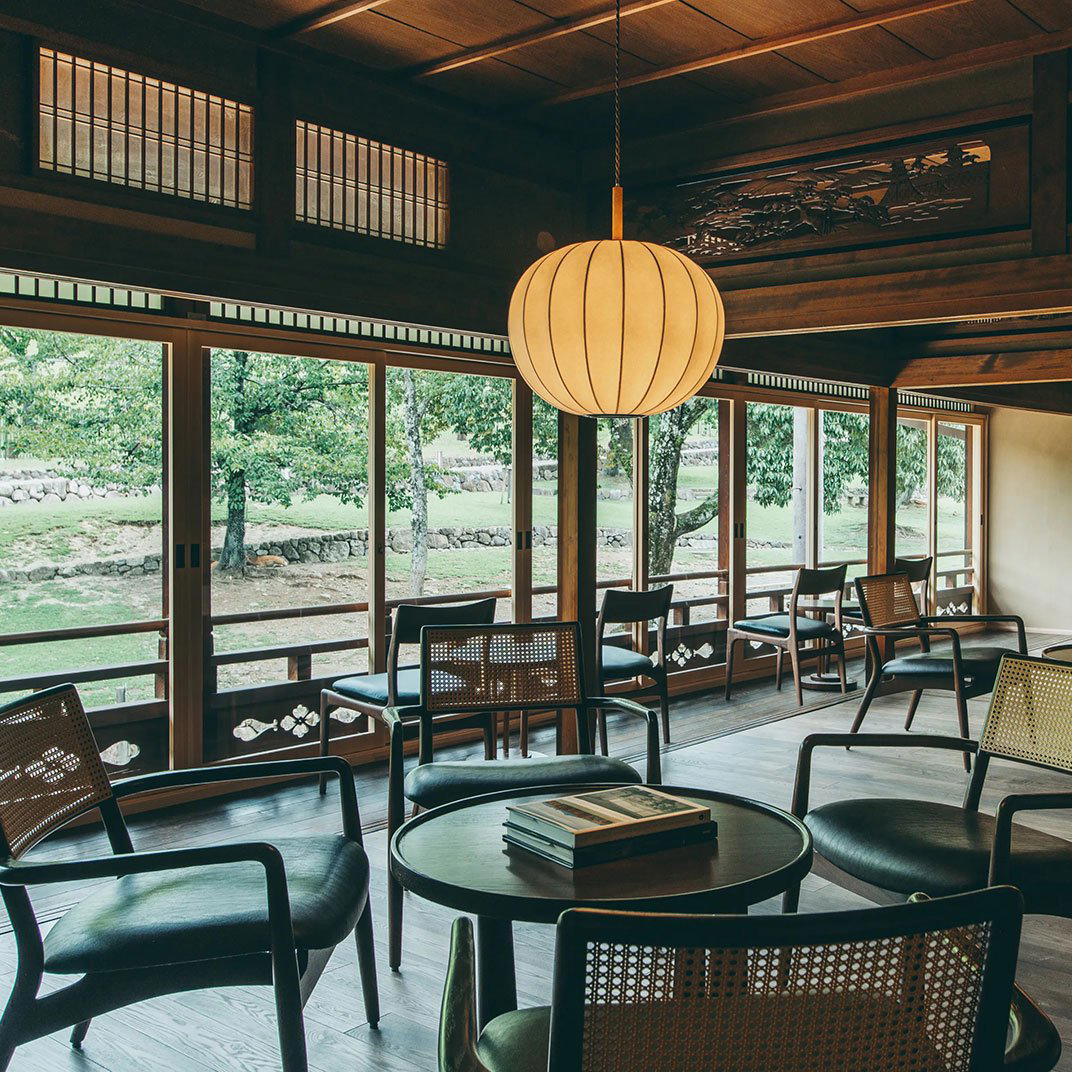
The menu
What to order
- Handmade pasta
- Char from Kawakami Village
- Japanese duck from Gose City
Italian regionalism inside Japan's ancient capital
Nara's dining scene is defined, almost entirely, by the logic of place. Kaiseki houses like Wa Yamamura anchor the upper tier, drawing on centuries of Buddhist and court cuisine traditions that the city essentially invented. Into this environment, cucina regionale YANAGAWA inserts itself as something the city has very few of: a serious Italian restaurant operating at the ¥¥¥ price tier, with the Michelin Guide's attention confirmed across two consecutive years (2024 and 2025 Michelin Plates). That kind of sustained recognition in a city where French and Italian formats still feel structurally subordinate to Japanese dining tells you the cooking here is not simply filling a gap in the market.
The broader trend it belongs to is well-established in Japan's larger cities. In Osaka, the influence of European technique on local produce has produced restaurants like HAJIME in Osaka, where French structure meets Japanese ingredient obsession. In Kyoto, cenci has spent years building a case for Italian-inflected cooking in a city as protective of its culinary identity as any in the world. YANAGAWA operates in that same current, applying Italian regional logic to a prefecture that produces some of Japan's most interesting produce, from the Yamato vegetables cultivated in Nara's mountain basins to the freshwater ingredients that characterise this inland city's food culture.
What the menu structure reveals
The name itself is a declaration of intent. "Cucina regionale" is a specific Italian concept, one that resists the homogenising tendency of generic "Italian cuisine" in favour of something geographically anchored. In Italy, this distinction matters enormously: a Ligurian kitchen and a Roman kitchen share almost no grammar. Deploying that framework in Nara raises an immediate editorial question: which region, and how does it interact with where the restaurant is?
Without access to the current menu, what the name signals is an architecture built around provenance. Cucina regionale menus are typically organised not by course convention alone but by the logic of the ingredients' origins, where a dish's regional source in Italy either mirrors or creates a conversation with the Japanese produce it incorporates. This is a more demanding structure than a direct tasting menu, because it asks the diner to follow two geographic threads simultaneously. At the ¥¥¥ tier in a city of this size and culinary weight, that kind of structural ambition is what separates the Michelin Plate-level operators from the merely competent.
For comparison within Nara's current Italian cohort, consider the range across Da terra, Lega', BANCHETTI, and Camino. These restaurants collectively represent a European fine dining sub-scene that, while modest by Tokyo or Osaka standards, is more coherent than visitors typically expect. YANAGAWA, with its explicit regionalist positioning and consecutive Michelin recognition, sits at the more formally ambitious end of that group.
The Nara context matters
Understanding what YANAGAWA is doing requires understanding what Nara is. It is not a satellite of Osaka or Kyoto in culinary terms, even if geography sometimes frames it that way. The city carries its own agricultural identity: Yamato vegetables (大和野菜) are a designated regional category, covering traditional cultivars that have been grown in the Nara basin for centuries, many of which disappeared from commercial cultivation elsewhere but were preserved here. An Italian kitchen that is serious about provenance, operating in this prefecture, has access to material that no restaurant in Milan or Rome could source.
At the higher end of Nara's Japanese dining, the Michelin-starred competition is concentrated: KOMFORTA and the two-star NARA NIKON both demonstrate that the city's top tier is willing to invest in rigour. For a European format to earn consecutive Michelin Plate recognition in this environment, the standard required is genuinely high, since Michelin's Japan inspectors are not known for generosity toward European restaurants simply for being European.
The city is accessible by express train from Osaka in around 40 minutes and from Kyoto in approximately 45 minutes, which means YANAGAWA is a realistic dinner destination for visitors based in either city.
Italian in Japan: the wider picture
Japan's relationship with Italian cooking is longer and more sophisticated than its reputation abroad suggests. Italian restaurants have held Michelin stars in Tokyo for well over a decade. At the international end, 8 1/2 Otto e Mezzo Bombana in Hong Kong demonstrates how Italian fine dining travels across Asia when the technical and sourcing commitments are serious. In Japan specifically, the argument for Italian-Japanese synthesis is grounded in genuine structural affinity: both cuisines share a reverence for produce quality, a suspicion of over-elaboration, and a deep attachment to place as the organising principle of what ends up on the plate.
YANAGAWA's regionalist framing puts it closer to that serious end of the conversation than to the broader category of Italian restaurants that operate in Japan primarily on the logic of familiarity and comfort. That distinction is what makes it worth tracking alongside operations like Goh in Fukuoka or 1000 in Yokohama as part of a map of where ambitious European cooking is developing across Japan's mid-sized cities.
Planning your visit
cucina regionale YANAGAWA is located at 12 Shibatsukinukecho, Nara, 630-8385. Priced at the ¥¥¥ tier, it sits in the same spend bracket as Nara's recognised Japanese fine dining, which means you should approach the booking process with the same lead time you would give a kaiseki counter in the city. For a full picture of what Nara's dining and hospitality offer, see our full Nara restaurants guide, our full Nara hotels guide, our full Nara bars guide, our full Nara wineries guide, and our full Nara experiences guide.
Frequently asked questions
Where exactly is cucina regionale YANAGAWA?
cucina regionale YANAGAWA is located at 12 Shibatsukinukecho, Nara, 630-8385, Japan, Nara.
Is cucina regionale YANAGAWA Michelin-listed?
cucina regionale YANAGAWA has received recognition including: Michelin Plate (2025); Michelin Plate (2024).
What should I order at cucina regionale YANAGAWA?
The menu is built around Italian regional cooking, meaning dishes are anchored to specific Italian provinces rather than a generalised pan-Italian approach. That framework is the ordering logic: follow whichever region the kitchen is working with that season. At the ¥¥¥ tier with two consecutive Michelin Plate recognitions (2024 and 2025), the tasting format is likely the most coherent way to experience the full argument the kitchen is making.
Is cucina regionale YANAGAWA expensive?
Pricing at cucina regionale YANAGAWA is listed as ¥¥¥.
What's the best way to book cucina regionale YANAGAWA?
No online booking link or phone number is publicly listed, which at a Michelin Plate-recognised ¥¥¥ restaurant in Nara's small upper dining tier typically means reservations move through direct contact or a concierge channel. A hotel concierge in Nara or Kyoto with established restaurant relationships is the most reliable route. Booking several weeks out is advisable given the size of the city's high-end reservation pool.
What's the signature at cucina regionale YANAGAWA?
The concept itself is the signature. "Cucina regionale" is a specific Italian discipline that resists generic Italian-restaurant logic by tying each dish to a named geographic tradition. Applying that framework seriously in Nara, a city whose upper dining tier is almost entirely defined by kaiseki and Japanese-ingredient cooking, is an editorial statement as much as a culinary one. Two Michelin Plate awards in consecutive years confirm the kitchen is executing it with enough consistency to register on the guide's radar.
Budget Reality Check
| Venue | Cuisine | Price | Awards | Notes |
|---|---|---|---|---|
| cucina regionale YANAGAWAThis venue (the venue you are viewing) | Modern Regional Italian with Nara Ingredients | $150–200 | Michelin Plate | Not listed |
| akordu | Modern Spanish with Nara Influences | $150–200 | 2 Michelin Stars · La Liste Top Restaurants | Spanish, Innovative |
| Wa Yamamura | Traditional Kaiseki | $100–150 | 1 Michelin Star | Kaiseki, Japanese |
| Araki | Seasonal Japanese Tempura and Kaiseki | $100–150 | Michelin Plate · Tabelog Bronze #23 | Sushi, Japanese |
| Tama | French with Local Nara Ingredients | $50–100 | Michelin Plate | Okinawan, French |
| NARA NIKON | Kaiseki | $150–200 | 2 Michelin Stars · La Liste Top Restaurants | Japanese |
Recognition history
Dated appearances from independent guides and award organizations, with the underlying list record or original source where available.
Michelin Plate
Michelin
Full recognition history (3 entries)
Michelin Plate
Michelin
Michelin Plate
Michelin
Continue exploring
More in Nara
Restaurants in Nara
All restaurants in Nara →


Bars in Nara
All bars in Nara →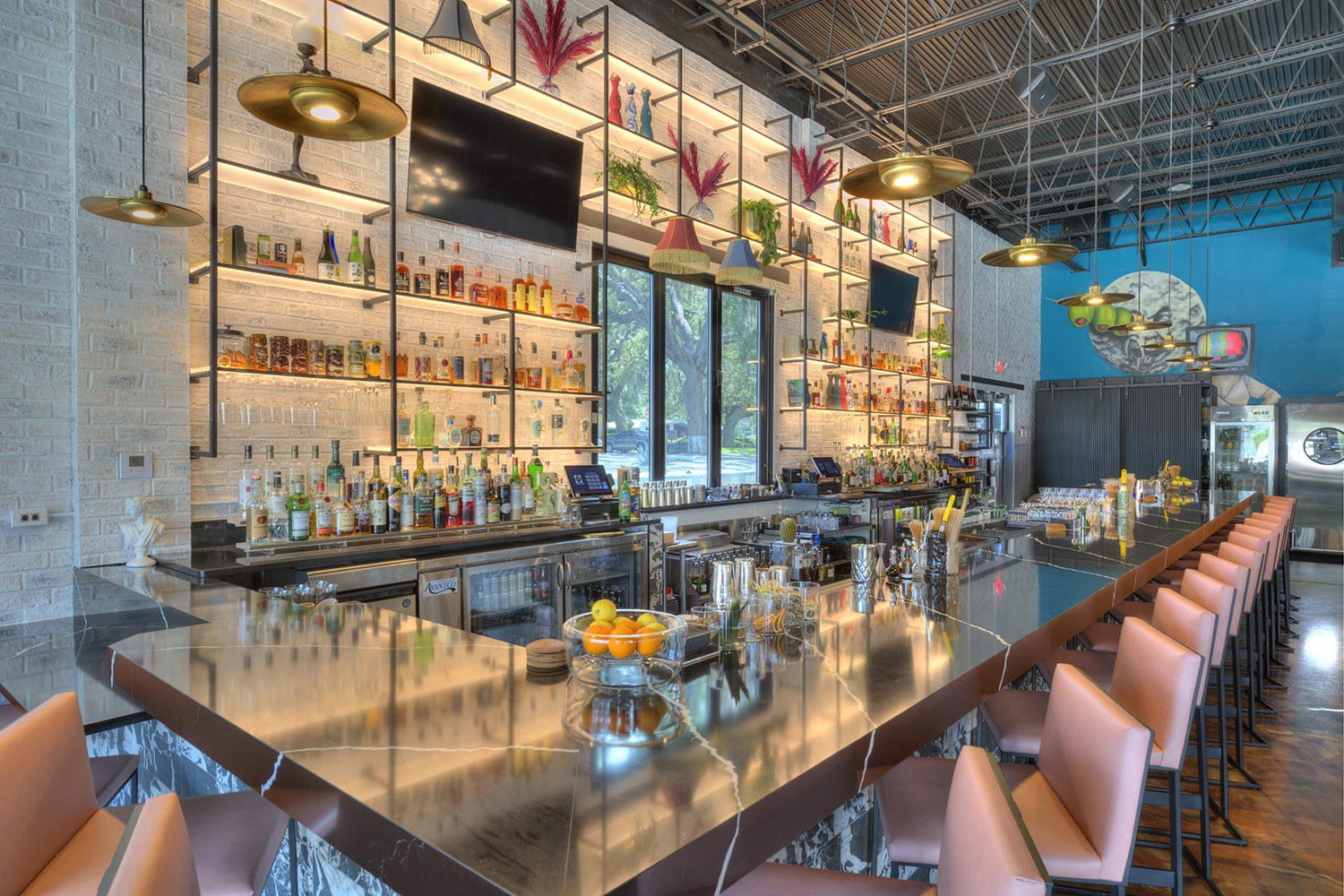


Hotels in Nara
All hotels in Nara →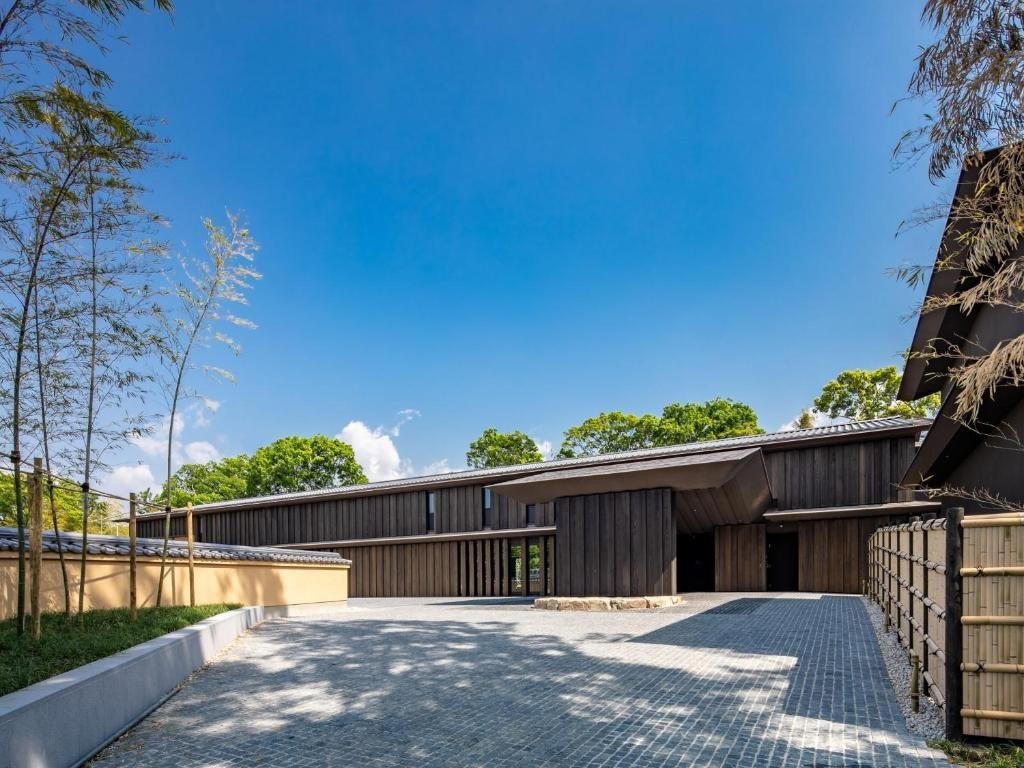




Wineries in Nara
Browse all →
Details
- Intimate
- Cozy
- Elegant
- Solo
- Date Night
- Special Occasion
- Open Kitchen
- Historic Building
- Sake Program
- Local Sourcing
- Tasting Menu
- Wine
Current opening hours
- Monday
- 6–10 PM
- Tuesday
- 6–10 PM
- Wednesday
- 6–10 PM
- Thursday
- 6–10 PM
- Friday
- 6–10 PM
- Saturday
- 6–10 PM
- Sunday
- 6–10 PM
Hours can change for holidays and private events. Hours as of .
Cozy and personal atmosphere like dining at a friend's home, with a focus on intimate solo and small-group experiences.