
Michelin Plate
Our verdict
A Michelin Plate-recognised Japanese restaurant in Ikaruga, on the outskirts of Nara, GENMAIAN holds consecutive Michelin Plate acknowledgements for 2024 and 2025. Operating at the accessible end of the price range for recognised Japanese dining in the region, it sits in a different tier from Nara's starred houses but offers a credible entry point into the city's broader culinary map.

Pearl is the En Primeur Club membership app, where members save venues, book tables and use the concierge.
The menu
What to order
- Unpolished brown rice
- Vegetable dishes in small pots
- Steamed vegetable course
Ikaruga's Place on Nara's Dining Map
Nara's restaurant scene has always occupied an unusual position in the Kansai culinary corridor. Sandwiched between Osaka's density and Kyoto's deep concentration of starred dining, the city draws visitors for its temples and deer parks but receives less sustained critical attention for its tables. That picture has shifted incrementally over the past several years, with Michelin extending its coverage to include not only the city's kaiseki-oriented houses but also accessible neighbourhood restaurants operating at lower price points. The Michelin Plate, awarded where inspectors find food preparation meeting a professional standard without reaching the threshold for a star, has become the mechanism by which that broader tier gets acknowledged.
GENMAIAN, located in Ikaruga in the Ikoma District on the southwest edge of Nara, holds that recognition consecutively for 2024 and 2025. Its address places it close to Horyuji, one of Japan's oldest Buddhist temple complexes and a UNESCO World Heritage site, which frames the kind of neighbourhood this is: historically dense, relatively unhurried, and not organised around high-volume restaurant tourism. Dining here is embedded in a residential and heritage context rather than a hospitality quarter, which affects the texture of the experience before you even sit down. For the full picture of what the city offers at every price tier, see our full Nara restaurants guide.
What Michelin Plate Recognition Signals
In Japan, where Michelin's restaurant guide carries serious commercial and reputational weight, even a Plate acknowledgement represents a meaningful distinction. The Michelin Plate is not a consolation category; it marks restaurants where inspectors believe the kitchen is working at a level above the general population. For context, the majority of restaurants in any given city receive no Michelin mention at all. Consecutive Plate recognition across the 2024 and 2025 editions suggests consistency rather than a one-cycle anomaly, which matters in the evaluation of any kitchen operating at a price point as accessible as GENMAIAN's.
That price positioning sets it apart from Nara's starred houses. NARA NIKON holds two Michelin stars and operates at a significantly higher price tier. Similarly, within the Kansai region, two-star kaiseki restaurants and starred Japanese dining rooms at HAJIME in Osaka and celebrated omakase counters like Harutaka in Tokyo sit in a different financial bracket entirely. GENMAIAN's value proposition is recognition at the entry price tier: a kitchen that has been noticed and validated, without the cost structure of a tasting-menu destination.
Comparable Nara-based restaurants where critical acknowledgement intersects with traditional Japanese cuisine include Oryori Hanagaki and Tsukumo, each representing distinct positions on the city's dining spectrum. Ajinokaze Nishimura and Ajinotabibito Roman offer further reference points in the neighbourhood and regional context.
Japanese Cooking in a Temple District
Japanese restaurant culture at the accessible price tier in heritage districts tends toward one of two registers: the functional teishoku house serving set lunches to visitors and workers, or the more considered neighbourhood restaurant with a regular local clientele and a kitchen that takes the day's ingredients seriously. The second type rarely targets the tourist circuit and earns its reviews primarily through repeat custom.
This matters for what to expect. Restaurants with that profile in Japan typically foreground seasonal ingredients, adjust their menu more frequently than their peers in higher-traffic locations, and price in a way that reflects the local economic context rather than a foreign-visitor premium. The broader tradition of Japanese cooking at this tier, whether built around set menus, daily specials, or a short rotating card, is anchored in procurement discipline and technical precision applied to accessible formats. The cuisine classification for GENMAIAN is simply Japanese, leaving the specific sub-format open, but the Michelin Plate across two consecutive years indicates that whatever the format, the execution meets a consistent standard.
For the fuller sweep of Kansai Japanese dining in the starred tier, Gion Sasaki in Kyoto and Goh in Fukuoka offer reference points for what the Michelin network values in traditional and creative Japanese formats at higher recognition levels. Tokyo's Myojaku and Azabu Kadowaki represent the capital's version of serious Japanese dining at varying price points, providing a useful national calibration.
Getting There and Planning a Visit
The Ikaruga address sets GENMAIAN outside the central Nara tourist zone. Horyuji Station on the JR Yamatoji Line serves the area, making the restaurant reasonably accessible from Osaka (roughly 30 minutes from Osaka station) and from central Nara (under 20 minutes).
Visitors planning specifically around this restaurant should verify current operating hours and availability before arrival, either through direct contact via search or through Tabelog, where Japanese neighbourhood restaurants at this level frequently maintain a public presence. Arriving without confirmation at a small neighbourhood restaurant in Japan, particularly outside peak tourist hours, carries some risk of finding the kitchen closed or fully occupied by regulars.
For accommodation context while in the region, our full Nara hotels guide covers the city's options. Those exploring the broader cultural programme around Nara can find curated recommendations in our full Nara experiences guide, alongside our full Nara bars guide and our full Nara wineries guide for a complete picture of what the city offers. For dining specifically, GENMAIAN sits in a recognisable and well-documented tier: Japanese cooking in a historically significant setting, acknowledged by Michelin's inspectors for two consecutive years, and priced within reach of visitors who want critical validation without destination-restaurant spend. Further afield, 1000 in Yokohama and 6 in Okinawa illustrate how Japan's recognised dining network extends well beyond the major metropolitan centres, a pattern that Ikaruga, in its quiet way, fits precisely.
What Regulars Order at GENMAIAN
What the Michelin Plate recognition and the restaurant's Japanese classification together suggest is a kitchen focused on technique applied to traditional formats, most likely rooted in seasonal produce drawn from the Yamato region of Nara, which has a long agricultural history of supplying temple communities and court kitchens. In that context, regulars at restaurants of this type in Japan tend to return for whichever set format the kitchen offers on a given day: a lunch teishoku, a short dinner course, or a market-driven daily menu. The Michelin Plate, earned twice, confirms that independent expert assessment aligns with that local consensus.
Frequently asked questions
Has GENMAIAN won any awards?
GENMAIAN has received recognition including: Michelin Plate (2025); Michelin Plate (2024).
What do regulars order at GENMAIAN?
EP Club's verified data does not confirm specific dishes at GENMAIAN, so no signature items can be named with confidence. What the consecutive Michelin Plate recognition for 2024 and 2025 does indicate is consistent kitchen execution at the accessible ¥ price tier. For a Japanese restaurant operating in a heritage district like Ikaruga, that typically points toward composed set-meal formats rather than à la carte ordering. Confirming current menu details directly with the venue before visiting is advisable.
Is GENMAIAN expensive?
Pricing at GENMAIAN is listed as ¥.
How do I find GENMAIAN?
GENMAIAN is located at 1 Chome-3-24 Horyujihigashi, Ikaruga, Ikoma District, Nara 636-0112, Japan, Nara.
Comparable Options
| Venue | Cuisine | Price | Awards | Notes |
|---|---|---|---|---|
| GENMAIANThis venue (the venue you are viewing) | Traditional Japanese Shojin Ryori | $30–50 | Michelin Plate | Not listed |
| akordu | Modern Spanish with Nara Influences | $150–200 | 2 Michelin Stars · La Liste Top Restaurants | Spanish, Innovative |
| Wa Yamamura | Traditional Kaiseki | $100–150 | 1 Michelin Star | Kaiseki, Japanese |
| Araki | Seasonal Japanese Tempura and Kaiseki | $100–150 | Michelin Plate · Tabelog Bronze #23 | Sushi, Japanese |
| Tama | French with Local Nara Ingredients | $50–100 | Michelin Plate | Okinawan, French |
| NARA NIKON | Kaiseki | $150–200 | 2 Michelin Stars · La Liste Top Restaurants | Japanese |
Recognition history
Dated appearances from independent guides and award organizations, with the underlying list record or original source where available.
Michelin Plate
Michelin
Full recognition history (2 entries)
Michelin Plate
Michelin
Continue exploring
More in Nara
Restaurants in Nara
All restaurants in Nara →


Bars in Nara
All bars in Nara →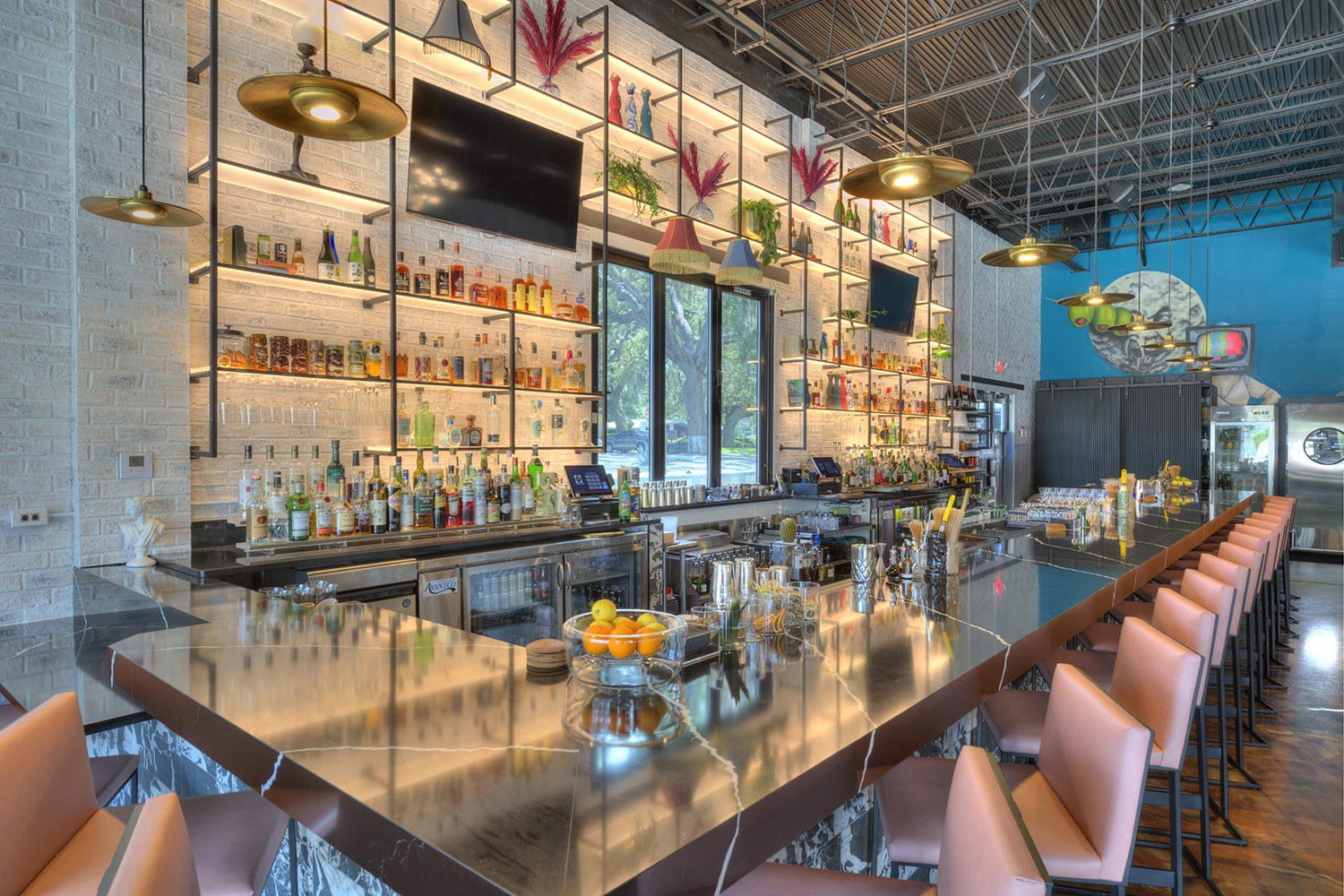
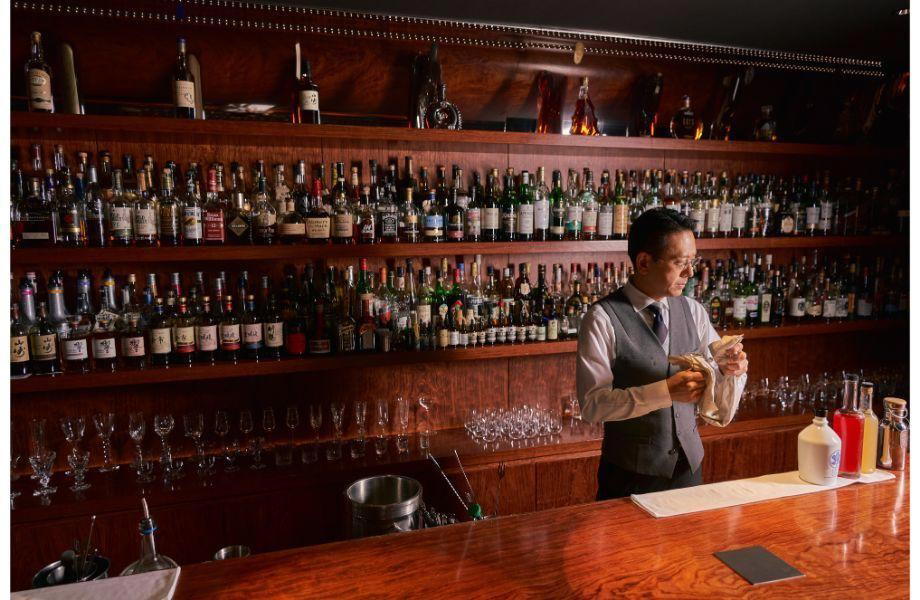
Hotels in Nara
All hotels in Nara →


Wineries in Nara
Browse all →
Details
- Quiet
- Classic
- Cozy
- Rustic
- Solo
- Family
- Casual Hangout
- Group Dining
- Garden
- Standalone
- Farm To Table
- Organic
- Garden
- Set Menu
- Vegetarian Friendly
- Vegan Options
- Organic Focus
Current opening hours
- Monday
- 11 a.m.–3 p.m.
- Tuesday
- 11 a.m.–3 p.m.
- Wednesday
- Closed
- Thursday
- 11 a.m.–3 p.m.
- Friday
- 11 a.m.–3 p.m.
- Saturday
- 11 a.m.–3 p.m.
- Sunday
- 11 a.m.–3 p.m.
Hours can change for holidays and private events. Hours as of .
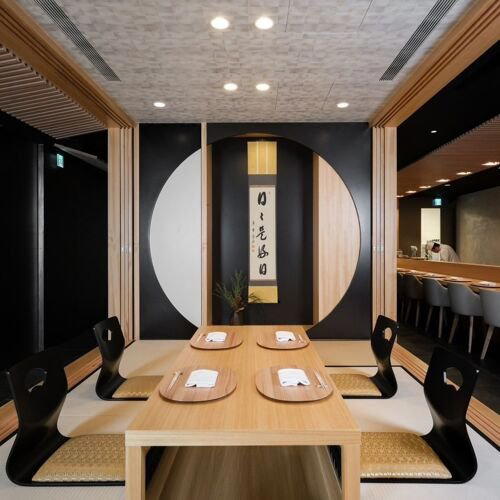
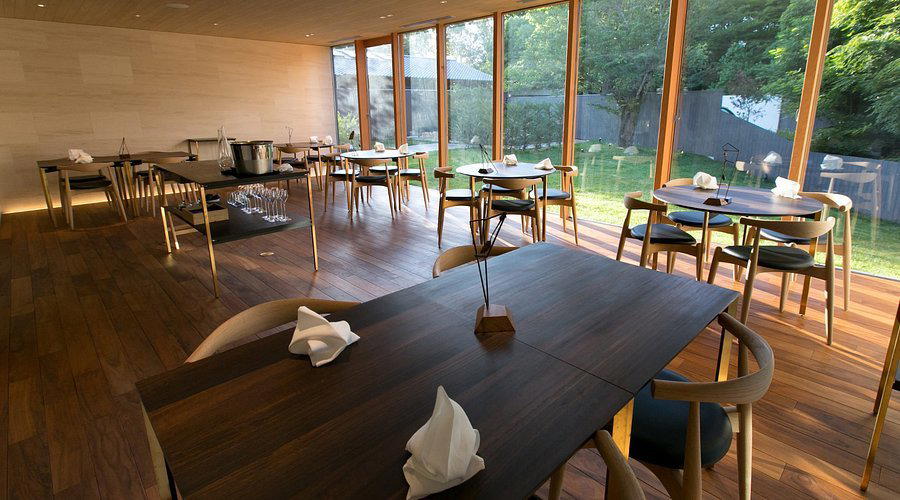
A relaxing, spacious traditional Japanese setting with tatami seating and views of a natural garden.