
Michelin Plate
Our verdict
A Michelin Plate-recognised Italian restaurant in Nara's Fukuichicho district, Camino occupies a mid-price tier that makes serious European cooking accessible without the formality of the city's starred kaiseki rooms. Consecutive Michelin Plate recognition in 2024 and 2025 positions it as a reliable address for Italian in a city where that cuisine remains firmly in the minority.

Pearl is the En Primeur Club membership app, where members save venues, book tables and use the concierge.
The menu
What to order
- Handmade pasta
- Wood-fired pizza
- Nara wagyu beef
Italian in a City Built for Something Else
Nara is not a city that makes space for European dining easily. Its culinary identity runs deep into kaiseki tradition, soba, and the kind of Japanese precision that rewards slow, sequential eating. Restaurants like KOMFORTA and cucina regionale YANAGAWA have carved out space for Western and fusion formats, but Italian specifically remains a narrow lane. Camino, at 29-1 Fukuchiincho, operates in that lane with enough consistency to have earned Michelin Plate recognition in both 2024 and 2025, two consecutive years that suggest this is not an accident of timing.
The Michelin Plate is not a star, but it is a considered signal. In Michelin's framework, it marks a kitchen producing food of good quality in its category. In Nara, where the starred tier is dominated by venues like NARA NIKON (two stars) and Wa Yamamura (one star) working entirely within Japanese idioms, earning that recognition for Italian cooking is a different kind of achievement. It requires a panel accustomed to kaiseki and sushi to find merit in a cuisine that operates on entirely different structural logic: pasta timing, sauce reduction, the pacing of a European meal.
The Ritual of a European Meal in Japan
Italian dining has its own sequence, and it does not map neatly onto Japanese omakase culture or kaiseki's rigid progression. There is no single chef's decision handed down to the table. Instead, the Italian format offers a different kind of negotiation: antipasto, primo, secondo, dolce, with the diner choosing their own path through the meal. In Japan, where omakase eating has conditioned a generation of restaurant-goers to surrender that decision to the kitchen, an Italian mid-range restaurant asks something different. It asks the diner to pace themselves.
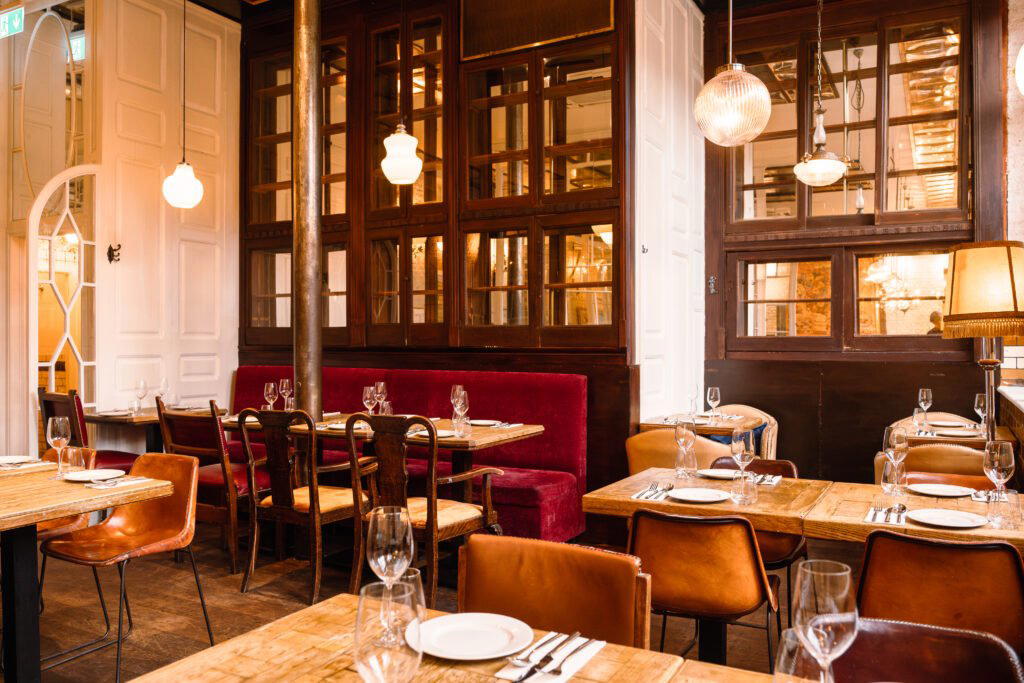
That pacing becomes part of the experience at restaurants in Camino's price tier. The ¥¥ bracket sits deliberately below Nara's high-end kaiseki rooms, which command ¥¥¥ price points at venues like Lega' and BANCHETTI. At the mid-range, the meal becomes less ceremonial. Tables may turn, the room may hold more ambient noise, and the formality that defines Japan's starred rooms gives way to something closer to the trattoria register: engaged, attentive, but not orchestrated to the minute.
For visitors arriving from Osaka or Kyoto on a day trip to the deer park and Todai-ji, Camino offers an alternative to the standard tourist-district lunch format. It sits within a city grid that is walkable from the main sights, though without coordinates to verify exact distances, the practical advice is to confirm the route from Kintetsu Nara Station before setting out. The Fukuchiincho address places it in a quieter residential pocket of the city centre, away from the main souvenir corridors.
What Michelin Plate Recognition Actually Means Here
It is worth being precise about what consecutive Plate recognition implies, and what it does not. Michelin does not publish written reviews for Plate-level venues in the same way it does for starred restaurants, so the recognition functions as a quality threshold rather than a detailed endorsement. The kitchen produces food that the inspectors found worth acknowledging; the cuisine type and price tier define the context for that judgment.
Across Japan, Italian restaurants have earned Michelin recognition in larger cities, with properties like 8 1/2 Otto e Mezzo Bombana in Hong Kong and cenci in Kyoto demonstrating that the format can earn serious critical standing in an Asian context. The Kyoto example is particularly relevant: cenci operates within driving distance of Nara and has built a reputation for Italian cooking that reads as locally rooted rather than imported wholesale from Rome or Milan. Camino operates at a different price register but within the same broader argument: that Italian cooking, applied with care and sourced with attention to regional Japanese produce, can hold its own in a dining culture that does not default to European frameworks.
Where Camino Sits in the Nara Dining Order
Nara's restaurant scene is smaller than Osaka or Kyoto by any measure, but it is not thin. The city supports a range of formats from sushi at Araki to the Spanish innovation of akordu at the higher price tiers. Da terra adds further variety to the non-Japanese dining options in the city. Within this spread, Camino occupies a position that is neither the most ambitious nor the most casual. It is a mid-range Italian with Michelin acknowledgment, which in a city the size of Nara is a narrow and specific thing to be.
Visitors who want the full range of what Nara's dining scene offers should read our full Nara restaurants guide, which covers the breadth of styles and price points across the city. Those planning a longer stay will find context in our full Nara hotels guide, our full Nara bars guide, and our full Nara experiences guide. For those interested in wine alongside their Italian meal, our full Nara wineries guide provides regional context for what's available locally.
For comparison across Japan's broader restaurant scene, the starred tier is well represented by venues like HAJIME in Osaka, Harutaka in Tokyo, Gion Sasaki in Kyoto, Goh in Fukuoka, 1000 in Yokohama, and 6 in Okinawa. Camino does not compete in that tier, but it occupies a position those venues do not: accessible Italian in a city where the form is rare enough to matter.
Planning Your Visit
The address at 29-1 Fukuchiincho places Camino in Nara city proper, reachable from the central station by foot or short taxi. The ¥¥ price point makes it a reasonable choice for lunch or dinner without requiring a budget set aside for a kaiseki evening. Reservation habits in Nara's smaller restaurants can vary, and for a Michelin-recognised address in a city where that distinction carries weight, advance contact is prudent.
What to Order at Camino
Camino's Michelin Plate recognition in 2024 and 2025 was awarded in the context of its Italian cuisine at the ¥¥ price tier. What the award context does indicate is that the kitchen is working within a recognisable Italian structure, pasta and ingredient-led cooking that Michelin inspectors found consistent enough to acknowledge twice. Diners familiar with the Italian format, ordering through the natural progression of a meal from lighter starters to pasta to a main course, are likely to find that rhythm supported rather than disrupted. The cuisine type and price point together suggest a menu built for accessibility rather than experimentation, which in Nara's context is itself a considered position.
Frequently asked questions
Is Camino more mid-range or high-end?
Pricing at Camino is listed as ¥¥.
Where is Camino located?
Camino is located at 29-1 Fukuchiincho, Nara, 630-8381, Japan, Nara.
What awards or recognition does Camino have?
Camino has received recognition including: Michelin Plate (2025); Michelin Plate (2024).
What should I order at Camino?
Camino holds consecutive Michelin Plate recognition for its Italian cuisine at the ¥¥ price tier, which signals a kitchen operating with consistent technical discipline across its menu rather than a single standout dish. The Plate category does not come with published Michelin tasting notes, so no specific dishes are formally documented. Your strongest approach is to ask staff for the current menu focus when booking, as Italian restaurants at this recognition level typically anchor their offer around seasonal produce and a core pasta or secondi progression.
Standing Among Peers
A quick peer check to anchor this venue’s price and recognition.
| Venue | Cuisine | Price | Awards | Notes |
|---|---|---|---|---|
| CaminoThis venue (the venue you are viewing) | Japanese-Italian Fusion | $50–100 | Michelin Plate | Not listed |
| akordu | Modern Spanish with Nara Influences | $150–200 | 2 Michelin Stars · La Liste Top Restaurants | Spanish, Innovative |
| Wa Yamamura | Traditional Kaiseki | $100–150 | 1 Michelin Star | Kaiseki, Japanese |
| Araki | Seasonal Japanese Tempura and Kaiseki | $100–150 | Michelin Plate · Tabelog Bronze #23 | Sushi, Japanese |
| Tama | French with Local Nara Ingredients | $50–100 | Michelin Plate | Okinawan, French |
| NARA NIKON | Kaiseki | $150–200 | 2 Michelin Stars · La Liste Top Restaurants | Japanese |
Recognition history
Dated appearances from independent guides and award organizations, with the underlying list record or original source where available.
Michelin Plate
Michelin
Full recognition history (3 entries)
Michelin Plate
Michelin
Michelin Plate
Michelin
Continue exploring
More in Nara
Restaurants in Nara
All restaurants in Nara →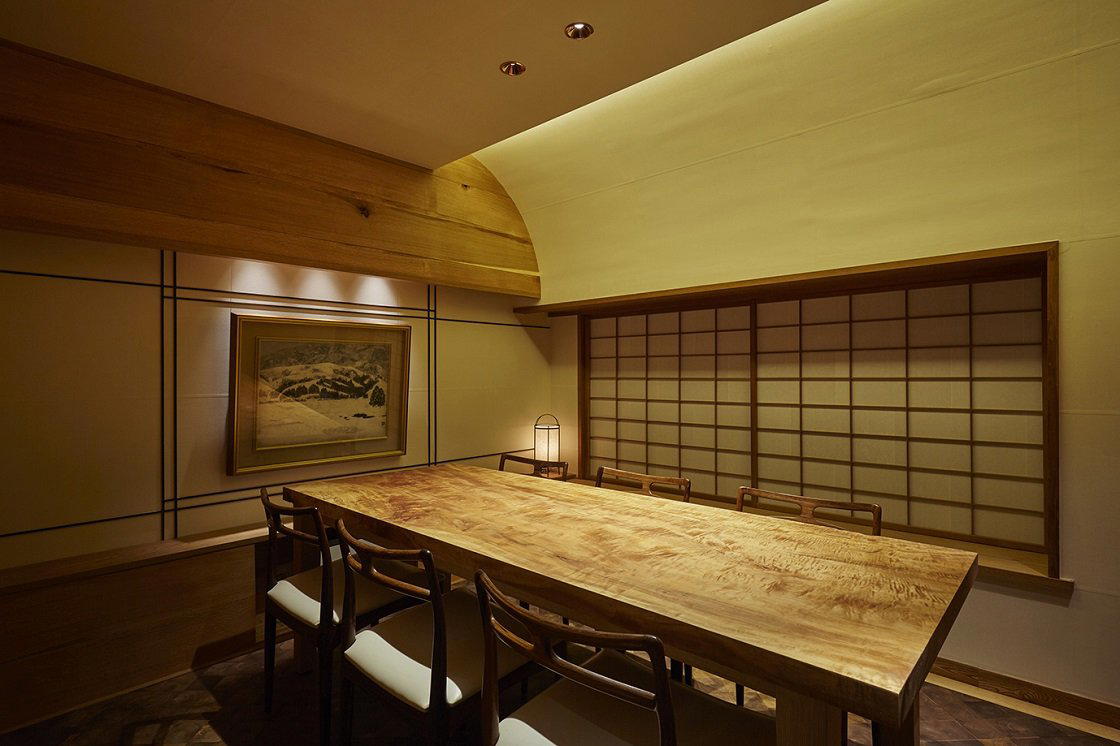


Bars in Nara
All bars in Nara →

Hotels in Nara
All hotels in Nara →



Wineries in Nara
Browse all →
Details
- Serene
- Warm
- Sophisticated
- Cozy
- Date Night
- Special Occasion
- Extensive Wine List
- Sake Program
- Local Sourcing
- A La Carte
- Set Menu
- Wine
Current opening hours
- Monday
- Closed
- Tuesday
- 12–2 PM, 5–9 PM
- Wednesday
- 12–2 PM, 5–9 PM
- Thursday
- 12–2 PM, 5–9 PM
- Friday
- 12–2 PM, 5–9 PM
- Saturday
- 12–2 PM, 5–9 PM
- Sunday
- 12–2 PM, 5–9 PM
Hours can change for holidays and private events. Hours as of .
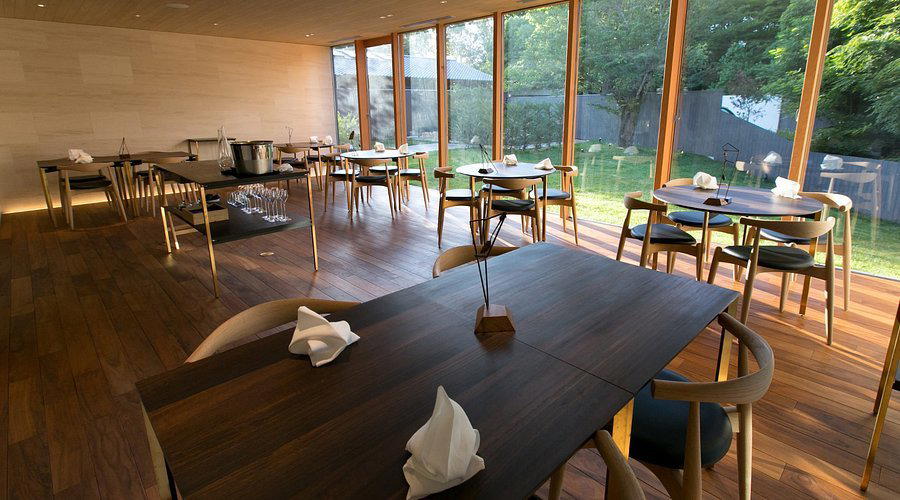
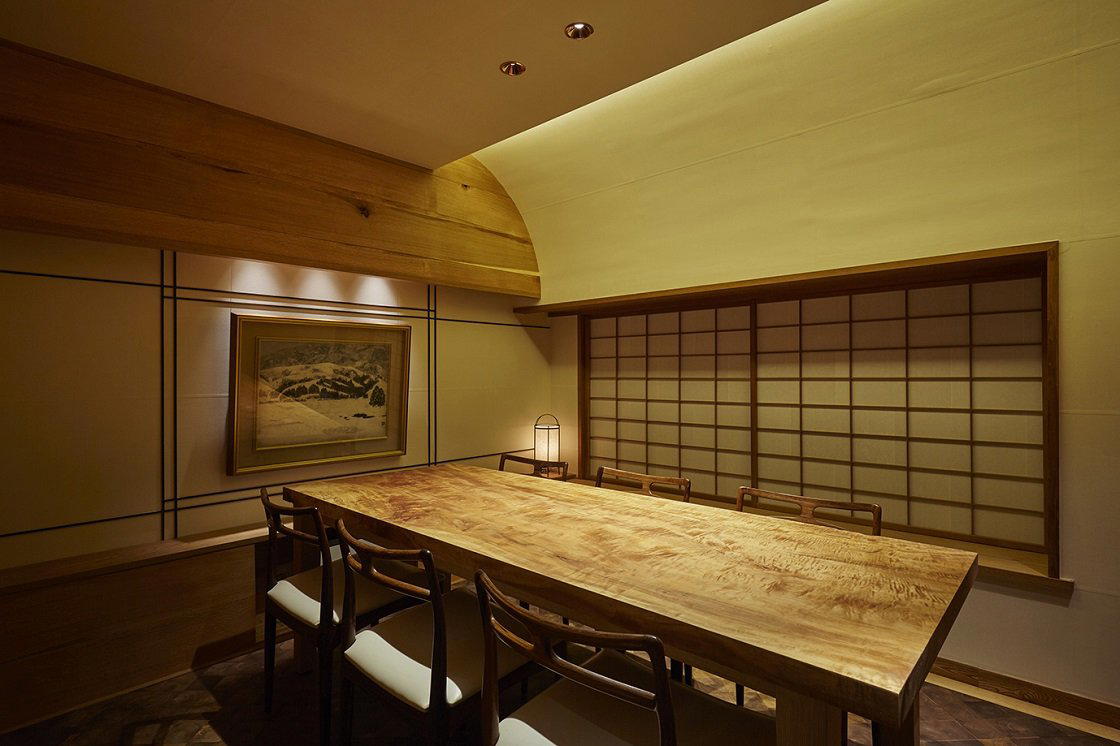
Serene and warm with inviting atmosphere, ideal for special occasions.