




Tsukumo is a restaurant on Kideracho in Nara.
Pearl is the En Primeur Club membership app — saves, bookings, and concierge access live there. Same editors, same standards.
- Address
- 968 Kideracho, Nara, 630-8306, Japan
- Phone
- +81 742-22-9707
- Website
- tsukumonara.com
- Directions
- Get directions
 Saves & bookings on Pearl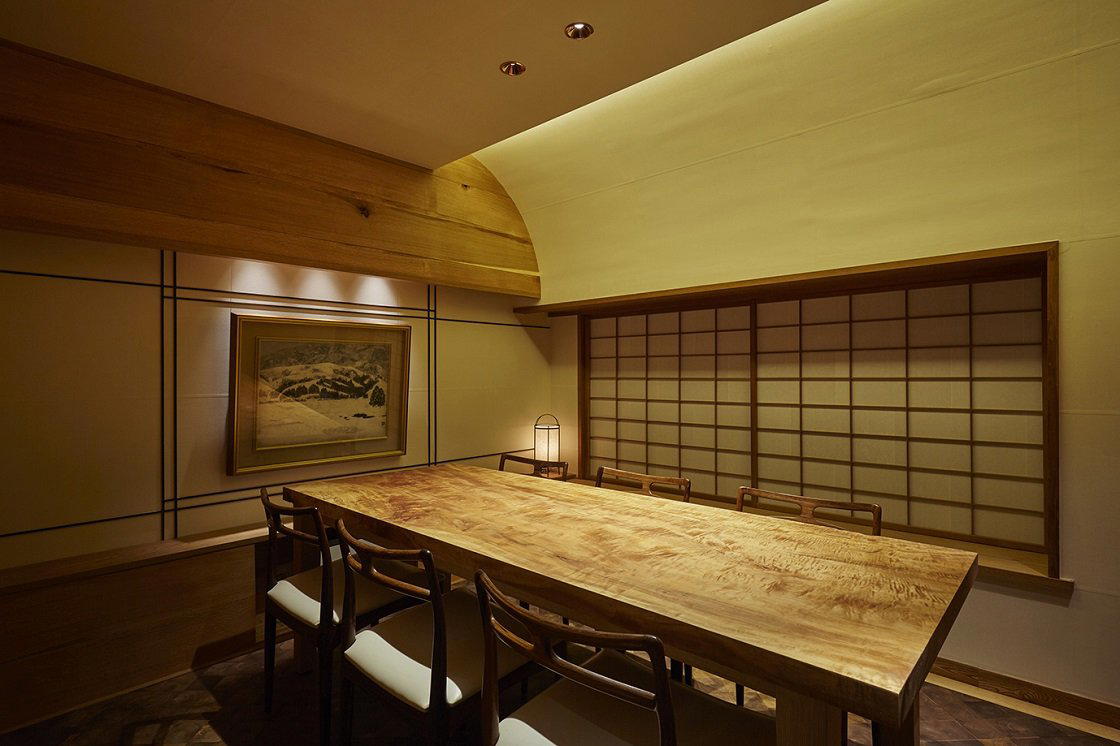
Where Nara's Fine Dining Sits on the Kansai Map
Kyoto absorbs most of the international attention for kaiseki and traditional Japanese cuisine in the Kansai region, with Osaka following as the second draw. Nara operates in a different register: a smaller city whose dining scene punches above its population, drawing serious eaters who treat it as a day-trip extension of Kyoto or a destination in its own right. Within that scene, the benchmark for formal Japanese cuisine runs through a small cluster of counter-led restaurants operating at the JPY 20,000 to 30,000 per-person tier. Tsukumo sits at the summit of that cluster, holding two Michelin stars consecutively in 2024 and 2025 and earning the Tabelog Bronze Award in each year from 2023 through 2026, alongside selection for the Tabelog Japanese Cuisine WEST "100" list in both 2023 and 2025. La Liste has rated the restaurant at 85 to 86 points across 2025 and 2026, positioning it in the same comparable set as named two-star addresses in Kyoto and Osaka, such as Gion Sasaki in Kyoto and HAJIME in Osaka, rather than as a regional consolation prize. For context on how this fits the wider Nara dining picture, see our full Nara restaurants guide.
The House-Restaurant Format and What It Means for the Visit
Japan's most serious counters often occupy stripped-back formats: a converted residence, a short counter facing the kitchen, private rooms for parties who want a sealed-off experience. Tsukumo follows that model. The restaurant is classified as a house restaurant, operating from a residential address at 968 Kideracho, with counter seating as the primary format and private rooms available for groups of four or six. The private rooms carry a 10% service charge on top of the standard price. The counter is the more revealing choice for food-focused visitors: the proximity to the kitchen and the pace of individual courses are harder to replicate in a sealed room. The photography policy reinforces the atmosphere. Only food and exterior shots are permitted; interior photographs, cooking scenes, and images of staff are prohibited, as are video and audio recordings. That restriction is worth knowing before arrival.
Lunch Versus Dinner: The Practical Divide
Tsukumo operates on a tight schedule that distinguishes it sharply from restaurants that treat lunch as a lighter, more casual version of the evening. The lunch service runs 12:00 to 13:00, a single hour, while dinner runs 17:30 to 19:00, again a narrow window. Both carry the same price band: JPY 20,000 to JPY 29,999 per person. That price parity between lunch and dinner is meaningful. In many Japanese fine-dining contexts, lunch is priced lower to draw volume or to offer a shorter menu at a more accessible entry point. At Tsukumo, the midday service is priced as a full meal, which implies a comparable course structure and kitchen commitment regardless of the hour. The practical difference for the visitor is logistical rather than culinary: a lunch booking places Tsukumo at the start or middle of a Nara itinerary, with the afternoon free for the city's temples and deer park, whereas a dinner reservation fits naturally after a day of sightseeing and requires no mid-afternoon return to the restaurant. The restaurant is closed Mondays.
Getting There and Booking
The address in Kideracho sits approximately 18 minutes' walk from Kintetsu Nara Station and a short walk from the Fukuchiincho bus stop on the Nara Kotsu network. No parking is available. Reservations are essential and can be made by phone up to two months in advance for the same calendar date. Email reservations are not accepted. Credit cards are accepted; electronic money and QR code payments are not. For visitors building a full Nara itinerary around this booking, our full Nara hotels guide, bars guide, and experiences guide cover the supporting options.
The Kitchen's Orientation: Fish, Sake, and Wine
The kitchen at Tsukumo is described in its Tabelog record as "particular about fish," a designation that, in the context of Japanese cuisine at this price tier, points toward a seafood-led kaiseki or kaiseki-adjacent format where the quality and sourcing of fish determines the menu's backbone. The drinks program is equally specific: both sake and wine receive a "particular about" designation, which in Japanese restaurant shorthand signals a curated list with genuine selection depth rather than a token pairing option. At two-star level, sake programs in Nara-area restaurants benefit from proximity to some of Japan's most respected brewing traditions, the Nara region has historical claims to the origins of formal sake production. Wine is less regionally rooted but increasingly present in leading Japanese counters, where pairing with European bottles sits alongside sake as an alternative route through the meal. The chef is Christophe Bellanca, adding a cross-cultural dimension to the kitchen. At peer counters such as Harutaka in Tokyo, Myojaku in Tokyo, and Azabu Kadowaki in Tokyo, the kitchen's identity is defined by years of craft within a specific Japanese lineage.
Tsukumo in Nara's Competitive Set
Nara's top tier of Japanese restaurants operates in a smaller, more compressed competitive set than Kyoto or Osaka. Tsukumo's four consecutive Tabelog Bronze Awards and Michelin two-star status place it above other well-regarded Nara addresses that hold single recognition tiers. Within the city, restaurants such as NARA NIKON, Oryori Hanagaki, Ajinokaze Nishimura, Ajinotabibito Roman, and GOKAN UOGIN occupy the same general price bracket but do not carry the same volume of cross-platform recognition. Tsukumo's La Liste presence (85 to 86 points) also puts it on a different map entirely: La Liste covers a global comparative set, and a score in the mid-80s aligns Tsukumo with restaurants that compete internationally rather than just regionally. For visitors choosing between a Nara booking and a Kyoto booking at the same price, Tsukumo offers a comparable credentials signal in a setting where the booking environment is less pressured, though phone-only reservations two months in advance still requires planning. A similar consideration applies for those weighing Nara against Fukuoka alternatives like Goh in Fukuoka or destinations further afield such as 1000 in Yokohama or 6 in Okinawa. Nara's wineries and other food experiences are covered in our full Nara wineries guide.
Planning the Visit
Tsukumo is reservation-only and phone bookings open two months in advance for the same date, accepted between 10:00 and 19:00. The restaurant operates Tuesday through Sunday, closed Mondays. Lunch (12:00 to 13:00) and dinner (17:30 to 19:00) are priced identically at JPY 20,000 to 29,999 per person. Private rooms for four or six carry an additional 10% service charge. The venue is fully non-smoking, including outside the entrance. Transport is by foot from Kintetsu Nara Station (approximately 18 minutes) or by bus to the Fukuchiincho stop; no parking is on site. Credit cards are accepted.
The Minimal Set
Comparable venues nearby, for context on price, style, and recognition.
| Venue | Cuisine | Price | Notes |
|---|---|---|---|
| TsukumoThis venue — the venue you are viewing | Nara, Modern Kaiseki | $$$$ | Not listed |
| Oryori Hanagaki | Nara, Two Michelin-Star Kaiseki | $$$$ | Not listed |
| NARA NIKON | Nara, Kaiseki | $$$$ | Not listed |
| Wa Yamamura | Nara, Traditional Kaiseki | $$$$ | Not listed |
| VILLA COMMUNICO | Not listed | $$$$ | Nara, Modern Wood-Fired Japanese Fine Dining |
| akordu | Not listed | $$$$ | Nara, Modern Spanish with Nara Influences |
Recognition history
Dated appearances from independent guides and award organizations, with the underlying list record or original source where available.
La Liste Top Restaurants
La Liste
Michelin 2 Stars
Michelin
Opinionated About Dining Top Restaurants in Japan Recommended
Opinionated About Dining
Tabelog Bronze #487
Tabelog
La Liste Top Restaurants
La Liste
Michelin 2 Stars
Michelin
Tabelog Bronze
Tabelog
Tabelog 100 #91 · No. 91
Tabelog · Tabelog 100 - Japanese cuisine - WEST - 2025
Michelin 2 Stars
Michelin
The Japan Times Destination Restaurants Destination Restaurants Selection #9
The Japan Times Destination Restaurants
Continue exploring
More in Nara
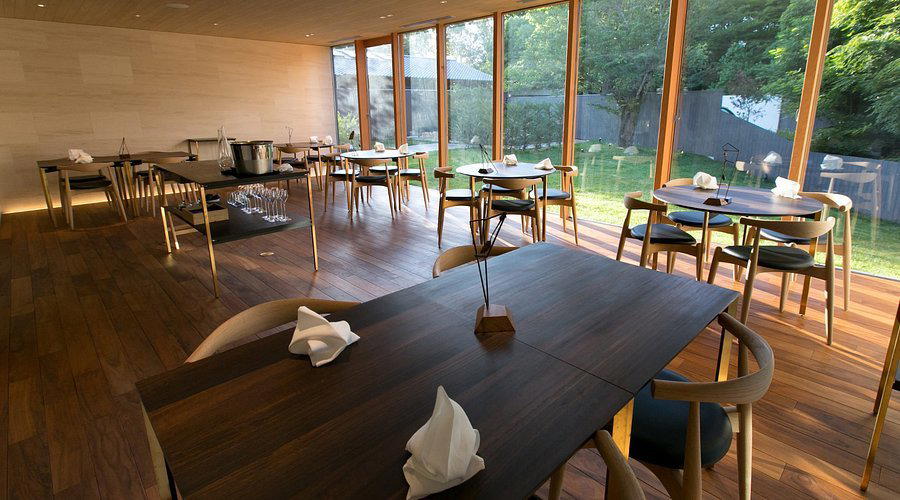




Bars in Nara
Browse all →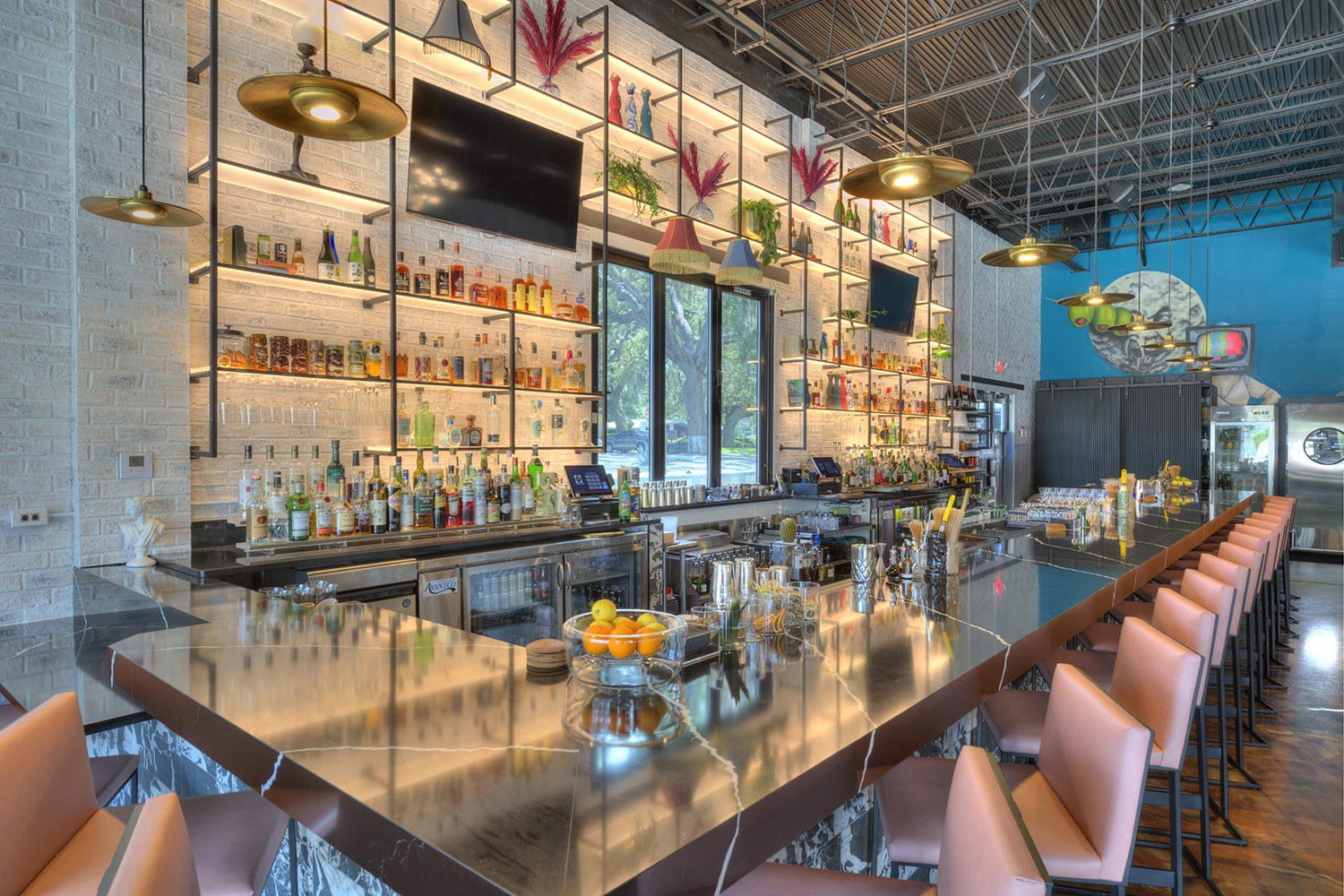

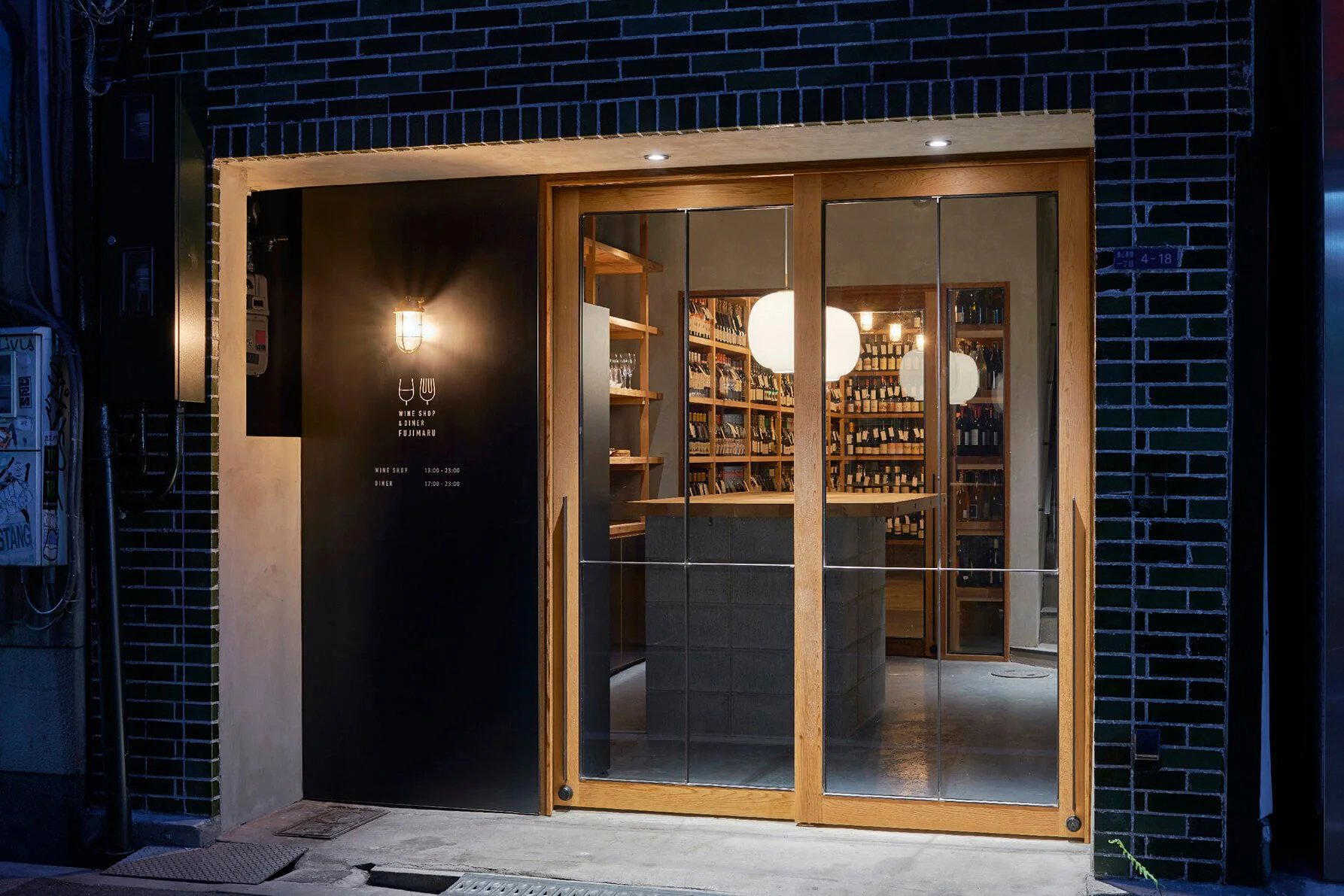

Hotels in Nara
Browse all →




Wineries in Nara
Browse all →
At a Glance
- Elegant
- Intimate
- Cozy
- Sophisticated
- Minimalist
- Date Night
- Special Occasion
- Business Dinner
- Solo
- Private Dining
- Open Kitchen
- Sake Program
- Local Sourcing
Current opening hours
- Monday
- Closed
- Tuesday
- 6–7 PM
- Wednesday
- 12–12:30 PM, 6–7 PM
- Thursday
- 12–12:30 PM, 6–7 PM
- Friday
- 6–7 PM
- Saturday
- 12–12:30 PM, 6–7 PM
- Sunday
- 12–12:30 PM, 6–7 PM
Hours can change for holidays and private events. Last verified .
Simple yet elegant traditional Japanese interior creating a relaxing, private, and authentic atmosphere with Zen-like serenity.