
Michelin Plate
Our verdict
A Michelin Plate-recognised Japanese restaurant in Gojo, Nara, Gojo GENBEI operates at the mid-range tier (¥¥) within a city better known for its temple precincts than its dining scene. Holding consecutive Michelin Plate recognition in 2024 and 2025, it represents a serious local commitment to Japanese cooking in a town that rewards those who look beyond the tourist trail.

Pearl is the En Primeur Club membership app — saves, bookings, and concierge access live there. Same editors, same standards.
The menu
What to order
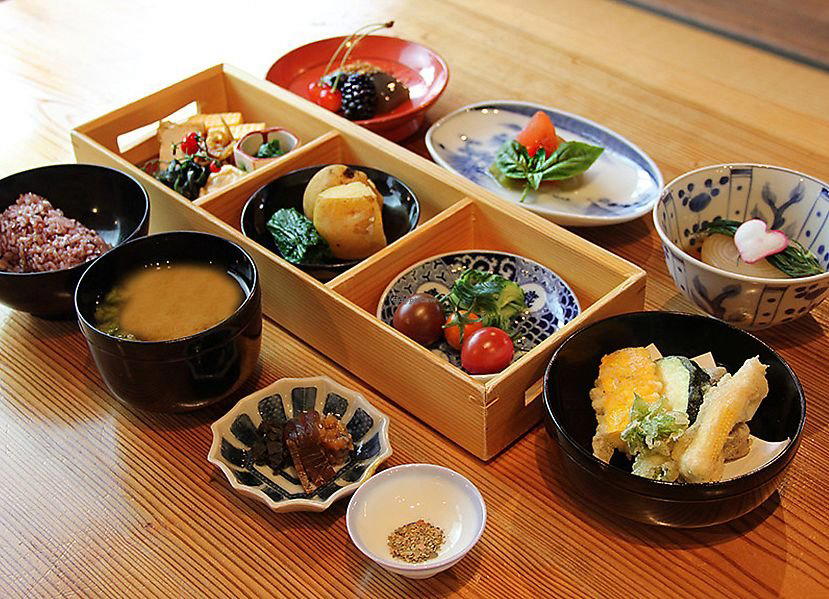
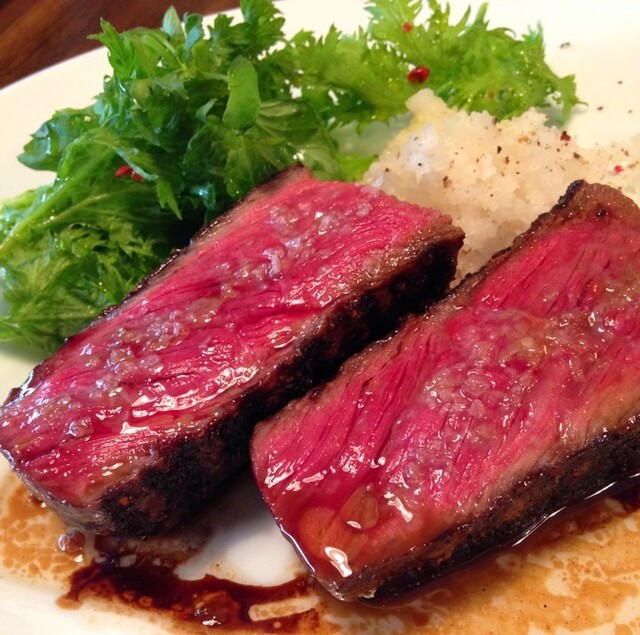
- Vegetable course with 40-50 seasonal varieties
- Konnyaku tempura
- Ohitashi
- Deep-fried seasonal vegetables
Gojo's Quiet Case for Serious Japanese Dining
The town of Gojo sits at the southern edge of Nara Prefecture, a good distance from the deer park and the great temples that pull most visitors northward. Arriving in the old commercial district around Honmachi, the pace drops noticeably. Gojo has never competed with Nara city's tourist infrastructure, and that absence of competition has allowed a different kind of restaurant to take root here — one accountable to a local audience rather than a rotating cast of day-trippers. Gojo GENBEI operates in that context, at an address on Honmachi that anchors it firmly in the town's traditional commercial core.
Nara's dining scene as a whole tends to be overshadowed by the proximity of Kyoto and Osaka. Travellers who do eat seriously in the prefecture gravitate toward the city centre, where venues like NARA NIKON, Oryori Hanagaki, and Tsukumo handle the upper end of the local market. GENBEI operates further south, in a sub-region where Michelin recognition of any kind signals a meaningful departure from the ordinary. The restaurant has held a Michelin Plate in both 2024 and 2025 — consecutive acknowledgements that place it among the small number of Gojo establishments Michelin considers worth noting at all.
What Michelin Plate Recognition Actually Means in This Context
The Michelin Plate, introduced to recognise restaurants serving food of good quality that does not yet meet the threshold for a star, functions as a credibility marker rather than a ceiling. In a dense urban market like Tokyo, a Plate is a first rung among thousands of contenders. In Gojo, a town of modest scale and limited dining infrastructure, the same recognition carries different weight. It positions GENBEI within a much smaller peer group, closer in signal value to Ajinokaze Nishimura and Ajinotabibito Roman in their respective local contexts than to the star-chasing density of metropolitan Japan.
For comparison, the upper tier of Nara dining includes starred operations like NARA NIKON at two Michelin stars and ¥¥¥ pricing. GENBEI sits at ¥¥, a mid-range position that makes it accessible to a wider cross-section of diners while still occupying recognised territory on the Michelin map. That pricing tier, held alongside Michelin Plate status, suggests a kitchen oriented toward quality-to-value discipline rather than prestige theatre.
The Discipline Behind the Counter
Japanese cuisine at this level in a regional setting tends to work through careful sourcing and execution rather than conceptual novelty. The ¥¥ price point limits the procurement budget relative to starred peers, but it also establishes the terms of the challenge: deliver quality Japanese cooking without the cushion of premium pricing. Kitchens that hold Michelin recognition within that constraint tend to be staffed by teams with clear operational discipline, where the front-of-house, kitchen, and any service coordination are working from the same set of standards. The editorial angle of team coherence matters here precisely because, at the Plate level in a regional location, a single weak link in service or pacing would be enough to undermine the rating entirely.
This dynamic is visible across the leading mid-market Japanese restaurants in the Kansai and surrounding regions. At venues like Gion Sasaki in Kyoto and HAJIME in Osaka, the coherence between kitchen output and table-side presentation is part of what sustains recognition over time. GENBEI's consecutive Plate awards suggest a similar internal consistency, even if the format and price point differ substantially. The continuity of recognition from 2024 to 2025 is not a minor detail: it confirms that whatever the team is doing, they are doing it reliably.
Gojo as a Dining Destination
Reaching Gojo from Nara city takes approximately 40 to 50 minutes by train on the Kintetsu Yoshino Line to Yoshino-guchi, then connecting to Wakayama Line services, or roughly a similar duration by road. Visitors coming from Osaka or Kyoto can treat the journey as part of a broader southern Nara itinerary, pairing the restaurant with Gojo's preserved Edo-period streetscapes or the Yoshino mountain corridor further south. The address at 2 Chome-5-17 Honmachi places GENBEI on the main historical street of the old town, which is navigable on foot once you arrive in central Gojo.
The restaurant's position at ¥¥ means a meal here is unlikely to dominate a travel budget in the way that a multi-course kaiseki evening in Kyoto or a Tokyo counter reservation would. That accessibility, combined with the Michelin credibility, makes GENBEI a natural anchor for a day itinerary in the Yoshino region rather than a destination requiring special planning. That said, given the restaurant's small footprint and local reputation, booking ahead is advisable rather than assuming walk-in availability during weekends or public holidays.
Where GENBEI Sits in the Wider Japanese Dining Picture
For readers building a serious Japan itinerary, GENBEI occupies a specific role: it is the credentialed regional option in a part of the country that most food-focused travellers skip entirely. The wider EP Club Japan coverage includes Harutaka in Tokyo, Goh in Fukuoka, 1000 in Yokohama, 6 in Okinawa, and Tokyo specialists like Myojaku and Azabu Kadowaki. It is serving a geographically specific function, quality Japanese cooking in a town that has no other Michelin-recognised name, and it does so at a price point that keeps the experience grounded rather than ceremonial.
For the full picture of where to eat, stay, drink, and explore in the prefecture, see our full Nara restaurants guide, alongside our full Nara hotels guide, our full Nara bars guide, our full Nara wineries guide, and our full Nara experiences guide.
Planning a Visit
Gojo GENBEI is located at 2 Chome-5-17 Honmachi, Gojo, Nara 637-0041. The restaurant prices at ¥¥, placing it in the mid-range tier for Japanese dining. Michelin Plate recognition in both 2024 and 2025 confirms consistent quality across consecutive guide cycles. For similar mid-range Japanese options elsewhere in Nara Prefecture, the listings at Ajinokaze Nishimura and Ajinotabibito Roman offer useful points of comparison.
Frequently asked questions
Does Gojo GENBEI have a Michelin star or similar recognition?
Gojo GENBEI has received recognition including: Michelin Plate (2025); Michelin Plate (2024).
What should I eat at Gojo GENBEI?
Michelin Plate recognition in both 2024 and 2025 points to consistent execution in Japanese cuisine at the ¥¥ price tier, which typically signals careful sourcing and technique-driven cooking rather than high-concept presentation. Ordering seasonally and following the kitchen's direction is the standard approach at this level.
What should I budget for a meal at Gojo GENBEI?
Pricing at Gojo GENBEI is listed as ¥¥.
Can I walk in to Gojo GENBEI?
Gojo is a small town in southern Nara Prefecture with a modest walk-in dining culture, but GENBEI's consecutive Michelin Plate recognition gives it a profile that draws visitors making the 40-to-50-minute journey from Nara city. Contacting the restaurant directly before arriving is advisable, particularly on weekends or during the Yoshino cherry blossom and autumn foliage seasons when regional tourism peaks.
What has Gojo GENBEI built its reputation on?
Consecutive Michelin Plate recognition in 2024 and 2025 is the clearest documented measure of GENBEI's standing. In a prefecture where most credentialed dining concentrates around Nara city, holding that recognition in Gojo, a town without significant tourist infrastructure, points to a kitchen operating on its own terms rather than on the back of foot traffic.
Cost and Credentials
A quick peer list to put this venue’s basics in context.
| Venue | Cuisine | Price | Awards | Notes |
|---|---|---|---|---|
| Gojo GENBEIThis venue — the venue you are viewing | Seasonal Vegetable Kaiseki | $30–50 | Michelin Plate | Not listed |
| akordu | Modern Spanish with Nara Influences | $150–200 | 2 Michelin Stars · La Liste Top Restaurants | Spanish, Innovative |
| Wa Yamamura | Traditional Kaiseki | $100–150 | 1 Michelin Star | Kaiseki, Japanese |
| Araki | Seasonal Japanese Tempura and Kaiseki | $100–150 | Michelin Plate · Tabelog Bronze #23 | Sushi, Japanese |
| Tama | French with Local Nara Ingredients | $50–100 | Michelin Plate | Okinawan, French |
| NARA NIKON | Kaiseki | $150–200 | 2 Michelin Stars · La Liste Top Restaurants | Japanese |
Recognition history
Dated appearances from independent guides and award organizations, with the underlying list record or original source where available.
Michelin Plate
Michelin
Full recognition history (2 entries)
Michelin Plate
Michelin
Continue exploring
More in Nara
Restaurants in Nara
All restaurants in Nara →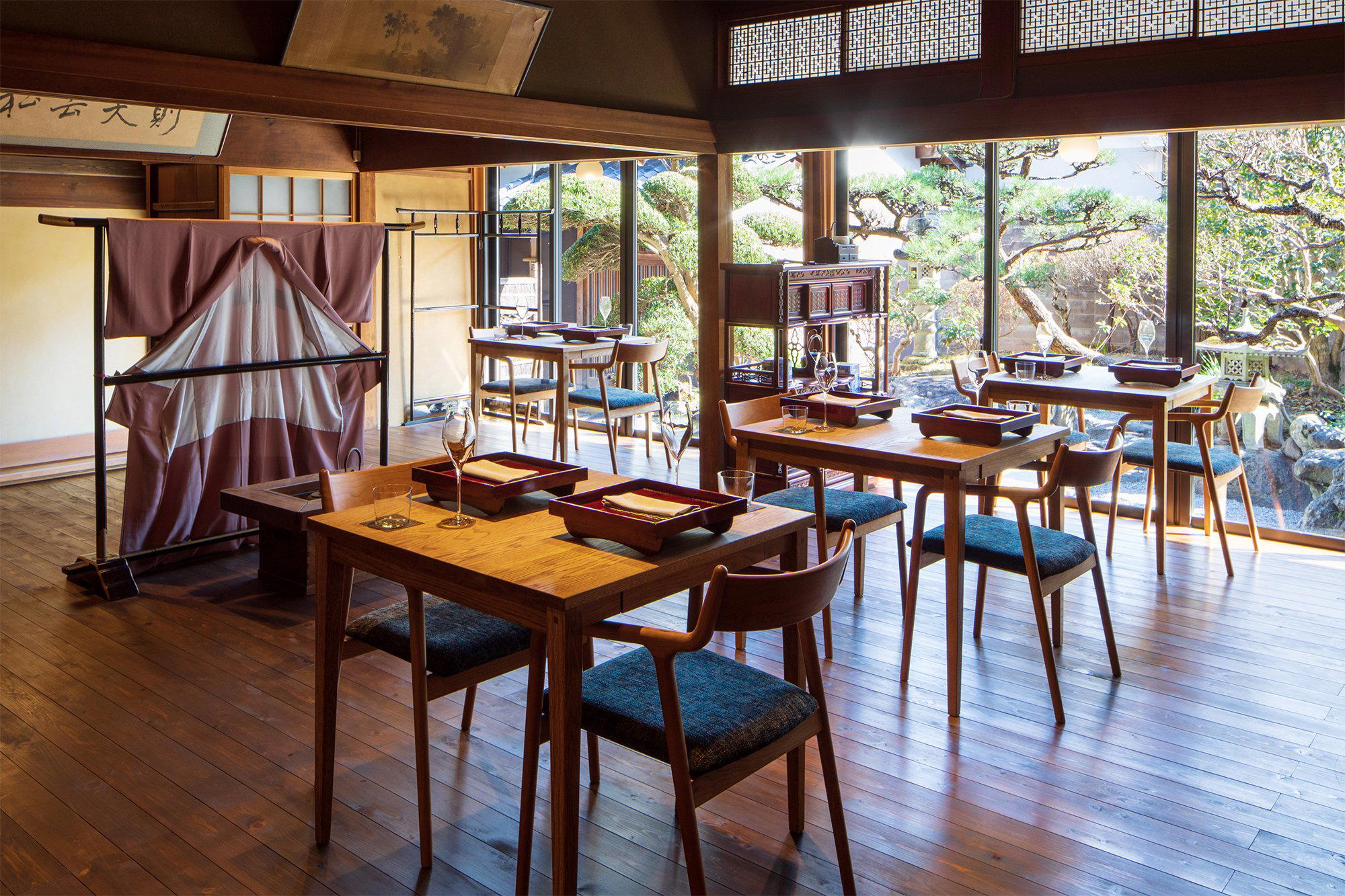
Bars in Nara
All bars in Nara →
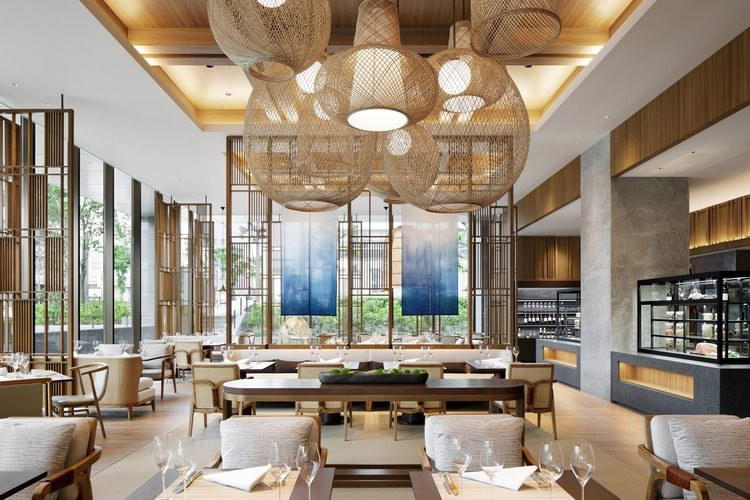

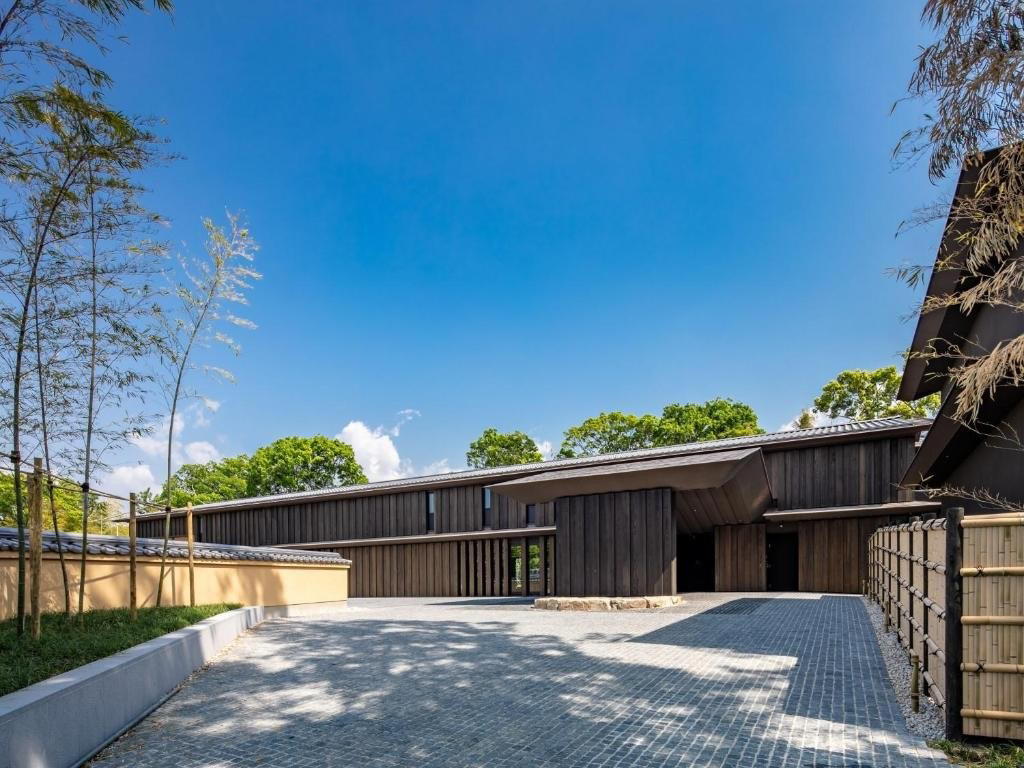
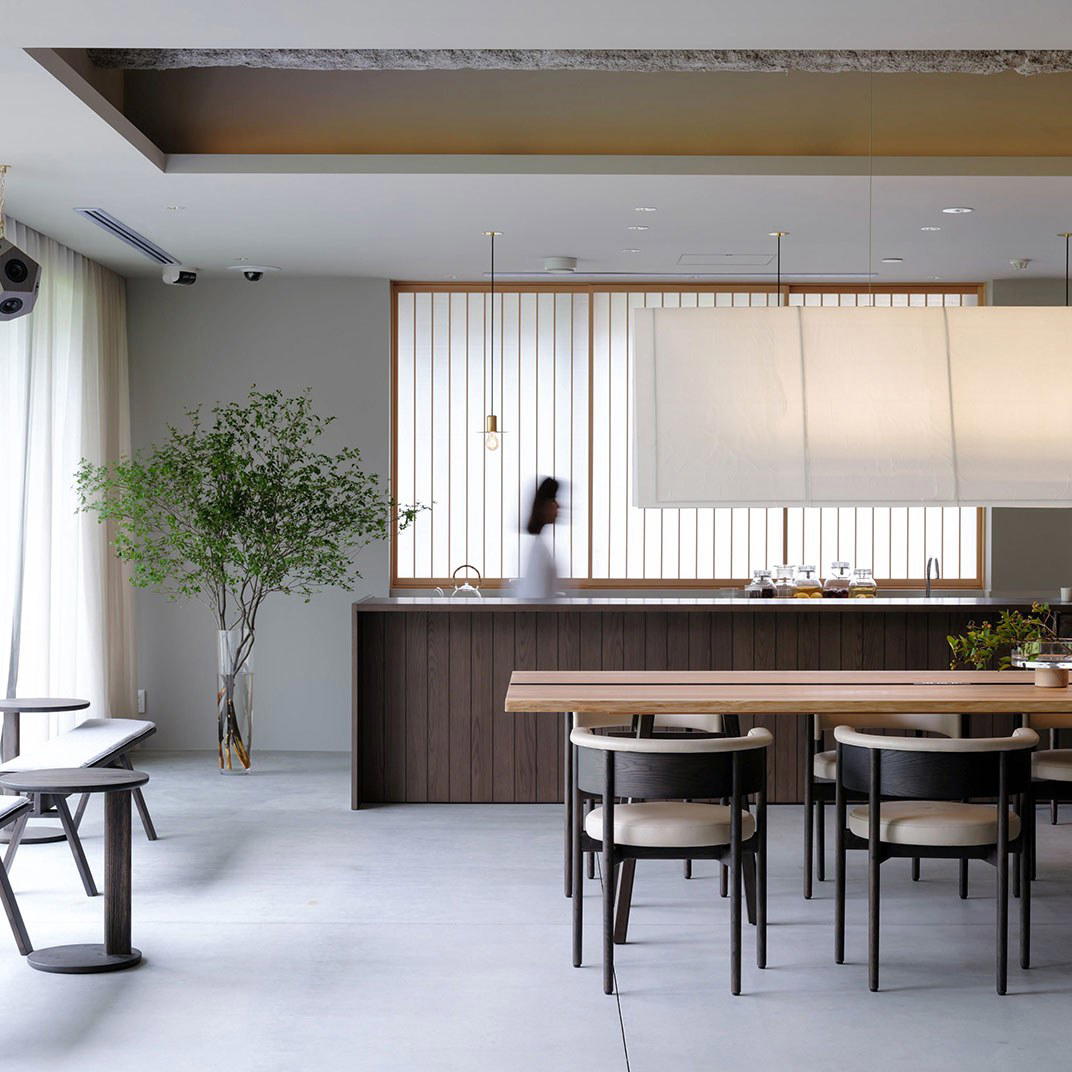
Gojo GENBEI
The wine
- Wine program
- Curated wine list
- Sommelier-led
- Sake program
Details
- Classic
- Cozy
- Intimate
- Elegant
- Rustic
- Special Occasion
- Date Night
- Celebration
- Historic Building
- Courtyard
- Open Kitchen
- Sake Program
- Sommelier Led
- Farm To Table
- Local Sourcing
- Organic
- Garden
- Set Menu
- Prix Fixe
- Sake
- Vegetarian Friendly
- Vegan Options
- Allergy Accommodating
- Organic Focus
Current opening hours
- Monday
- 11 AM–2 PM, 5:30–8:30 PM
- Tuesday
- Closed
- Wednesday
- 11 AM–2 PM, 5:30–8:30 PM
- Thursday
- 11 AM–2 PM, 5:30–8:30 PM
- Friday
- 11 AM–2 PM, 5:30–8:30 PM
- Saturday
- 11 AM–2 PM, 5:30–8:30 PM
- Sunday
- 11 AM–2 PM, 5:30–8:30 PM
Hours can change for holidays and private events. Last verified .
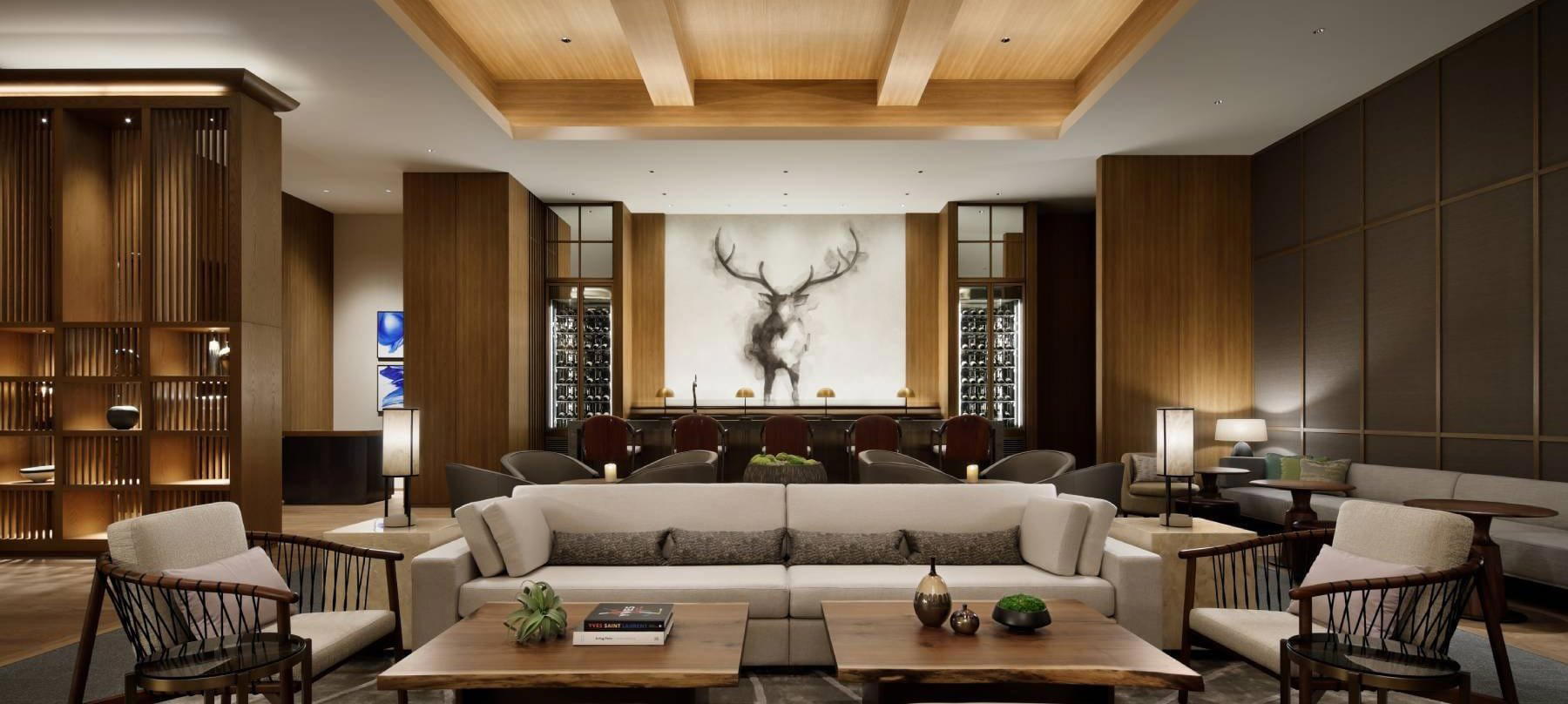
Warm, traditional Japanese atmosphere within a historic renovated machiya with simple but comfortable interiors, table seating, and private balconies overlooking a courtyard that evokes the Edo period.