BAR Oumie belongs to Kyoto’s quieter hotel-bar tier: less about spectacle than controlled pacing, Higashiyama context, and a cocktail programme that rewards attention to technique. With no public awards, prices, hours, or drink list in the available record, the useful read is comparative: place it against Kyoto’s specialist bars and plan with hotel-level booking discipline.
Pearl is the En Primeur Club membership app — saves, bookings, and concierge access live there. Same editors, same standards.
- Address
- 572 Komatsuchō, Higashiyama Ward, Kyoto, 605-0811 (inside_hotel)
- Phone
- +81-75-551-3035
- Directions
- Get directions
 Saves & bookings on Pearl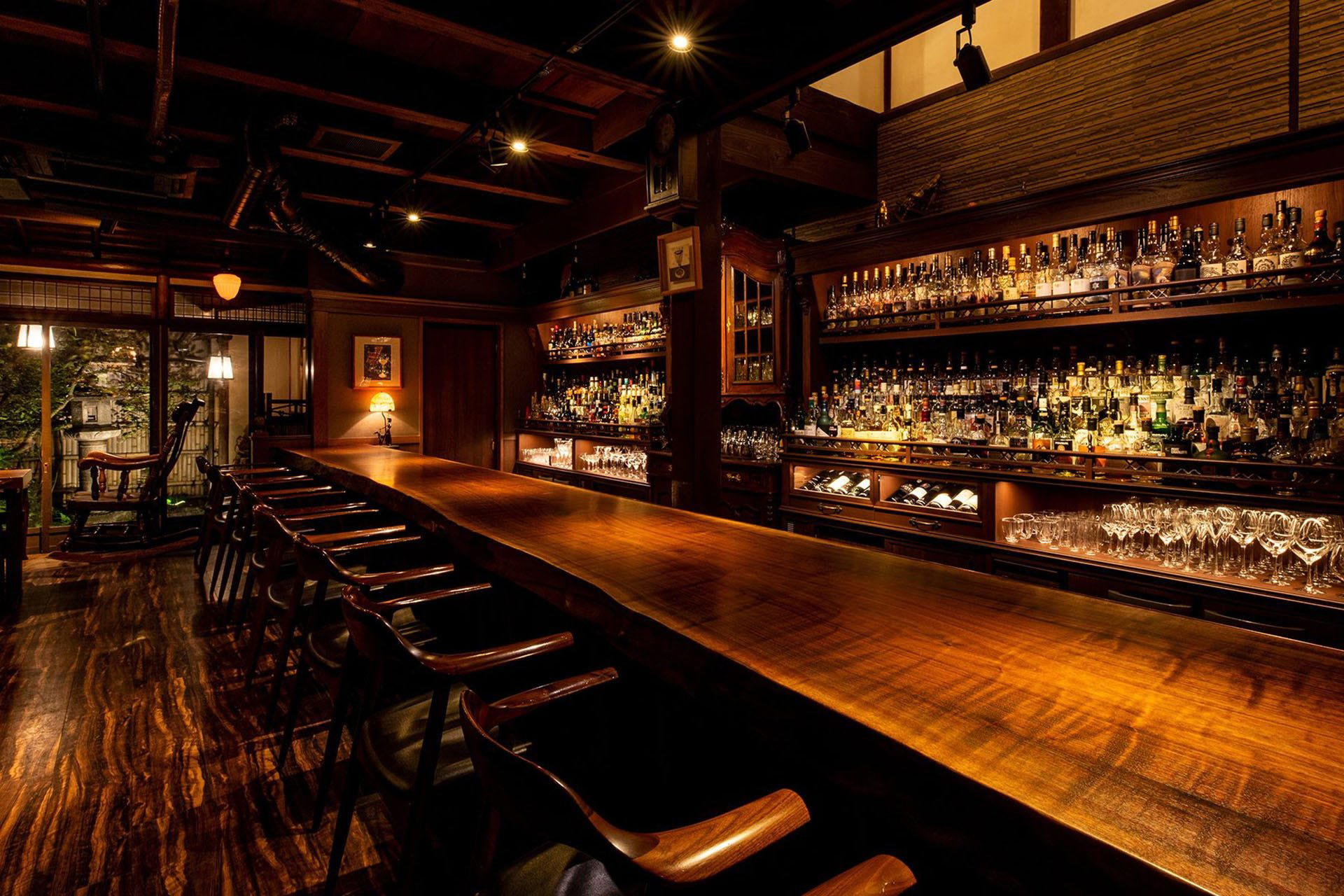
Higashiyama sets the tempo before the first drink
The approach to a serious Kyoto bar rarely begins at the counter. In Higashiyama, it starts with the district’s compressed sense of scale: narrow streets, temple traffic thinning after dusk, and the shift from daytime sightseeing to a quieter evening economy. BAR Oumie sits at 572 Komatsuchō in Higashiyama Ward, inside a hotel, which immediately places it in a different register from Kyoto’s more theatrical independent cocktail rooms. The hotel setting matters. It changes the rhythm of arrival, the likely service style, and the kind of guest the bar is built to receive: travellers who want precision without the performance of discovery.
Kyoto’s cocktail scene has long operated on restraint. Tokyo cocktail culture often prizes codified technique, Osaka can lean into late-night looseness, and Kyoto tends to treat silence, sequence, and scale as part of the drink. That does not mean the city lacks experimentation. It means experimentation often arrives quietly: a clarified texture, a seasonal Japanese ingredient, a glass chosen for temperature retention, a bartender’s refusal to overexplain. For a hotel bar in Higashiyama, the useful question is not whether it has the volume or international awards profile of a destination bar. The sharper question is whether its programme can match the district’s mood without becoming decorative.
BAR Oumie is useful to read through that lens. Public data gives the address and confirms the hotel setting, but it does not provide hours, seat count, bartender name, menu, awards, phone number, website, or price range. That absence is not a reason to invent romance around the venue. It is a planning signal. Kyoto bars with small counters and hotel-managed access often require more care than casual walk-in drinking, especially in peak travel periods around cherry blossom season, autumn foliage, and long domestic holiday weekends. In this category, the informed move is to treat the bar as a controlled-format experience until proven otherwise.
The cocktail programme is the reason to pay attention
Kyoto’s stronger bars rarely compete by offering encyclopedic menus. The city rewards narrower programmes where technique, temperature, and pacing carry the evening. A cocktail list does not need dozens of drinks to be persuasive; it needs a point of view. In a hotel context, that point of view usually has to work for two audiences at once: international guests who want clarity and local drinkers who can detect when a room is built only for visitors. The tension between those audiences defines much of Kyoto’s higher-end drinking culture.
The available record does not name a signature drink for BAR Oumie, and no public awards are listed. That limits what can be said responsibly about specific cocktails. Still, the editorial frame is clear: this is a bar to evaluate by the discipline of the programme rather than by novelty claims. In Kyoto, technique often shows up in small decisions: how a highball is diluted, how citrus is handled, how ice is cut or presented, how strongly a drink sequence moves from aperitif brightness to spirit-led depth. None of those details should be claimed as facts here without a published menu or verified venue notes. They are the correct criteria for the category.
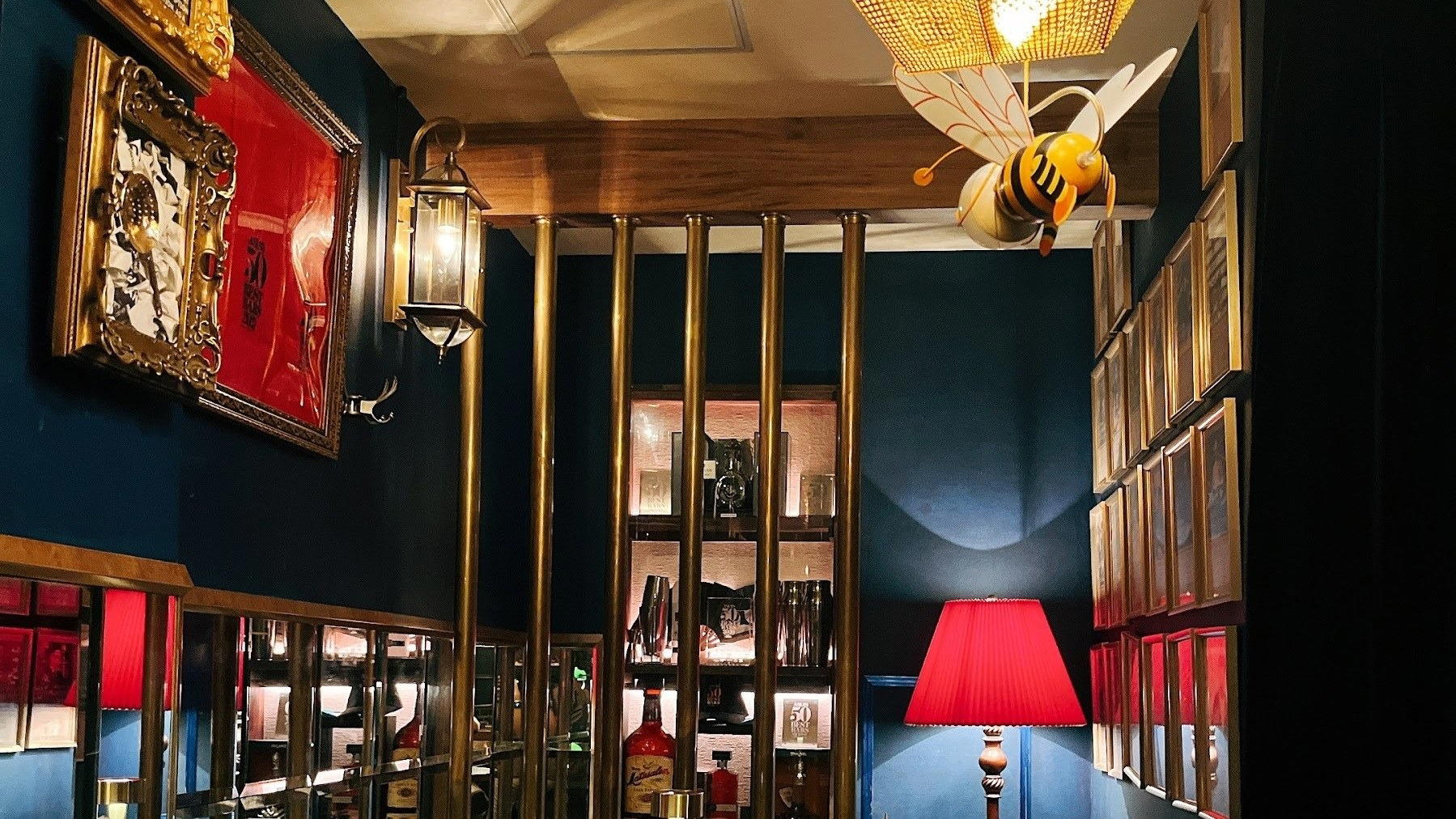
Comparisons help sharpen the point. Bee's Knees belongs to Kyoto’s more internationally legible cocktail conversation, with a style that has made the city easier for travelling drinkers to understand. ALKAA and APOTHECA speak to the smaller-format, design-conscious side of local drinking culture, where room, pacing, and drink construction carry equal weight. Bar CHIPPENDALE points toward the classic counter tradition, where continuity matters as much as fashion. BAR Oumie sits in conversation with those addresses, but the hotel placement gives it a different job: it has to translate Kyoto cocktail restraint for guests who may have only one night in the city.
That is why the main draw is not a named drink, at least not from the confirmed data. The draw is the possibility of a composed Higashiyama drinking experience attached to a hotel rather than a standalone late-night circuit. For some travellers, that is exactly the right format. A bar inside a hotel can remove friction: fewer questions about finding an unmarked door, less uncertainty after dinner, and a more predictable transition from restaurant to nightcap. The trade-off is that the room must avoid becoming a lobby amenity with better glassware. Kyoto’s better hotel bars succeed when they carry the seriousness of an independent counter while retaining the ease of a well-run property.
Where it fits in Kyoto's bar culture
Kyoto is not a city that flatters impatience. Reservations, seasonal crowding, and the geography of its evening districts can make bar-hopping less efficient than in Tokyo’s Ginza or Shinjuku. Higashiyama, in particular, asks for a slower plan. Restaurants in Gion, hotel lounges near the temple districts, and small cocktail counters across the river in central Kyoto form a scattered drinking map rather than a single late-night strip. That geography affects how a bar should be used. The stronger move is to build an evening around one or two serious stops instead of trying to collect addresses.
In that map, hotel bars occupy a meaningful middle ground. They are not substitutes for specialist counters, but they can be more civilised than a third taxi ride after dinner. A hotel setting also changes the audience mix. The bar may serve international guests, hotel residents, and destination drinkers who have planned ahead. That combination can produce a calmer room than a street-level bar with heavy walk-in traffic. It can also raise expectations: travellers who choose a hotel bar in Kyoto are often seeking the city’s quiet precision, not a generic luxury template.
The broader Japanese cocktail tradition supplies useful context. Ginza’s school of bartending, represented in travel shorthand by addresses such as Star Bar Ginza in Tokyo, has trained generations of drinkers to notice dilution, posture, and minimal intervention. Osaka brings a different edge, and Bar Nayuta in Osaka shows how a city can prize improvisation and atmosphere without abandoning craft. Even outside Japan, comparison clarifies category: Café La Trova in Miami works from music, Cuban bar tradition, and a public-facing sense of theatre. Kyoto usually resists that scale of display. Its cocktail rooms tend to ask for attention rather than applause.
That cultural difference is why a hotel bar in Higashiyama should not be judged by the same metrics as a high-volume international bar. Awards, lists, and social media visibility can be useful trust signals, but their absence does not automatically signal weakness in Kyoto. Some of the city’s serious drinking rooms operate with limited public information and little interest in broad promotion. The responsible position, however, is to separate that general truth from venue-specific claims. The address and category are the evidence; the rest should be assessed in person or through direct confirmation with the property.
How to plan the night
Planning matters because the public record is thin. In practical terms, that means travellers should confirm access through the hotel before building an evening around the bar. If staying on property, ask the concierge about operating hours and whether non-resident guests are accepted. If staying elsewhere, treat the hotel as the point of contact and confirm the basics before crossing town. Kyoto rewards this kind of preparation; it punishes assumptions, especially during spring and autumn peak periods.
The location inside a hotel at 572 Komatsuchō makes it a natural post-dinner option for travellers already in Higashiyama, Gion, or the wider eastern side of the city. It is less sensible as a standalone cross-city detour unless the bar’s current programme has been confirmed and appeals to the drinker’s style. Without a published price range, it is safer to budget as one would for a serious Kyoto hotel bar rather than a casual neighbourhood stop. Without listed hours, late-night arrival should not be assumed. Without a listed seat count, small-format pacing should be expected until the property confirms otherwise.
For a fuller evening, pair the bar with a restaurant plan rather than with an aggressive bar crawl. Kyoto dining schedules can be rigid, and many serious restaurants run on fixed seatings. The broader city guides help with that structure: Our full Kyoto restaurants guide is the better starting point for dinner, while Our full Kyoto hotels guide helps place the bar within the city’s hospitality geography. Drinkers comparing formats should also use Our full Kyoto bars guide, especially if the choice is between a hotel room, a classic counter, or a contemporary cocktail address. For travellers extending the trip beyond dinner and drinks, Our full Kyoto wineries guide and Our full Kyoto experiences guide give the wider cultural frame.
What to expect, and what not to assume
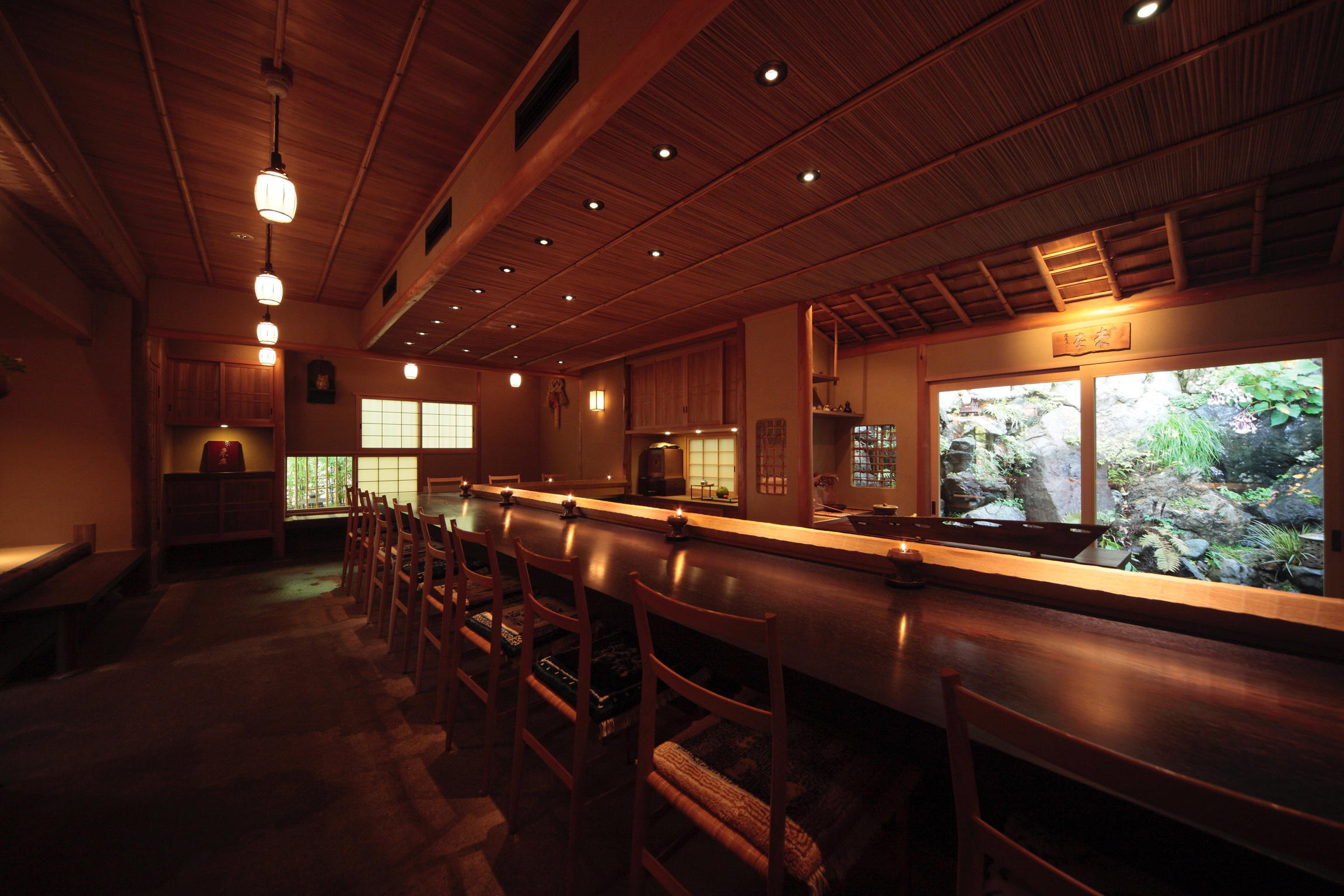
The atmosphere is likely to be defined by its hotel context and Higashiyama address rather than by public spectacle. If the priority is a loud room, a long list, and visible bar theatre, Kyoto has other options. If the priority is a quieter nightcap after dinner on the eastern side of the city, this format makes more sense. The useful expectation is controlled service, careful pacing, and a room that should support conversation.
The main draw is the combination of setting and programme potential: a hotel-based Kyoto bar in one of the city’s most culturally dense districts. That is not the same as saying it outranks independent counters. It means the address can serve a different kind of evening, especially for travellers who want a composed drink after a structured dinner rather than a late-night search across town. Kyoto’s cocktail culture rewards exactness, but it also rewards fit. The right bar is the one that matches the night’s pace.
How far ahead should planning begin? If visiting during cherry blossom season, autumn foliage, Golden Week, or major domestic travel periods, confirm access as soon as the hotel or dinner itinerary is fixed. This is not about manufactured scarcity. It is simply how Kyoto works when small rooms, hotel policies, and seasonal visitor pressure overlap.
As for a signature drink, none is listed in the available venue data. That answer is less romantic than inventing one, but it is more useful. Ask the bar or hotel for the current cocktail focus when confirming access, then judge the programme by balance, dilution, temperature, and whether the drink sequence feels coherent. In Kyoto, those technical details usually tell a more honest story than a famous name on a menu.
Continue exploring
More in Kyoto
Bars in Kyoto
Browse all →

Restaurants in Kyoto
Browse all →
Hotels in Kyoto
Browse all →

Wineries in Kyoto
Browse all →
At a Glance
- Sophisticated
- Intimate
- Cozy
- Classic
- After Work
- Date Night
- Late Night
- Solo
- Casual Hangout
- Hotel Bar
- Standalone
- Seated Bar
- Lounge Seating
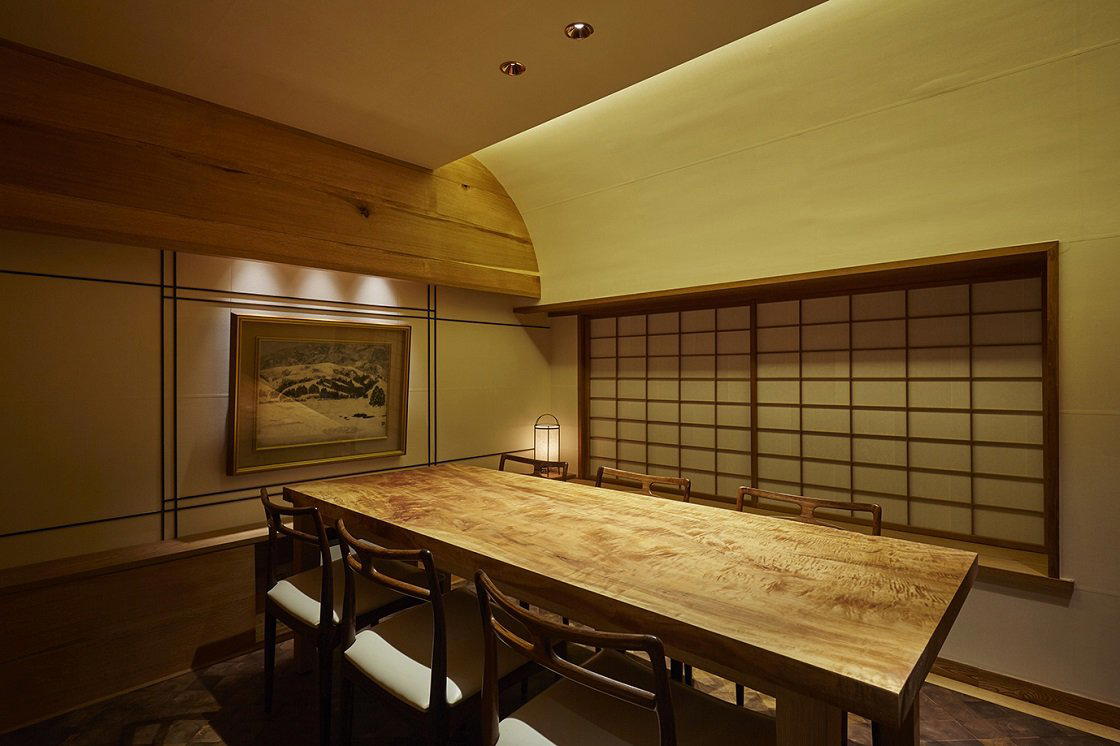
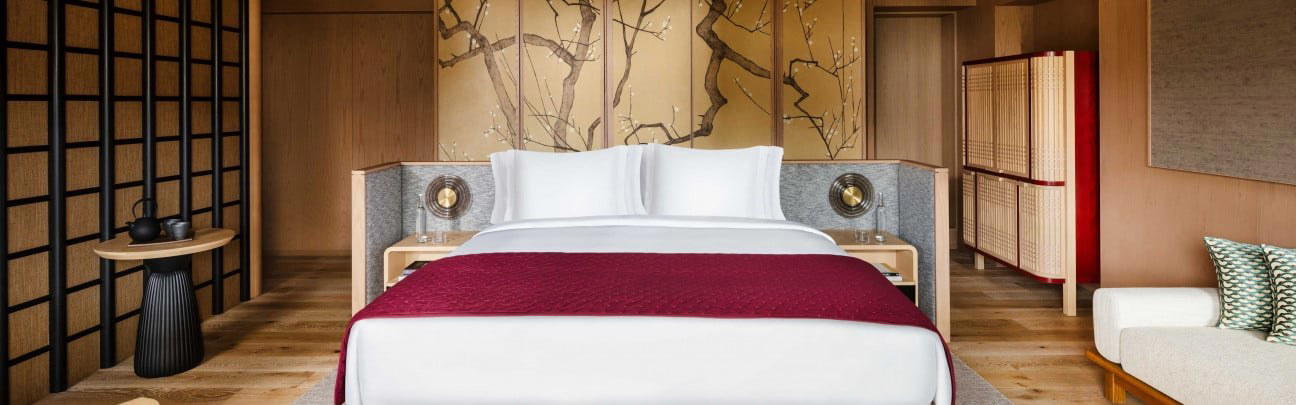
Reviews and hotel descriptions describe a mature, calm bar with a refined design that fits the Gion geisha district setting, featuring low-key lighting and a relaxed, grown-up atmosphere ideal for a quiet nightcap rather than a lively scene.
Know Before You Go
- Getting there
- 572 Komatsuchō, Higashiyama Ward, Kyoto, 605-0811 (inside_hotel)