1 Michelin Star
Our verdict
A Michelin-starred Italian restaurant in Katsuragi, Nara, Lega' has held a star in both 2024 and 2025 under chefs Ron Hsu and Aaron Phillips. The ¥¥ price point sits notably below the premium tier typical of starred dining in the Kansai region, positioning it as one of the more accessible critical endorsements in the prefecture. Rated 4.3 on Google across 27 reviews, it draws visitors from Osaka and Kyoto as well as local Nara diners.

Pearl is the En Primeur Club membership app, where members save venues, book tables and use the concierge.
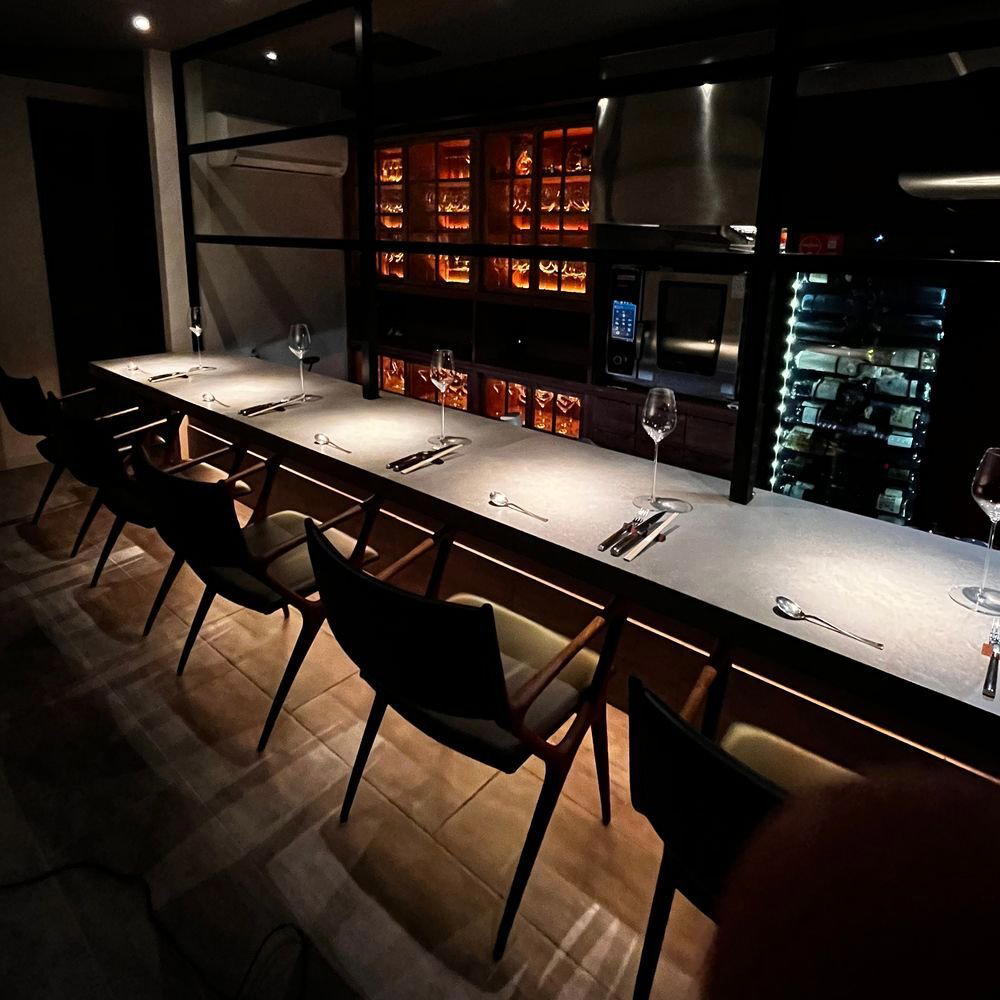
The menu
What to order
- Grilled Miso Black Cod
- Kakinoha Sushi with Dry-Cured Ham
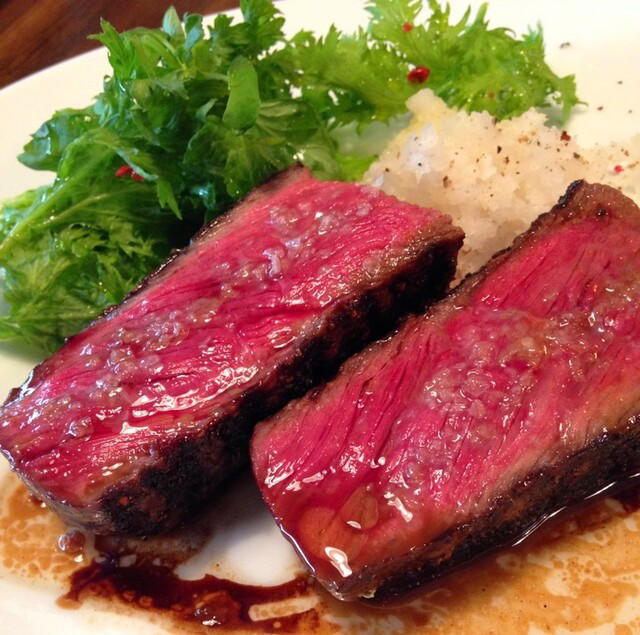
- Yamato Beef Steak with Black Truffle
Italian in Katsuragi: What a Michelin Star Means Out Here
Katsuragi is not the address you expect from a Michelin-starred kitchen. Nara's dining recognition tends to cluster in the city's historic core, and the region's awarded restaurants sit predominantly in the kaiseki and Japanese fine-dining categories that the prefecture has long exported as its cultural identity. Italian cuisine earning sustained Michelin recognition here, in a ¥¥ price register no less, is an editorial fact worth examining on its own terms. Lega', which retained its star in both 2024 and 2025, represents a distinct strand in a dining environment that more often rewards tradition over transplant.
Japan's appetite for Italian cooking has never been superficial. Since the 1980s, a generation of Japanese chefs trained in Bologna, Florence, and Rome, then returned to build kitchens that applied Italian technique to local ingredients with a rigour that often outpaced the source country. That lineage runs through major cities, with celebrated addresses like cenci in Kyoto earning serious critical attention, and internationally recognised houses like 8½ Otto e Mezzo Bombana in Hong Kong demonstrating how Italian fine dining has taken root across Asia. What sets Lega' apart within this broader arc is geography: earning the Guide's endorsement in a secondary city, away from the restaurant-dense corridors of Osaka or Kyoto, requires a consistency that the Michelin inspectors weight accordingly.
The Award Sequence and What It Confirms
Back-to-back Michelin stars, in 2024 and then again in 2025, carry a specific weight distinct from a single-year listing. A first star raises the question of whether inspectors caught a kitchen at its peak or identified genuine consistency. A second consecutive star removes that ambiguity. For Lega', the 2025 retention confirms that chefs Ron Hsu and Aaron Phillips are running a programme that meets Michelin's standard across multiple inspection cycles, not a one-season result. That matters for readers planning a visit, because the star represents current kitchen output, not historical reputation.
The ¥¥ pricing is a further editorial point. Most starred Italian dining in Japan operates at ¥¥¥ or ¥¥¥¥ levels, where omakase-style menus and premium imported ingredients justify the price architecture. A double-starred restaurant operating at ¥¥ occupies a rarer position, one where the critical recognition outpaces what the price tag alone would suggest. Peer-set comparisons in Nara show that several top-end Japanese restaurants in the prefecture, including kaiseki and sushi houses, price at ¥¥¥, making Lega's cost-to-recognition ratio a genuine data point rather than marketing positioning.
Within Nara's Italian category specifically, Lega' sits at the head of a field that includes addresses like Da terra, BANCHETTI, and Camino, as well as the regional Italian programme at cucina regionale YANAGAWA. Broader Nara dining context, including Japanese-format competitors like KOMFORTA, rounds out a scene where European cooking has established genuine critical footing.
Nara's Position in the Kansai Dining Circuit
Nara sits between Osaka and Kyoto in the Kansai circuit, close enough for day-trip logic from either city but distinct enough to sustain its own dining identity. Most visitors arrive for Todai-ji and the deer park, and food decisions often default to casual formats near the main tourist axis. The fact that serious, Michelin-recognised cooking exists in Katsuragi, outside the tourist core, reflects a broader pattern visible in several Japanese prefectures: awarded restaurants often embed in residential or semi-rural areas, serving both a local clientele and travellers willing to make a specific trip.
That dynamic places Lega' in the same structural category as other Kansai-region restaurants that earned recognition away from the obvious urban centres. Visitors already routing through Kansai for dining-led itineraries, perhaps building around HAJIME in Osaka or Gion Sasaki in Kyoto, have a credible reason to extend that circuit south into Nara. The broader network of Japan's Michelin-recognised restaurants, from Harutaka in Tokyo to Goh in Fukuoka, 1000 in Yokohama, and 6 in Okinawa, shows how thoroughly the Guide has mapped the country beyond its tier-one cities. Lega' belongs to that national picture.
The Kitchen Behind the Stars
Italian restaurants in Japan tend to follow one of two models: a Japanese chef with Italian training bringing local ingredients into European framework, or a non-Japanese team applying classical technique in a Japanese context. Ron Hsu and Aaron Phillips represent the latter configuration, two chefs operating a European cooking programme in a prefecture more readily associated with Buddhist cuisine and seasonal Japanese produce. That positioning is itself a form of editorial statement, though the Michelin star confirms the kitchen's output rather than its conceptual premise.
The dual-chef structure is less common in Japan's starred Italian tier, where single-chef ownership or founder-chef models dominate. What the awards data confirms is that inspectors found the result coherent enough to recommend consecutively, which speaks to a programme with clarity of execution regardless of how that internal structure operates.
Michelin-starred restaurants in secondary Japanese cities rarely accumulate the volume of casual reviews that Tokyo or Osaka addresses attract; the customer set skews toward intentional diners rather than walk-in traffic. In that context, a 4.3 across a concentrated set of reviews carries more directional weight than the same score across several hundred reviews at a destination restaurant in a major city.
That may change: the 2025 star retention, if followed by a third consecutive year, will attract broader attention from the international food press and the travelling-diner segment that tracks Japan's Michelin updates closely.
Planning a Visit
Lega' is located at 133 ピーアニ当麻 4号 in Hachigawa, Katsuragi, Nara Prefecture. Katsuragi is accessible from central Nara by rail or road, and the restaurant's distance from the city's tourist core means it draws a more purposeful crowd than centrally located addresses. Booking details are not published in the standard channels at this time, so direct contact or research through Japan-specific reservation platforms is the recommended approach. The ¥¥ price point makes Lega' among the more accessible Michelin-starred Italian experiences in the Kansai region, and travellers building multi-day Nara itineraries will find supplementary context in our full Nara restaurants guide, as well as our Nara hotels guide, Nara bars guide, Nara wineries guide, and Nara experiences guide for broader itinerary planning.
Frequently asked questions
How much does it cost to eat at Lega'?
Pricing at Lega' is listed as ¥¥.
Is Lega' award-winning?
Lega' has received recognition including: Michelin 1 Star (2025); Michelin 1 Star (2024).
What should I eat at Lega'?
Lega' runs an Italian kitchen under chefs Ron Hsu and Aaron Phillips, earning consecutive Michelin stars in 2024 and 2025. Booking ahead and allowing the kitchen to guide the meal is the standard approach at this level.
How would you describe the cuisine at Lega'?
What's Lega''s location?
Lega' is located at Japan, 〒639-2163 Nara, Katsuragi, Hachigawa, 133 ピーアニ当麻 4号, Nara.
Where It Fits
A short peer table to compare basics side-by-side.
| Venue | Cuisine | Price | Awards | Notes |
|---|---|---|---|---|
| Lega'This venue (the venue you are viewing) | Italian-Japanese Fusion | Not listed | 1 Michelin Star | Not listed |
| akordu | Modern Spanish with Nara Influences | $150–200 | 2 Michelin Stars · La Liste Top Restaurants | Spanish, Innovative |
| Wa Yamamura | Traditional Kaiseki | $100–150 | 1 Michelin Star | Kaiseki, Japanese |
| Araki | Seasonal Japanese Tempura and Kaiseki | $100–150 | Michelin Plate · Tabelog Bronze #23 | Sushi, Japanese |
| Tama | French with Local Nara Ingredients | $50–100 | Michelin Plate | Okinawan, French |
| NARA NIKON | Kaiseki | $150–200 | 2 Michelin Stars · La Liste Top Restaurants | Japanese |
Recognition history
Dated appearances from independent guides and award organizations, with the underlying list record or original source where available.
Michelin 1 Star
Michelin
Full recognition history (3 entries)
Michelin 1 Star
Michelin
Michelin 1 Star
Michelin