MyS serves innovative Italian with local Mishima produce in a standalone setting in Mishima District, with mountain views, quiet pacing, and smart casual dinners.
Pearl is the En Primeur Club membership app — saves, bookings, and concierge access live there. Same editors, same standards.
- Address
- 1 Chome-10-26 Todaiji, Shimamoto, Mishima District, Osaka 618-0002, Japan
- Phone
- +81752854170
- Website
- restaurant-mys.com
- Directions
- Get directions
 Saves & bookings on Pearl
Shimamoto, Mishima District: Where the Kinki Region Meets Its Own Pace
The approach to Shimamoto, a small town in Osaka Prefecture's Mishima District, does not announce itself with the density of Namba or the structured polish of Kyoto's Gion. What arrives instead is a quieter register: the Minase River nearby, residential streets that thin out quickly, and the ancient proximity of Sone-Imazato and its satellite communities. This is the kind of location where restaurants tend to reflect the environment — grounded, deliberate, operating on a different tempo than the celebrated dining corridors further east or west. MyS sits at 1 Chome-10-26 Todaiji in this context, and the address itself sets expectations: this is not a venue that traffics in metropolitan conspicuousness.
The Kinki region supports a layered dining culture that rarely receives the international attention directed at Osaka's central wards or Kyoto's kaiseki establishments. Places like HAJIME in Osaka and Gion Sasaki in Kyoto anchor the best of the regional hierarchy, while smaller towns and suburban districts sustain a quieter but no less serious hospitality tradition. MyS occupies the Shimamoto tier of that geography — further from the awarded centre, closer to the agricultural and riverine sources that feed the wider Kansai table.
Ingredient Sourcing in the Kansai Periphery
What distinguishes dining in communities like Shimamoto from their city-centre counterparts is often the directness of supply. Osaka Prefecture's agricultural belt, running through Mishima and Takashima, has historically supplied the city's central markets with produce that then commands a premium by the time it reaches a counter in Namba or Shinsaibashi. Restaurants operating closer to those sources, in districts like Mishima, can access the same goods with less intermediary handling and, in some cases, at the point of harvest rather than two days after.
This matters for Japanese cooking in particular, where the distance between field and plate shapes the character of a dish more than almost any technique applied afterward. The Kansai region's proximity to both the sea and a dense network of river-fed agriculture means that an ingredient sourcing framework built around local supply chains is not a concept or a marketing gesture here, it is simply the structural reality of cooking in this corridor. Venues in comparable positions across Japan, from akordu in Nara to smaller operations in prefectural towns, have built reputations on exactly this proximity advantage. The short supply chain is the credential.
For context on how this plays out at a regional level, Goh in Fukuoka has used Kyushu's agricultural and marine abundance as a competitive framing device, and Harutaka in Tokyo demonstrates how sourcing specificity at the top of the sushi tier shapes the entire value proposition of a counter. The underlying logic holds across formats: where food comes from determines what it can become.
The Setting and What It Signals
Todaiji in Shimamoto, not to be confused with the great temple complex of the same name in Nara, is a residential address that places MyS in neighbourhood rather than destination territory. The physical environment around such an address in a Mishima District town reads as local first: this is not a space designed to be found by tourists passing through on a Shinkansen itinerary. The demographic that fills a room like this tends to be made up of people who live within a manageable radius, who return regularly, and who measure value against familiarity rather than novelty.
That pattern, common across Japan's suburban and semi-rural restaurant culture, produces a particular kind of reliability. Venues that depend on repeat custom from a geographically defined community cannot survive on a single well-reviewed opening. They build their reputation through consistency, in sourcing, in preparation, in the unspoken contract with a regular clientele that expects the same quality at every visit. The contrast with high-traffic destination restaurants, which can absorb a poor service night without existential consequence, is structural. For a place like MyS in Shimamoto, the local relationship is the business model.
That dynamic appears across Japan's secondary and tertiary dining markets, from operations in Nanao on the Noto Peninsula to restaurants in Takashima along the eastern shore of Lake Biwa. In each case, the distance from a major metropolitan centre imposes a discipline that can produce genuinely careful cooking. Our full Mishima District restaurants guide covers the range of options in the area for those planning time in this part of Osaka Prefecture.
Planning a Visit
Shimamoto is accessible by rail on the Hankyu Kyoto Line, with Shimamoto Station providing a practical connection to Osaka proper, the journey to Umeda takes under forty minutes, placing the district within plausible reach for an evening from the city without requiring an overnight stay. That accessibility makes the area worth considering for travellers building a Kansai itinerary that extends beyond the central Osaka-Kyoto axis.
The address at 1 Chome-10-26 Todaiji, Shimamoto, Mishima District, Osaka 618-0002 provides a precise map reference for navigation. For travellers who want to build a broader dining framework around a visit to this part of Osaka Prefecture, the comparison set is instructive: Bistro Ange in Toyohashi and Birdland in Sakai offer a sense of how similarly positioned venues in adjacent markets operate.
For those whose Kansai itinerary extends further, Denko Sekka in Hiroshima and bodai in Nachikatsuura represent the kind of regionally grounded cooking that shares a philosophical framework with what the Mishima District's quieter venues tend to produce. And for readers whose interest in ingredient-led Japanese cooking extends to international reference points, Atomix in New York City and Le Bernardin in New York City offer comparative context for how sourcing discipline translates across culinary traditions.
Additional regional context can be found through venues such as this Sapporo restaurant, this Nishikawa Machi venue, Blue Ocean Steak in Nakagami District, and Cafe Naoshima Konichiwa on Naoshima Island, each operating in a different register of Japan's non-metropolitan dining culture.
How MyS Mishima District compares with similar nearby venues.
| Venue | Price |
|---|---|
| Hashiri Imochi Roho | JPY 999 View spending breakdown |
| Furai Bo | JPY 999 - JPY 999 |
| Saishoku Ramen Kinsei Takatsuki honten | JPY 1,000 - JPY 1,999 JPY 1,000 - JPY 1,999 |
| Menya Hakkaisan | JPY 1,000 - JPY 1,999 JPY 1,000 - JPY 1,999 View spending breakdown |
| Teuchi Udon Danpei | JPY 1,000 - JPY 1,999 JPY 1,000 - JPY 1,999 |
Continue exploring
More in Mishima District
Restaurants in Mishima District
Browse all →
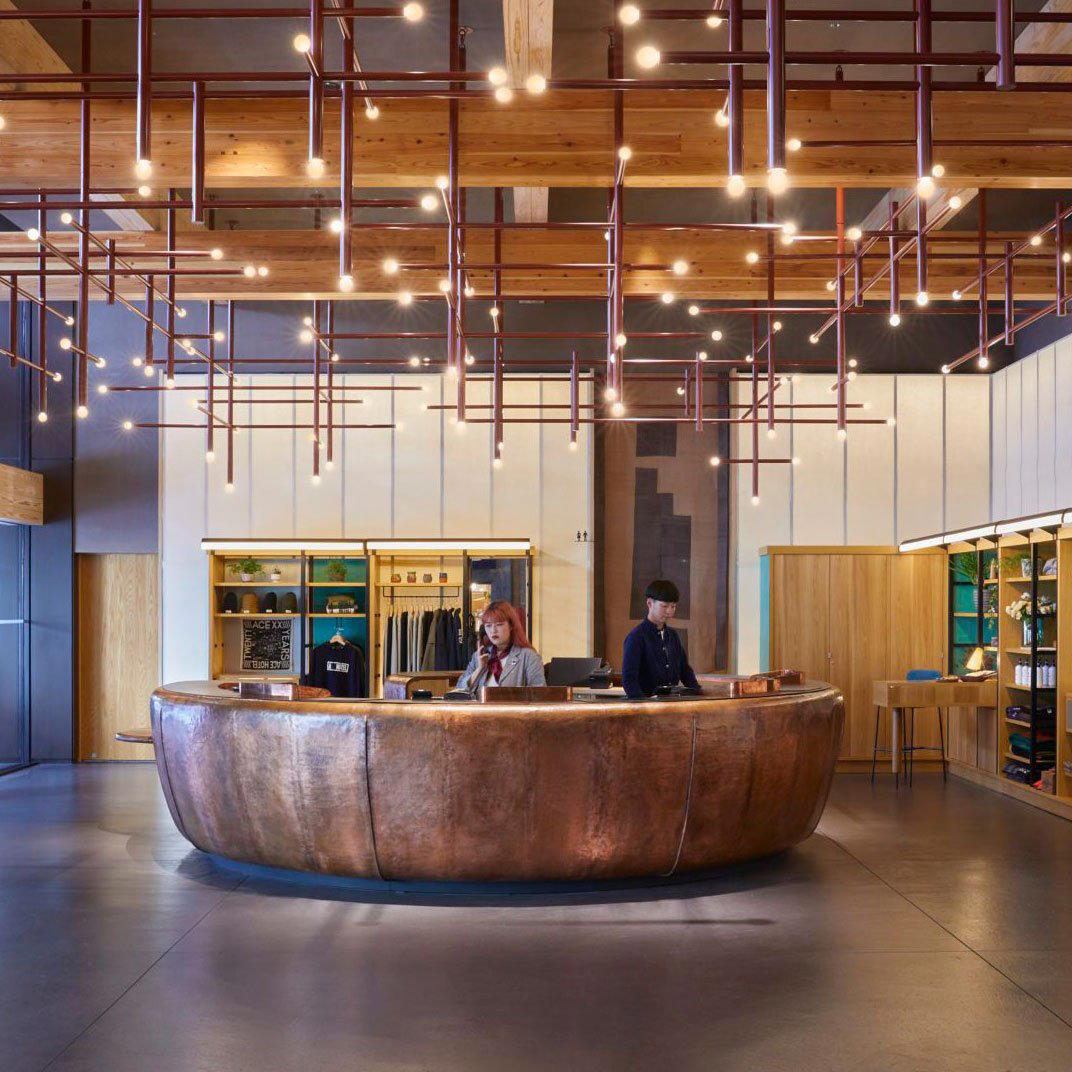
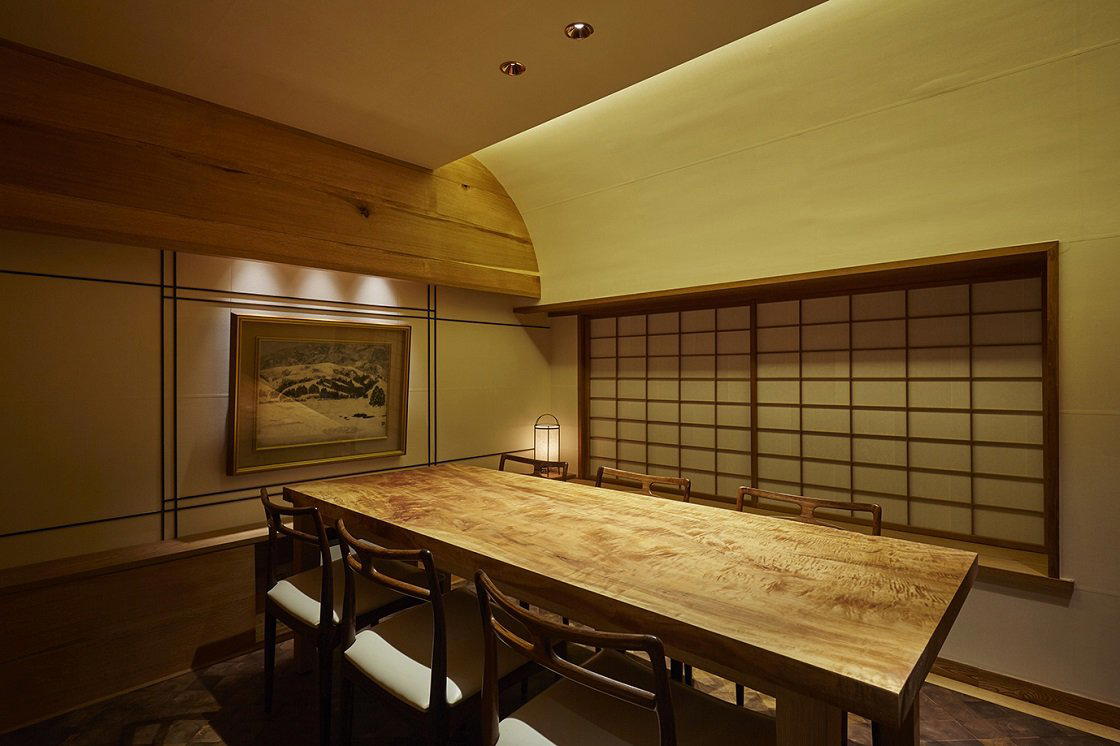
Bars in Mishima District
Browse all →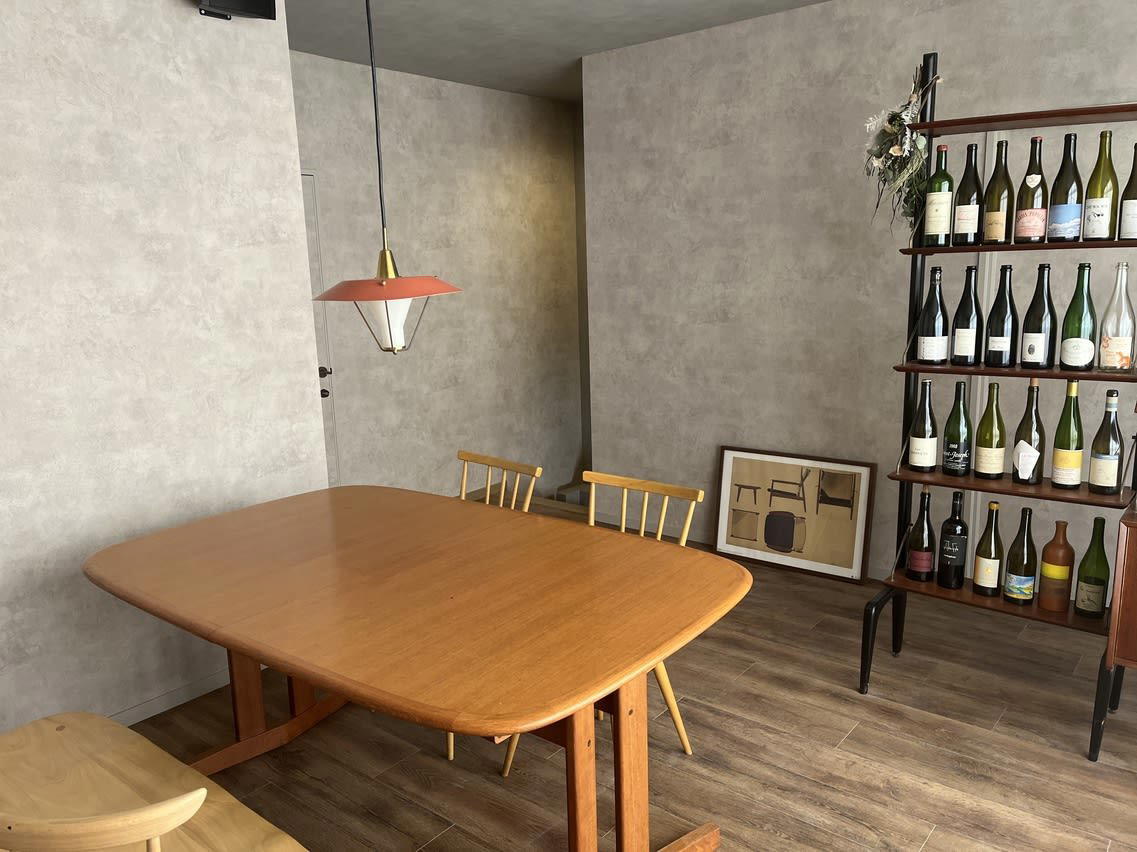
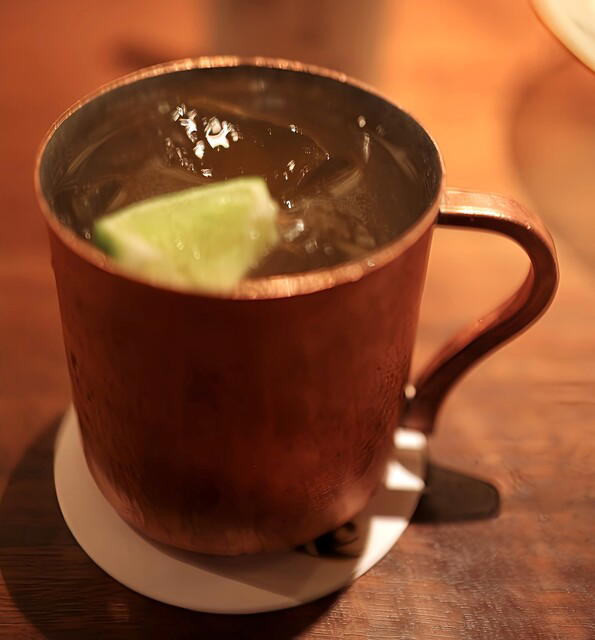
Hotels in Mishima District
Browse all →
Wineries in Mishima District
Browse all →
At a Glance
- Elegant
- Modern
- Scenic
- Date Night
- Special Occasion
- Standalone
- Local Sourcing
- Mountain
Current opening hours
- Monday
- 12–1:30 PM, 6–7:30 PM
- Tuesday
- 12–1:30 PM, 6–7:30 PM
- Wednesday
- 12–1:30 PM, 6–7:30 PM
- Thursday
- Closed
- Friday
- 12–1:30 PM, 6–7:30 PM
- Saturday
- 12–1:30 PM, 6–7:30 PM
- Sunday
- 12–1:30 PM, 6–7:30 PM
Hours can change for holidays and private events. Last verified .
Know Before You Go
- Getting there
- 1 Chome-10-26 Todaiji, Shimamoto, Mishima District, Osaka 618-0002, Japan