
Tabelog 100 #73
Our verdict
Menya Hakkaisan belongs to Osaka’s serious ramen tier: a compact Takatsuki counter recognized in Tabelog’s Ramen OSAKA 100 for 2025, with prior selections stretching back through the West and Osaka lists. The appeal is not ceremony, but focus: a small-room ramen format where pacing, counter discipline, and repeat local confidence matter as much as the bowl itself.

Pearl is the En Primeur Club membership app, where members save venues, book tables and use the concierge.
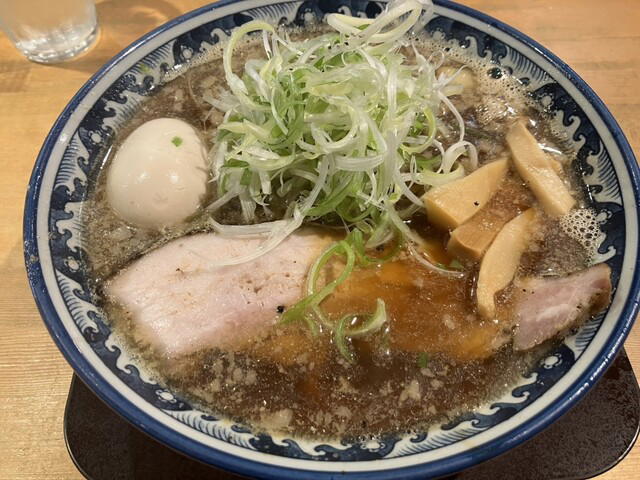
The menu
What to order
- Niboshi soba (煮干そば)
- Ajitama-iri niboshi soba
The first signal is focus. Osaka ramen culture does not need a grand dining room to declare intent; it often works through clear specialization, quick decision-making, and a rhythm that makes lunch brief and exacting. Menya Hakkaisan sits in that lineage: ramen-led, locally legible, and built for diners who read a shop through consistency as much as menu category.
Osaka gives the experience a different register from the densest visitor circuits. This is not only the tourist-facing bowl before a night out, nor simply the late compromise after drinks. The city supports sharp regular habits: solo diners, small groups, and repeat customers who know when a ramen shop has found its cadence. That context matters because repeat custom, not spectacle, keeps a specialist ramen venue relevant over time.
A focused ramen format with serious local recognition
Osaka’s ramen scene is broader than the city’s street-food shorthand suggests. Takoyaki and okonomiyaki dominate the first-timer’s mental map, but ramen here works through specialization: varied soup styles, focused service, and shops that can pull diners beyond the most obvious itinerary stops. In that field, Menya Hakkaisan has a clear external marker: selection through Tabelog Hyakumeiten in 2025. That recognition is more persuasive than atmosphere alone.
The Tabelog score of 3.71 places the shop in a serious user-review bracket for Japan, where ratings compress and small differences carry weight. For ramen, that score signals consensus rather than luxury: enough diners treat the shop as a destination, not a convenience. Compared with nearby casual-price names in the same broad tier, such as Vasco Da Gama Honten, Nakamura Shoten Takatsuki honten, Shio Ramen Asuryu, Resolve Coffee Ten, and present, the point is not price escalation. The distinction is recognition within a crowded category where many shops operate at accessible spend but fewer stand out on a major list.
The format explains much of the appeal. A ramen specialist creates a direct exchange between kitchen, bowl, and diner that larger or more diffuse formats can blur. The experience is judged through timing, clarity, and whether the meal feels purposeful from arrival to exit. Ramen rewards that kind of choreography. The diner notices it as the absence of drag between choosing, eating, and moving on.
Why Osaka changes the ramen equation
Osaka has enough daily volume to support specialist ramen shops, but it also sits outside any single dining identity. For ramen, the value proposition must survive routine. A queue can be fed by novelty; a durable shop has to turn a quick meal into habit.
That is where Menya Hakkaisan reads strongest as part of Osaka’s ramen scene rather than as an isolated address. Its 2025 Tabelog Hyakumeiten recognition suggests visibility in a competitive category. In editorial terms, that is a useful signal. Ramen shops can rise fast on a fashionable style, but standing out on a major user-review platform usually points to consistency, clear identity, and a format that understands everyday demand.
There is also a useful contrast with Osaka’s wider casual dining range. A traveler building a day around accessible Japanese food could move among other Osaka dining rooms, coffee stops, bakeries, pizza counters, or Italian cooking without leaving the city’s everyday register. Ramen belongs in that same daily-life category, but at its sharper end: fewer distractions, faster judgement, and less tolerance for loose execution.
For broader planning, Our full Osaka restaurants guide is the natural companion, while Our full Osaka hotels guide, Our full Osaka bars guide, Our full Osaka wineries guide, and Our full Osaka experiences guide help place a meal here inside a wider Osaka itinerary. The decision is simple: this is a specialist ramen stop for diners willing to prioritize a focused format with measurable local recognition.
How to read the experience before choosing it
The right expectation is not a long-form tasting menu or a chef biography-driven meal. It is a ramen-focused visit where room, team, and category point toward efficiency. A concise format is not a limitation; it is part of the grammar. Solo dining fits naturally because ramen in Japan often treats the individual diner as a default unit, not an exception.
The spending signal is modest but relevant: Tabelog lists both lunch and dinner budgets at JPY 1,000–JPY 1,999, placing the shop in an accessible band without making it feel interchangeable. That matters in Osaka, where casual restaurants often blur quick meal and small social pause. Do not over-program the visit. Let the ramen format do what it does well: compress cooking, service, and decision-making into a short, focused sitting.
Travelers comparing Japanese casual formats beyond Osaka can read Menya Hakkaisan against a wider map of unnamed specialist shops and everyday dining rooms: quick meals, focused categories, modest budgets, and formats that depend on repetition rather than spectacle. The common thread is specialization at casual scale. Menya Hakkaisan fits that pattern with unusual clarity for Osaka ramen: a focused shop, 2025 Tabelog Hyakumeiten recognition, and a format that leaves little space for distraction.
Frequently asked questions
What should I budget for a meal at Menya Hakkaisan?
Pricing at Menya Hakkaisan is listed as JPY 1,000 - JPY 1,999 JPY 1,000 - JPY 1,999 View spending breakdown.
Where exactly is Menya Hakkaisan?
Osaka.
What days is Menya Hakkaisan closed?
Specific opening days and closures are not confirmed here. Check directly with Menya Hakkaisan before planning around a visit.
What's the standout thing about Menya Hakkaisan?
The clearest draw is the format: a focused Osaka ramen shop with a Tabelog score of 3.71 and Tabelog Hyakumeiten recognition in 2025.
What if I have allergies at Menya Hakkaisan?
With a ramen shop, the practical move is to raise allergy concerns before ordering and confirm ingredients on site. The listed budget is JPY 1,000–JPY 1,999, so plan for a focused, casual meal rather than a highly customized dining experience.
A Lean Comparison
Comparable venues at similar price and category levels.
| Venue | Cuisine | Price | Awards | Notes |
|---|---|---|---|---|
| Menya HakkaisanThis venue (the venue you are viewing) | Niboshi-focused Ramen Shop | $10–20 | Tabelog 100 #73 | Not listed |
| Vasco Da Gama Honten | Japanese curry (European-style) | $10–20 | Tabelog 100 #16 | JPY 1,000 - JPY 1,999 JPY 1,000 - JPY 1,999 View spending breakdown |
| present | Not listed | Not listed | Tabelog 100 #71 | JPY 999 |
| Nakamura Shoten Takatsuki honten | Ramen & Tsukemen Shop | $10–20 | Tabelog 100 #13 | JPY 1,000 - JPY 1,999 JPY 1,000 - JPY 1,999 |
| Shio Ramen Asuryu | Shio ramen specialist | $1–10 | Tabelog 100 #2 | JPY 999 |
| Resolve Coffee Ten | Not listed | $1–10 | Tabelog 100 | JPY 999 |
Recognition history
Dated appearances from independent guides and award organizations, with the underlying list record or original source where available.
Tabelog 100 #73 · No. 73
Tabelog · Tabelog 100 - Ramen - OSAKA - 2025
Continue exploring
More in Osaka
Restaurants in Osaka
All restaurants in Osaka →


Bars in Osaka
All bars in Osaka →



Hotels in Osaka
All hotels in Osaka →


Wineries in Osaka
Browse all →
Details
- Cozy
- Modern
- Intimate
- Solo
- Casual Hangout
- After Work
- Chefs Counter
- Standalone
- Sake Program
- A La Carte
- Counter Dining
- Sake
- Beer
Current opening hours
- Monday
- 11:30 AM–2:30 PM
- Tuesday
- 11:30 AM–2:30 PM
- Wednesday
- 11:30 AM–2:30 PM
- Thursday
- 11:30 AM–2:30 PM
- Friday
- 11:30 AM–2:30 PM
- Saturday
- 11:30 AM–2:30 PM
- Sunday
- Closed
Hours can change for holidays and private events. Hours as of .
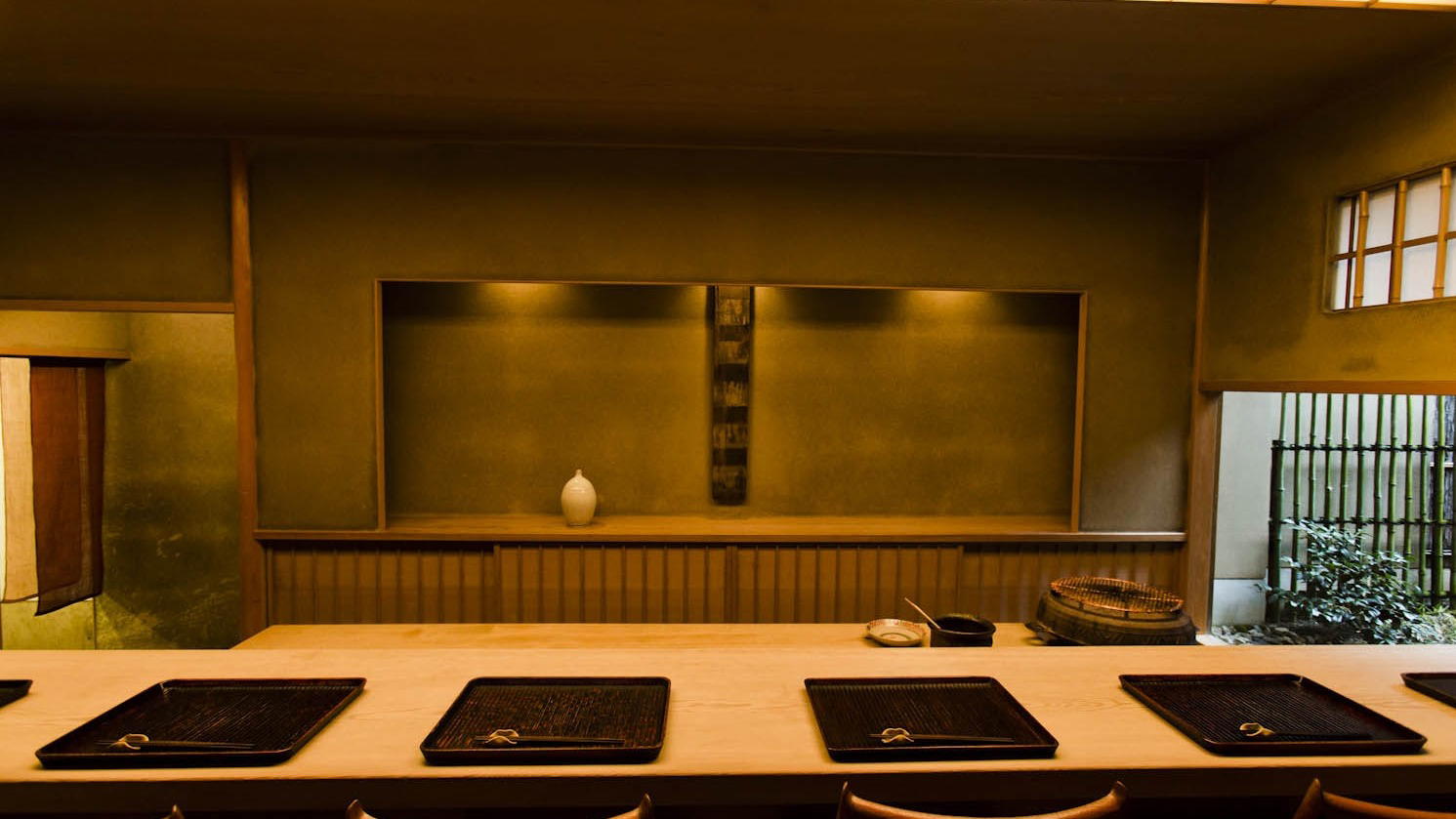
Small, stylish counter-only ramen shop with about ten seats, a clean modern look, and an intimate, slightly bustling atmosphere typical of popular lunch-focused spots.