Our verdict
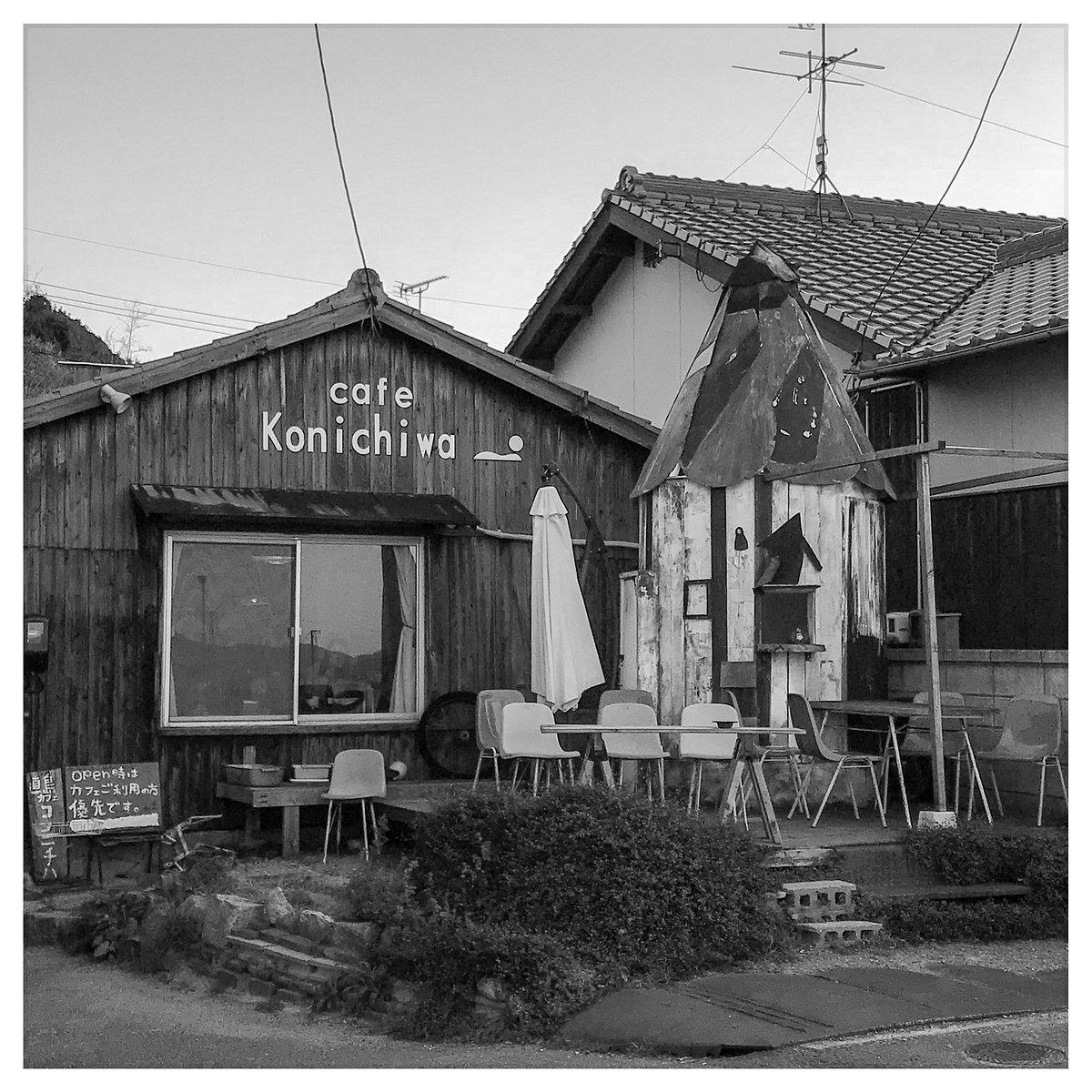
On the art island of Naoshima, where most visitors arrive for Kusama and Tadao Ando, Cafe Naoshima Konichiwa operates in the quieter register that defines the island's slower rhythms. The cafe sits within a dining scene built on local Seto Inland Sea ingredients and a philosophy of deliberate restraint, making it a natural stop for those exploring Naoshima beyond its gallery circuit.

Pearl is the En Primeur Club membership app, where members save venues, book tables and use the concierge.
The menu
What to order
- Konnichiwa Curry with Seafood
- Cream Cheese Risotto
- Hand-Dripped Coffee
Eating on the Art Island: What Naoshima's Cafe Culture Actually Looks Like
Naoshima is unusual among Japan's islands in that its culinary identity was shaped by its cultural one. When Benesse Corporation began transforming this small Seto Inland Sea island into an art destination through the 1990s and 2000s, the dining scene that grew around it inherited a particular sensibility: low-volume, ingredient-led, and oriented toward visitors who had already opted out of urban speed. That context matters when reading any cafe or restaurant here, including Cafe Naoshima Konichiwa. This is not a city cafe transposed to a scenic backdrop. It is a place that belongs to an island where the ferry schedule, not the reservation clock, structures the day.
The Seto Inland Sea supplies a pantry that most Japanese coastal kitchens would envy. Tai (sea bream), octopus, and seasonal shellfish come from waters that are protected from heavy shipping traffic by the island geography, and local agricultural produce from surrounding Kagawa and Okayama prefectures feeds into kitchens at every price point. For cafes operating on Naoshima, sourcing from this regional supply chain is less a marketing position than a practical and cultural default. The island's small scale means that provenance is often visible and traceable in ways that urban restaurant sourcing rarely achieves.
The Island's Dining Tier and Where Cafes Fit
Naoshima's restaurant scene divides into two broad layers. At the upper end, Issen at Benesse House operates within the Benesse resort complex, serving guests whose access to the island is bundled with accommodation and the museum circuit. That tier has institutional backing, controlled access, and a pricing structure that reflects it. Below that sits a diverse secondary layer of independent cafes, teahouses, and small restaurants distributed across the island's three main zones: Honmura, the old town with its Art House Project; the Miyanoura port area, where ferries from Uno and Takamatsu arrive; and the southern museum cluster around Benesse House.
Cafe Naoshima Konichiwa operates within that independent secondary layer, alongside places like Akaito Coffee and Cafe Salon Nakaoku. This is the tier that most day-trippers and independent travellers encounter, and it functions as the island's connective tissue between gallery visits and ferry departures. The quality ceiling in this tier is defined not by technique or formality but by ingredient access and the discipline to let those ingredients carry the menu.
Ingredient Logic on a Small Island
What makes Naoshima's cafe culture worth taking seriously as a food stop rather than merely a convenience is the supply chain it draws from. Kagawa Prefecture, which administers Naoshima, is known across Japan for sanuki udon, olive-fed beef from Shodoshima, and a seafood culture rooted in Seto Inland Sea fishing traditions. A cafe on Naoshima that sources locally is effectively pulling from one of the more distinct regional pantries in western Japan.
This stands in contrast to the pattern in many art-destination towns globally, where visitor-facing cafes default to generic menus that travel easily and offend no one. The better independents on Naoshima resist that drift. They serve set lunches built around what is seasonal and available, often featuring the kind of small-catch fish preparation that would cost considerably more in Osaka or Tokyo. Visitors coming from meals at HAJIME in Osaka or Harutaka in Tokyo will find the register entirely different, but the underlying ingredient seriousness is recognisable.
Planning a Day Around Naoshima's Cafe Scene
Naoshima receives the majority of its visitors as day-trippers, arriving by Uno Line ferry from Uno Port in Okayama Prefecture or by high-speed ferry from Takamatsu in Kagawa. Most boats run on schedules that concentrate arrival between mid-morning and early afternoon, which means the island's cafes absorb most of their traffic in a compressed lunch window. Arriving on the first or second ferry of the day, before 10am, gives visitors the leading chance of finding seating without a queue. By 12:30pm, the more popular independent spots can fill quickly, particularly on weekends between April and October, when the island draws its heaviest visitor numbers.
The practical approach for visitors combining gallery time with a sit-down meal is to eat before or after the main museum cluster rather than between venues. The Benesse House Museum and the nearby Chichu Art Museum have fixed-entry windows, and timing a meal at a cafe like Cafe Naoshima Konichiwa around those slots avoids the post-gallery rush. Honmura, the old townscape that houses the Art House Project installations, tends to have a slightly different visitor rhythm to the museum cluster and is worth considering for a quieter midday stop.
Naoshima in the Broader Japan Context
Japan's regional dining culture has strengthened considerably over the past decade, partly as a function of domestic tourism growth and partly because younger chefs have increasingly chosen to work outside Tokyo and Osaka. Restaurants like Gion Sasaki in Kyoto, akordu in Nara, and Goh in Fukuoka represent the higher end of that regional turn. Naoshima's contribution to this pattern is more modest in ambition but consistent in its direction: small operations using local ingredients for visitors who have already self-selected for a slower, more considered kind of travel.
That self-selection is worth noting. The typical Naoshima visitor has made a deliberate logistical effort to reach the island, which filters the crowd toward people who read menus rather than photograph them. For a cafe operating here, that is both a challenge and a structural advantage: the audience is attentive, and the threshold for what counts as an interesting meal is shaped by cultural curiosity rather than social performance. Cafes elsewhere in Japan's more tourist-saturated cities face a harder version of that equation. See our full Naoshima restaurants guide for a complete map of where to eat across the island's zones.
For those whose Japan itinerary takes them further afield, the regional independent dining scene extends well beyond the Setouchi islands. 一本木 名川製 in Nanao, 夕仙庵之 in Sapporo, and 湖鱗庵坊 in Takashima each operate in that same vein of regionally grounded, deliberately scaled dining that Naoshima's cafe scene represents at its own level. The comparison is useful not as a ranking exercise but as a way of understanding that this approach to food is a coherent national pattern, not an isolated island quirk.
Frequently asked questions
Is Cafe Naoshima Konichiwa a good base for visiting Naoshima's art sites in a single day?
Naoshima's main art institutions, including the Chichu Art Museum and the Benesse House museums, are spread across the island's southern end, and most visitors cover them within a single day trip from Uno Port or Takamatsu. A cafe stop in Naoshima town itself fits logically between museum visits, given that the ferry schedule typically allows four to six hours on the island.
What's the must-try dish at Cafe Naoshima Konichiwa?
The venue data on record does not specify individual dishes. What the broader Naoshima cafe context does confirm is that island cafes in this area draw from Kagawa Prefecture's local supply chain, expect seasonal, regionally sourced food rather than a fixed signature item. Checking current offerings on arrival or via the venue directly is the reliable approach here.
How hard is it to get a table at Cafe Naoshima Konichiwa?
Naoshima receives the bulk of its visitors as day-trippers, meaning the island's cafes absorb concentrated lunchtime demand between ferry arrivals. Timing your visit outside the midday peak, roughly 11:30am to 1:30pm, is the practical answer for avoiding a wait.
What's Cafe Naoshima Konichiwa best at?
Within Naoshima's dining structure, cafes occupy the accessible, walk-in tier below resort dining options like Issen at Benesse House. Cafe Naoshima Konichiwa's position in that tier makes it a functional, locally grounded stop for day-trippers moving between the island's art sites, Kagawa Prefecture's ingredient base gives the food more regional character than the convenience-stop category might suggest.
Can Cafe Naoshima Konichiwa handle vegetarian requests?
Japan's regional cafe scene generally works with seasonal vegetables and fish rather than meat-centred menus, so vegetarian options are plausible, but confirming specific accommodation directly with the cafe before visiting is advisable, particularly for stricter dietary requirements.
Comparable Spots, Quickly
| Venue | Cuisine | Price |
|---|---|---|
| Cafe Naoshima KonichiwaThis venue (the venue you are viewing) | Japanese Café & Curry | $10–20 |
| Akaito Coffee | Not listed | $1–10 |
| Cafe Salon Nakaoku | Japanese Comfort Cafe | $20–30 |
| Issen at Benesse House | Japanese Kaiseki | $50–100 |
Continue exploring
More in Naoshima
Restaurants in Naoshima
All restaurants in Naoshima →

Bars in Naoshima
Browse all →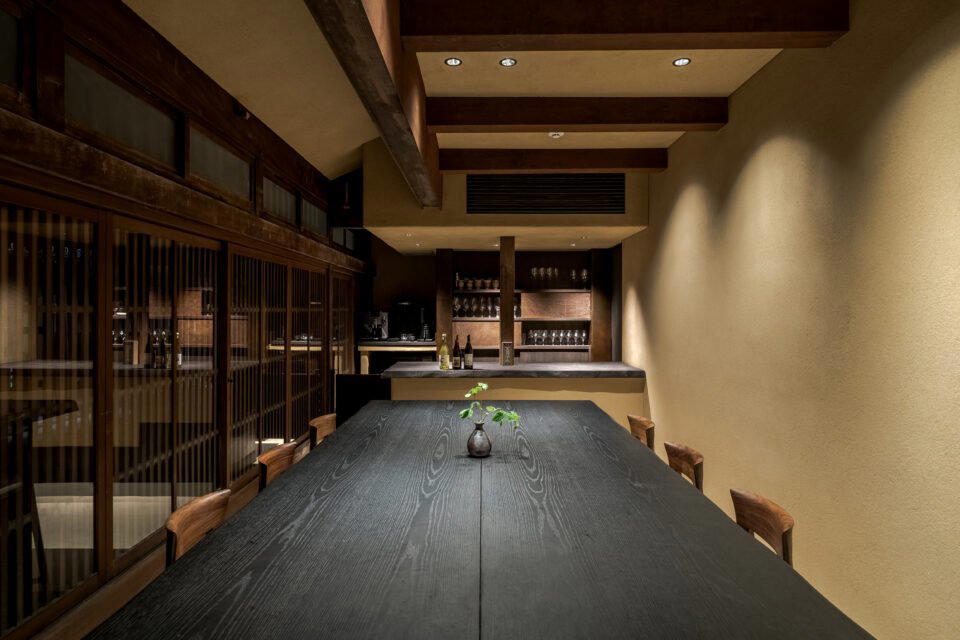
Details
- Cozy
- Rustic
- Quiet
- Scenic
- Casual Hangout
- Solo
- Group Dining
- Brunch
- Waterfront
- Terrace
- Historic Building
- Standalone
- Sake Program
- Byob
- Local Sourcing
- Waterfront
- A La Carte
- Set Menu
- Coffee
- Sake
- Cocktails
- Vegetarian Friendly
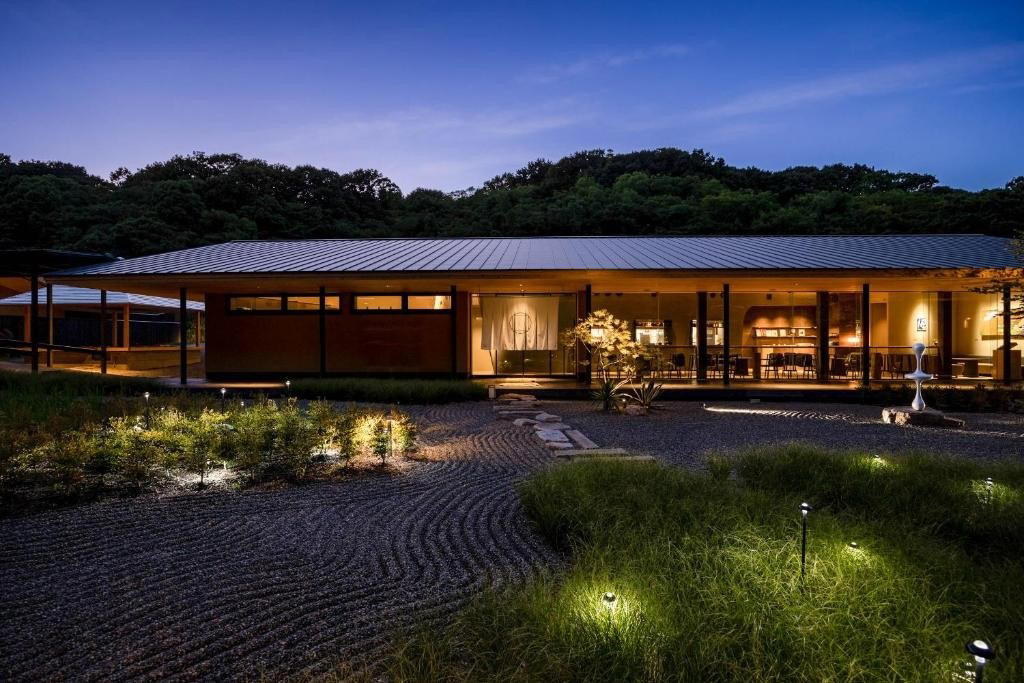
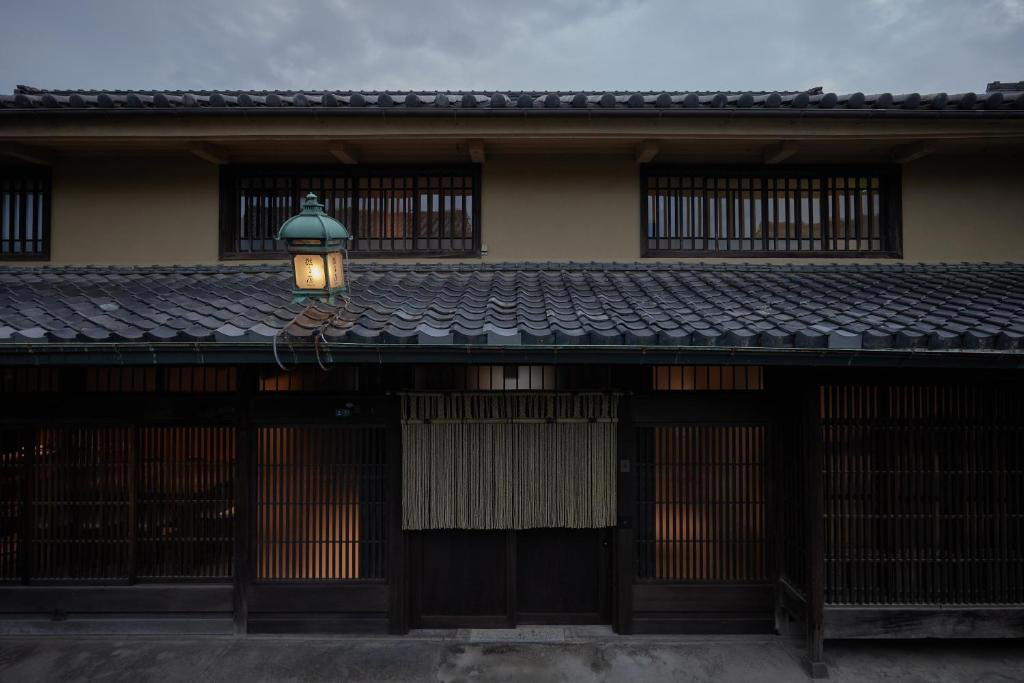
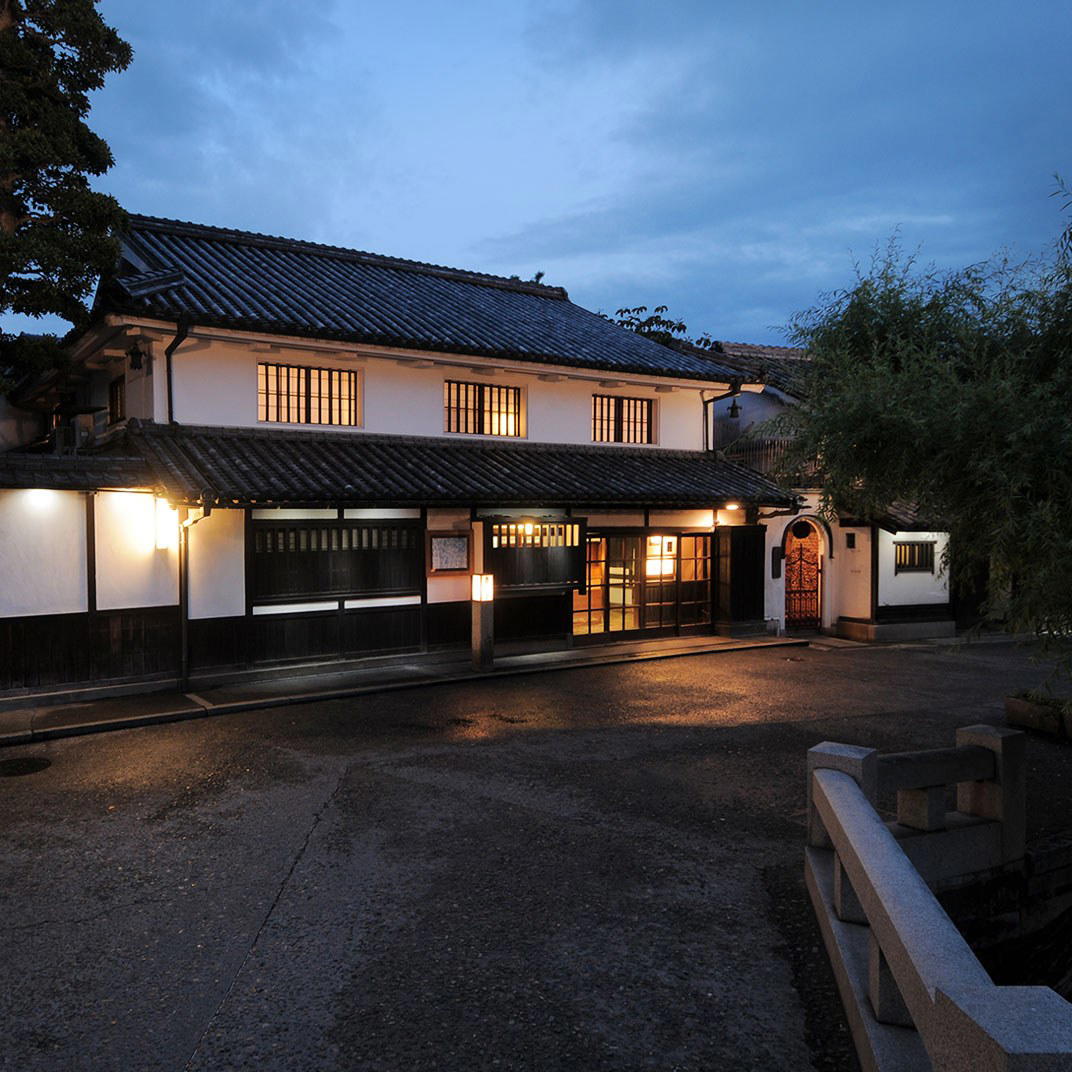
Rustic and intimate with tatami mats, low wooden platforms, and natural light; decorated with locally-made trinkets and characterized by a homey, unpretentious aesthetic reminiscent of a traditional Japanese house.