Denko Sekka occupies a specific tier in Hiroshima's premium dining scene, where ingredient provenance and seasonal discipline define the kitchen's approach. The restaurant sits within a city that has quietly built a serious fine-dining infrastructure outside Japan's more trafficked culinary capitals. Advance booking is advisable for those planning around Hiroshima's tighter reservation windows.
 Request Booking on Pearl
Pearl is the En Primeur Club membership app — saves, bookings, and concierge access live there. Same editors, same standards.
What Hiroshima's Premium Dining Scene Actually Looks Like
Japan's fine-dining conversation defaults to Tokyo, Kyoto, and Osaka, but Hiroshima has developed a coherent tier of serious restaurants that operate outside that gravitational pull. The city's geography helps: proximity to the Seto Inland Sea gives kitchens access to shellfish, fish, and coastal produce that urban restaurants to the east often source at one remove. Hiroshima oysters are the obvious entry point, but the broader Setouchi larder, small-boat fish, local citrus, mountain vegetables from the Chugoku range, gives disciplined kitchens genuine sourcing options that don't require importing prestige ingredients from elsewhere. Denko Sekka operates within this context, in a city where ingredient access and kitchen discipline are increasingly the deciding factors between good and notable.
The Physical Experience: Approaching the Counter
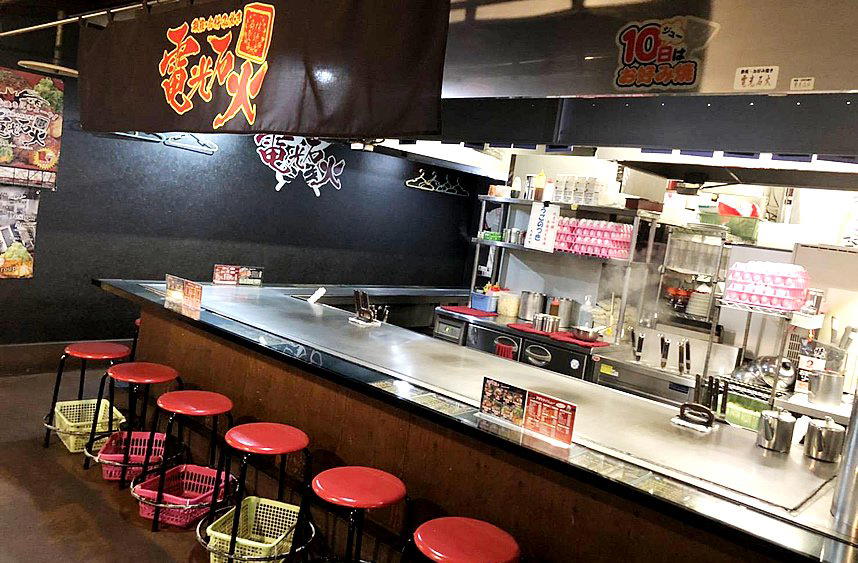
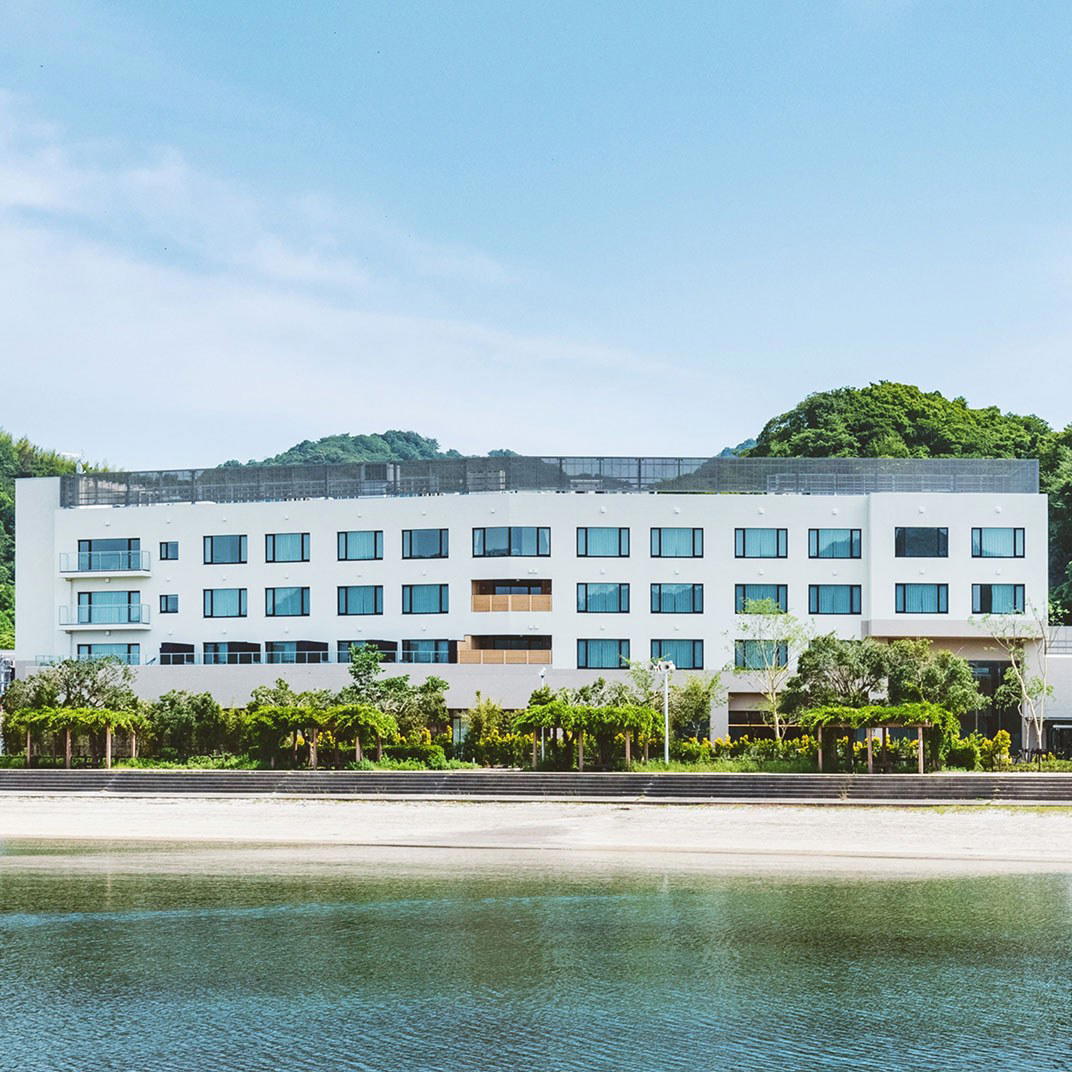
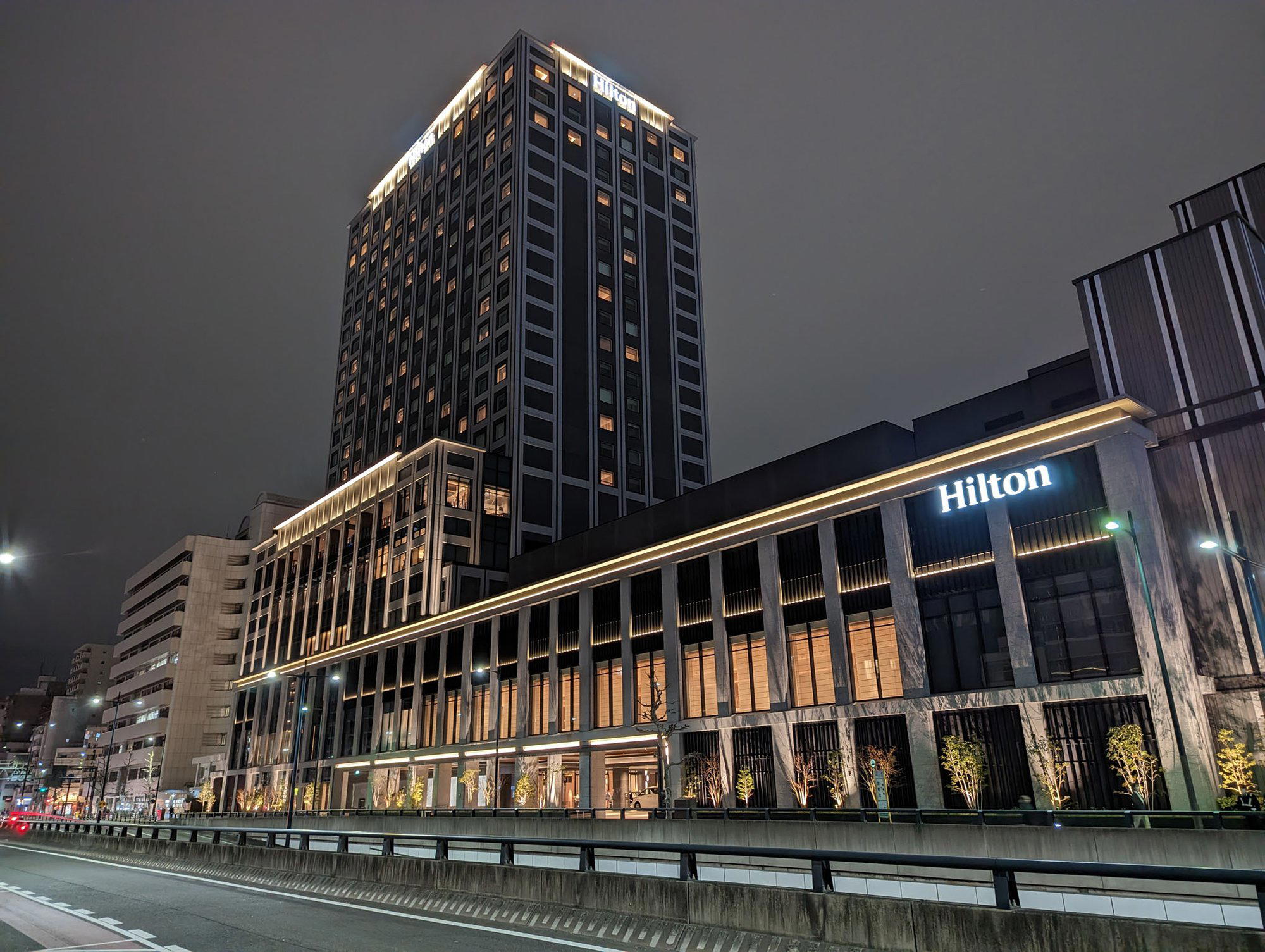
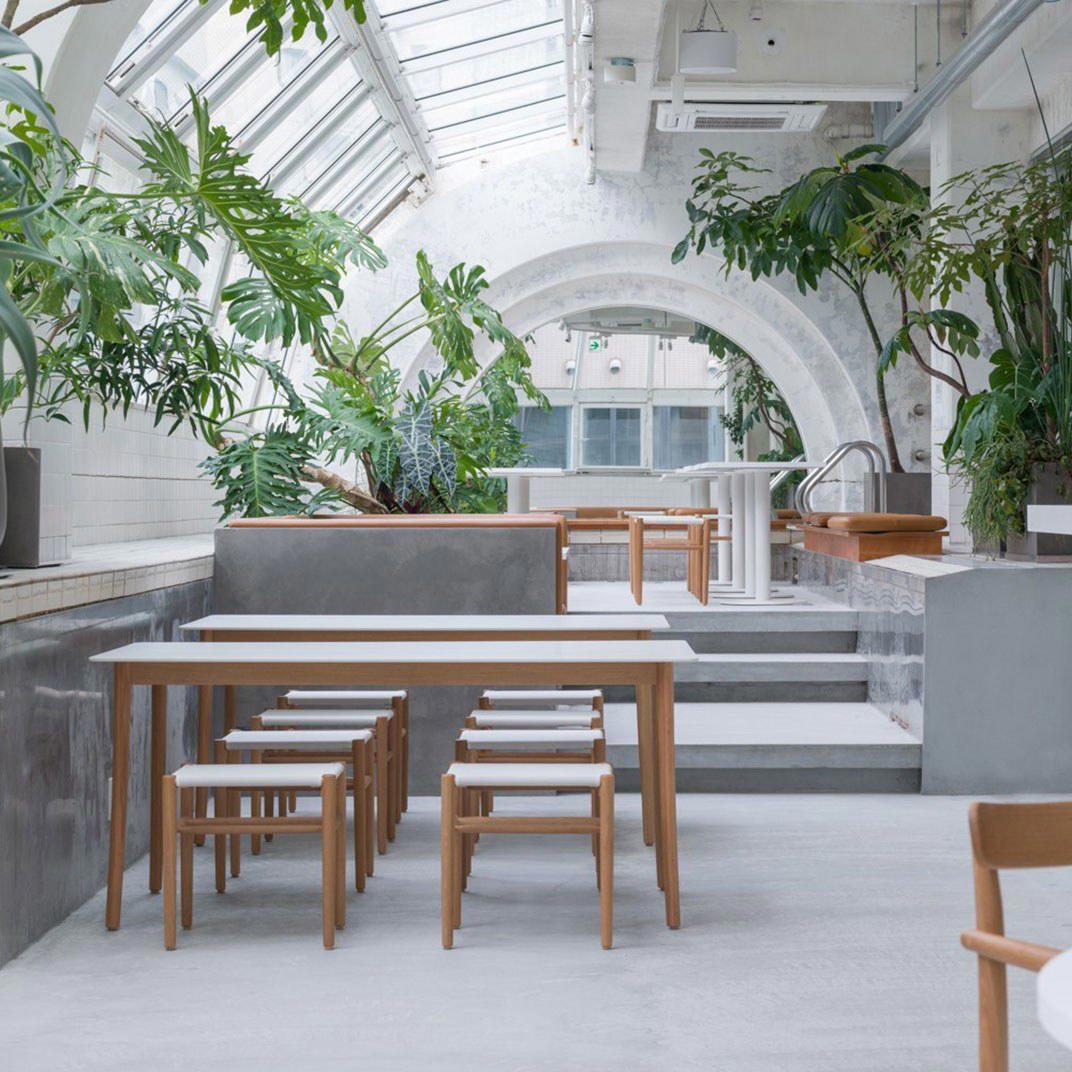
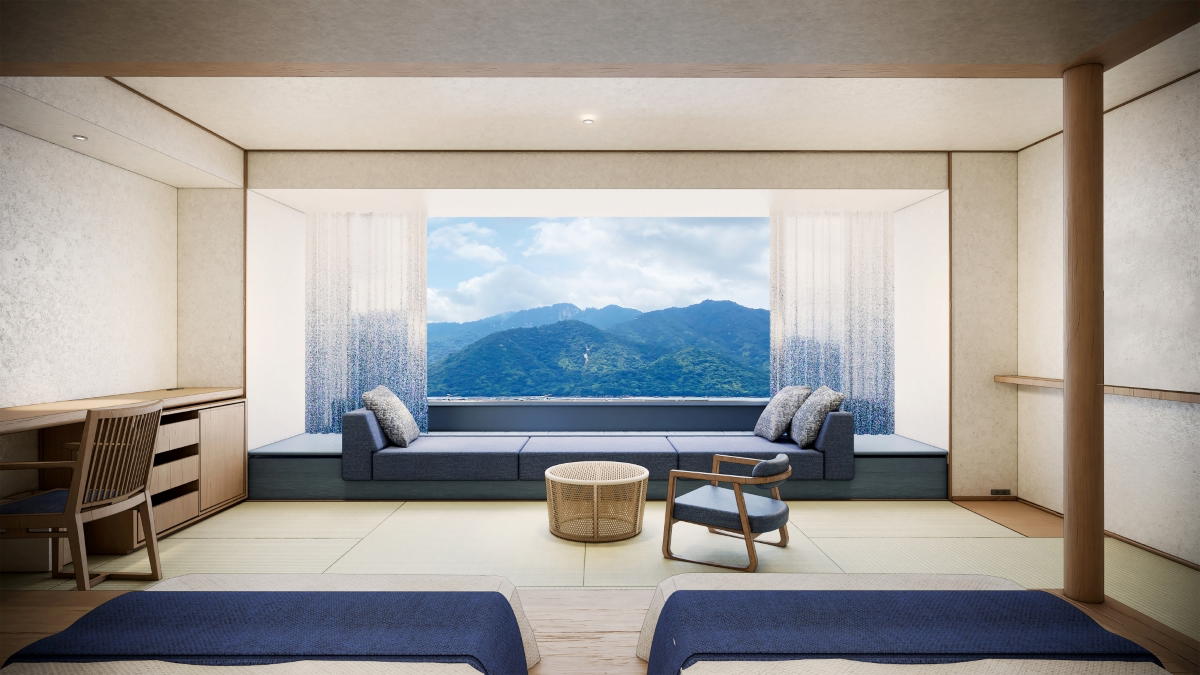
Premium Japanese restaurants in the kaiseki and omakase formats share a certain architectural grammar: restrained exteriors, a deliberate threshold between street and interior, materials chosen to signal quality without announcing it. Denko Sekka follows this pattern. The transition from Hiroshima's street-level noise into the dining space is the first editorial statement the kitchen makes, before a dish arrives, the environment frames how food will be received. Light, surface texture, and the arrangement of the counter or table communicate something about what kind of attention the kitchen expects from its guests. In Japan's premium restaurant tier, the physical environment functions as part of the meal's pacing.
Ingredient Sourcing as the Kitchen's Core Argument
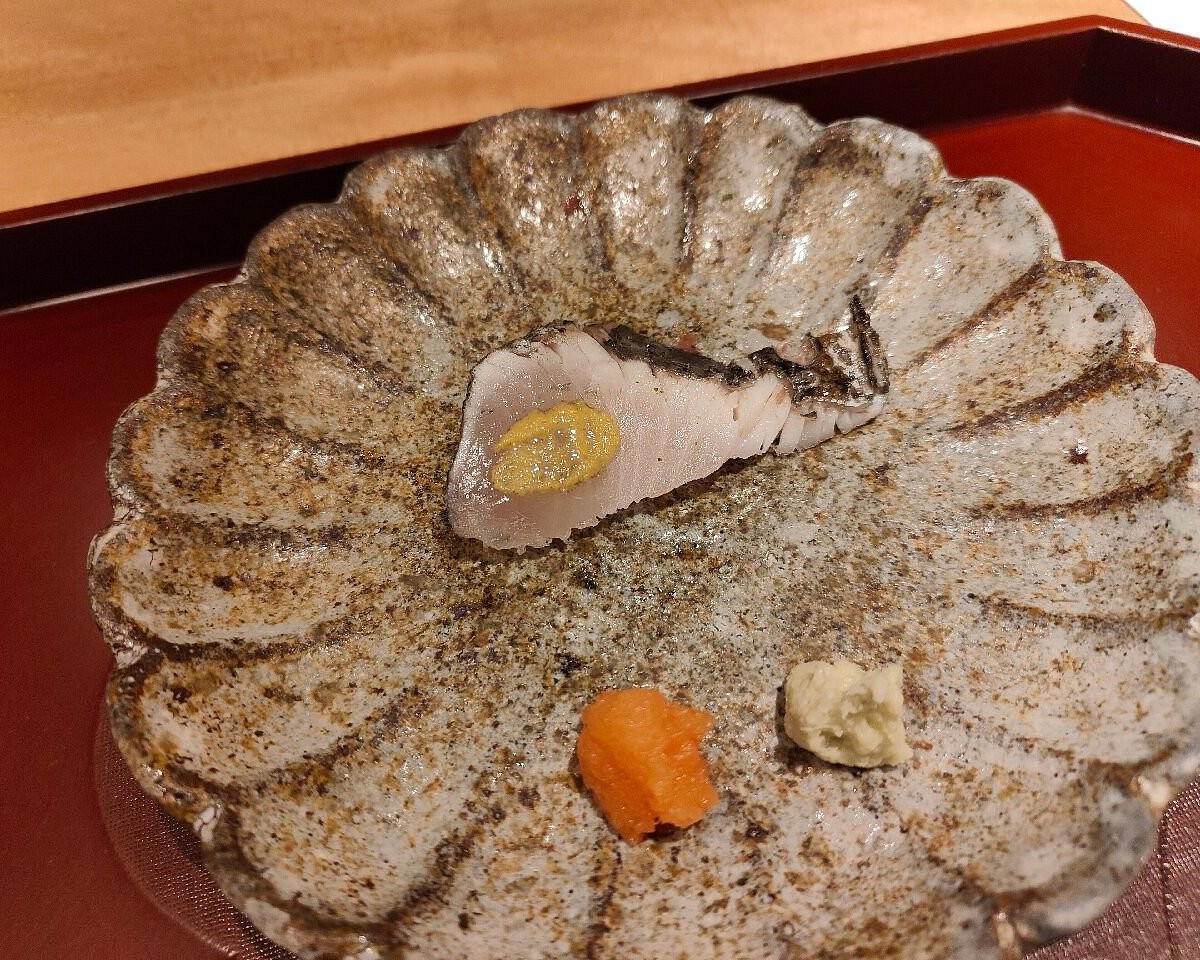
One important question to ask of any serious Japanese kitchen is not what it cooks, but where it sources. In Hiroshima's case, the answer begins with the sea. The Seto Inland Sea, the body of water between Honshu, Shikoku, and Kyushu, produces some of Japan's most prized coastal ingredients. The tidal patterns and depth variations across the Setouchi region create conditions that differentiate its oysters, sea bream, and small pelagic fish from what comes off the Pacific coast. Hiroshima oysters in particular have a reputation that extends well beyond the prefecture: the city produces roughly 60 percent of Japan's farmed oyster output, and the quality differential between farm-to-kitchen Hiroshima product and what reaches Tokyo restaurants several days later is meaningful.
Kitchens that take ingredient sourcing seriously in this region don't simply list provenance on a menu. They structure their seasons around it. What the Seto Inland Sea yields in late autumn differs sharply from what a spring service can draw on, and a kitchen that sources with genuine discipline will shift its approach accordingly. Mountain-side produce from the Chugoku range, wild vegetables, mushrooms, locally foraged ingredients, adds a second sourcing axis that distinguishes Hiroshima-area kitchens from their coastal-only peers.
Gion Sasaki in Kyoto is one reference point for how a kitchen can use regional ingredients as a structural argument rather than a marketing footnote. HAJIME in Osaka takes that logic further, building its menu architecture explicitly around provenance. And in a different register entirely, Le Bernardin in New York City demonstrates how ingredient-first cooking translates across traditions when the sourcing discipline is real.
Hiroshima's comparable set and Where Denko Sekka Sits
Within Hiroshima's own premium tier, the comparison set includes restaurants working in different formats but drawing on the same regional larder. Chiso Sottakuito and Eizan represent the kaiseki tradition in the city, each with its own sourcing relationships and seasonal approach. NAKADO occupies a different register, and MASUKI, priced in the JPY 20,000 to 29,999 range, shows where Chinese-inflected cooking fits within the city's premium spending tier. CHILAN rounds out the picture of a city whose upper dining tier is broader than most visitors expect.
Goh in Fukuoka represents what rigorous French-Japanese technique looks like in Kyushu, while akordu in Nara and Harutaka in Tokyo offer useful calibration points at different price levels and formats. Further afield, Atomix in New York City shows how the omakase format travels when the sourcing logic is adapted to a different geography entirely.
一本杉 川島 in Nanao, 古往今来 in Sapporo, 湖鱒亭 in Takashima, 庄内屋 in Nishikawa Machi, and Birdland in Sakai each represent a regional tradition worth understanding before assuming Tokyo is the only point of reference for serious Japanese cooking.
Planning a Visit: What to Know
Hiroshima is accessible by shinkansen from Osaka in roughly 90 minutes and from Tokyo in under four hours, which places it firmly within day-trip range for visitors based in Japan's larger cities, though the dining tier here rewards a proper overnight stay. Premium restaurants in the city operate on booking windows that vary by format: kaiseki counters at the higher end typically require reservations made weeks in advance, and foreign visitors without Japanese-language capability sometimes find that direct booking requires a hotel concierge as intermediary. Arriving with a confirmed reservation rather than planning to walk in is not optional at this level.
Comparison Snapshot
Comparable venues nearby, for context on price, style, and recognition.
| Venue | Cuisine | Price | Notes |
|---|---|---|---|
| Denko SekkaThis venue — the venue you are viewing | Hiroshima-Style Okonomiyaki | $$ | Not listed |
| Suisen | Seasonal Seafood Sushi & Izakaya | $$ | Naka-ku |
| Hiroshima Marukajiri Naka-chan | Hiroshima okonomiyaki & teppanyaki izakaya | $$ | Naka |
| Soraya | Japanese Standing Bar | $$ | Naka |
| Denko Sekka (電光石火) | Hiroshima-style Okonomiyaki | $$ | Hiroshima Station area |
| Shunrai | Teppanyaki Steak & Seafood | $$$ | Naka |
Continue exploring
More in Hiroshima
Restaurants in Hiroshima
Browse all →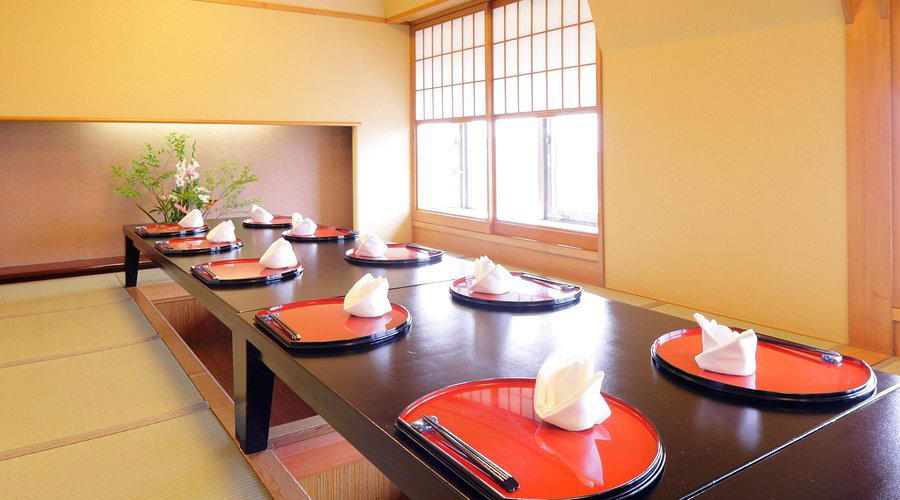
Bars in Hiroshima
Browse all →
At a Glance
- Lively
- Energetic
- Well Known
- Casual Hangout
- Group Dining
- Solo
- After Work
- Open Kitchen
- Chefs Counter
- Beer Program
- Local Sourcing
Lively and bustling counter-style dining on the 6th floor with open teppanyaki hotplates, energetic atmosphere with sizzling sounds and rising aromas creating a live performance feel.