Our verdict
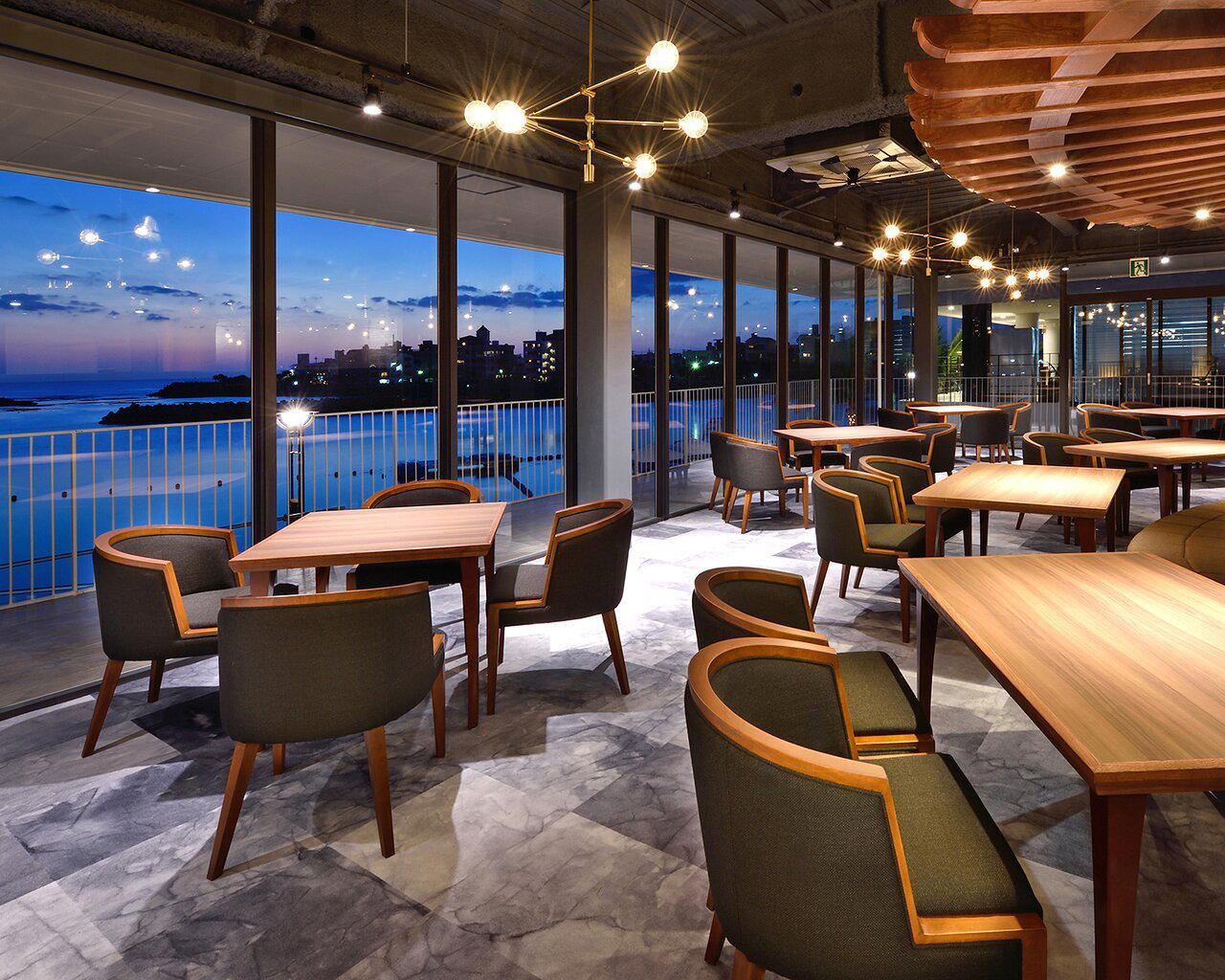
Blue Ocean Steak serves Okinawan Wagyu steakhouse cooking in Chatan, with waterfront views, a sake program, and a leisurely pace that suits dinner plans.

Pearl is the En Primeur Club membership app, where members save venues, book tables and use the concierge.
The menu
What to order
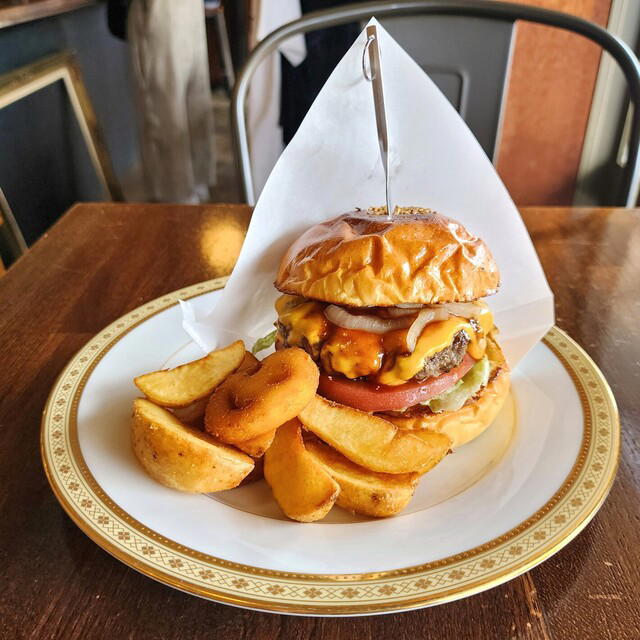
- Okinawan Wagyu fillet
- Special Dinner Course
- Sirloin steak
Frequently asked questions
What is the atmosphere like at Blue Ocean Steak?
The Mihama address in Chatan places Blue Ocean Steak inside a commercial and entertainment district that skews casual and tourist-friendly rather than formal. Expect the room to operate at an accessible register consistent with the area's mix of local families and visitors from mainland Japan. The steak format itself tends to keep service straightforward and pace-driven compared to multi-course kaiseki settings.
How does dining at Blue Ocean Steak in Chatan differ from steak experiences in mainland Japan?
Okinawa's steak culture developed under postwar American military influence, producing a grilled-beef tradition that sits apart from the teppanyaki or sukiyaki formats common on the mainland. A restaurant in Chatan's Mihama district operates within that local lineage rather than chasing the Kobe or A5 wagyu prestige model that dominates mainland steak marketing. The Nakagami District setting also means proximity to Okinawa-raised beef, a product with its own regional designation distinct from prefectures like Miyazaki or Kagoshima.
What part of town is Blue Ocean Steak in?
Blue Ocean Steak is located at Japan, 〒904-0115 Okinawa, Nakagami District, Chatan, Mihama, 51−2 2階, Nakagami District.
What's the best way to book Blue Ocean Steak?
Restaurants in Mihama's commercial zone often accommodate walk-ins, particularly at off-peak hours, though this varies by season given Chatan's tourist volume. Checking for a listing on Tabelog or Google Maps is a practical first step for contact details and current hours.
What's Blue Ocean Steak best at?
Blue Ocean Steak's name and Mihama address position it squarely within Okinawa's steak dining tradition, which is distinct from mainland Japanese wagyu formats. That tradition traces back to postwar American influence in the prefecture, producing a beef culture that prioritizes grilled cuts in a way uncommon elsewhere in Japan. For visitors to Nakagami District, that regional specificity is the clearest reason to seek out a venue like this.
Comparable Venues
Comparable venues nearby, for context on price, style, and recognition.
| Venue | Cuisine | Price | Notes |
|---|---|---|---|
| Blue Ocean SteakThis venue (the venue you are viewing) | Okinawan Wagyu Steakhouse | $50–100 | Not listed |
| Grilled Fukugyu restaurant | Yakiniku Wagyu | $100–150 | Chatan-cho |
| Wagyu Teppanyaki SASUKE | Premium A5 Wagyu Teppanyaki | $100–150 | Chatan, Nakagami District |
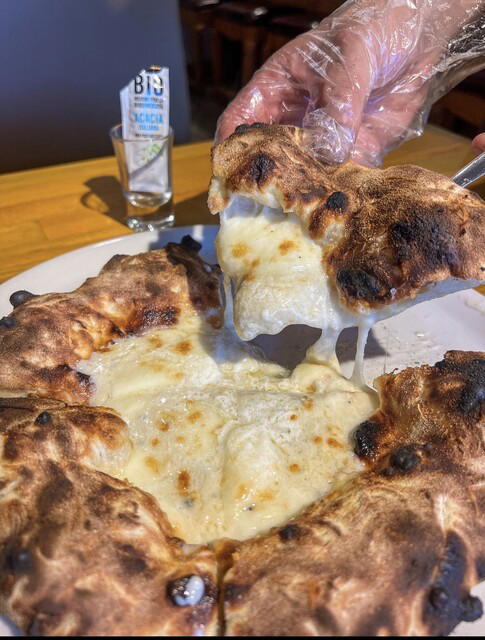
| Maruki | Stone Oven Pizza Italian | $20–30 | Yomitan-son |
| Yakiniku Ryukyunoushi Chatan | Okinawan Yakiniku | $50–100 | Chatan-cho |
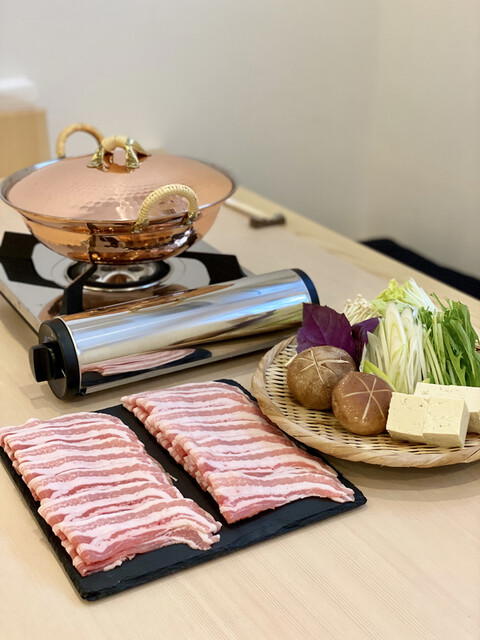
| 北谷ダイニング ちゃぁぶ~ | Okinawan Aguu Pork Shabu-Shabu | $30–50 | Chatan |
Continue exploring
More in Chatan
Restaurants in Chatan
All restaurants in Chatan →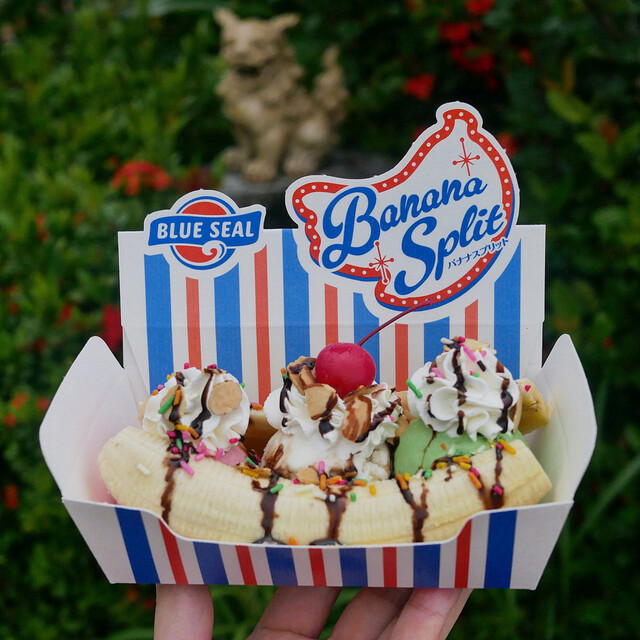
Details
- Elegant
- Romantic
- Scenic
- Sophisticated
- Date Night
- Special Occasion
- Celebration
- Waterfront
- Sake Program
- Waterfront
- A La Carte
- Set Menu
Current opening hours
- Monday
- 4:30–11 PM
- Tuesday
- 4:30–11 PM
- Wednesday
- 4:30–11 PM
- Thursday
- 4:30–11 PM
- Friday
- 4:30–11 PM
- Saturday
- 4:30–11 PM
- Sunday
- 4:30–11 PM
Hours can change for holidays and private events. Hours as of .
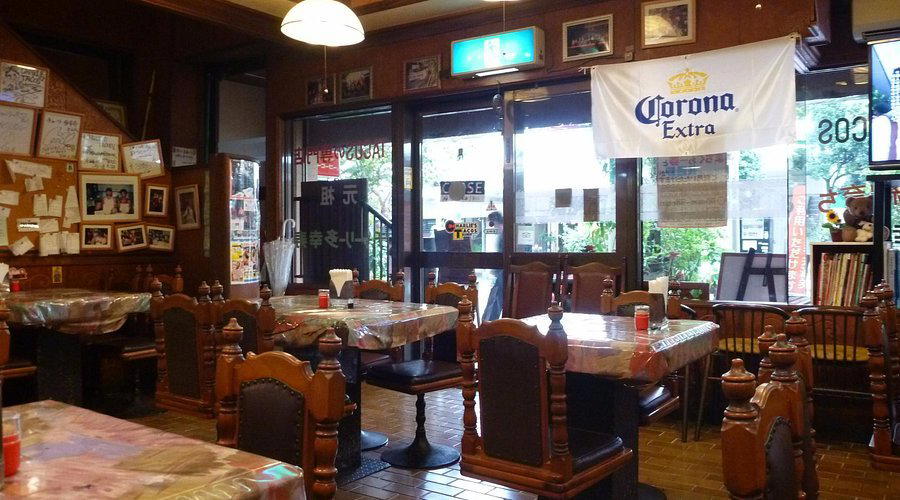
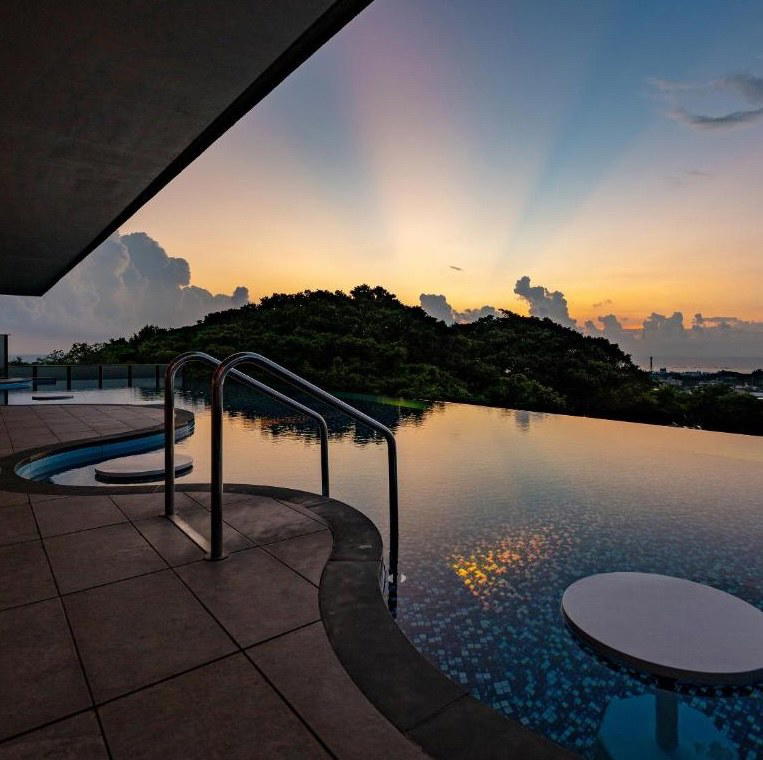
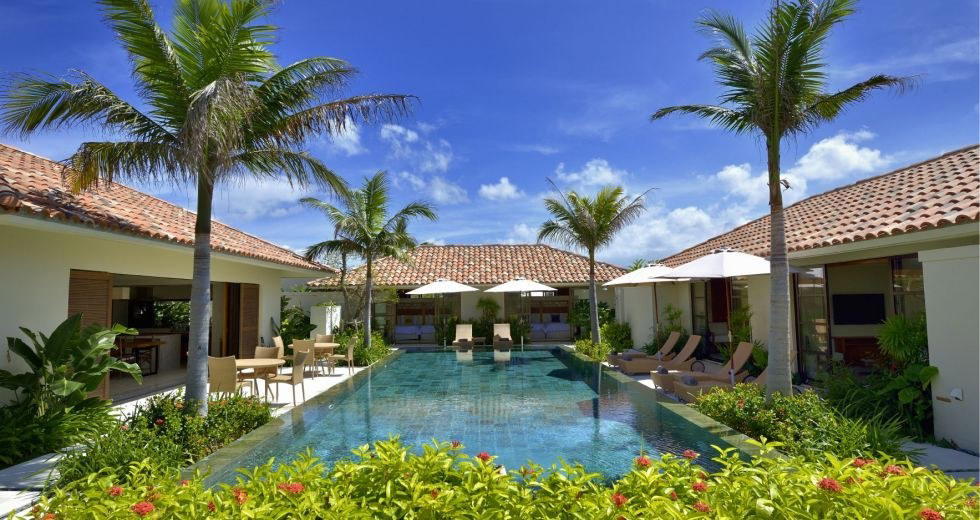
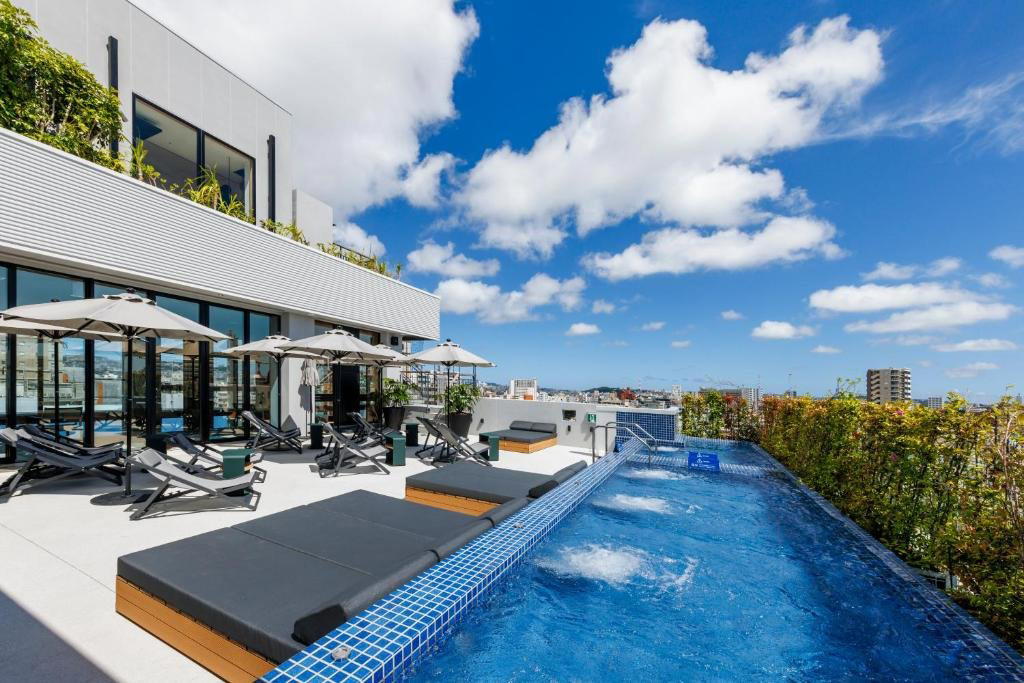
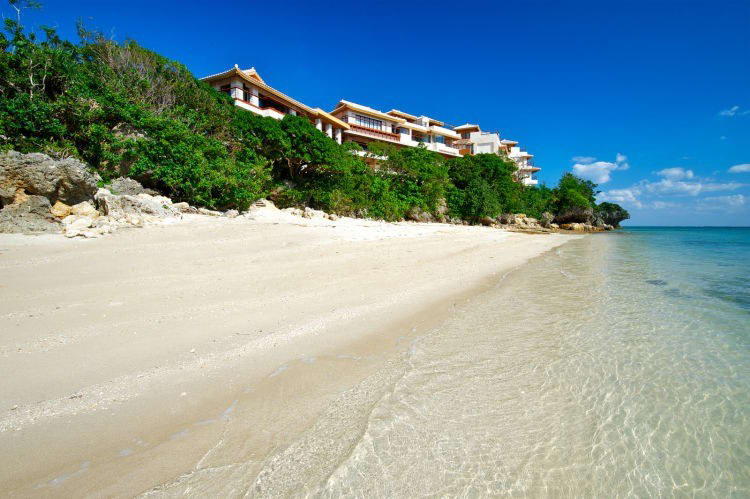
Stylish interior with large glass windows providing gorgeous oceanfront views, festive decorations, and a classy, romantic atmosphere.