
Tabelog 100 #11
Our verdict
Hashiri Imochi Roho places Kyoto’s wagashi ritual in a quieter register than the city’s temple-district tea rooms. Recognised in Tabelog’s 2023 Japanese traditional sweets and Japanese sweets cafe WEST 100, it suits travellers who want the discipline of Kyoto sweets culture without turning the stop into a formal kaiseki-scale event.

Pearl is the En Primeur Club membership app, where members save venues, book tables and use the concierge.
The menu
What to order
- Hashiri mochi
- Seasonal wagashi
Approaching the wagashi counter in Kyoto changes the day’s rhythm. The central dining circuit often turns sweetness into ceremony after a long meal, but the Japanese sweets cafe tradition works faster: pause, choose, eat with attention, continue. Hashiri Imochi Roho belongs to that everyday ritual, not destination-dining theatre, which is why it matters. In a city where tea, shrine visits, and confectionery have long been linked, a sweets shop can tell travellers as much about Kyoto’s habits as a formal restaurant.
Kyoto’s wagashi culture rewards restraint. The point is proportion, not abundance: sweetness, texture, tea, and seasonality handled with discipline so a small order carries the weight of a longer meal. Hashiri Imochi Roho is listed by Tabelog Hyakumeiten in 2023 for Japanese traditional sweets and Japanese sweets cafe, placing it within a competitive field, not merely as a local stop. The category is narrow and exacting; shops live or die by repetition, texture, pacing, and local loyalty.
A Kyoto sweets ritual, not a restaurant performance
Read this address as part of Kyoto’s older refreshment grammar. Sweets shops across the city have long offered quick restoration, a seat, and a taste shaped by local habits rather than tasting-menu ambition. That differs sharply from Kyoto’s high-formality dining rooms, where meals are choreographed course by course. Here, the ritual is compact: choose within a small sweets-and-cafe frame, take the break seriously, and leave before the experience becomes overbuilt.
Compactness is not a lesser form. In Kyoto, casual wagashi carries social codes outsiders may miss: quiet ordering, awareness of other guests, and clean flavours over decoration. Hashiri Imochi Roho fits the Japanese traditional sweets and sweets cafe category, with a format that is easier to fold into a day than a formal meal. For travellers planning around Kyoto, the value is not a long lunch; it is a calibrated stop that keeps the day moving while connecting it to local confectionery custom.
Compared with Kyoto’s broader low-cost dining tier, the sweets cafe occupies a different lane. Furai Bo and Tsukemen Kirari also sit in accessible territory, but they answer meal-time hunger. A wagashi stop answers another question: where can a short break feel culturally specific rather than generic? For a deeper Kyoto dining circuit, other dining rooms in the city show the casual-to-serious spectrum, while Hashiri Imochi Roho sits closer to Kyoto’s confectionery logic.
What the recognition says about Kyoto's wagashi scene
Tabelog’s Hyakumeiten lists are useful because they favour category depth over broad celebrity. A sweets cafe selected in 2023 is judged inside a field where small differences matter: consistency, local demand, and making a brief visit feel complete. That signal is more relevant than applying fine-dining metrics to a shop whose craft belongs to tea-time and sweets culture.
The absence of chef-led spectacle is part of the appeal. Kyoto has many dining rooms built around named counters, seasonal menus, and expensive choreography; wagashi asks for quieter attention. Watch the room’s pacing, the mix of guests, and how sweets function as part of the day rather than an afterthought. Hashiri Imochi Roho helps explain Kyoto outside the central restaurant grid. It is not competing with kaiseki, sushi, or modern dining; it belongs to a confectionery tradition with its own standards.
Kyoto rewards visitors who alternate major reservations with smaller rituals. A day built only around high-demand restaurants can reduce the city to a booking exercise. A wagashi break restores scale: the walk, transit, short sit-down, and etiquette of eating something made for that exact pause. Readers mapping a wider itinerary can use Our full Kyoto restaurants guide alongside Our full Kyoto hotels guide, Our full Kyoto bars guide, Our full Kyoto wineries guide, and Our full Kyoto experiences guide to keep the trip from becoming restaurant-only.
How to place it in a wider Japan food itinerary
For travellers moving beyond Kyoto, this kind of stop shows what regional eating in Japan often does well: giving narrow formats their own dignity. A specialist dining room in another city, a counter in Tokyo, a cafe in Osaka, or a casual shop elsewhere should each be read through its format rather than luxury cues. The same applies here. The shop’s value is clearest when judged as wagashi, not as a substitute lunch or a dessert course borrowed from Western restaurant logic.
The smartest itinerary treats it as a ritual insert. Pair a sweets stop with a slower Kyoto walk, not a rushed transfer between major meals. The format is short, casual, and familiar enough for travellers who can handle a quiet room. The discipline is simple: arrive with flexible expectations, order without turning the counter into a photo session, and keep the stop appropriately brief.
For comparative planning across Japan and abroad, EP Club’s restaurant pages help separate format from hype: modest specialists, regional cafes, counter-service shops, and casual dining rooms can each carry serious local information. Hashiri Imochi Roho belongs in that conversation because it shows how much information a modest format can carry when local tradition is strong.
Frequently asked questions
Is Hashiri Imochi Roho suitable for children?
Hashiri Imochi Roho is best understood as a Japanese sweets cafe in Kyoto, with a compact format rather than a long formal meal. Check the venue's official channels for the latest details before visiting with children.
What is the atmosphere like at Hashiri Imochi Roho?
The format is a Japanese sweets cafe in Kyoto, rather than a full-service dining room. Its Tabelog Hyakumeiten selection in 2023 adds context, but the tone should be approached as a focused sweets stop.
What should I budget for a meal at Hashiri Imochi Roho?
Pricing at Hashiri Imochi Roho is listed as - JPY 999 View spending breakdown.
What are Hashiri Imochi Roho's hours?
Check Hashiri Imochi Roho's official channels for current opening hours before visiting.
Cuisine Lens
Comparable venues at a glance for context.
| Venue | Cuisine | Price | Awards | Notes |
|---|---|---|---|---|
| Hashiri Imochi RohoThis venue (the venue you are viewing) | Traditional Japanese Wagashi & Sweets Cafe | $1–10 | Tabelog 100 #11 | Not listed |
| 幻の中華そば加藤屋 百万遍にぼ次朗 | Niboshi (Dried Sardine) Jiro-Style Ramen | Not listed | Not listed | Hyakumanben, Sakyo Ward |
| Henkotsu | Traditional Kyoto Izakaya & Oden | $20–30 | Tabelog 100 #87 | Shimogyō |
| MASH Kyoto | Kyoto bakery & sweet breads | $1–10 | Tabelog 100 #76 | Shimogyō |
| Kameya Yoshinaga Honten | Traditional Kyoto Wagashi & Japanese Sweets | $10–20 | Tabelog 100 #82 | Shimogyō |
| Honke Gepaikeya Naomasa | Traditional Kyoto Wagashi & Mochi Shop | $10–20 | Tabelog 100 #24 | Nakagyō |
Recognition history
Dated appearances from independent guides and award organizations, with the underlying list record or original source where available.
Tabelog 100 #11 · No. 11
Tabelog · Tabelog 100 - Japanese traditional sweets / Japanese sweets cafe - WEST - 2023
Continue exploring
More in Kyoto
Restaurants in Kyoto
All restaurants in Kyoto →


Bars in Kyoto
All bars in Kyoto →

Hotels in Kyoto
All hotels in Kyoto →
Wineries in Kyoto
Browse all →
Details
- Classic
- Cozy
- Quiet
- Solo
- Casual Hangout
- Family
- After Work
- Historic Building
- Standalone
- A La Carte
- Counter Dining
- Tea
Current opening hours
- Monday
- Closed
- Tuesday
- 9 AM–5:30 PM
- Wednesday
- 9 AM–5:30 PM
- Thursday
- 9 AM–5:30 PM
- Friday
- 9 AM–5:30 PM
- Saturday
- 9 AM–5:30 PM
- Sunday
- 9 AM–5:30 PM
Hours can change for holidays and private events. Last verified .
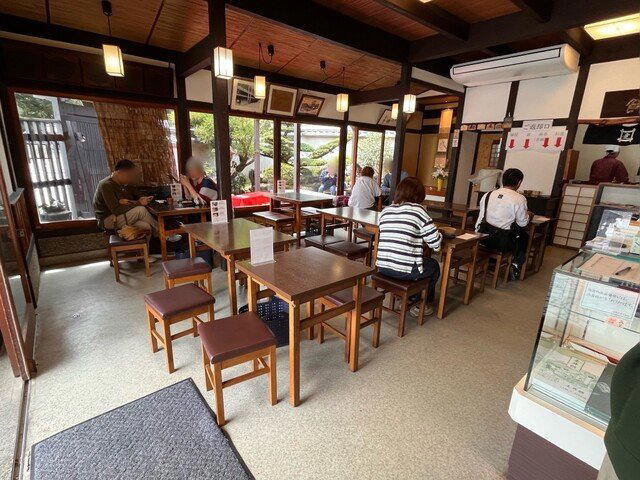
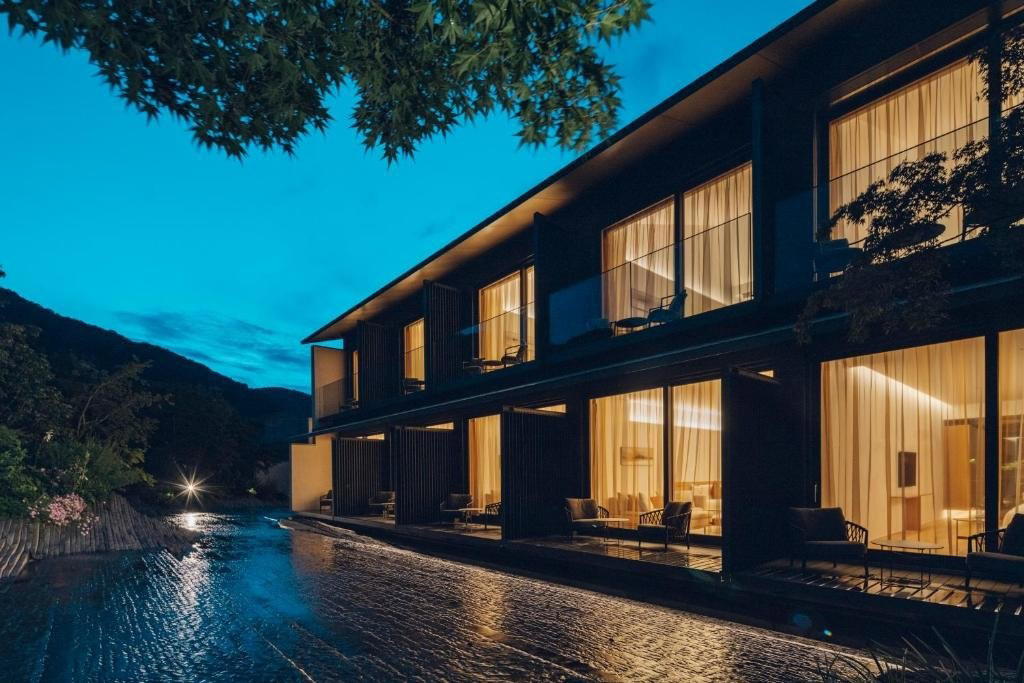
Traditional wagashi shop atmosphere with a small, calm cafe area; simple wooden decor and natural light create a relaxed, understated setting focused on enjoying Japanese sweets quietly.