
Tabelog 100 #4
Our verdict
Saishoku Ramen Kinsei Takatsuki honten belongs to Osaka’s serious everyday ramen tier: counter-only, low-friction, and recognised in Tabelog’s Ramen OSAKA 100 for 2025 after earlier WEST and OSAKA selections. In Takatsuki, it suits the kind of casual milestone meal where the point is not ceremony, but a focused bowl, quick turnover, and a room built around regulars rather than spectacle.

Pearl is the En Primeur Club membership app, where members save venues, book tables and use the concierge.
The menu
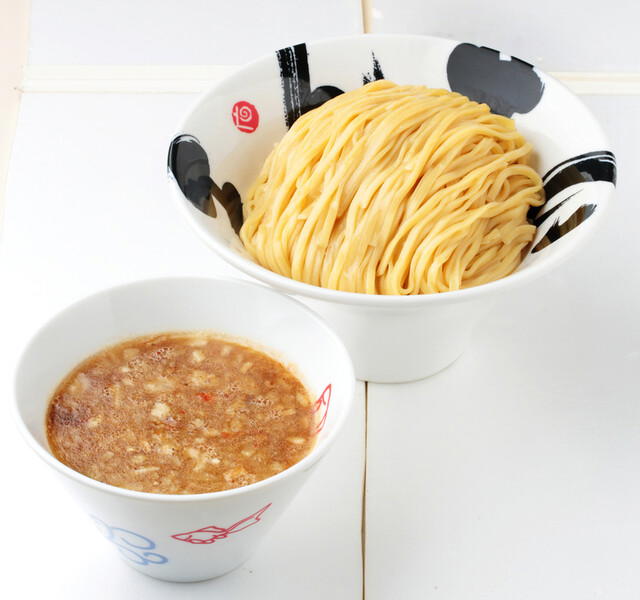
What to order
- Chilled Shrimp Shio Ramen
- Hiyashi Shio Ramen (Takatsuki specialty)
- Nodoguro niboshi cold shio ramen
- Seabura niboshi shoyu mazesoba
- Tonkotsu gyokai tsukemen
Approaching a good Kansai ramen stop is rarely theatrical: practical pacing, steam, movement, and diners reading the room before the menu. In Osaka, that economy matters. This is not only the city’s neon-and-queue performance; it is also commuter-minded ramen with enough documented reputation to draw attention and enough everyday utility for a weeknight birthday, post-work celebration, or family meal needing no white tablecloth.
Saishoku Ramen Kinsei Takatsuki honten fits that mood with unusual clarity. The experience is best understood through timing, heat, broth, noodles, and the shared satisfaction of choosing recognised ramen pedigree over a generic quick stop. For an occasion, the point is not ceremony; it is making a modest meal feel intentionally chosen.
Osaka ramen with a serious casual culture
Osaka’s ramen scene is often judged against louder food identities: takoyaki, kushikatsu, okonomiyaki, and the city’s appetite for casual eating. Ramen works differently here. Stronger shops often sit in practical urban pockets, where repeat trade matters as much as destination traffic. Osaka suits that model: regular diners sustain frequency, locals punish inconsistency, and regional movement lets a ramen name travel.
The recognition signal is substantial. Saishoku Ramen Kinsei Takatsuki honten was selected for Tabelog Ramen OSAKA 100 in 2025. That matters beyond a simple badge. Ramen rankings can reward novelty; recognition in a category of affordable bowls and high volume points to a shop with a clear reputation. In this bracket, consistency is the real credential.
The competitive set sharpens the choice. Shio Ramen Asuryu, JouEt BoIte, present, Nakamura Shoten Takatsuki honten, and Raa Menya Harinezumi sit in Osaka’s accessible ramen bracket, where the difference between a casual bowl and a meal worth crossing town for is execution and identity rather than price theatre. Kinsei sits closer to the recognised specialist tier than the anonymous quick-lunch tier, while retaining ramen’s pace and informality.
That is why it works for small milestones. Japan has long marked modest occasions through food that does not announce itself as celebration dining: a parent taking a school-age child out, friends choosing a meal before drinks, a couple skipping ceremony for a bowl with intent rather than expense. The scale of the occasion stays tight. In a casual ramen setting, the meal can feel public enough for energy and private enough to avoid fuss.
The ramen category context matters more than biography
Ramen shops in Japan often reveal themselves through discipline rather than a single chef narrative. For a recognised shop, that context matters because repetition can quickly dilute identity. A name that remains relevant must manage pace, expectation, and category focus without turning the bowl into a generic script.
The broader category here is ramen, tsukemen, and Chinese-style cooking, placing the shop inside a flexible Japanese ramen lineage rather than a narrow single-broth identity. Tsukemen changes the occasion dynamic: it slows the meal slightly, gives diners a deliberate noodle-and-dipping-soup rhythm, and suits guests wanting more engagement than a standard bowl without tasting-menu territory. For a celebratory but casual meal, that can distinguish refuel from chosen stop.
The lack of formal occasion trappings is not a defect; it is part of the genre’s social contract. Ramen is democratic by design. The person marking a small win sits in the same dining culture as the solo diner, family, and office worker. Osaka dining at this level prizes that overlap. Seriousness is carried by the bowl and selection in recognised lists, not linen, hushed service, or sommelier pacing.
For travellers building an Osaka itinerary, this stop balances the city’s obvious draws. A day might start with coffee, move through bread culture, detour into the casual canon, or swing toward other dining in Osaka.
How to use it for an occasion without overformalising it
The right expectation is focused and compact. This is a ramen meal, not a drawn-out celebration venue, and that is the appeal. Bring someone who values the choice itself: the shop’s visibility through Tabelog Ramen OSAKA 100 in 2025, the direct format, and a category rewarding precision over decoration. For a birthday lunch, low-key anniversary, or family treat, the meal lands because it treats ramen as craft without asking diners to perform ceremony.
The listed budget, Dinner: JPY 1,000 - JPY 1,999; Lunch: JPY 1,000 - JPY 1,999, points to an accessible ramen shop rather than an austere pilgrimage counter. That matters for mixed groups: visitors managing timing, families planning a straightforward meal, or travellers folding the stop into a wider Osaka day. The decision fits an itinerary rather than consuming the day.
Readers comparing beyond Osaka can place it beside other casual-specialist Japanese meals in different cities without needing a luxury frame. The connective tissue is not formality; it is specificity. Kinsei gives Osaka a ramen address with a documented reputation, an accessible price bracket, and enough concentration to make a small occasion feel deliberately chosen.
Frequently asked questions
Is Saishoku Ramen Kinsei Takatsuki honten more mid-range or high-end?
Pricing at Saishoku Ramen Kinsei Takatsuki honten is listed as Dinner: JPY 1,000 - JPY 1,999; Lunch: JPY 1,000 - JPY 1,999.
What is Saishoku Ramen Kinsei Takatsuki honten known for?
Saishoku Ramen Kinsei Takatsuki honten is known for ramen, tsukemen, and Chinese-style cooking in Osaka, with Tabelog Ramen OSAKA 100 recognition in 2025.
Just the Basics
Comparable venues at a similar level for quick context.
| Venue | Cuisine | Price | Awards |
|---|---|---|---|
| Saishoku Ramen Kinsei Takatsuki hontenThis venue (the venue you are viewing) | Modern Japanese Ramen | $10–20 | Tabelog 100 #4 |
| Shio Ramen Asuryu | Shio ramen specialist | $1–10 | Tabelog 100 #2 |
| JouEt BoIte | Bakery / Bread Shop | $1–10 | Tabelog 100 #1 |
| present | Not listed | Not listed | Tabelog 100 #71 |
| Nakamura Shoten Takatsuki honten | Ramen & Tsukemen Shop | $10–20 | Tabelog 100 #13 |
| Raa Menya Harinezumi | Japanese Ramen | $10–20 | Tabelog 100 #90 |
Recognition history
Dated appearances from independent guides and award organizations, with the underlying list record or original source where available.
Tabelog 100 #4 · No. 4
Tabelog · Tabelog 100 - Ramen - OSAKA - 2025
Continue exploring
More in Osaka
Restaurants in Osaka
All restaurants in Osaka →



Bars in Osaka
All bars in Osaka →




Hotels in Osaka
All hotels in Osaka →


Wineries in Osaka
Browse all →
Details
- Lively
- Casual
- Cozy
- Trendy
- Solo
- Casual Hangout
- Late Night
- After Work
- Group Dining
- Family
- Standalone
- Beer Program
- Street Scene
- A La Carte
- Counter Dining
- Beer
Current opening hours
- Monday
- Open 24 hours
- Tuesday
- Open 24 hours
- Wednesday
- Open 24 hours
- Thursday
- Open 24 hours
- Friday
- Open 24 hours
- Saturday
- Open 24 hours
- Sunday
- Open 24 hours
Hours can change for holidays and private events. Hours as of .
Busy, casual ramen-ya with counter-style quick service, bright functional lighting, and an energetic atmosphere that stays lively late into the night due to its extended hours and location near Takatsukishi Station.