Mankamerou occupies a traditional address in Kyoto's Kamigyo Ward, one of the city's older residential quarters, placing it at a remove from the tourist circuits that define central Gion or Pontocho. The venue sits within a broader Kyoto dining tradition where neighbourhood context shapes the experience as much as what arrives at the table. Advance research is advised before visiting.
 Discover on Pearl
Pearl is the En Primeur Club membership app — saves, bookings, and concierge access live there. Same editors, same standards.
- Address
- Japan, 〒602-8118 Kyoto, Kamigyo Ward, Ebisucho, 387
- Phone
- +81754415020
- Website
- mankamerou.com
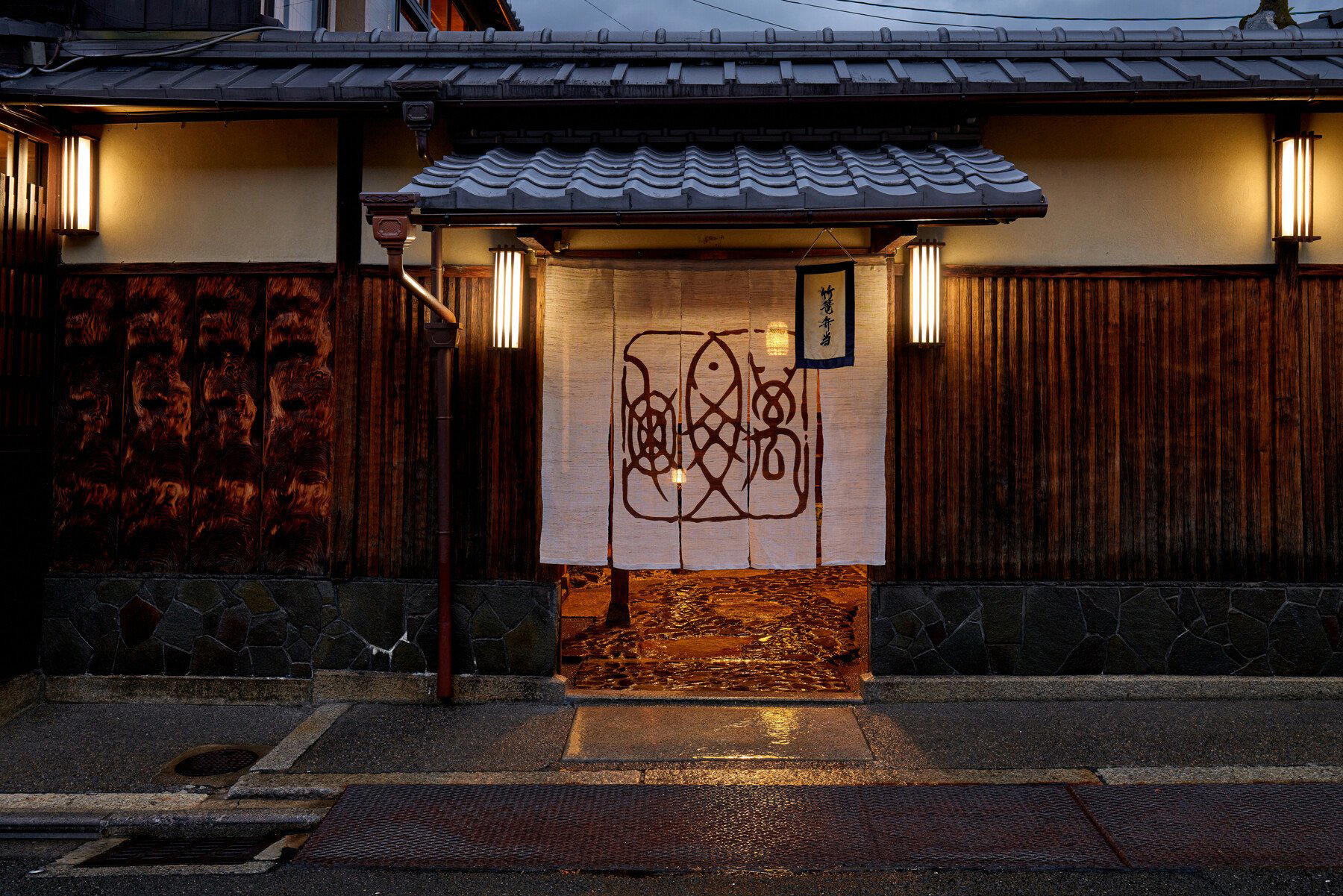
Kamigyo Ward and the Quieter Register of Kyoto Dining
Kyoto's dining geography is rarely flat. The city divides, roughly, into the high-visibility corridors, Gion, Higashiyama, Pontocho, where kaiseki counters and machiya restaurants draw international attention and Michelin inspectors in roughly equal measure, and the quieter residential wards where a different kind of eating persists. Kamigyo Ward, where Mankamerou holds its address on Ebisucho, belongs to the latter category. Mankamerou is a restaurant in Kyoto serving Traditional Kyoto Kaiseki & Yusoku Ryori, with an approximate price of $200 per person and a Google rating of 4.7. This is northern Kyoto: closer to the imperial palace grounds than to the lantern-lit lanes of Gion, and settled into a rhythm that is quieter, more residential, and less mediated by tourism.
That geographic position is not incidental to how a restaurant here functions. Venues in Kamigyo tend to draw regulars from the neighbourhood and from those who seek them out specifically, rather than foot traffic from visitors who have wandered off a main artery. The audience self-selects, and the atmosphere that results, measured, local in register, without the performative dimension that some high-profile dining districts impose, is a product of place as much as kitchen.
The Kamigyo Approach to Place
Kyoto's reputation as a kaiseki capital is well-documented. Restaurants like Gion Sasaki, Hyotei, Kikunoi Honten, and Mizai anchor the city's formal dining identity, each with Michelin recognition and international profiles that place them in a competitive set alongside leading kaiseki counters across Japan. Isshisoden Nakamura adds further depth to that tier. These are venues built for visibility and for occasions that carry their own weight.
Kamigyo's dining character is different. It operates at a scale that is harder to categorise from the outside, which is precisely why neighbourhood-specific research matters before visiting. A restaurant on Ebisucho is not making the same implicit offer as one inside a Gion machiya with a foreign-language booking platform. The offer is more opaque, and navigating it rewards those who come prepared rather than those who arrive expecting the logistical legibility of the city's best-known addresses.
That opacity is not a flaw in the city's fabric, it is part of what makes Kyoto's dining culture worth attention beyond its most celebrated tier. The same quality of local-first, low-visibility eating that defines parts of Osaka's neighbourhood dining scene, or the residential pockets around Nara where venues like akordu operate with a degree of remove from main tourist circuits, applies here.
Reading a Kyoto Address
In Kyoto, address is a form of information. The old ward system, Kamigyo to the north, Shimogyo to the south, Nakagyo in between, maps loosely onto the city's social and culinary registers. Kamigyo, centred on the Nishijin textile district and the grounds of the former imperial palace, has historically been a district of craft, commerce, and established local life. It does not have the density of high-end restaurants that Higashiyama or central Nakagyo carries, but it has continuity, the sense that eating here connects to how the city actually lives rather than how it presents itself to visitors.
For travellers building a Kyoto itinerary around dining, this creates a useful decision point. The tier of restaurants with international booking infrastructure, award histories, and English-language menus is well-mapped. The tier below that, neighbourhood venues in residential wards, operating in Japanese, drawing local clientele, with booking processes that may require a Japanese-speaking intermediary or hotel concierge assistance, is less accessible but no less serious about its cooking.
Elsewhere in Japan, comparable dynamics play out in different registers. HAJIME in Osaka and Harutaka in Tokyo represent the end of that spectrum where neighbourhood positioning coexists with formal international recognition. At the other end sit the genuinely local operations: venues in Fukuoka like Goh, or further afield in smaller cities, such as 一本木 志川製 in Nanao or 夕仙山乃 in Sapporo, where the gap between what a venue delivers and how easily it can be accessed by a visitor unfamiliar with local context is considerable.
Mankamerou sits somewhere in that continuum. The Kamigyo address, absent from the major award circuits in publicly available records, positions it as a venue where local knowledge and preparation carry more weight than a Michelin star would.
Planning a Visit to Mankamerou
The most practical route for visitors is through a hotel concierge, particularly at properties with established relationships in the neighbourhood, or through a specialist Kyoto dining agency. This is not unusual for traditional Japanese restaurants at this address level; it reflects how locally-rooted venues in Kamigyo and comparable wards have historically operated, prioritising relationships over discoverability. Venues across Japan in similar positions, from 湖畔庵 in Takashima to 庭羽屋 in Nishikawa Machi, operate on comparable access models.
Mankamerou is priced at about $200 per person and is generally open Monday, Tuesday, Thursday through Sunday from 12 to 3 PM and 5:30 to 9:30 PM, with Wednesday closed. Visitors who have navigated similar access dynamics at venues like Birdland in Sakai or Bistro Ange in Toyohashi will recognise the pattern: preparation and local intermediation are the entry mechanism, and they are worth the effort.
The neighbourhood is walkable from several central Kyoto points and well-served by the city's bus network. Arriving with a confirmed reservation, a Japanese-speaking contact, or both is the baseline condition for a visit that goes to plan.
Booking and Cost Snapshot
Comparable venues nearby, for context on price, style, and recognition.
| Venue | Cuisine | Price | Awards |
|---|---|---|---|
| MankamerouThis venue — the venue you are viewing | $$$$ | , | |
| Tenyou (点邑) | Nakagyo-ku, Michelin-Starred Tempura | $$$$ | , |
| 浜作 | Nakagyō, Traditional Kaiseki | $$$$ | , |
| 天ぷら 京星 | 祇園, Kyoto-Style Tempura | $$$$ | , |
| Yoshizen | Higashiyama, Kappo Kaiseki | $$$$ | , |
| 鳥さき | Nakagyo Ward, Michelin-Starred Yakitori | $$$$ | , |
Continue exploring
More in Kyoto
Restaurants in Kyoto
Browse all →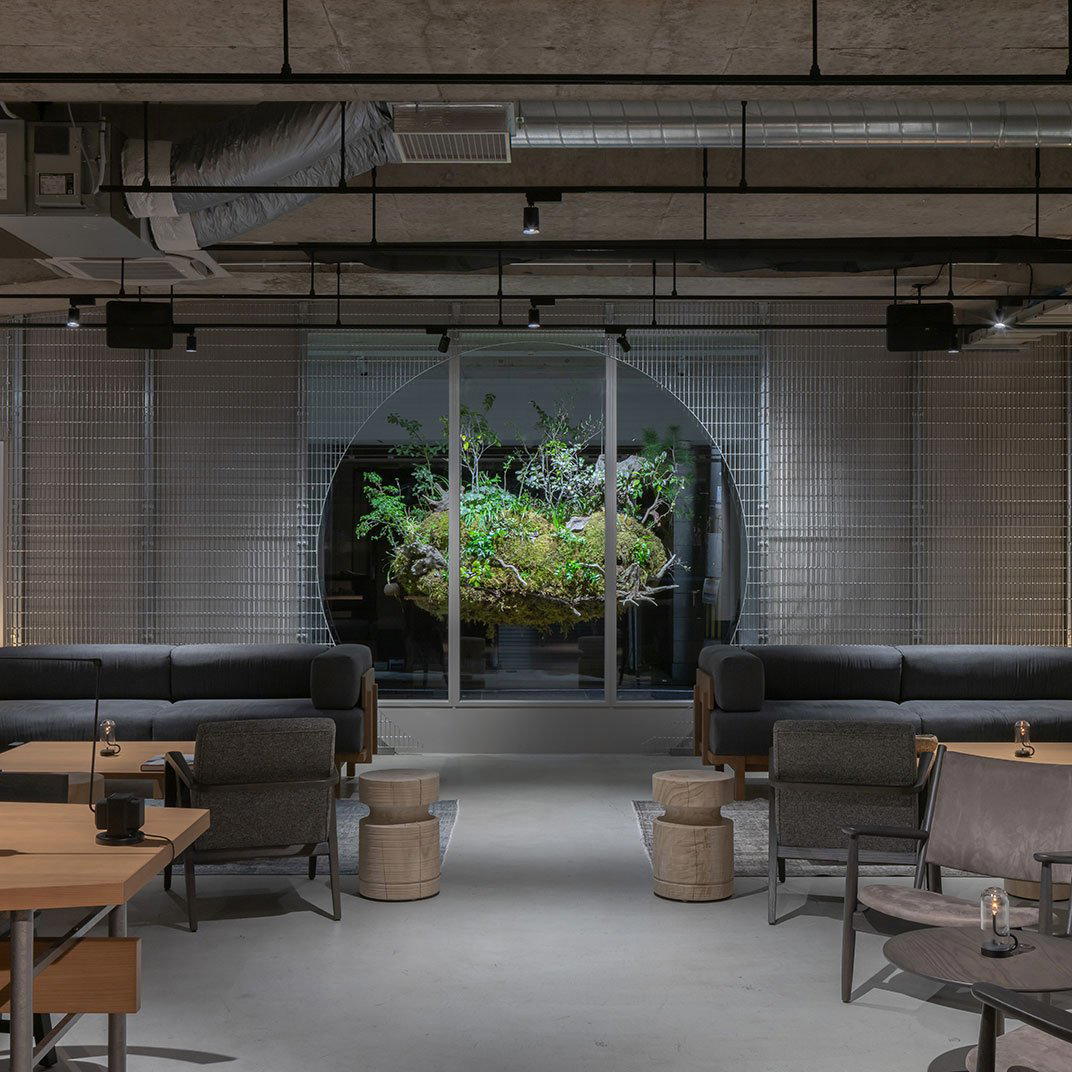
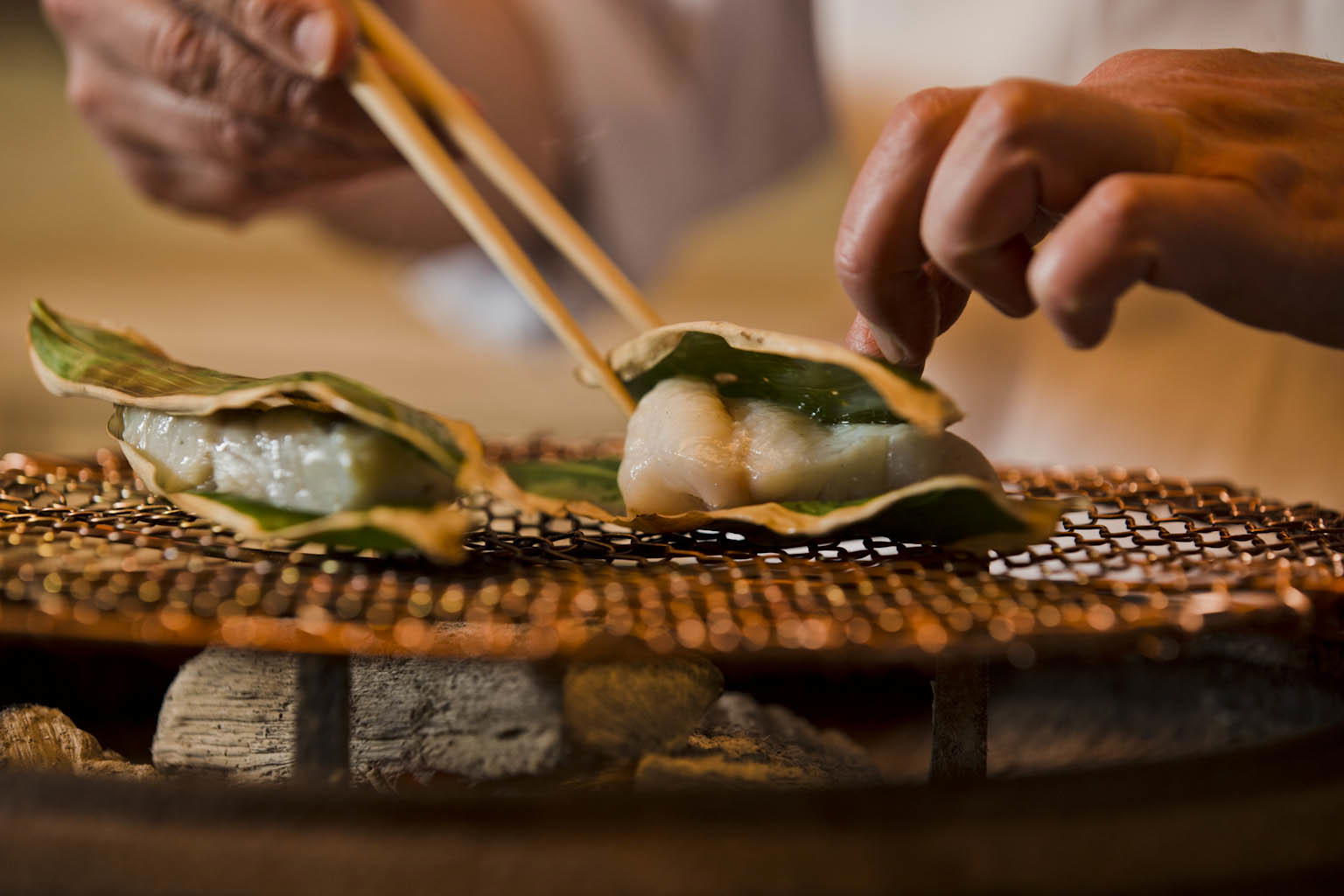
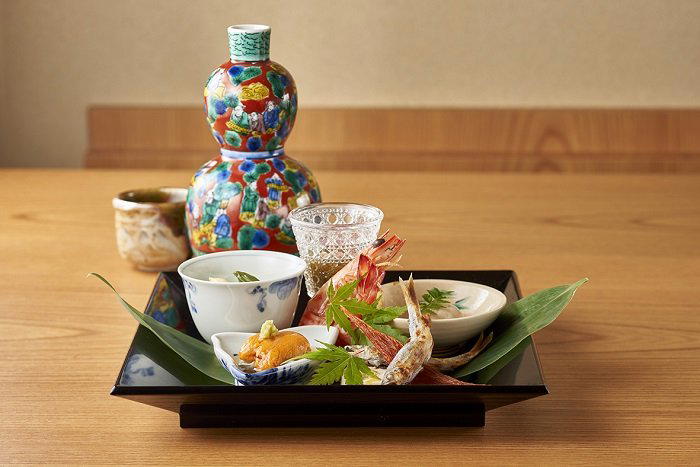
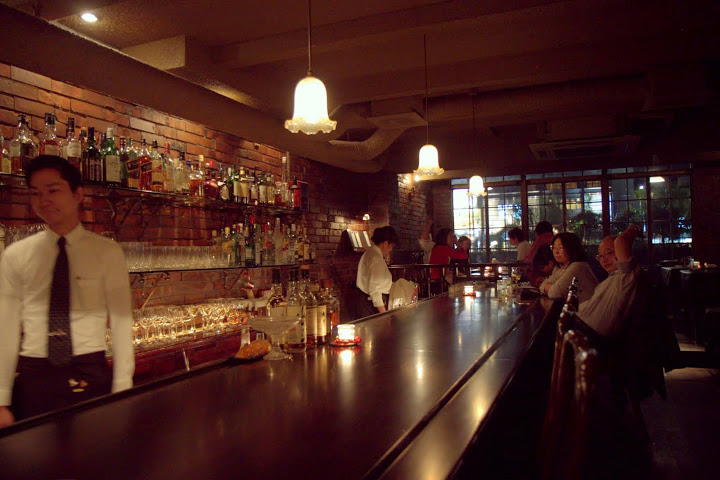
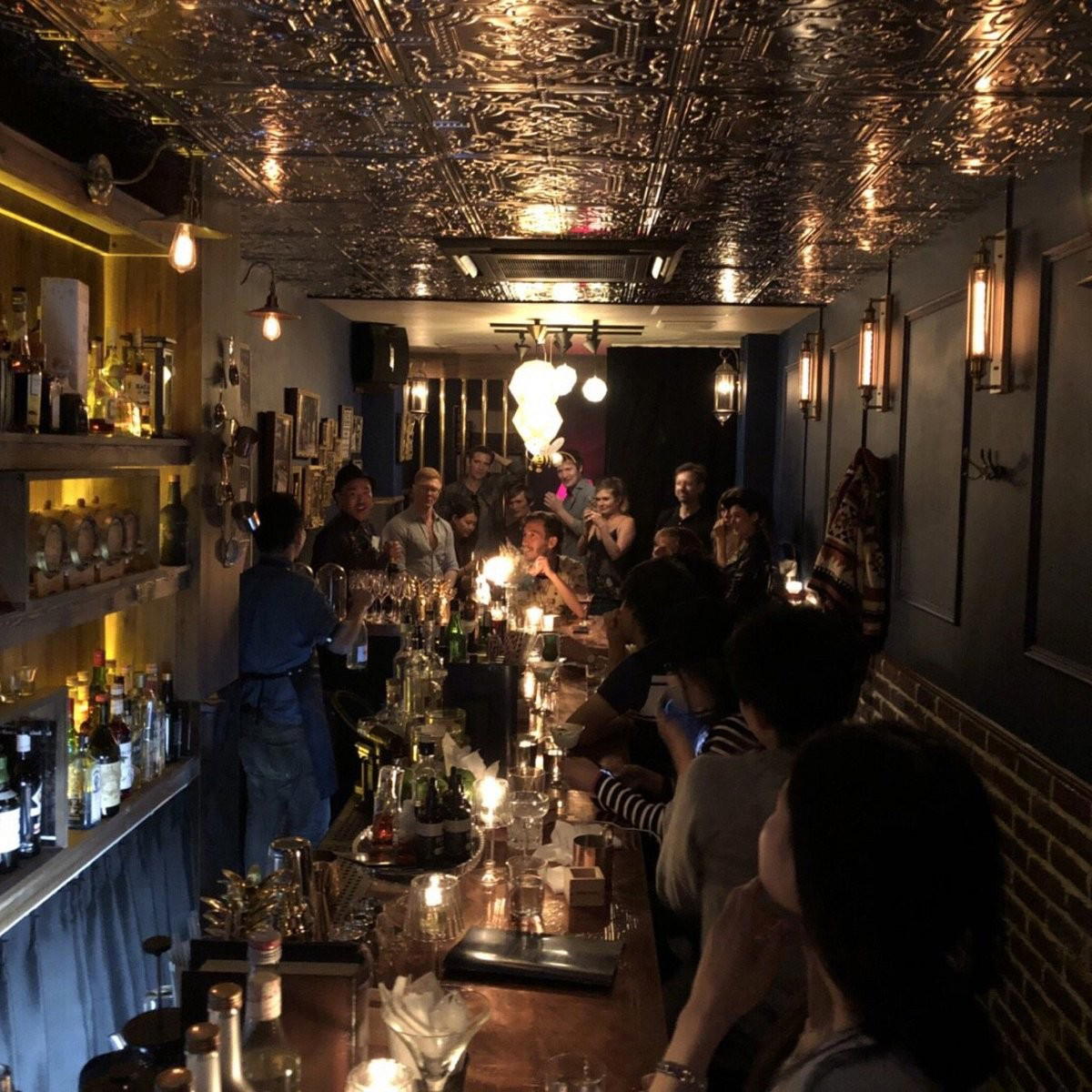
Bars in Kyoto
Browse all →
Hotels in Kyoto
Browse all →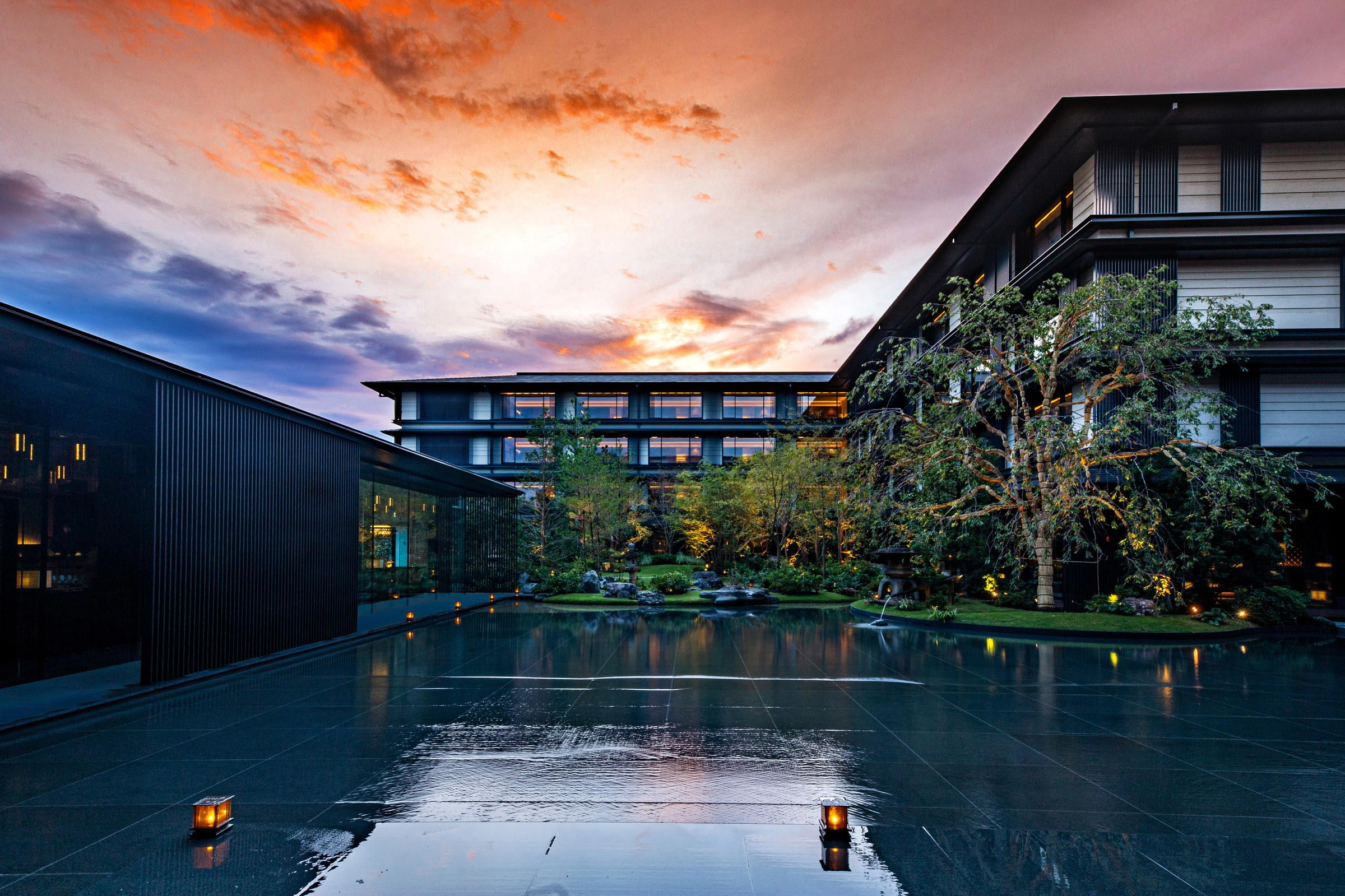
Wineries in Kyoto
Browse all →
At a Glance
- Elegant
- Classic
- Intimate
- Serene
- Special Occasion
- Date Night
- Private Dining
- Historic Building
- Sake Program
- Garden
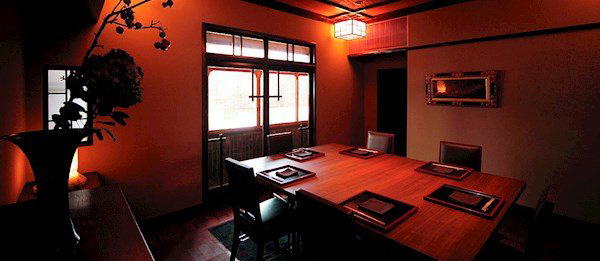
Serene tatami private rooms overlooking tranquil Japanese gardens with elegant, traditional Kyoto sukiya architecture.