Yoshizen sits in Kyoto's Higashiyama district, steps from the northern gate of Kodaiji Temple, in a neighbourhood where the city's most demanding kaiseki tradition meets quieter residential streets. The address places it inside one of Kyoto's most historically layered quarters, where local ingredients and considered technique have defined the dining standard for generations.
Pearl is the En Primeur Club membership app — saves, bookings, and concierge access live there. Same editors, same standards.
- Address
- Japan, 〒605-0825 Kyoto, Higashiyama Ward, Shimokawaracho, Kōdaiji Temple, 北門前東入鷲尾503-14
- Phone
- +81755416441
- Website
- kappou-yoshizen.com
- Directions
- Get directions
 Saves & bookings on Pearl
Where Higashiyama Sets the Terms
The approach to Yoshizen from Kodaiji Temple's northern gate is already an act of orientation. Higashiyama Ward is not Kyoto's flashiest dining district, but it is among the more demanding. The streets running north and south of Kodaiji carry centuries of craft tradition, and restaurants that settle here are measured against a neighbourhood standard that expects formal technique, seasonal precision, and an understanding of what Kyoto's larder actually is. To open in Shimokawaracho, within walking distance of the temple grounds, is to accept that framing from the first service.
That geography matters because Kyoto's restaurant scene does not distribute evenly. The kaiseki houses that draw international attention, Kikunoi Honten, Hyotei, Gion Sasaki, occupy specific corridors, and the addresses carry institutional weight. A venue situated near Kodaiji's precincts inherits the quieter, more residential register of southern Higashiyama, where the rhythm of service tends toward contemplation rather than spectacle. That is not a minor atmospheric distinction; in Kyoto, setting informs expectation in ways that function almost like culinary grammar.
The Intersection of Local Product and Imported Method
Kyoto's food culture has never been purely insular. The city's kaiseki tradition evolved over centuries by absorbing technique, from tea ceremony protocol, from Buddhist vegetarian cooking, from the influence of Edo-period merchants who brought continental ideas northward. What emerged was not a closed system but a selective one, capable of incorporating external influence without dissolving its own logic. Particularly interesting restaurants working in this spirit today apply that same selectivity to the meeting point of classical Japanese ingredients and methods developed elsewhere.
At the ingredient level, Kyoto's producers remain among Japan's most closely monitored. Kyo-yasai, the heirloom vegetables particular to the Kyoto basin, including varieties of eggplant, turnip, and chrysanthemum greens, have protected designation in all but formal legal terms, and serious kitchens in the city treat sourcing as a primary compositional act rather than an afterthought. The same applies to Nishiki Market's fish channels, the tofu and yuba supply chains anchored to the city's traditional craft, and the dashi base materials, kombu from Hokkaido, katsuobushi from Kagoshima, that form the flavour spine of most kaiseki progressions. When a kitchen in this neighbourhood applies technique drawn from French or contemporary European traditions to these materials, the result is not fusion in the loose sense but a specific argument about what those ingredients can become when approached with different technical assumptions.
This is a conversation taking place across Japan's premium dining tier. HAJIME in Osaka and Atomix in New York City both represent versions of the same question, what happens when Japanese product logic meets training formed in other culinary traditions, though they arrive at different answers. Closer geographically, akordu in Nara works through a European lens applied to Yamato regional materials, and Goh in Fukuoka has built a reputation around reframing Kyushu ingredients through contemporary Japanese fine dining technique. The distinction in Kyoto is that the indigenous product tradition is older, more codified, and more monitored by the dining public, which raises the stakes for any kitchen attempting to depart from received practice.
The Kaiseki Context and Its Alternatives
Kyoto's dominant fine dining format remains kaiseki, and the category now runs from highly accessible set menus at lunch to progression-heavy evening services priced comparably to leading European tasting menus. The three-Michelin-star tier in the city, represented by Mizai and a small number of peers, occupies a separate bracket in both price and booking difficulty from the two-star and one-star houses. Isshisoden Nakamura demonstrates how long-established venues carry generational credibility that newer openings have to earn through consistency rather than claim.
What this means for a restaurant operating outside the established kaiseki hierarchy is that the comparable set is partly self-defined. Venues that blend techniques or sidestep strict kaiseki sequencing are measured by a different audience: one that is familiar with Le Bernardin's precision-led seafood work, has tracked what Harutaka in Tokyo does within the omakase format, and understands the grammar of contemporary Japanese technique without needing it to conform to a single tradition. That audience is smaller in Kyoto than in Tokyo, which makes it more loyal when a kitchen earns its attention.
The broader Japanese fine dining network is worth considering as context. Venues like 三本木 皆川制 in Nanao, 夕月庵乃 in Sapporo, and 庭鶴屋 in Nishikawa Machi show how Japan's regional dining culture sustains serious kitchens at a distance from the metropolitan centres. Kyoto's advantage is proximity to producers who have been supplying leading kitchens for generations, and to a dining culture that expects depth rather than novelty as the primary qualification.
Cost Snapshot
Comparable venues nearby, for context on price, style, and recognition.
| Venue | Cuisine | Price | Notes |
|---|---|---|---|
| YoshizenThis venue — the venue you are viewing | Higashiyama, Kappo Kaiseki | $$$$ | Not listed |
| Tonkatsu Yamamoto | Nakagyo-ku, Traditional Tonkatsu | $$$$ | Not listed |
| 焼肉やまちゃん | Not listed | $$$$ | Kawaramachi, Chuo Ward, Premium Wagyu Yakiniku Omakase |
| Yoshikawa | Not listed | $$$$ | Nakagyō, Traditional Japanese Tempura Kaiseki |
| Shokudo Miyazaki | Kiyamachi, Refined Kyoto Omakase | $$$ | Not listed |
| Gion Kon | Gion, Kappo Japanese Cuisine | $$$$ | Not listed |
Continue exploring
More in Kyoto
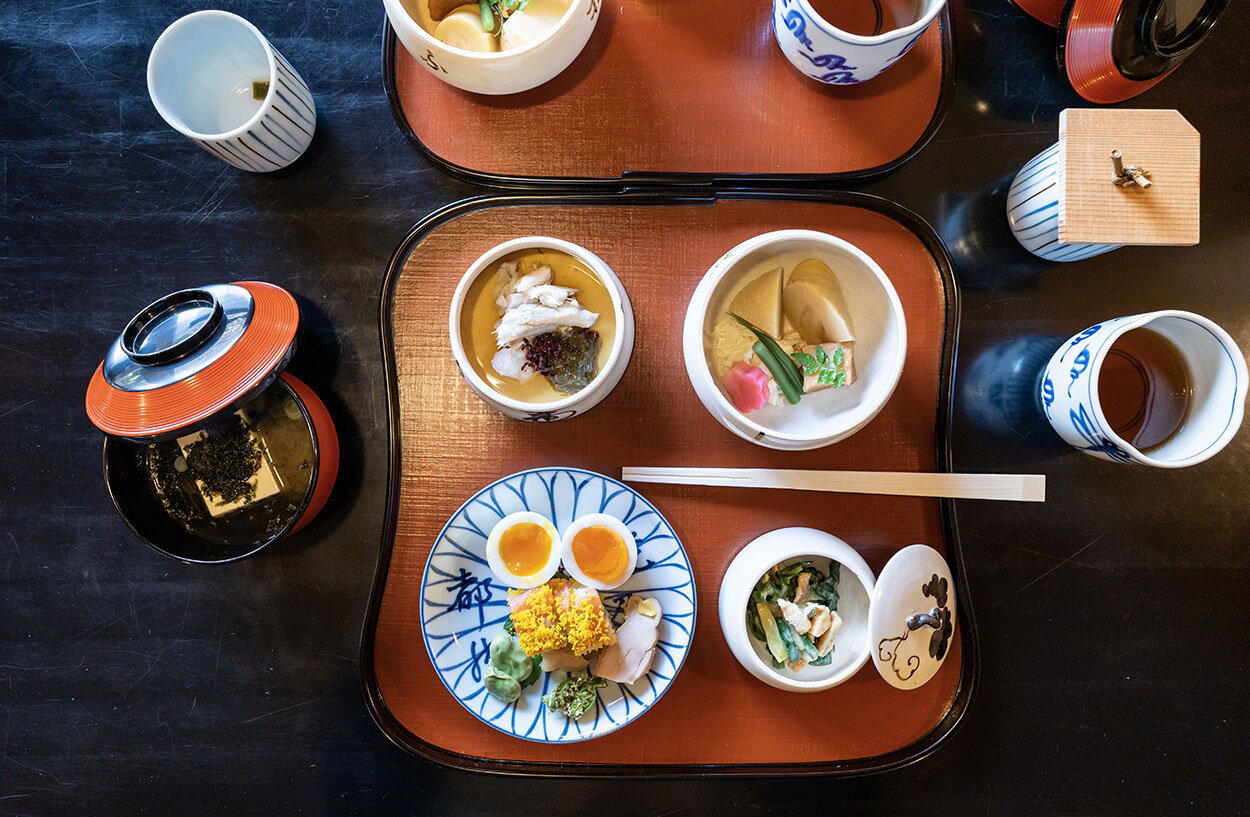
Restaurants in Kyoto
Browse all →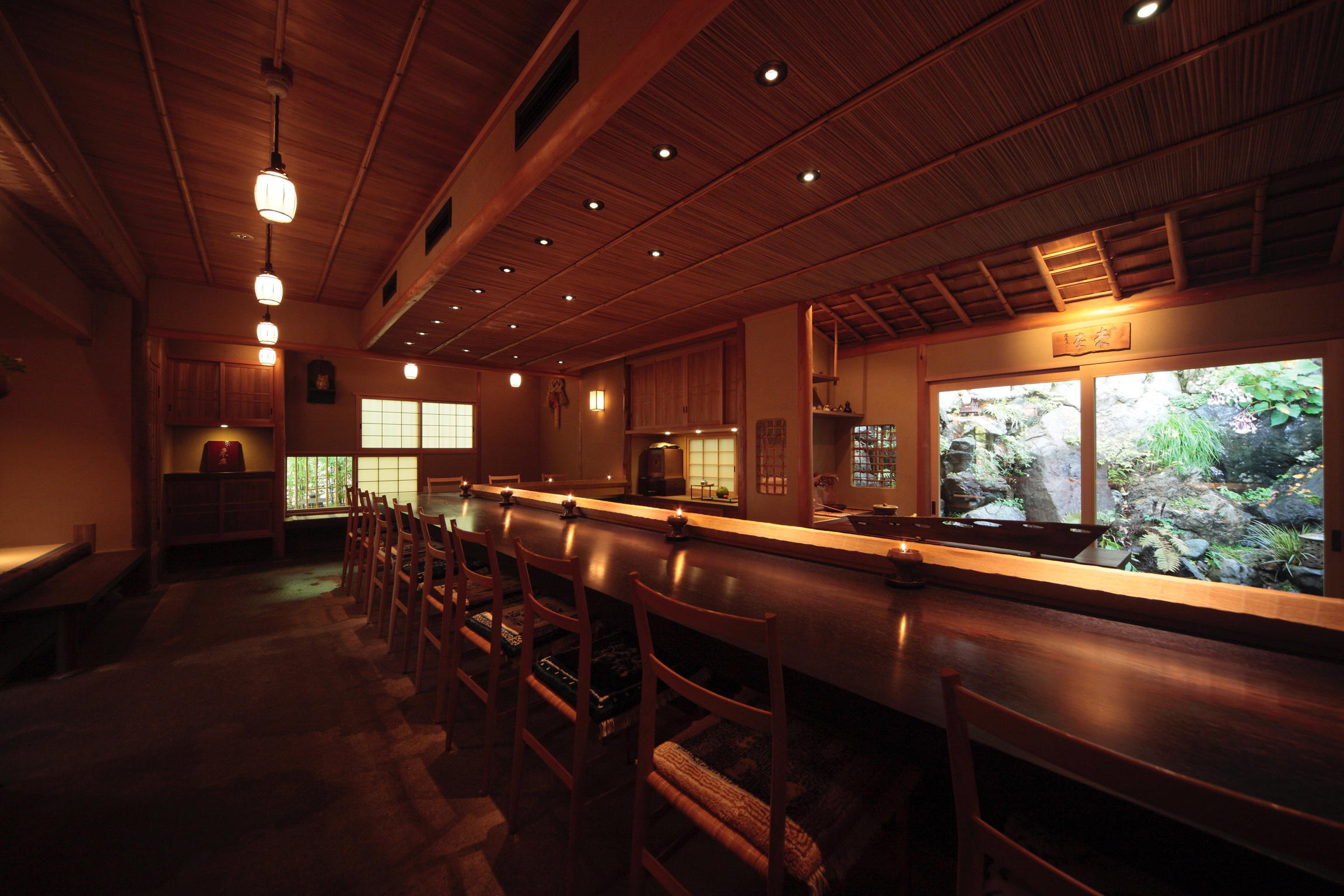
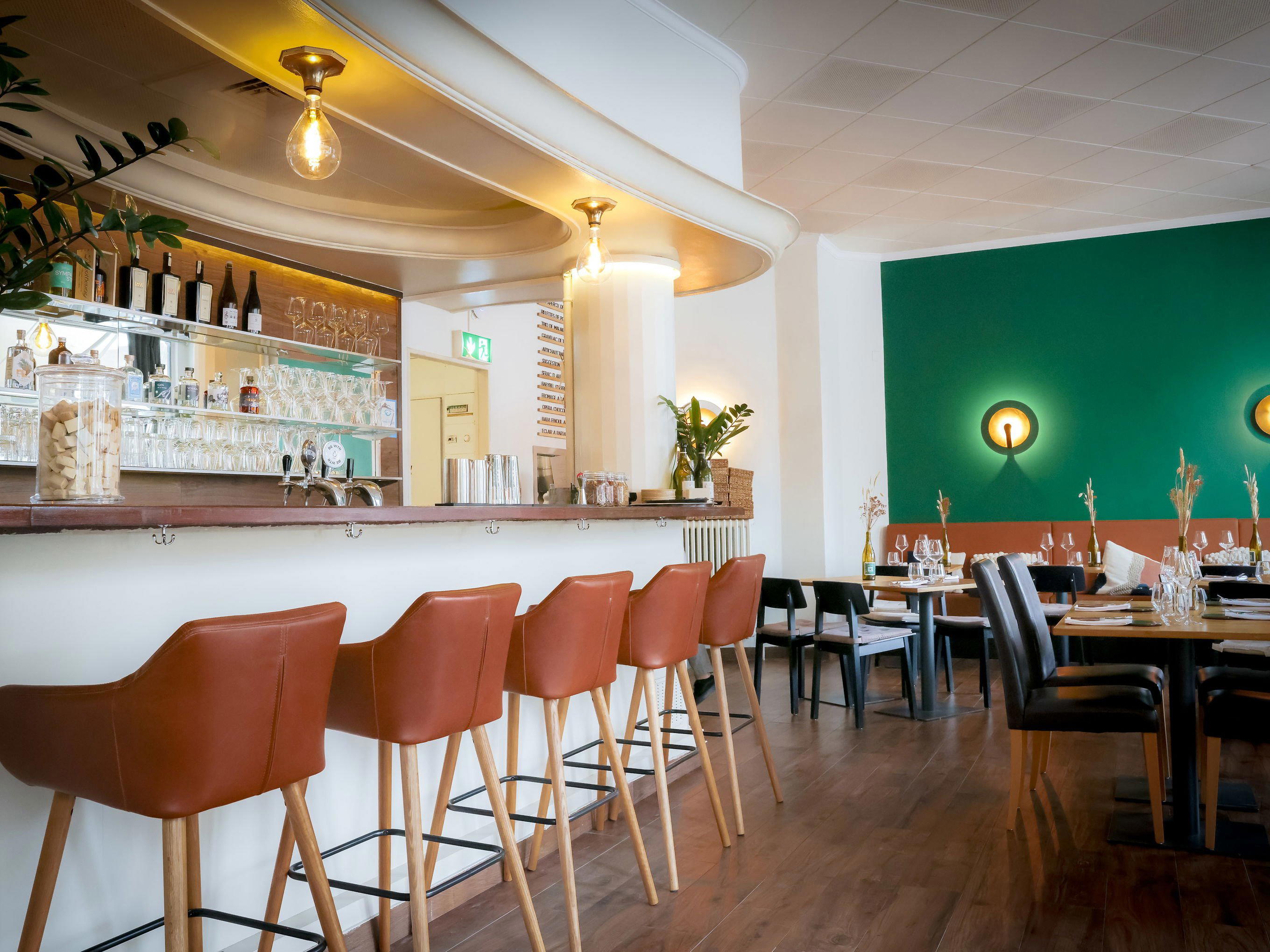
Bars in Kyoto
Browse all →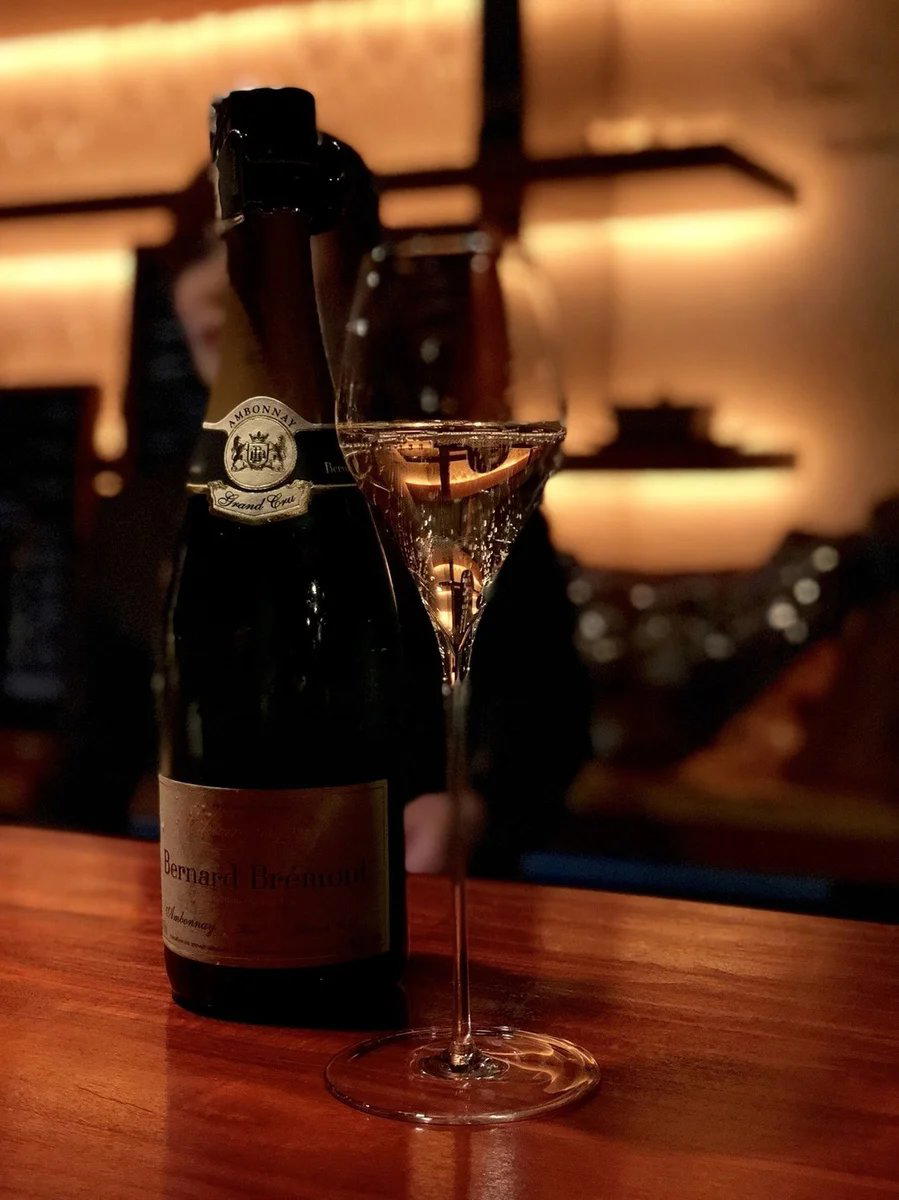
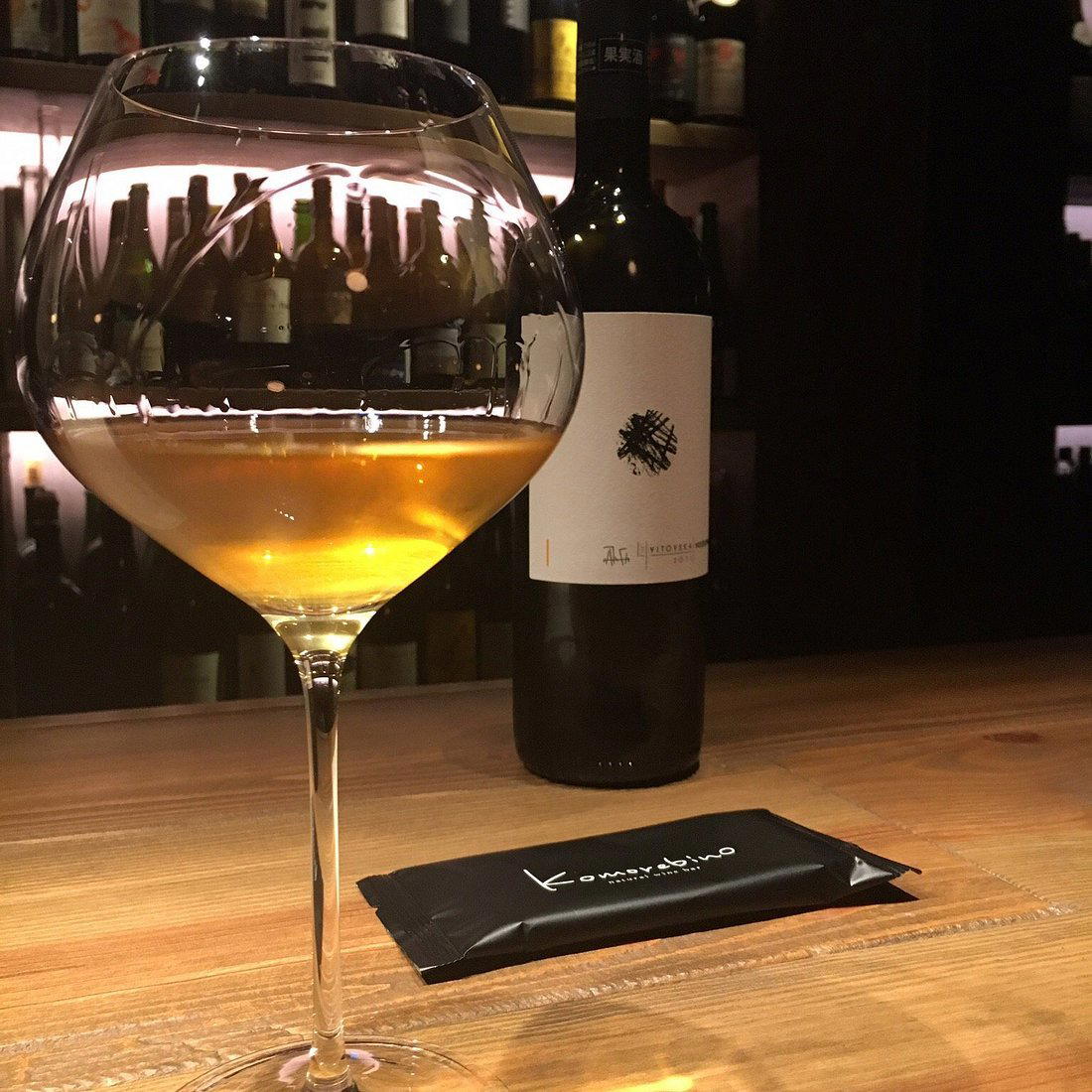
Hotels in Kyoto
Browse all →

Wineries in Kyoto
Browse all →
At a Glance
- Elegant
- Intimate
- Cozy
- Special Occasion
- Date Night
- Sake Program
- Garden
Current opening hours
- Monday
- 11:30 AM–2 PM, 5–10 PM
- Tuesday
- 11:30 AM–2 PM, 5–10 PM
- Wednesday
- 11:30 AM–2 PM, 5–10 PM
- Thursday
- 11:30 AM–2 PM, 5–10 PM
- Friday
- 11:30 AM–2 PM, 5–10 PM
- Saturday
- 11:30 AM–2 PM, 5–10 PM
- Sunday
- 11:30 AM–2 PM, 5–10 PM
Hours can change for holidays and private events. Last verified .
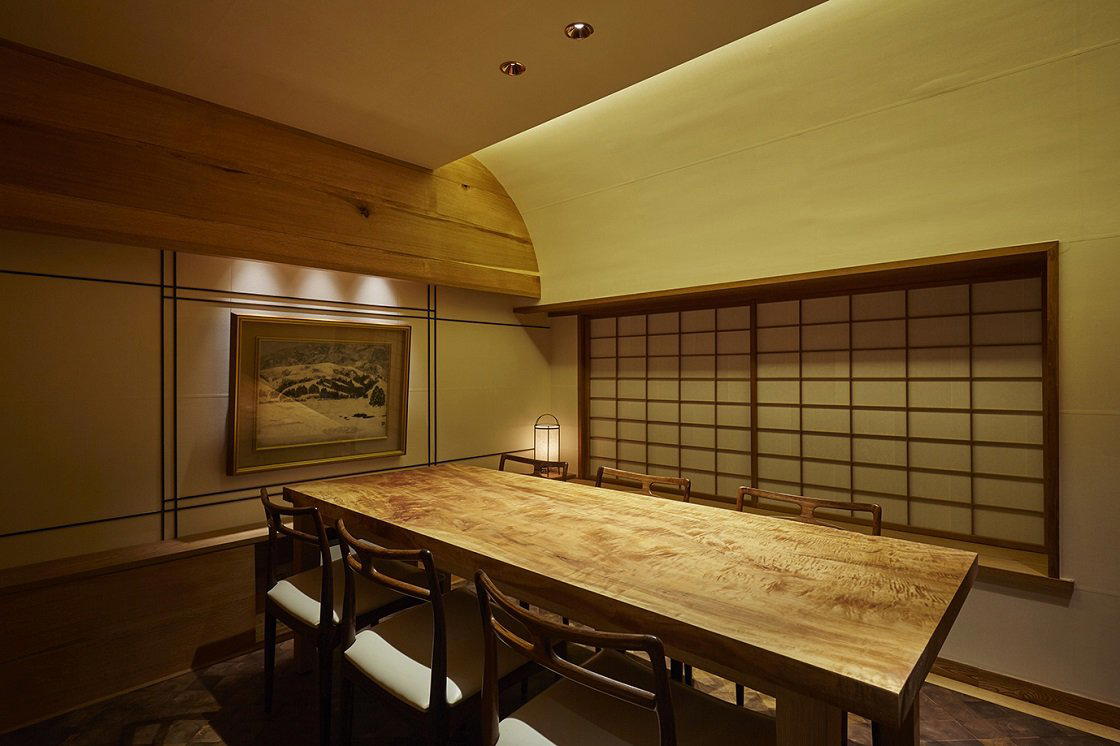
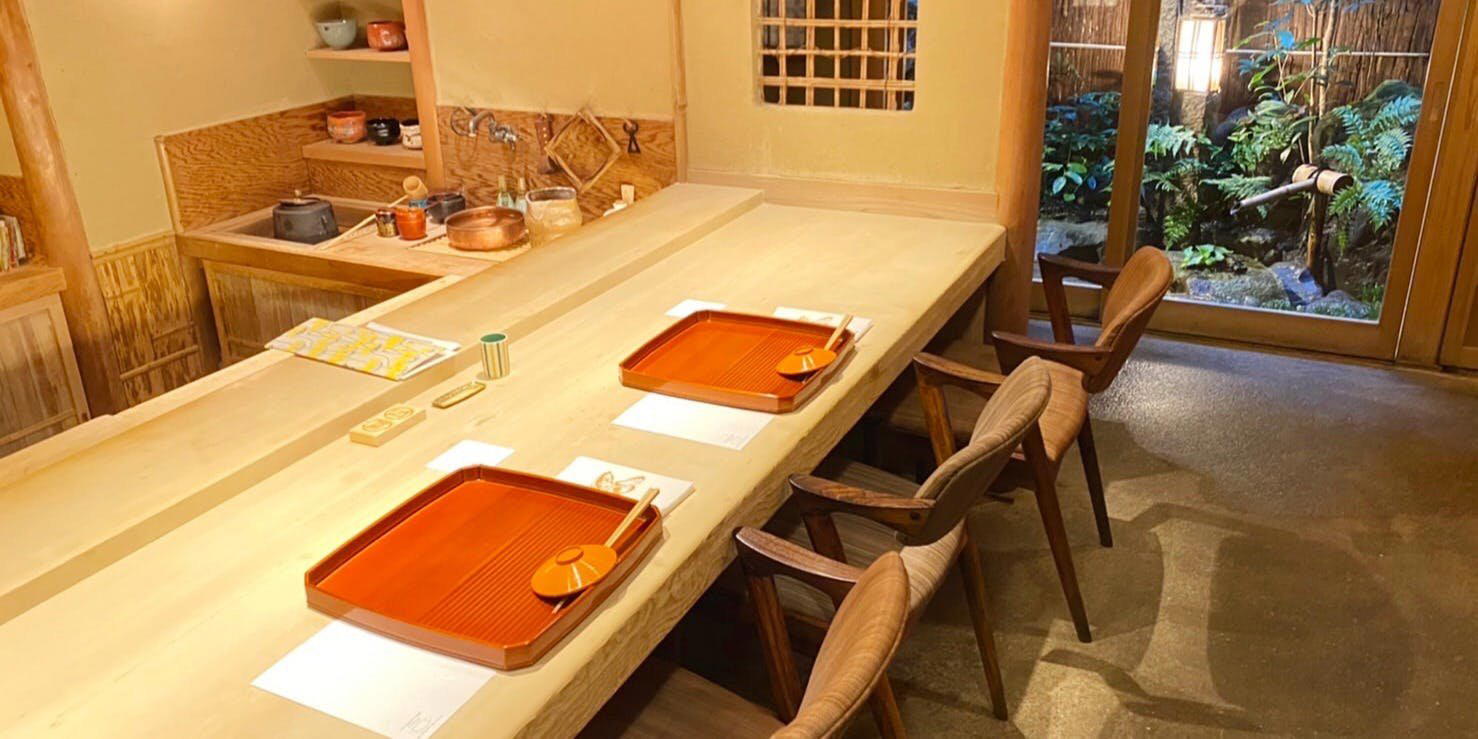
Atmosphere-filled machiya with quiet, warm welcoming atmosphere, counter seating on first floor and private room on second floor.