鳥さき serves Michelin-Starred Yakitori in a historic building, with chochin and liver skewer and a sake program shaping a quiet, leisurely dinner.
Pearl is the En Primeur Club membership app — saves, bookings, and concierge access live there. Same editors, same standards.
- Address
- 中京区蛸薬師町292-1 (押小路通室町東入), 京都市, 京都府, 604-0021
 Saves & bookings on Pearl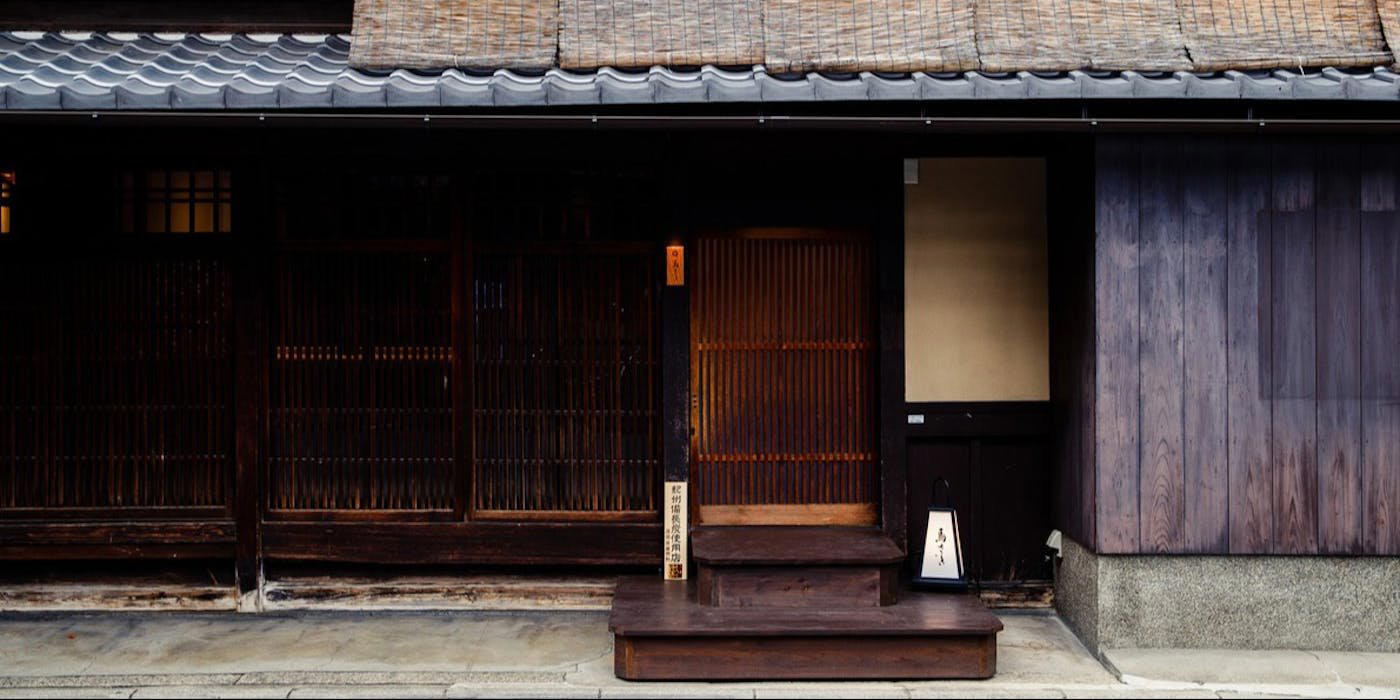
Where Nakagyo's Back Streets Meet the Yakitori Counter
The stretch of Oshikoji-dori between Muromachi and Karasuma sits in a part of central Kyoto that most visitors pass through rather than pause in. It lacks the framing of Gion's stone lanterns or the obvious gravity of Nishiki Market, yet the neighbourhood carries a particular kind of culinary density: machiya townhouses converted to counter restaurants, a few liquor wholesalers, and the slow foot traffic of people who know where they are going. Torisaki occupies this register, a yakitori counter on a mid-block address in Nakagyo Ward.
That positioning matters. Yakitori in Kyoto sits at an interesting angle to the city's dominant culinary narrative. The kaiseki tradition, represented at its most formal by houses such as Kikunoi Honten, Hyotei, and Mizai, commands the prestige tier and the international conversation. Yakitori, by contrast, is the everyday other end: charcoal-grilled chicken skewers eaten at a counter, ordered piecemeal, paired with cold beer or highballs. In Tokyo, counters like Harutaka demonstrate how a format built on apparent simplicity can sustain serious critical attention. Kyoto's yakitori scene is smaller and less internationally mapped, which means counters like Torisaki operate within a context that is both more local and, for that reason, more genuinely embedded in the neighbourhood fabric.
The Oshikoji Address and What It Tells You
The full address, 中京区蛸薬師町292-1, Nakagyo-ku, places Torisaki precisely in the ward that covers much of Kyoto's commercial and artisan interior, north of Shijo and south of Oike, roughly between the Karasuma and Muromachi axes. This is not Higashiyama's temple corridor, and it is not the polished dining block of Kiyamachi. The area's restaurants tend to serve a mix of office workers, local residents, and the smaller cohort of travellers who have moved past the major sightseeing itineraries.
For yakitori specifically, that neighbourhood type tends to produce a particular counter dynamic: the menu is often recited rather than printed at length, the pace is set by the grill rather than a multicourse structure, and the relationship between the cook and a regular customer is worth more than any printed credential. Yakitori specialists elsewhere in Japan, including Birdland in Sakai, have shown how seriously the format can be taken when sourcing and technique are applied with precision. The address and the operating context suggest a counter aimed at the serious local diner rather than the tourist-facing market.
Yakitori in the Broader Kyoto Dining Frame
Kyoto's high-end dining scene is kaiseki-dominant in a way that few other Japanese cities replicate. Gion Sasaki, Isshisoden Nakamura, and the Kichisen tradition represent a formal lineage that has defined the city's international culinary reputation for decades. Against that backdrop, any counter format, yakitori, kappo, izakaya, occupies a deliberately different register, one that trades ceremony for directness and multi-hour structure for the more instinctive rhythm of a grill counter.
That contrast is not a deficit. Particularly instructive dining in Kyoto happens outside the kaiseki frame, in small rooms where a single cook is visible at work and the menu is calibrated by what arrived from the market or the supplier that morning. The yakitori format is inherently ingredient-first in a way that parallels high kaiseki thinking without replicating its formality. Premium yakitori specialists select chicken breeds with the same attention that a kaiseki chef applies to seasonal fish: part selection, aging, heat management, and resting time are all variables that separate serious practitioners from assembly-line operations.
Across the Kansai region, the ambition applied to single-product formats has grown steadily. HAJIME in Osaka operates at the far end of technique-driven innovation, while akordu in Nara applies European discipline to regional produce in a different mode entirely. Torisaki, as a yakitori counter in central Kyoto, belongs to neither of those conversations directly, but it exists in a dining environment where the overall standard of ingredient sourcing and craft attention is high enough to raise expectations even for a grill-and-skewer format.
Practical Considerations for Visiting
Reservations are essential. For a counter of this type in Nakagyo, the standard approach in Kyoto is to make contact in advance. Counter restaurants in this neighbourhood often require advance reservations, particularly in the evening service. Arriving without a booking at a small grill counter in Kyoto rarely ends well.
The Oshikoji-dori address is accessible on foot from both Karasuma and Karasuma-Oike subway stations, and the mid-Kyoto location makes it a natural stop between an afternoon in the Nishiki area and an evening elsewhere in the city centre.
The Minimal Set
Comparable venues nearby, for context on price, style, and recognition.
| Venue | Cuisine | Price | Notes |
|---|---|---|---|
| 鳥さきThis venue — the venue you are viewing | Nakagyo Ward, Michelin-Starred Yakitori | $$$$ | Not listed |
| Tominokoji Yamagishi (富小路やま岸) | Nakagyo-ku, Kyoto Cha-Kaiseki | $$$$ | Not listed |
| Gion Fuji | Not listed | $$$$ | Higashiyama, Michelin-starred Tempura Omakase |
| Yamashita | Not listed | $$$$ | Nakagyō, Traditional Kyoto Kaiseki & Kappo |
| Master of beef Miyoshi (にくの匠 三芳) | Gion, Premium Beef Kaiseki | $$$$ | Not listed |
| 祇園 さゝ木 | Gion, Modern Kaiseki | $$$$ | Not listed |
At a Glance
- Elegant
- Intimate
- Classic
- Date Night
- Special Occasion
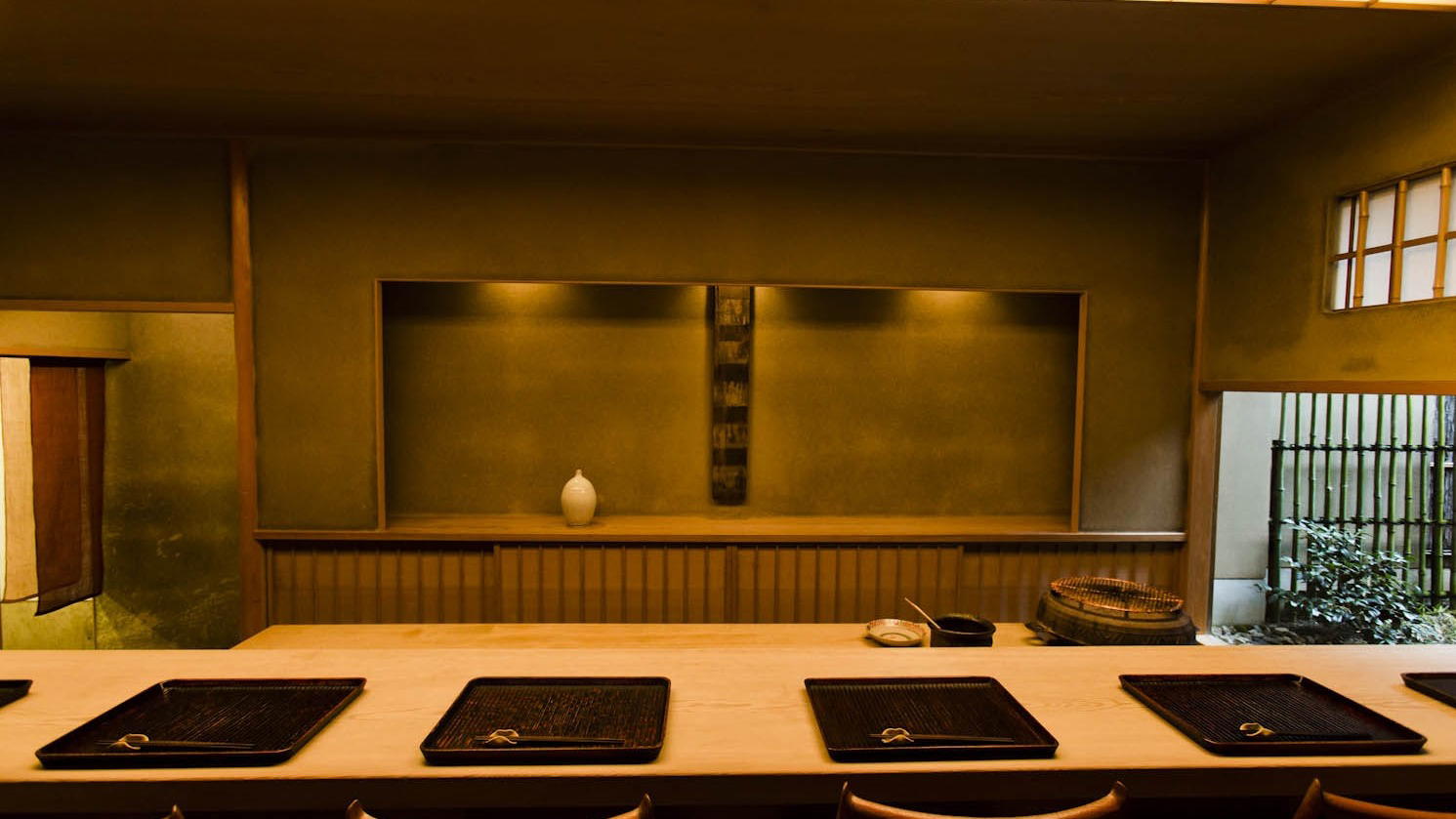
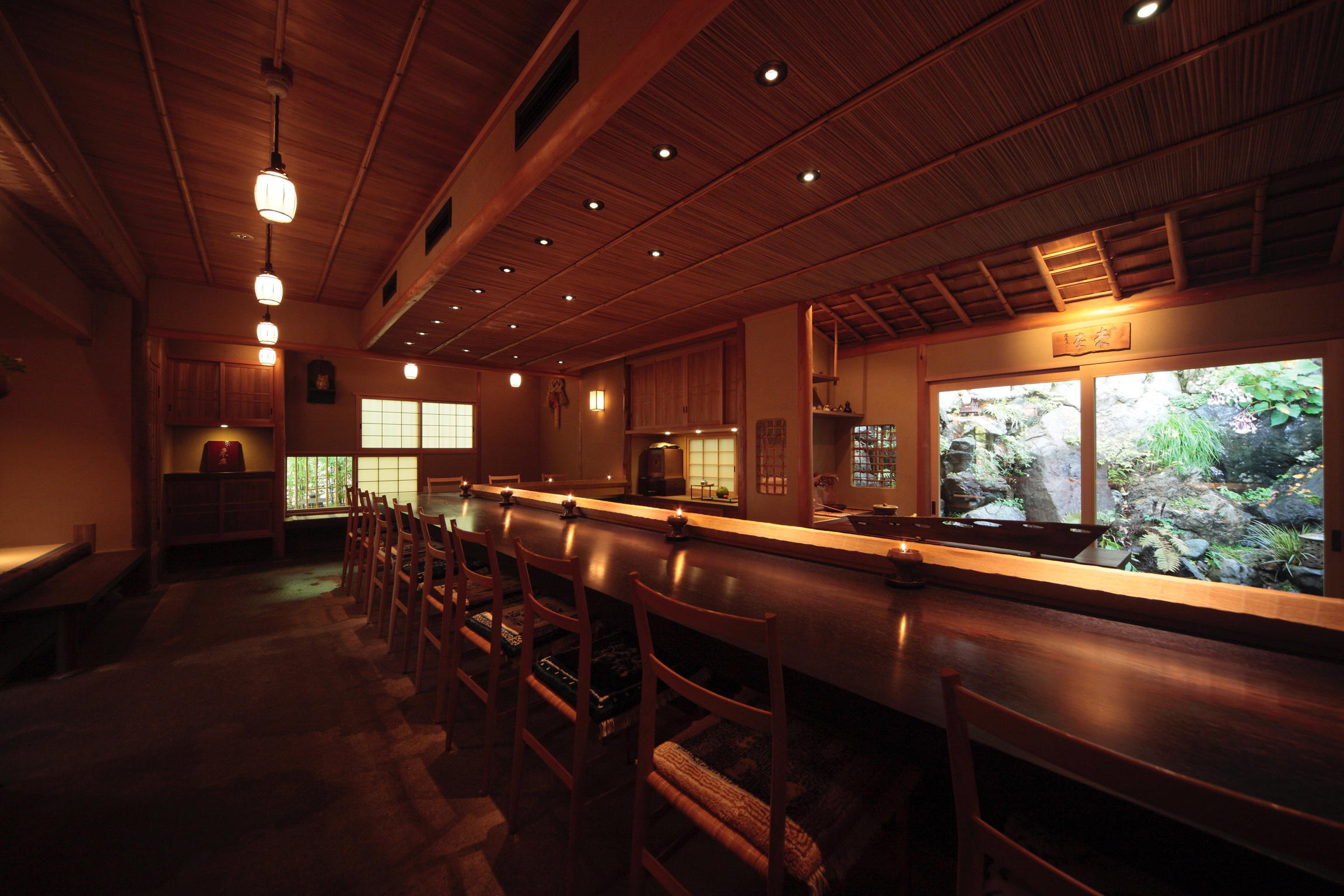
- Open Kitchen
- Historic Building
- Sake Program
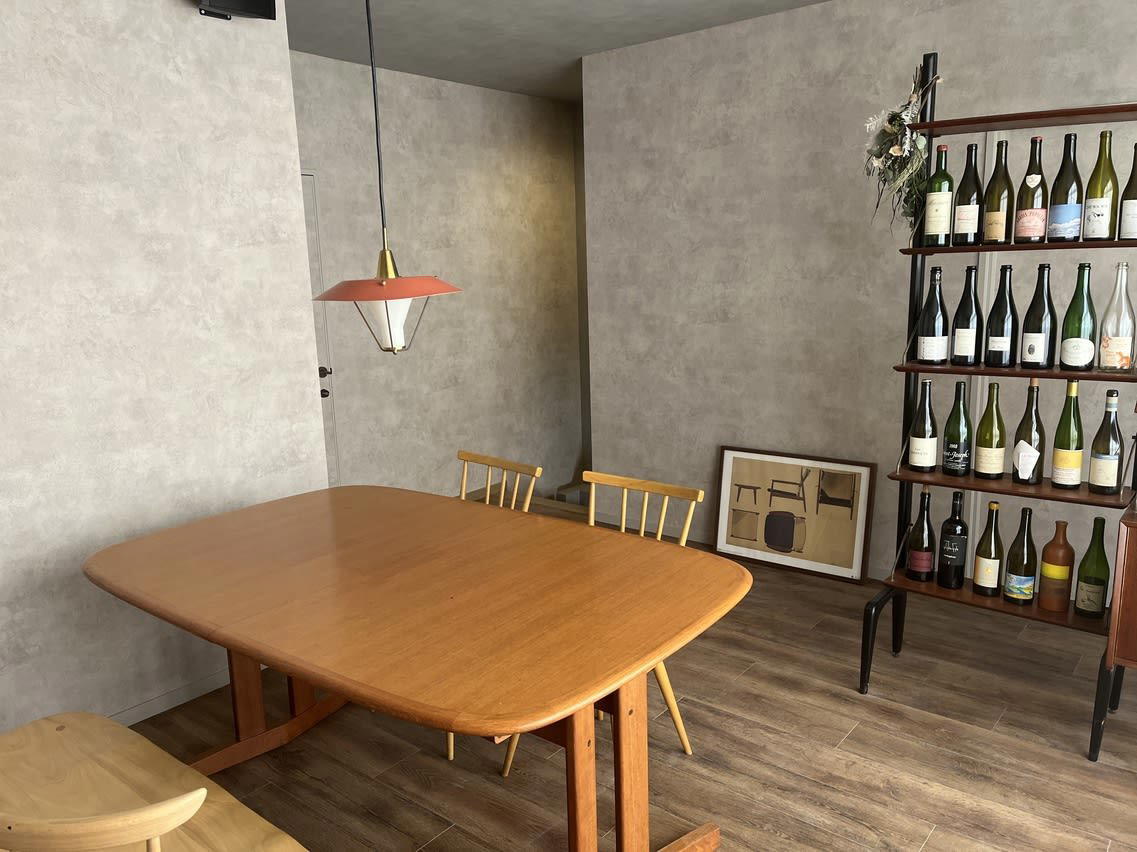
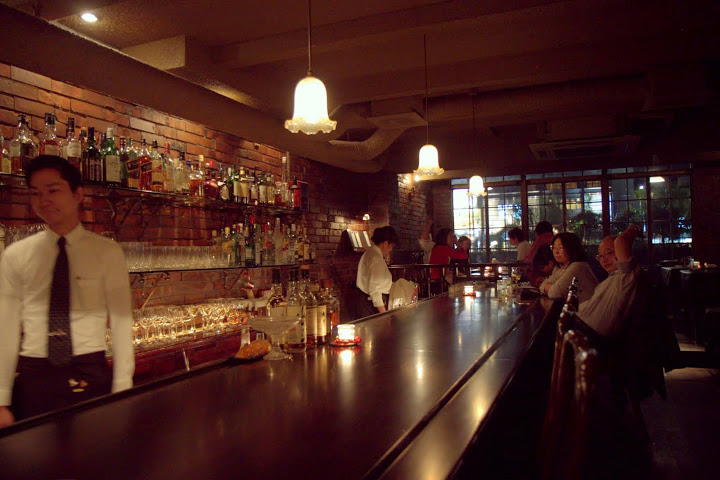
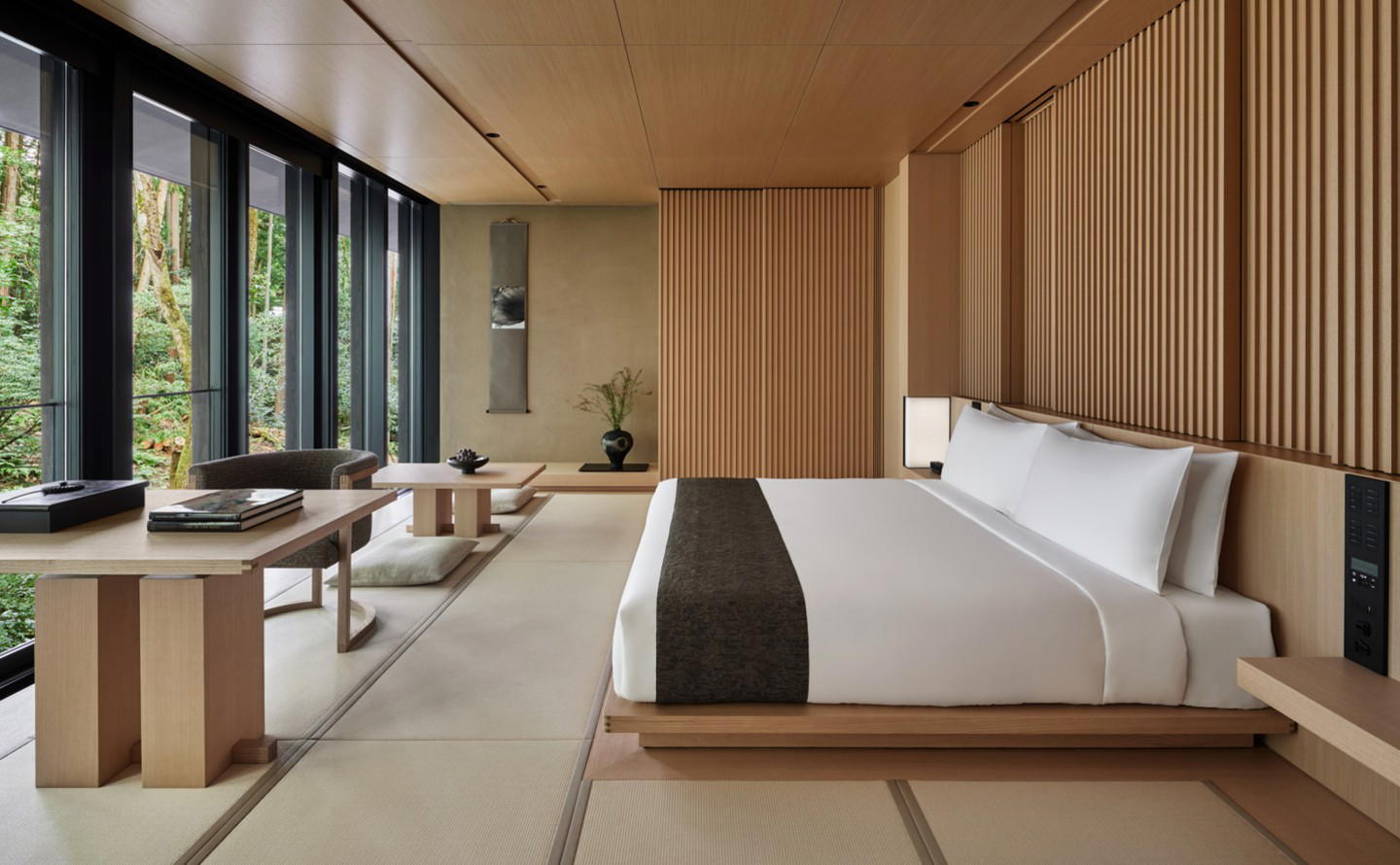
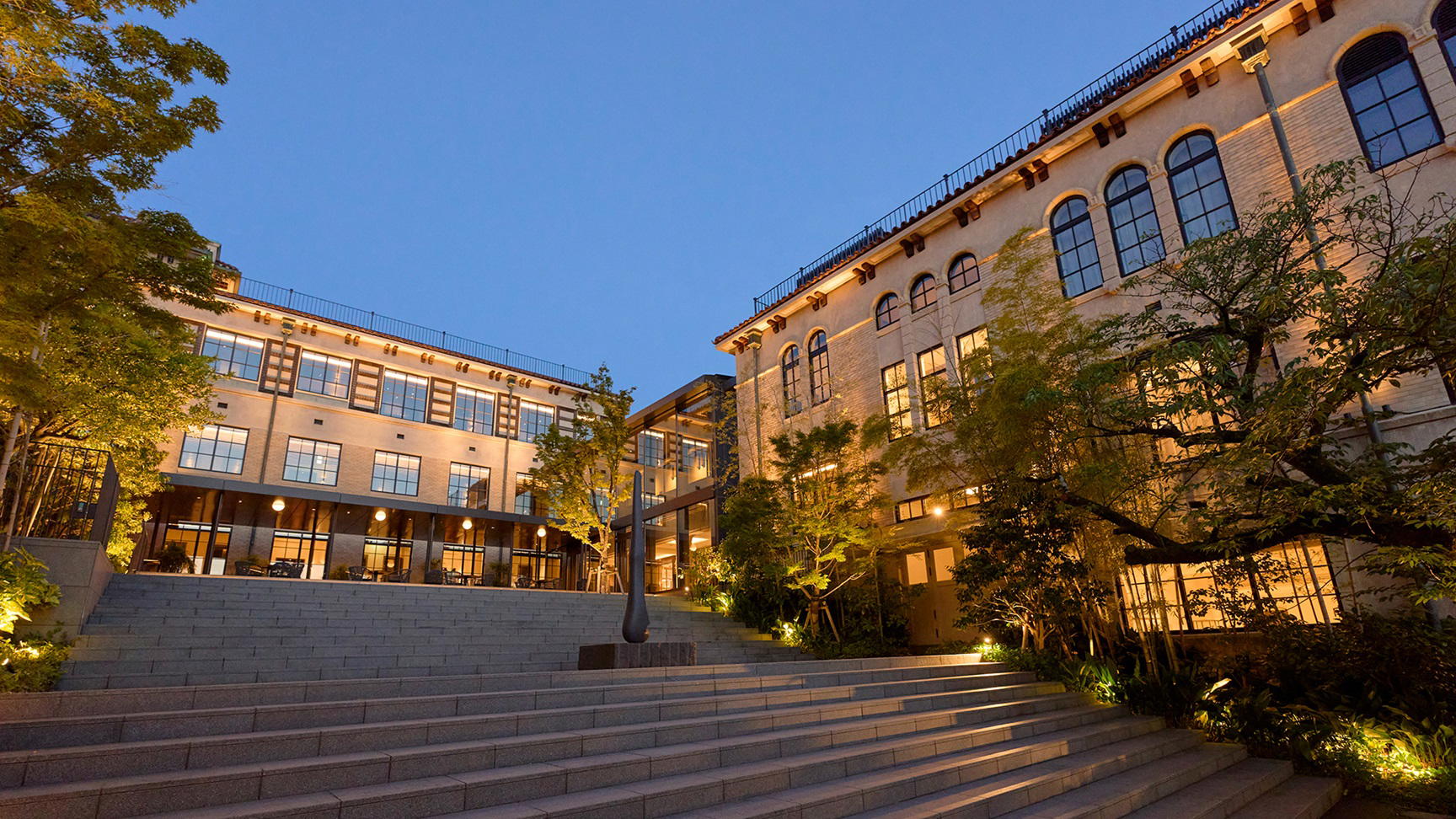
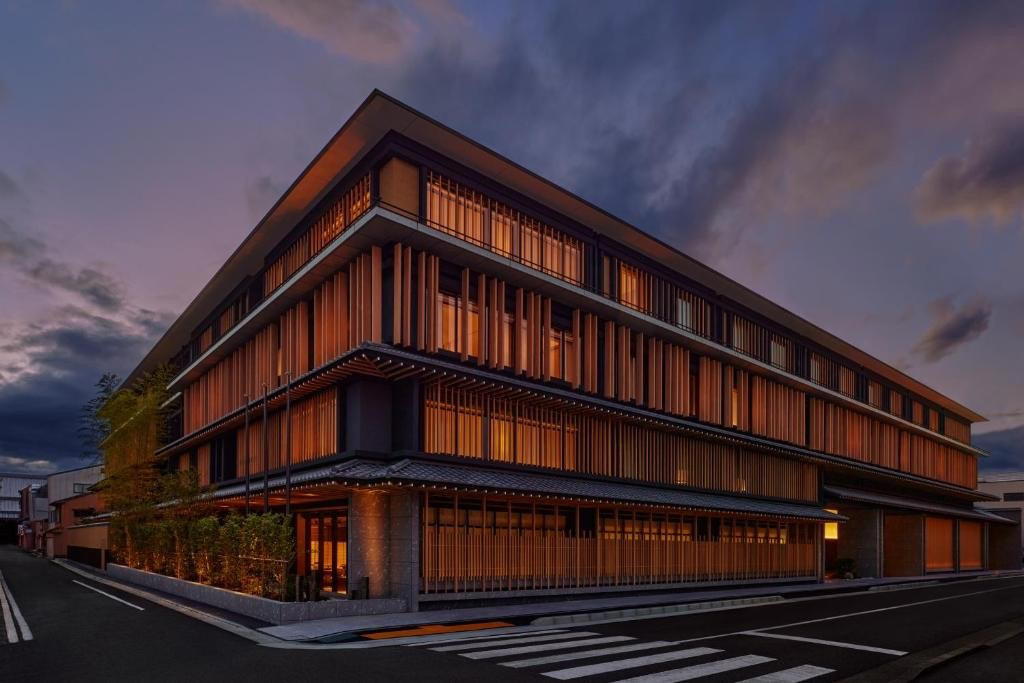
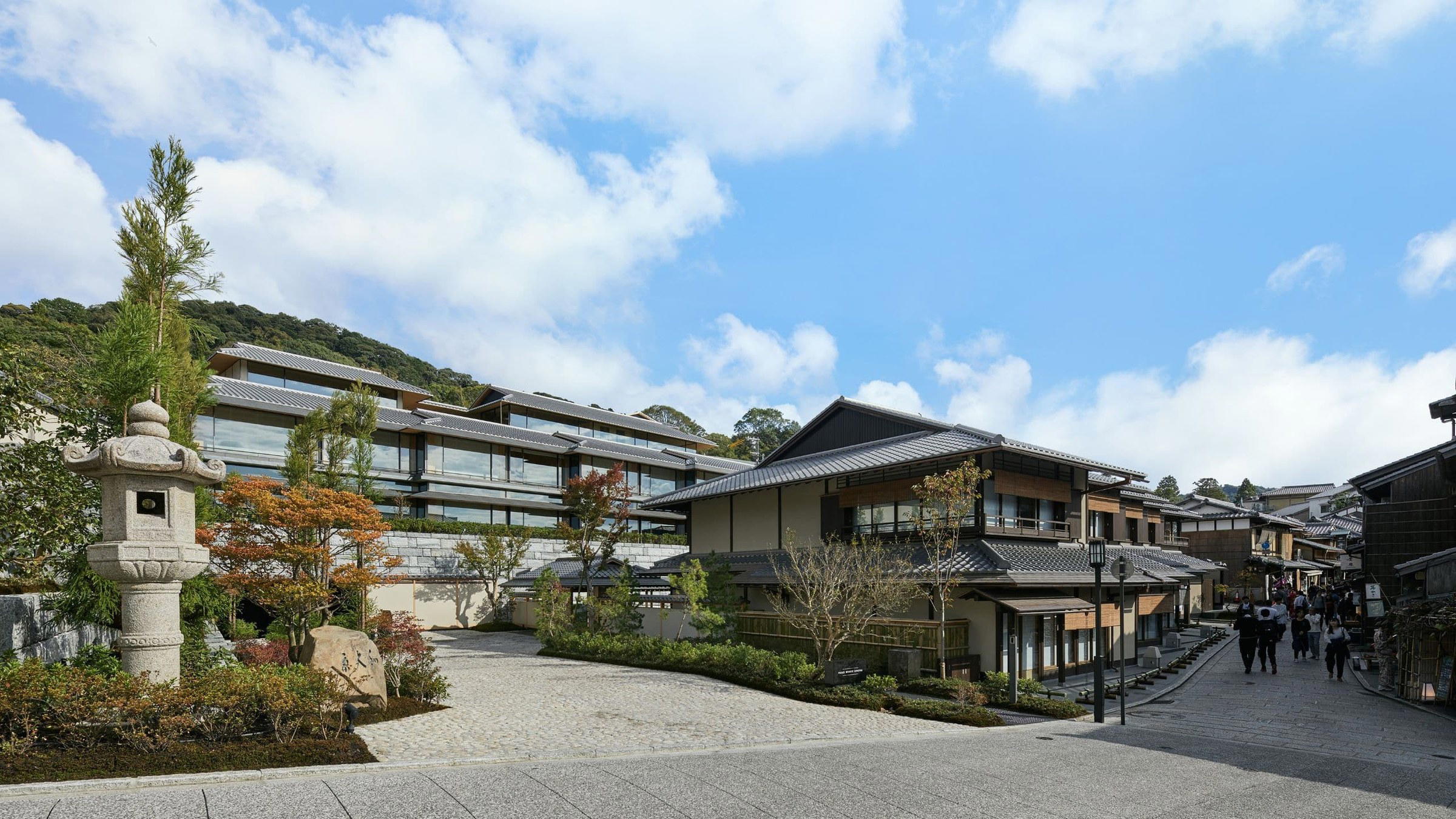
Housed in a restored Kyoto townhouse retaining the nostalgic atmosphere of traditional machiya architecture with a focus on the grill.