In Nakagyo Ward, a few blocks from the Rokkaku-do pagoda, 流佐 occupies a quiet register within Kyoto's broader kaiseki scene, the kind of address that spreads by word of mouth rather than press release. The dining room draws a loyal local following whose return visits signal something beyond novelty. For travellers willing to research and commit early, it represents a considered entry point into the city's mid-to-upper dining tier.
Pearl is the En Primeur Club membership app — saves, bookings, and concierge access live there. Same editors, same standards.
- Address
- 360 Rokkakucho, Nakagyo Ward, Kyoto, 604-8212, Japan
- Phone
- +81755610330
- Website
- hamasaku.kyoto
- Directions
- Get directions
 Saves & bookings on Pearl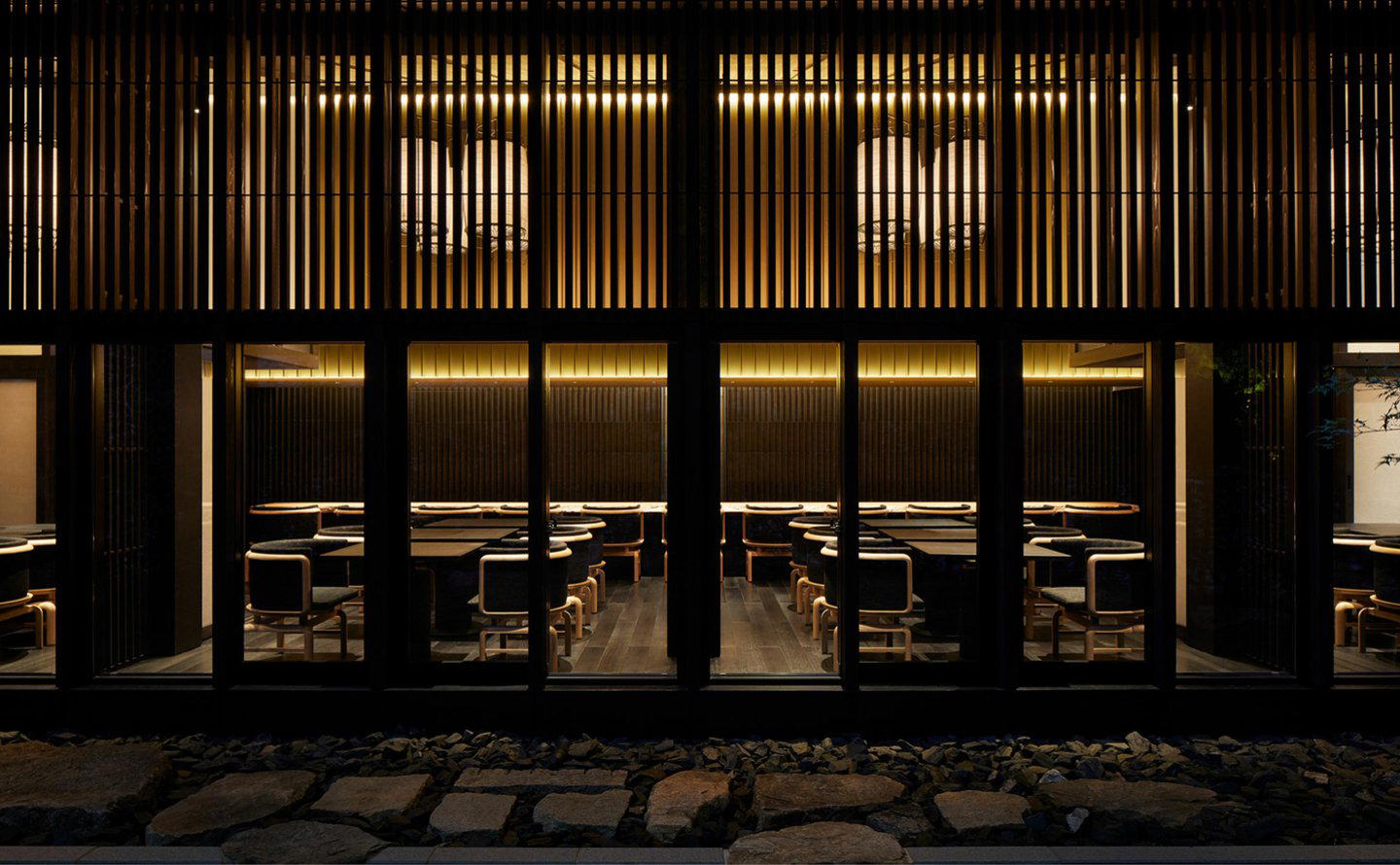
The Rokkaku Quarter and What It Signals About Kyoto Dining
Kyoto's most-discussed restaurants cluster in Gion, Higashiyama, and along the Kamo River, where international press attention and Michelin geography reinforce each other. But a parallel tier of addresses operates in the city's quieter wards, sustained less by guidebook traffic and more by the preferences of residents who eat out repeatedly and have long since moved past the obvious choices. Nakagyo Ward belongs to that geography. The streets around Rokkaku-do, the sixth-century pagoda that gives Rokkakucho its name, hold a mixture of craft workshops, long-running family businesses, and, for those paying attention, a handful of restaurants that don't announce themselves loudly.
流佐, at 360 Rokkakucho, sits in this context. It isn't in competition with the destination-dining circuit in the way that Gion Sasaki or Hyotei are, institutions whose Michelin stars and multi-generation pedigrees define one end of Kyoto's dining spectrum. Instead, 流佐 functions in the register that Kyoto locals often describe as more reliable for regular dining: not the occasion table, but the table you return to when you want the meal to be good without requiring the full ceremony of a formal kaiseki booking.
What Regulars Are Actually After
The logic of a loyal clientele tells you something specific about a restaurant. Repeat visitors are not motivated by novelty or prestige signalling, they've already had both. What sustains return visits is a combination of consistency, the sense that the kitchen knows what it's doing within a defined range, and the particular comfort of a room that doesn't try too hard. In Kyoto, this tends to manifest as cooking that respects the seasonal calendar without theatricalising it, and service that assumes familiarity rather than performing it.
Kyoto's kaiseki tradition, as practised at addresses like Kikunoi Honten or Mizai, operates on a strict seasonal sequencing that reflects Buddhist-influenced ideas about restraint and impermanence. A restaurant that draws regulars from within the city is implicitly engaging with that tradition, even if its format is less formal. The question local diners bring to a neighbourhood address isn't whether it has three stars, it's whether the kitchen is paying attention to what month it is, and whether the rice is being treated with the respect it deserves.
Kyoto also has a tradition of restaurants that serve what might be called obanzai-adjacent cooking: the everyday multiple-dish format rooted in temple and merchant-class kitchens, less architecturally composed than kaiseki but equally ingredient-driven. Addresses in this register, like Isshisoden Nakamura, have sustained loyal followings for generations by holding to that standard. Whether 流佐 operates within this tradition or takes a different angle is not something the available record confirms, but its location and the character of its neighbourhood suggest it occupies a similar community-facing role.
Reading the Neighbourhood
Rokkakucho sits in the Nishiki Market corridor, close enough to central Kyoto to be convenient but outside the tourist-facing strip that runs toward Gion. The area has long attracted people with craft or aesthetic interests, Nishiki itself has been a provisioning market for Kyoto kitchens for centuries, and restaurants in this zone tend to reflect those values. They're not built for groups moving between sights; they're built for people who have somewhere specific to be and are eating with intention.
This contrasts with the kind of dining geography you find in, say, the block surrounding Pontocho, where riverfront tables and visible kitchen activity serve a different audience. The Rokkaku district rewards familiarity. Visitors who approach it the way locals do, researching before arriving, booking ahead, arriving with some knowledge of what kind of meal they're walking into, will find it more legible than those who arrive without context.
Kyoto in the Context of Japan's Wider Dining Tier
Kyoto's dining identity remains distinct from Osaka's more ingredient-forward bravado and Tokyo's density of technical ambition. Restaurants like HAJIME in Osaka and Harutaka in Tokyo represent the kind of destination-meal logic that requires months of lead time and significant expenditure. Kyoto's contribution to this ecosystem is different: the city's strongest argument is accumulated culinary intelligence, centuries of refining how to cook rice, pickle vegetables, and present a seasonal dish without over-explaining it.
Beyond the Kansai region, Japan's restaurant scene sustains addresses of note at considerable geographic spread: akordu in Nara, Goh in Fukuoka, and further afield, Abon in Ashiya, affetto akita in Akita, Aji Arai in Oita, Ajidocoro in Yubari District, Akakichi in Imabari, and aki nagao in Sapporo. This pattern, of serious cooking distributed across the country, well outside the major-city circuit, reflects something structural about Japan's hospitality culture: excellence is not geographically concentrated in the way it is in France or the United States. Kyoto's neighbourhood addresses, 流佐 among them, belong to that distributed logic.
Planning a Visit
The address is 360 Rokkakucho, Nakagyo Ward, direct to reach from central Kyoto on foot or by local bus. For context on how this compares to the planning required for Kyoto's upper-tier kaiseki rooms, tables at Gion Sasaki and similar establishments book weeks to months in advance; neighbourhood addresses in the Rokkaku ward tend to operate with shorter lead times, though this varies by season. Spring and autumn, when Kyoto's tourism peaks around cherry blossom and autumn colour, compress availability across the board.
Le Bernardin in New York City and Lazy Bear in San Francisco, venues where sustained reputation rests on consistency and a defined point of view rather than continuous reinvention.
Cuisine and Awards Snapshot
Comparable venues nearby, for context on price, style, and recognition.
| Venue | Cuisine | Price | Notes |
|---|---|---|---|
| 浜作This venue — the venue you are viewing | Traditional Kaiseki | $$$$ | Not listed |
| 天ぷら 京星 | Kyoto-Style Tempura | $$$$ | 祇園 |
| さえ㐂 | Traditional Edomae Sushi Omakase | $$$$ | Nakagyo Ward |
| Iwasaki | Michelin-Starred Kyoto Kaiseki | $$$$ | Kamigyō |
| Mankamerou | Traditional Kyoto Kaiseki & Yusoku Ryori | $$$$ | Kamigyō |
| 鮓割烹 なか一 | Sushi Kappo (Edomae Sushi & Kyoto Kaiseki) | $$$$ | Gion |
Continue exploring
More in Kyoto
Restaurants in Kyoto
Browse all →
Bars in Kyoto
Browse all →
Hotels in Kyoto
Browse all →
Wineries in Kyoto
Browse all →
At a Glance
- Elegant
- Intimate
- Sophisticated
- Special Occasion
- Date Night
- Chefs Counter
- Sake Program
- Local Sourcing
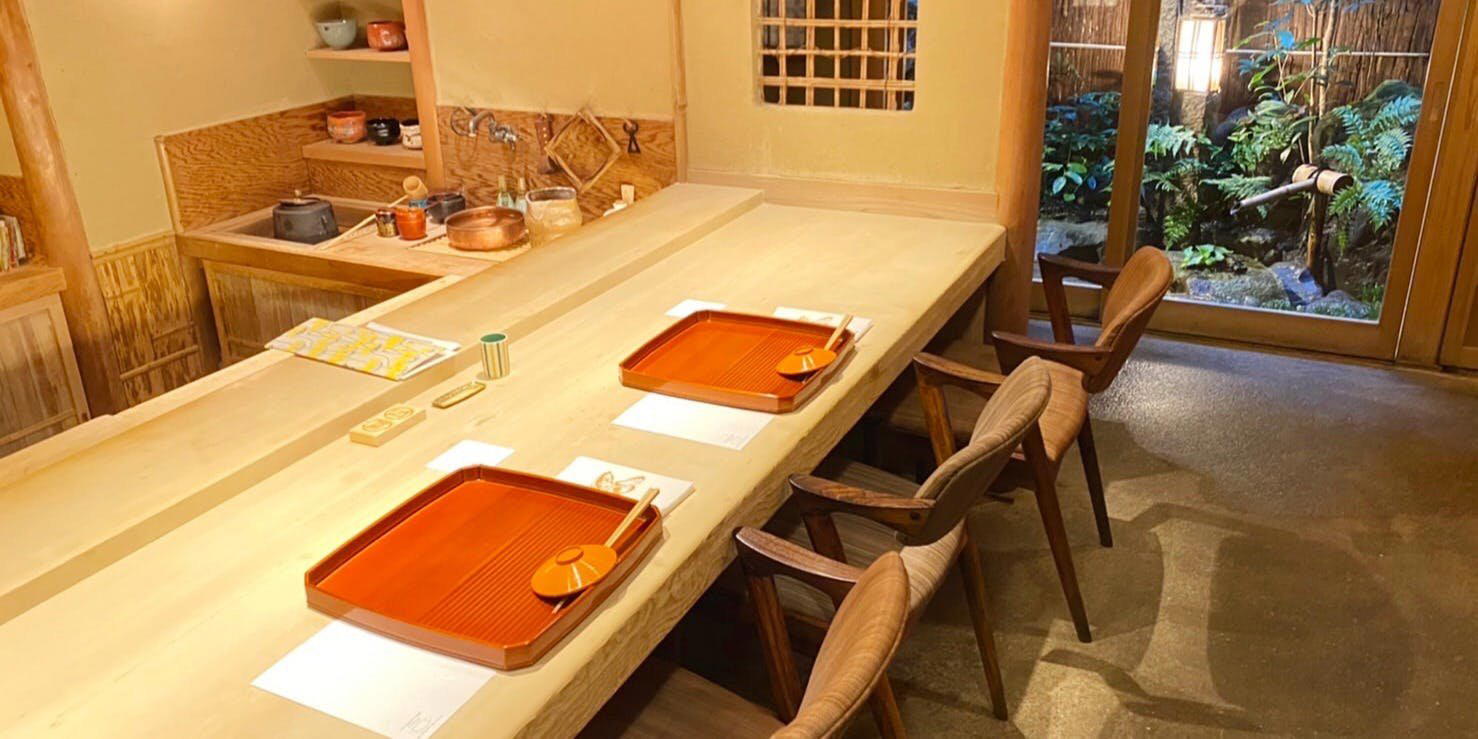
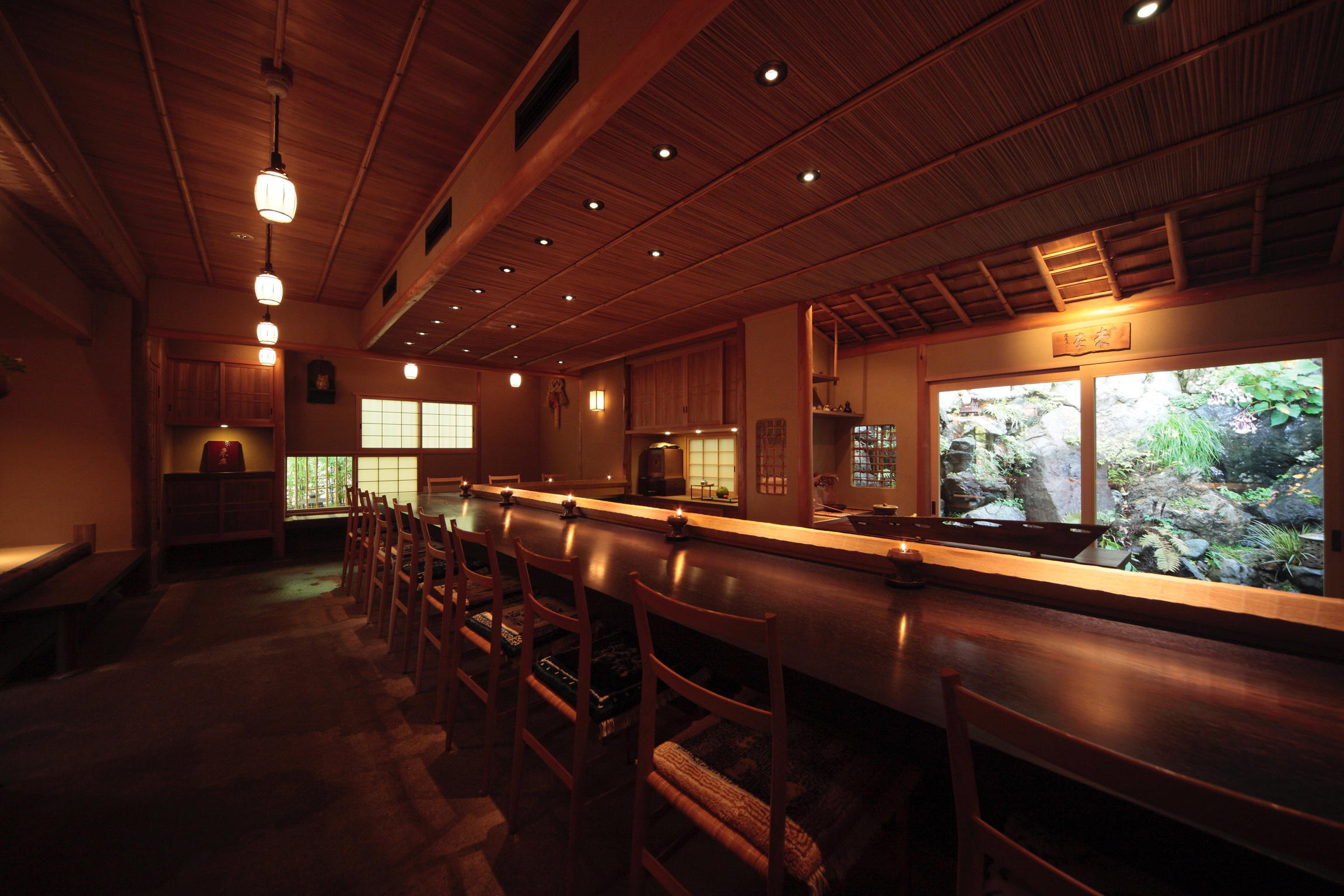
Dimly lit with minimalist Japanese decor, creating a serene and refined atmosphere focused on the culinary artistry.