
A Nishiazabu counter restaurant where Chinese medicinal cooking principles shape every plate. Kyuu holds a Michelin Plate (2025) and operates around a Chinese food therapy framework: generous vegetables, minimal oil, and a house 'Nutritional Soup' built from dried foods, seafood, and seasonal produce. The counter kitchen format puts the cooking in full view, with dishes served directly from pot and grill at the moment they are ready.
Pearl is the En Primeur Club membership app — saves, bookings, and concierge access live there. Same editors, same standards.
- Address
- Japan, 〒106-0031 Tokyo, Minato City, Nishiazabu, 3 Chome−23−7 パレロワイヤル 1階
- Phone
- +81 3-6721-0700
- Website
- sushikyu.jp
- Directions
- Get directions
 Saves & bookings on Pearl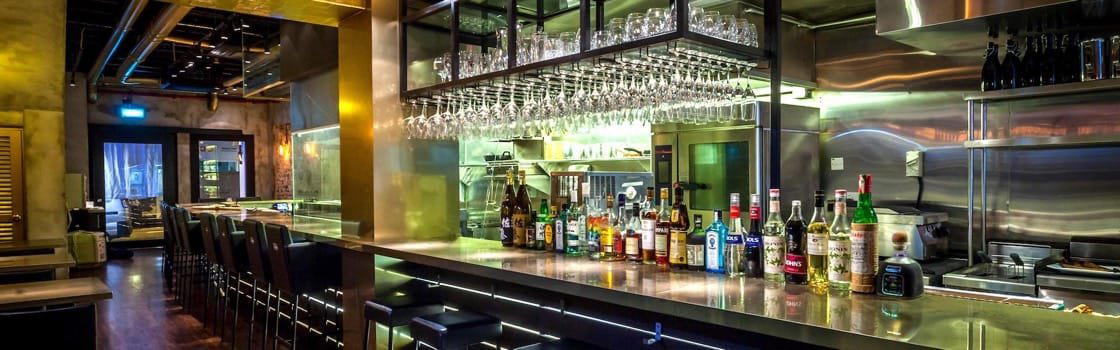
A Counter Built Around What Chinese Cooking Can Do for the Body
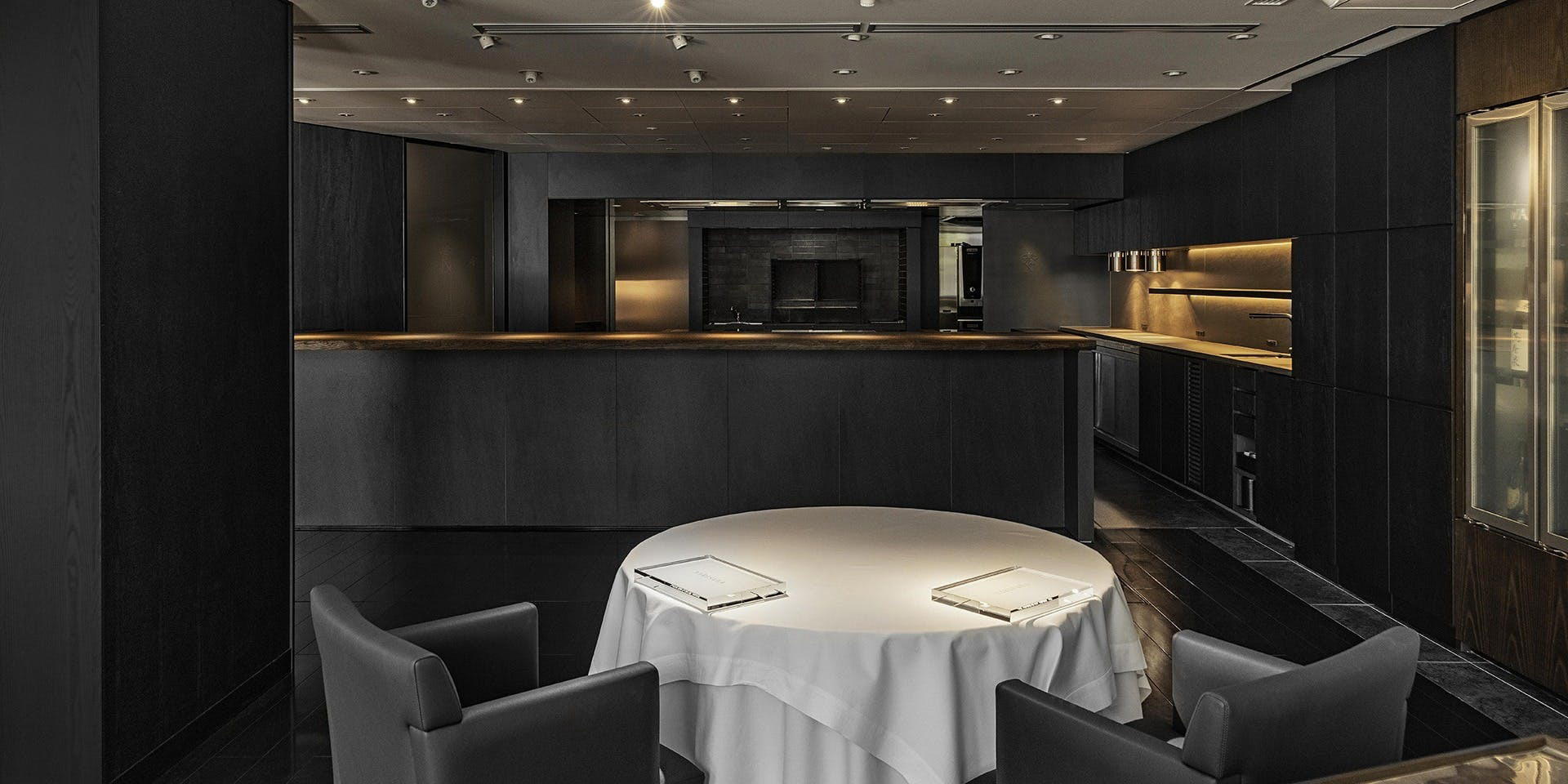
The counter kitchen has become one of Tokyo's most versatile dining formats, borrowed from Japanese traditions and now applied across categories from sushi to French technique. In Nishiazabu, Kyuu uses the format in a way that shifts the frame: the counter here is not a stage for visual spectacle or knife theatrics, but a working proximity arrangement that lets dishes move from pot and grill to guest with no delay, no holding, and no degradation. That immediacy is structural to the menu's logic. When cooking is designed to be light, low-oil, and vegetable-forward, timing is everything. A dish that waits is a different dish.
Nishiazabu sits in the quieter residential and dining tier of Minato, a neighbourhood that has accumulated a dense cluster of serious restaurants without becoming a tourist corridor. The street-level approach to Kyuu, on the ground floor of a building on 3 Chome, carries none of the ceremony that marks higher-end Tokyo dining rooms. That restraint is consistent with what the menu proposes: this is a room where the cooking, not the architecture, does the work.
How the Menu Is Built, and What It Signals
Chinese medicinal cooking, known broadly in Mandarin as yaoshi or food therapy, has a long formal tradition, but it rarely appears in Japanese restaurant contexts with this kind of structural commitment. Most Chinese restaurants in Tokyo operate within a recognizable Cantonese, Sichuan, or modern-Chinese framework, where health considerations are incidental to flavour. Kyuu inverts that priority. The chef’s approach is shaped by Chinese food therapy, with the menu constructed from a nutritional architecture outward, and flavour built on top of that foundation rather than the other way around.
One direct expression of this is the Nutritional Soup, a house preparation that draws umami from dried foods alongside seafood and meat, then layers in fresh seasonal ingredients. Dried foods, a cornerstone of classical Chinese medicinal cooking, concentrate minerals and compounds that fresh ingredients don't provide in the same density. The soup changes with the market, but its base logic does not. Among the comparison set of Michelin-recognised Tokyo restaurants operating at the ¥¥¥ tier, Den being the structurally relevant peer (innovative approach, same price bracket), Kyuu sits in a narrower sub-category: not innovative-Japanese but medicinal-Chinese, with a comparable set that barely exists in Tokyo's formal dining circuit.
The broader menu follows the same architecture. Vegetables appear in volume, oil is used sparingly, and the result is a lightness that is different from caloric restraint in the Western dietary sense. Chinese food therapy aims at balance between ingredients and their functional relationships, so a dish might be built around warming or cooling properties, or around combinations that the tradition associates with specific organ systems. Whether or not the diner is following that logic, the eating experience is noticeably clean. There is no heaviness after a full meal here of the kind common to richer Chinese cooking.
This positions Kyuu within a small but growing cohort of Tokyo restaurants applying traditional wellness frameworks to formal dining. Koshikiryori Koki applies classical Chinese court cooking principles in a different register. Itsuka works within a Japanese framework that shares some of the seasonal-ingredient logic. Neither operates from the same medicinal starting point, which leaves Kyuu in a largely uncontested position in the city.
Where Kyuu Sits in the Tokyo Chinese Dining Circuit
Tokyo's Chinese restaurant tier has depth that international visitors often underestimate. At the leading end, Chugoku Hanten Fureika and Chugoku Hanten Kohakukyu (Amber Palace) represent the formal prestige end of Cantonese-influenced Chinese in the city, with the service architecture and dining room scale to match. Ippei Hanten operates in a different register altogether. Kyuu sits apart from all of them by category: it is not competing on the richness or technical complexity of its sauces, or on the prestige of its sourcing in the way that high-end Cantonese counters do. It is competing, if the word applies at all, on the coherence of a different set of values.
Recognition in 2024 and 2025 confirms consistent quality without placing the restaurant in the starred tier. At ¥¥¥, it occupies a mid-to-upper price point that still demands intention.8 across 6 reviews suggests the experience lands with the guests who find it.
For context beyond Japan, the approach Kyuu takes has parallels in how some Western cities are starting to see Chinese-influenced restaurants reframe the genre entirely. Restaurant Tim Raue in Berlin and Mister Jiu's in San Francisco each propose alternatives to the conventional Chinese restaurant format, though neither operates from a medicinal cooking framework. The broader shift they represent, Chinese cooking taken seriously on formal dining terms, is one Kyuu participates in from a distinctly different angle.
The Counter Kitchen as Editorial Statement
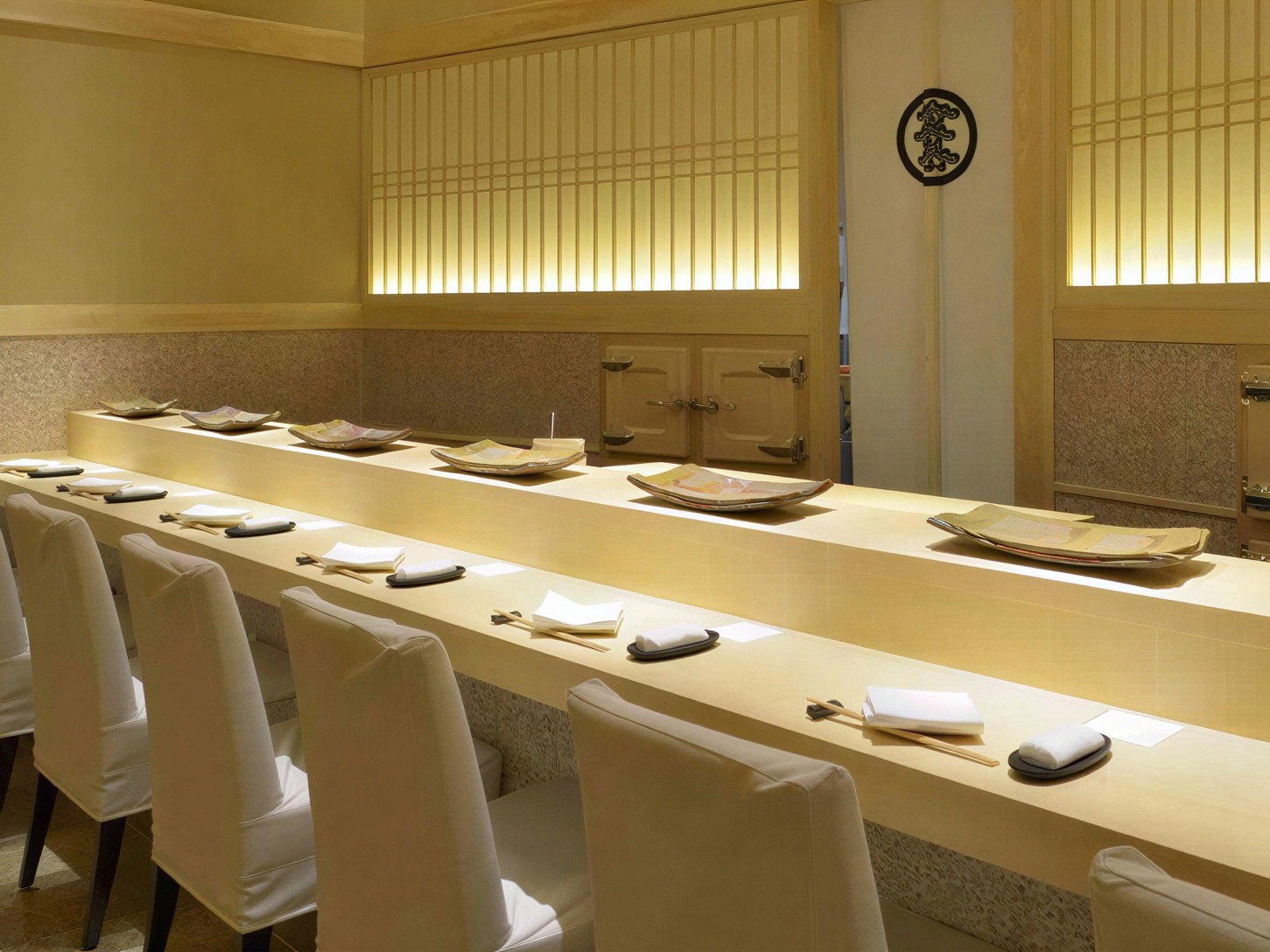
The decision to build Kyuu around a counter kitchen format, rather than a conventional table-service Chinese room, says something about the intended experience. Counter dining in Tokyo tends to signal proximity, participation, and a certain transparency: you see what is being done and you receive it as it is finished. In a Chinese context, this format is less common than in Japanese omakase or French chef's-table settings. Its application here reinforces the restaurant's core argument, that the cooking is precise, intentional, and worth watching.
Dishes arriving from pot and grill to counter in sequence, rather than in the banquet-table style that Chinese cuisine often adopts in Japan, creates a dining rhythm closer to kaiseki or omakase than to a conventional Chinese dinner. That rhythm suits a menu built course by course around nutritional logic. The format and the philosophy are aligned.
Planning a Visit
Kyuu is located at 3 Chome-23-7 Nishiazabu, Minato City, Tokyo, on the ground floor of the Palais Royal building. The price range sits at ¥¥¥. The restaurant holds a Michelin Plate for 2024 and 2025. For broader context on dining in the city, see our full Tokyo restaurants guide, and for accommodation, bars, and experiences, consult our Tokyo hotels guide, Tokyo bars guide, and Tokyo experiences guide. Elsewhere in Japan, comparable seriousness in a different genre can be found at Gion Sasaki in Kyoto, HAJIME in Osaka, akordu in Nara, Goh in Fukuoka, 1000 in Yokohama, and 6 in Okinawa.
Kyuu is located in Nishiazabu, Minato City, Tokyo, at Japan, 〒106-0031 Tokyo, Minato City, Nishiazabu, 3 Chome−23−7 パレロワイヤル 1階. ¥¥¥. Michelin Plate 2024 and 2025. Counter kitchen format. Modern Japanese Omakase and Robatayaki.
What Dish Is Kyuu Famous For?
The preparation most closely associated with Kyuu's identity is the Nutritional Soup, a house dish that draws its base from dried foods, seafood, and meat, then incorporates fresh seasonal ingredients. The soup functions as the clearest single expression of the restaurant's medicinal cooking framework: its construction is deliberate rather than improvisational, and it changes with the season while the underlying logic holds. The broader menu, built around the same principles of generous vegetables and minimal oil, reinforces what the soup establishes. Kyuu's awards record, with Michelin Plate recognition in both 2024 and 2025, supports the consistency of that approach across time.
Booking and Cost Snapshot
Comparable venues nearby, for context on price, style, and recognition.
| Venue | Cuisine | Price | Awards | Notes |
|---|---|---|---|---|
| KyuuThis venue — the venue you are viewing | Chinese | $$$ | Michelin Plate | Not listed |
| Toriyaki Ohana | Shibuya, Modern Chicken Toriyaki Omakase | $$$ | Michelin Plate | Not listed |
| Tsurutokame | Chūō, Seasonal Kaiseki | $$$ | Michelin Plate | Not listed |
| Edomae Shibahama | Minato, Edomae-style Japanese | $$$ | Michelin Plate | Not listed |
| Sushi Ikki | Not listed | $$$ | Michelin Plate | Setagaya, Authentic Edo-mae Sushi Omakase |
| Tohakuan Karibe | Setagaya, Handmade Soba Noodles | $$$ | Bib Gourmand | Not listed |
Recognition history
Dated appearances from independent guides and award organizations, with the underlying list record or original source where available.
Michelin Plate
Michelin
Michelin Plate
Michelin
Michelin Plate
Michelin












At a Glance
- Lively
- Energetic
- Intimate
- Trendy
- Date Night
- Special Occasion
- Chefs Counter
- Open Kitchen
- Sake Program
- Local Sourcing
Current opening hours
- Monday
- 5–10:30 PM
- Tuesday
- 12–10:30 PM
- Wednesday
- 12–10:30 PM
- Thursday
- 12–10:30 PM
- Friday
- 12–10:30 PM
- Saturday
- 12–10:30 PM
- Sunday
- Closed
Hours can change for holidays and private events. Last verified .
Cozy and energetic counter seating with open kitchen views, featuring lively chef interactions and a casual yet refined atmosphere.