


Michelin Plate · Tabelog 100 #4
Our verdict
A Michelin Plate-recognised kaiseki counter in Ebisu that applies Japan's most codified multi-course format to a single subject: chicken. Every part of the bird is used across the sequence, from nori-wrapped breast and wonton soup through to char-grilled cuts and a closing bone-broth rice dish. At the ¥¥¥ tier, it sits below the top bracket of Tokyo kaiseki dining while delivering the same structural discipline.

Pearl is the En Primeur Club membership app, where members save venues, book tables and use the concierge.
The menu
What to order
- Tsukune meatball
- Chicken roll
- Charcoal grilled chicken thigh
- Yaki-onigiri
If You Eat One Thing in Ebisu, Make It This
Tokyo has a long tradition of the specialist kitchen, the restaurant that does one thing and refuses to apologise for the narrowness of its focus. Yakitori counters, tempura bars, soba houses: the logic is the same across all of them. Mastery comes from reduction. Toriyaki Ohana, on the third floor of a building in Ebisu's quieter residential fringe, applies that logic to chicken across a kaiseki framework, and the result is a case study in how a single ingredient can carry an entire formal meal without ever feeling like a constraint. Michelin has recognised it with a Plate in both 2024 and 2025, placing it in the tier of restaurants the guide considers worth seeking out, even without a star.
The Kaiseki Frame and What Chicken Does Inside It
Kaiseki, Japan's most codified multi-course format, built around seasonal progression and textural contrast, is rarely associated with a single protein. The format typically draws from land, sea, and mountain across a dozen or more courses, with each dish signalling a different technique and register. Using chicken as the sole subject of that architecture is a deliberate constraint, and it changes how you read each course. When the protein cannot shift, the technique has to do all the work.
The menu at Toriyaki Ohana is structured around that principle. An appetiser of chicken breast wrapped with nori seaweed or a spring roll of minced chicken with miso opens the sequence at low temperature and precise knife work. A soup course follows with chicken wonton, the broth functioning as the bridge between the cold-start appetisers and the heat of what comes next. The grilling register is where the kitchen makes its most explicit argument: rather than skewering, the chef char-grills chicken and duck on a wire net, using direct high-heat broiling to scorch the surface. That surface texture, pungent, slightly charred, is the kind of result that only direct flame produces, and it positions Ohana in a different register from standard yakitori. The meal closes with chicken bone soup over rice, a gesture toward nose-to-tail cooking that doubles as an acknowledgement of Japanese culinary ethics around waste. Nothing is discarded. Every part of the bird is assigned a role in the sequence.
What Keeps Regulars Coming Back
In Tokyo's densest dining neighbourhoods, the restaurants that develop a loyal local following tend to share a few characteristics: a format that rewards repetition, pricing that allows return visits, and a kitchen whose consistency is something guests can rely on rather than merely hope for. Toriyaki Ohana checks each of those boxes. At the ¥¥¥ price tier, it sits below the ¥¥¥¥ bracket occupied by counters like Harutaka in Ginza or kaiseki institutions like RyuGin, where a single evening represents a significant financial commitment. That pricing makes Ohana the kind of place regulars can return to quarterly rather than annually.
The kaiseki structure also rewards return visits in a way that à la carte dining does not. Guests who know the format arrive with a different kind of attention, tracking how the kitchen handles the transitions between courses, whether the grilling temperature has changed, how the soup registers across different visits.
Ebisu itself contributes to this dynamic. The neighbourhood sits between the tourist-facing energy of Shibuya and the fashion-forward density of Daikanyama, but operates at a quieter register than either. Its restaurant scene skews toward residents and workers rather than destination diners, which means the clientele at a place like Ohana tends to be self-selecting: people who know why they are there, not people who wandered in. That audience tends to be more forgiving of a focused menu and more likely to return because the specificity is the point.
Where Ohana Sits in Tokyo's Specialist Dining Tier
Tokyo's Michelin Plate designation covers a wide range of restaurants, but in the context of a focused specialist kitchen at the ¥¥¥ tier, it functions as a credibility marker rather than a ceiling. The Plate signals that inspectors found the cooking worth recommending, a threshold that filters out a significant proportion of the city's restaurants at this price point. For comparison, French kitchens in the same city's higher tier, like L'Effervescence or Sézanne, operate at ¥¥¥¥ with full star recognition. Ohana's positioning is deliberately different: specialist, accessible by comparison, and built for a different kind of dining occasion.
The kaiseki-chicken format also places it in an interesting competitive space relative to more experimental kitchens. Crony in Tokyo pushes at the boundaries of French-Japanese fusion at a similar price tier. Ohana moves in the opposite direction, toward distillation rather than expansion. Neither approach is more legitimate than the other, but they attract different guests with different priorities. For anyone whose instinct in Tokyo is to seek out the kitchen that has made peace with its own limitations and turned them into a form of discipline, Ohana is the more instructive meal.
Japan's broader specialist-restaurant tradition supports this kind of kitchen. Across the country, from Gion Sasaki in Kyoto to HAJIME in Osaka, the logic of reduction and mastery runs through the most respected kitchens. Tokyo concentrates that tradition at higher density than anywhere else, which means a Plate-recognised chicken kaiseki counter in Ebisu is not a novelty, it is a coherent expression of a deeply rooted culinary logic.
Planning Your Visit
Know Before You Go
- Location: 3 Chome-28-2 SreedEBISU2 3F, Ebisu, Shibuya, Tokyo, third floor, accessed via a building entrance on the Ebisu side street.
- Price tier: ¥¥¥, positioned below the top tier of Tokyo kaiseki counters, making it one of the more accessible formal multi-course options in the city.
- Recognition: Michelin Plate 2024 and 2025.
- Format: Multi-course kaiseki with chicken as the sole protein across all courses.
- Nearest transit: Ebisu Station (JR Yamanote Line; Tokyo Metro Hibiya Line), a short walk from either exit.
- Booking:
For a broader view of where Ohana sits in Tokyo's dining map, see our full Tokyo restaurants guide. Planning a longer stay? Our Tokyo hotels guide, bars guide, and experiences guide cover the rest of the city at the same depth. Further afield, akordu in Nara, Goh in Fukuoka, 1000 in Yokohama, and 6 in Okinawa offer reference points for the wider Japanese specialist-restaurant tradition. For a transatlantic counterpoint in how a single-subject kitchen can sustain formal dining, Le Bernardin and Atomix in New York City each demonstrate the same principle applied to seafood and Korean tasting formats respectively. And if Japan's wine culture is part of your itinerary, our Tokyo wineries guide covers the domestic producers worth knowing.
Frequently asked questions
Is Toriyaki Ohana child-friendly?
The kaiseki format, multiple courses, formal pacing, a quiet register, is calibrated toward adult diners who are comfortable with a structured meal that runs over an extended sitting. At the ¥¥¥ price point, it is not a casual family dinner by Tokyo standards, and the Ebisu neighbourhood leans toward a residential, working-professional crowd rather than families with young children. Whether children would find the single-protein progression engaging depends entirely on their appetite for tasting-menu dining, but the format itself does not make concessions toward younger guests.
Is Toriyaki Ohana better for a quiet night or a lively one?
Ebisu sits at a notably calmer pitch than neighbouring Shibuya, and a kaiseki counter built around a single-protein progression is not the architecture of a high-energy evening. Tokyo's genuinely lively dining at the ¥¥¥-¥¥¥¥ tier tends to concentrate in izakayas and open-kitchen robata counters. Ohana, with its Michelin Plate recognition in 2024 and 2025 and a format that asks guests to follow a fixed sequence, rewards a quieter, more attentive visit, the kind of evening where the conversation happens between courses rather than over them.
What is the dish most worth ordering at Toriyaki Ohana?
The menu is fixed-format kaiseki, so individual ordering is not part of the structure. That said, the grilling course is where the kitchen's culinary argument is made most explicitly. Chicken and duck char-grilled on a wire net under direct high-heat flame, rather than skewered and rotated as in standard yakitori, produces a scorched, pungent surface texture that cannot be replicated by gentler cooking methods. The Michelin Plate recognition in both 2024 and 2025 suggests inspectors found the overall sequence coherent and well-executed, but that grilling register is the moment most guests reference when describing what distinguishes the kitchen.
A Quick Peer Check
| Venue | Cuisine | Price | Awards | Notes |
|---|---|---|---|---|
| Toriyaki OhanaThis venue (the venue you are viewing) | Modern Chicken Toriyaki Omakase | $100–150 | Michelin Plate · Tabelog 100 #4 | Not listed |
| Harutaka | Edo-Style Omakase Sushi | $200–300 | 3 Michelin Stars · World's 50 Best #76 | Sushi |
| RyuGin | Modern Kaiseki | $500+ | 3 Michelin Stars · World's 50 Best #41 | Kaiseki, Japanese |
| L'Effervescence | Modern French with Japanese Influences | $200–300 | 3 Michelin Stars · World's 50 Best #69 | French |
| HOMMAGE | Modern French with Japanese Influences | $150–200 | 2 Michelin Stars · World's 50 Best #78 | Innovtive French, French |
| MAZ | Innovative Peruvian-Japanese Fusion | $150–200 | 2 Michelin Stars · World's 50 Best #28 | Innovative |
Recognition history
Dated appearances from independent guides and award organizations, with the underlying list record or original source where available.
Michelin Plate
Michelin
Opinionated About Dining Top Restaurants in Japan Recommended
Opinionated About Dining
Tabelog 100 #4 · No. 4
Tabelog · Tabelog 100 - Chicken cuisine - 2025
Full recognition history (5 entries)
Michelin Plate
Michelin
Michelin Plate
Michelin
Continue exploring
More in Tokyo
Restaurants in Tokyo
All restaurants in Tokyo →



Bars in Tokyo
All bars in Tokyo →





Details
- Intimate
- Elegant
- Cozy
- Sophisticated
- Special Occasion
- Date Night
- Chefs Counter
- Open Kitchen
- Sake Program
- Local Sourcing
- Omakase
- Counter Dining
- Sake
- Shochu
- Wine
Current opening hours
- Monday
- Closed
- Tuesday
- 5–11 PM
- Wednesday
- 5–11 PM
- Thursday
- 5–11 PM
- Friday
- 5–11 PM
- Saturday
- 5–11 PM
- Sunday
- Closed
Hours can change for holidays and private events. Hours as of .
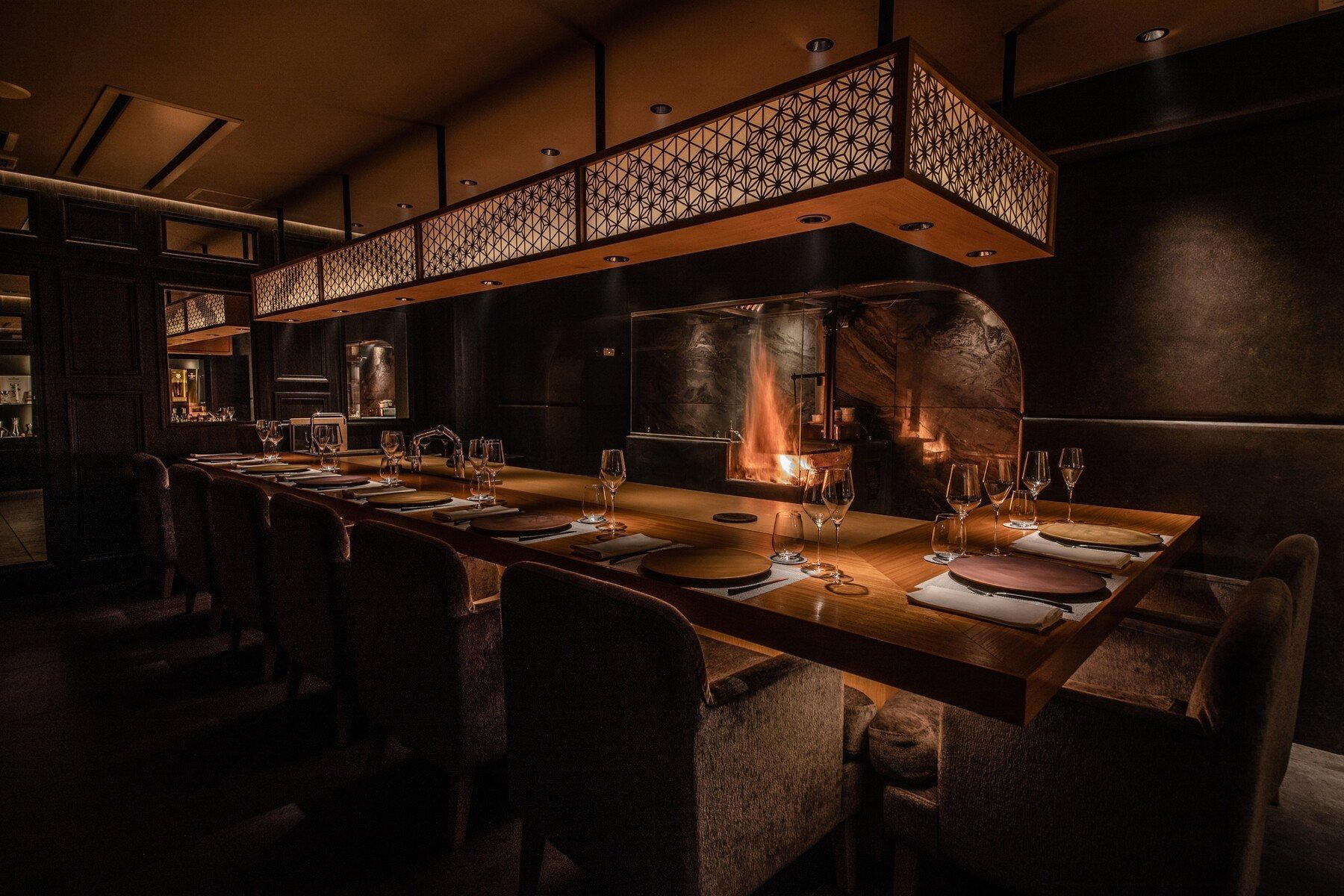
Calm and tasteful ambiance with stylish space, wooden counter seating for 10, and open kitchen view in a hideout location.