Michelin Bib Gourmand
Our verdict
A Michelin Bib Gourmand soba-ya in Setagaya's Kasuya district, Tohakuan Karibe operates at the quieter, craft-focused end of Tokyo's soba scene. Chef Karibe Masakazu hand-grinds unpolished buckwheat from Nagano and Niigata, producing both nihachi and juwari noodles served in the Kanto tradition alongside katsuobushi-forward broths and a short list of classical side dishes. The price remains firmly in the single-symbol range.

Pearl is the En Primeur Club membership app, where members save venues, book tables and use the concierge.
Buckwheat, Ground by Hand, in Setagaya
The hand-grinding of buckwheat is the detail that separates a certain tier of Tokyo soba from the broader category. At Tohakuan Karibe, in the residential Kasuya neighbourhood of Setagaya, chef Karibe Masakazu sources unpolished buckwheat from two distinct regions, Nagano and Niigata, and grinds them together, checking moisture by hand before the flour reaches the kneading board. That process, time-consuming and variable by season, is the foundation on which every bowl here rests.
The Kanto Tradition, Held in Place
Tokyo soba sits in a clearly defined regional lineage. Kanto-style noodles lean toward a deeper, more assertive broth than their Kansai counterparts, where the dashi tends lighter and the soy presence is deliberately restrained. The split is not merely aesthetic: it reflects centuries of distinct fishery access, soy brewing traditions, and urban eating culture. Edo-period Tokyo, supplied by abundant Pacific katsuobushi from Kochi and Shizuoka, developed a broth style that reads darker, saltier, and more forceful against the noodle. Kansai, with its proximity to different kombu traditions and lighter soy production in the Kyoto basin, moved in a different direction entirely.
Tohakuan Karibe places itself squarely within the Kanto form. The seiro preparation arrives with a soup built around katsuobushi, you smell the smoked bonito before the cup reaches the table. The kake preparation steeps the noodle directly in hot katsuobushi broth. Neither format gestures toward Kansai refinement; both commit to the depth-forward Tokyo school. For comparison, the soba tradition visible at Edosoba Hosokawa and Hamacho Kaneko operates from the same Kanto baseline, though each house calibrates its broth and milling approach differently.
Nihachi, Juwari, and What the Ratio Actually Means
The two dominant noodle ratios in serious soba work are nihachi (80% buckwheat, 20% wheat flour as a binder) and juwari (100% buckwheat, no binder). Most soba-ya commit to one; working both is a technical choice that requires different handling at every stage. Nihachi is more forgiving in the cut and more consistent in texture across a service; juwari is fragile, prone to breaking, and depends almost entirely on the quality of the buckwheat and the precision of the moisture read. That Karibe produces both from the same hand-ground base using single-origin Nagano and Niigata grain signals a kitchen operating at a level of craft that the Michelin Bib Gourmand recognition in 2024 reflects directly.
The Bib Gourmand designation is worth contextualising: Michelin awards it to venues offering quality cooking at prices below their starred tier. At a single yen-symbol price range, Tohakuan Karibe sits significantly below the omakase counters and kaiseki rooms that dominate Tokyo's higher Michelin tiers. The comparison set is not RyuGin or Harutaka but rather the network of craft-focused, affordable specialists that the Bib Gourmand program consistently surfaces across the city.
The Menu Structure
Core of the menu follows classical soba-ya form: seiro (cold noodle, dipping broth alongside) and kake (hot, noodle submerged in broth). Both preparations allow the buckwheat character to speak without competition. The side dishes extend in the same regional direction. Pacific herring simmered for multiple days, a preparation known as migaki nishin no saka-ni in traditional soba-ya settings, represents one of the older side dishes in the Tokyo canon, its long cooking time softening the bones to edibility and concentrating a rounded depth into the fish. A second preparation, seafood and buckwheat flour wrapped in nori and deep-fried, uses the same base ingredient as the noodle in a different form, maintaining a buckwheat-forward logic across the menu. Neither dish belongs to the category of fashionable additions; both are standard-bearers of the soba-ya tradition the restaurant continues.
Setagaya as a Setting
Kasuya is not a dining destination in the way that Ginza, Azabu, or Hiroo function for international visitors. Setagaya is a large, mostly residential ward west of the Yamanote loop, and Kasuya sits toward its southern edge, connected by the Tokyu lines rather than the central subway network. The address, 4 Chome-23-19 Kasuya, places Tohakuan Karibe firmly in a neighbourhood context rather than a tourist circuit. That positioning is consistent with the venue's character: this is a soba-ya that draws from its local community and from soba-literate visitors willing to travel off the central axis. The contrast with centrally located Kanto soba rooms like Akasaka Sunaba or Azabukawakamian is one of geography and audience rather than technique.
Regional Soba Beyond Tokyo
For readers building a broader Japan itinerary, soba traditions shift considerably outside the Kanto region. In Osaka, Ayamedo represents how the same grain reads differently under Kansai broth logic. In Kyoto, Chikuyuan Taro no Atsumori operates in the more delicate register the ancient capital tends to impose on its food culture. The divergence between these regional styles is not subtle once you have eaten across both. More broadly, Tokyo's dining depth extends well beyond soba: our full Tokyo restaurants guide maps the wider scene, and our full Tokyo bars guide, hotels guide, and experiences guide cover the rest of the city's offer. For other destinations in the region, HAJIME in Osaka, Gion Sasaki in Kyoto, akordu in Nara, Goh in Fukuoka, 1000 in Yokohama, 6 in Okinawa, and Hamadaya in Tokyo each represent distinct positions within Japan's wider dining structure.
Planning a Visit
Tohakuan Karibe is located at 4 Chome-23-19 Kasuya, Setagaya City, Tokyo 157-0063. The Kasuya address is leading reached via the Tokyu Den-en-toshi or Oimachi lines; confirm the nearest station against current transit maps before travelling. The single yen-symbol price range means a meal here is accessible at almost any budget, which makes booking discipline more about timing than cost. Our full Tokyo wineries guide is available for those combining this visit with broader exploration of the city's drink culture.
Frequently asked questions
Can I bring kids to Tohakuan Karibe?
Tohakuan Karibe follows a classical soba-ya format with a straightforward menu built around seiro and kake noodles, which are accessible to most ages. The residential Setagaya setting and the restrained, craft-focused atmosphere make it a calmer environment than a city-centre destination restaurant. That said, the visit requires travelling to Kasuya, a non-tourist part of Tokyo, so it suits families who are comfortable with local neighbourhood dining rather than convenience-first options.
What should I expect atmosphere-wise at Tohakuan Karibe?
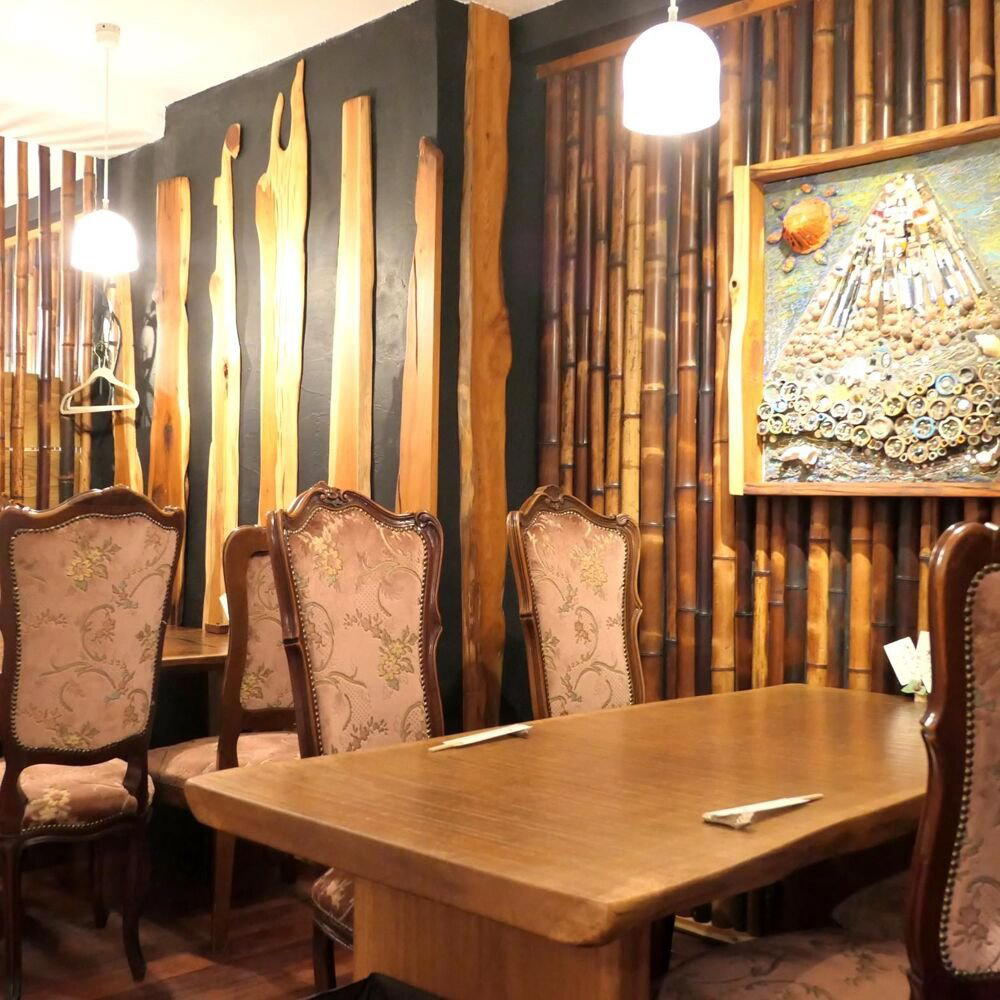
Tohakuan Karibe sits in a residential block in Kasuya, Setagaya, far from the foot traffic of Ginza or Azabu. The pace is deliberate: Chef Karibe Masakazu grinds buckwheat by hand and checks moisture manually before each service, so the room reflects that same unhurried precision. Expect a quiet, craft-oriented setting where the work at the grindstone sets the tone, not the decor.
Is Tohakuan Karibe award-winning?
Tohakuan Karibe has received recognition including: With the temperament of an artist, the chef places everything in its proper proportion. Gathering unpolished buckwheat from Nagano and Niigata, he grinds the two together, checking moisture by hand to produce nihachi and juwari noodles. Sob….
What's the best thing to order at Tohakuan Karibe?
The seiro and kake preparations are the core of the menu and the clearest expression of Karibe Masakazu's craft. Seiro serves cold noodles alongside a katsuobushi-forward dipping broth; kake submerges the noodles in hot katsuobushi broth. The side dishes follow classical soba-ya conventions, including Pacific herring simmered for days and deep-fried seafood wrapped with buckwheat flour in nori. Ordering both noodle ratios, nihachi and juwari, side by side gives the clearest read on what hand-grinding from Nagano and Niigata grain actually produces.
What It’s Closest To
A small set of peers for context, based on recorded venue fields.
| Venue | Cuisine | Price | Awards | Notes |
|---|---|---|---|---|
| Tohakuan KaribeThis venue (the venue you are viewing) | Handmade Soba Noodles | $30–50 | Michelin Bib Gourmand | Not listed |
| Harutaka | Edo-Style Omakase Sushi | $200–300 | 3 Michelin Stars · World's 50 Best #76 | Sushi |
| RyuGin | Modern Kaiseki | $500+ | 3 Michelin Stars · World's 50 Best #41 | Kaiseki, Japanese |
| L'Effervescence | Modern French with Japanese Influences | $200–300 | 3 Michelin Stars · World's 50 Best #69 | French |
| HOMMAGE | Modern French with Japanese Influences | $150–200 | 2 Michelin Stars · World's 50 Best #78 | Innovtive French, French |
| MAZ | Innovative Peruvian-Japanese Fusion | $150–200 | 2 Michelin Stars · World's 50 Best #28 | Innovative |
Recognition history
Dated appearances from independent guides and award organizations, with the underlying list record or original source where available.
Michelin Bib Gourmand
Michelin
Full recognition history (2 entries)
Michelin Bib Gourmand
Michelin