
Michelin Plate
Our verdict
A Michelin Plate-recognised kaiseki-style restaurant in Ginza B1F, Tsurutokame draws its name and philosophy from a Japanese folktale of crane and turtle — guest meeting host. Run by a team of women dedicated to transmitting Japanese culinary culture, the restaurant frames seasonal cooking through traditional festive aesthetics, with appetiser arrangements mirroring the decorations of ceremonial occasions.

Pearl is the En Primeur Club membership app — saves, bookings, and concierge access live there. Same editors, same standards.
- Address
- Japan, 〒104-0061 Tokyo, Chuo City, Ginza, 6 Chome−7−15 第二 岩月ビル B1F
- Phone
- +81 3-5537-7045
- Hours
- Mon 6–10 PMTue–Wed 12–1:30 PMThu 6–10 PMFri 12–1:30 PMSat–Sun Closed
- Website
- tsurutokame.jp
- Directions
- Get directions
- Booking
- Book on the venue's website
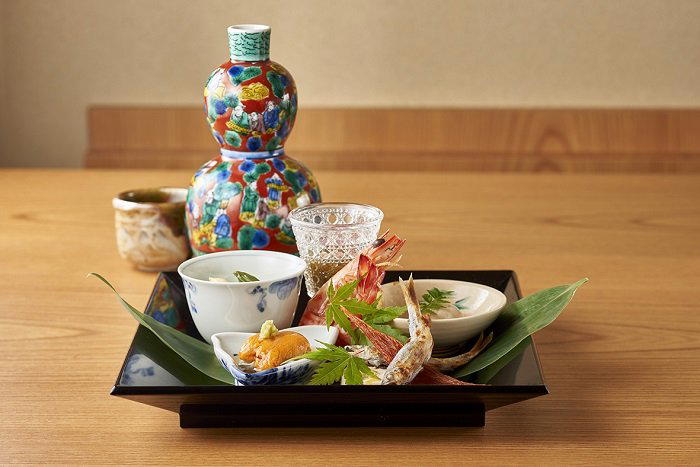
The menu
What to order
- Crane Menu
- Tortoise Menu
- Tofu cream cheese preparation
- Seasonal sashimi and grilled preparations
Where Ginza's Basement Dining Culture Takes a Ceremonial Turn
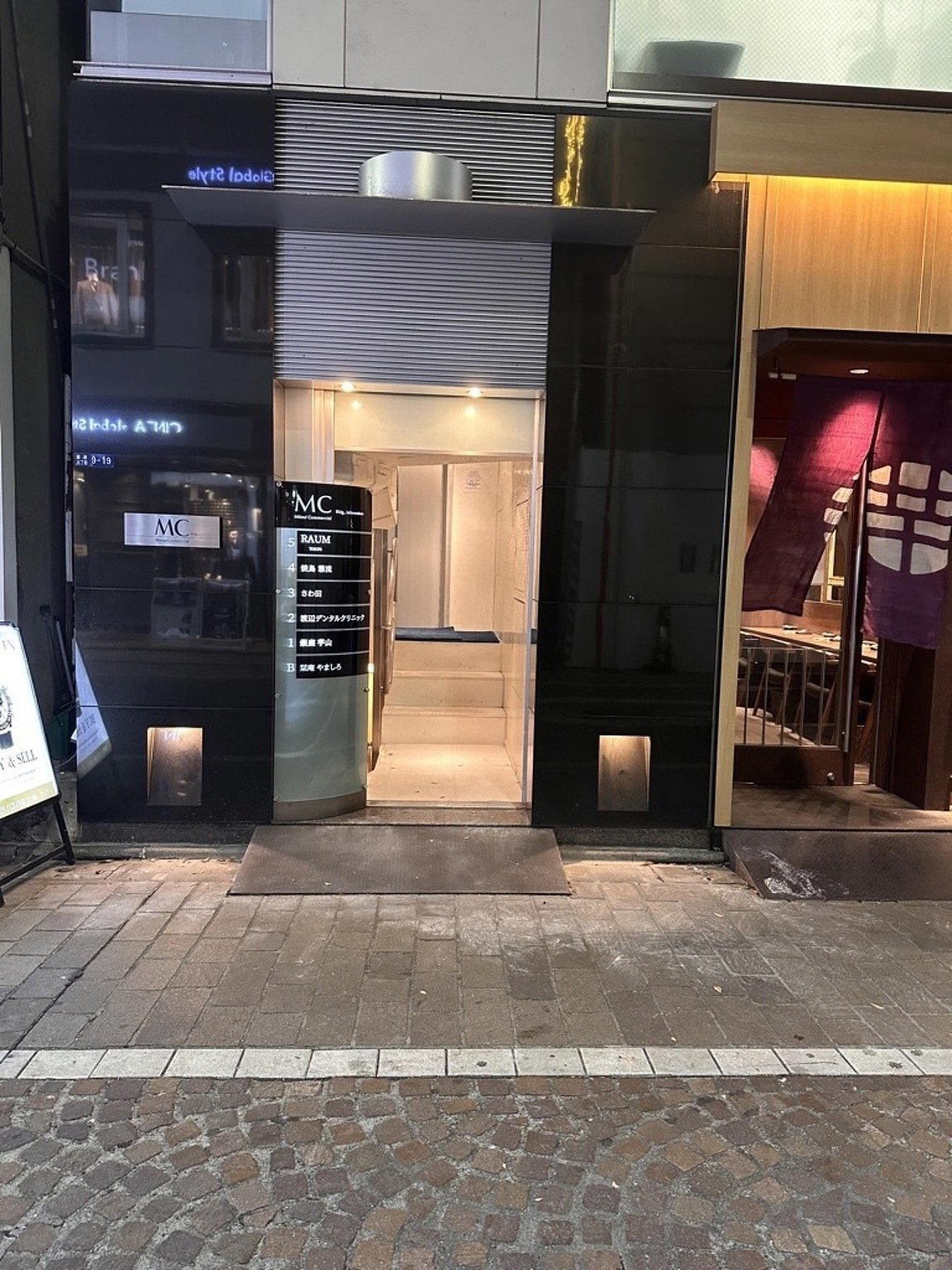
Ginza's subterranean restaurant floors have long housed some of Tokyo's most serious dining rooms. The neighbourhood's premium buildings push kitchens and dining rooms below street level as a matter of real estate logic, and the result is a dining tier that operates largely out of sight — no window tables, no pavement presence, no foot traffic. Tsurutokame, in the basement of the Dainii Iwatsuki Building on Ginza 6-chome, belongs squarely to this format. What sets it apart within that format is the frame through which it approaches Japanese cuisine: not as a succession of techniques to be admired, but as a living transmission of cultural tradition.
The name itself encodes the restaurant's operating philosophy. 'Tsurutokame' translates as 'crane and turtle,' and the pairing comes from a Japanese folktale in which a crane arriving from the wider world befriends a turtle who inhabits a pond. The crane is the guest; the turtle is the kitchen. As a symbol, crane and turtle carry specific weight in Japanese ceremonial culture — they represent longevity and good fortune, and appear frequently at celebrations. The restaurant holds that symbolism deliberately, not as decoration but as structural logic: appetiser platters are arranged to mirror the decorations of traditional festive occasions, which means the table itself becomes a form of seasonal ceremony before a word is spoken.
The Atmosphere Below Street Level
Descending into a Ginza basement restaurant involves a particular kind of sensory transition. The ambient noise of one of Tokyo's most trafficked districts drops away almost immediately, replaced by something controlled and considered. In rooms like this, the absence of natural light and street sound creates an enclosure that heightens attention to what is in front of you: the arrangement of a dish, the temperature of a vessel, the timing of service.
At Tsurutokame, the team is composed of women, itself a meaningful distinction in a Tokyo dining scene where kitchen brigades at this price tier are predominantly male. The service register that results is described consistently as gracious and immediately settling, which aligns with the crane-and-turtle framing: the guest arrives from outside and is made comfortable by those who know the space.
The festive appetiser arrangements function as a visual entry point into the meal. Japanese traditional events, New Year, seasonal transitions, celebratory occasions, carry specific decorative vocabularies, and the kitchen translates those vocabularies onto the plate. For a diner who reads those references, the effect is layered; for one who doesn't, the visual care still registers. This is a kitchen that is doing something with presentation beyond aesthetics, and the Michelin Plate recognition in both 2024 and 2025 confirms that the broader critical apparatus has noticed.
Where Tsurutokame Sits in Tokyo's Japanese Dining Tier
Tokyo's Japanese restaurant market stratifies sharply. A tier below, at ¥¥¥, a different competitive set operates, restaurants where the food is serious and the critical recognition is real, but where the price point remains accessible to a broader range of diners making a considered choice rather than a special-occasion outlay.
Tsurutokame sits in that ¥¥¥ tier. The Michelin Plate, which the Guide awards to restaurants making quality cooking a priority without reaching star level, positions it as a credible choice within this bracket. In Ginza specifically, that bracket includes Ginza Fukuju, and the neighbourhood's concentration of Japanese cooking at multiple price points means diners have genuine options to compare. What Tsurutokame offers that most comparisons don't is the explicit cultural-transmission framing, the crane-and-turtle philosophy gives the restaurant a coherent identity that extends beyond food quality into a point of view about what a meal should do.
For context across the wider Japanese restaurant scene, the approach to seasonality and ceremony at Tsurutokame echoes traditions visible at places like Gion Sasaki in Kyoto and Isshisoden Nakamura, where the transmission of culinary culture operates as a conscious act. In Osaka, Kashiwaya Osaka Senriyama occupies a similar space between technical rigour and cultural continuity. The Tokyo equivalent of that orientation is less common than the city's reputation for technique-forward dining might suggest, which makes Tsurutokame's positioning more specific than its price tier alone implies.
Other Tokyo Japanese restaurants worth considering alongside it include Myojaku and Jingumae Higuchi, which approach Japanese cuisine from different angles within a similar critical register. For Japanese cooking in other Japanese cities, HAJIME in Osaka, akordu in Nara, and Goh in Fukuoka each represent the range of approaches available across the country. Further afield, 1000 in Yokohama and 6 in Okinawa extend the picture into Japan's regional dining scene.
Planning Your Visit
Tsurutokame is located in Ginza 6-chome, in the basement of the Dainii Iwatsuki Building. Ginza is served by multiple Tokyo Metro lines, with Ginza Station (Ginza, Hibiya, and Marunouchi lines) placing the restaurant within a short walk.
For broader Tokyo planning, EP Club's guides cover the full picture: our full Tokyo restaurants guide, our full Tokyo hotels guide, our full Tokyo bars guide, our full Tokyo wineries guide, and our full Tokyo experiences guide provide neighbourhood-level context across every category.
Know Before You Go
- Address: 6 Chome-7-15, Dainii Iwatsuki Building B1F, Ginza, Chuo City, Tokyo 104-0061
- Price range: ¥¥¥
- Awards: Michelin Plate 2024, Michelin Plate 2025
- Nearest station: Ginza Station (Ginza, Hibiya, Marunouchi lines)
- Booking: Advance reservation recommended
- Note: Basement venue, no street-level visibility; confirm location before arrival
Frequently asked questions
Is Tsurutokame child-friendly?
What's the vibe at Tsurutokame?
What's the must-try dish at Tsurutokame?
Price and Recognition
Comparable options at a glance, pulled from our tracked venues.
| Venue | Cuisine | Price | Awards | Notes |
|---|---|---|---|---|
| TsurutokameThis venue — the venue you are viewing | Seasonal Kaiseki | $50–100 | Michelin Plate | Not listed |
| Harutaka | Edo-Style Omakase Sushi | $200–300 | 3 Michelin Stars · World's 50 Best #76 | Sushi |
| RyuGin | Modern Kaiseki | $500+ | 3 Michelin Stars · World's 50 Best #41 | Kaiseki, Japanese |
| L'Effervescence | Modern French with Japanese Influences | $200–300 | 3 Michelin Stars · World's 50 Best #69 | French |
| HOMMAGE | Modern French with Japanese Influences | $150–200 | 2 Michelin Stars · World's 50 Best #78 | Innovtive French, French |
| MAZ | Innovative Peruvian-Japanese Fusion | $150–200 | 2 Michelin Stars · World's 50 Best #28 | Innovative |
Recognition history
Dated appearances from independent guides and award organizations, with the underlying list record or original source where available.
Michelin Plate
Michelin
Full recognition history (3 entries)
Michelin Plate
Michelin
Michelin Plate
Michelin










Tsurutokame
The wine
- Wine program
- Curated wine list
- Sommelier-led
- Sake program
Details
- Intimate
- Elegant
- Sophisticated
- Special Occasion
- Date Night
- Celebration
- Chefs Counter
- Open Kitchen
- Sake Program
- Sommelier Led
- Local Sourcing
- Tasting Menu
- Counter Dining
- Set Menu
- Sake
- Vegetarian Friendly
- Vegan Options
- Allergy Accommodating
Current opening hours
- Monday
- 6–10 PM
- Tuesday
- 12–1:30 PM
- Wednesday
- 12–1:30 PM
- Thursday
- 6–10 PM
- Friday
- 12–1:30 PM
- Saturday
- Closed
- Sunday
- Closed
Hours can change for holidays and private events. Last verified .
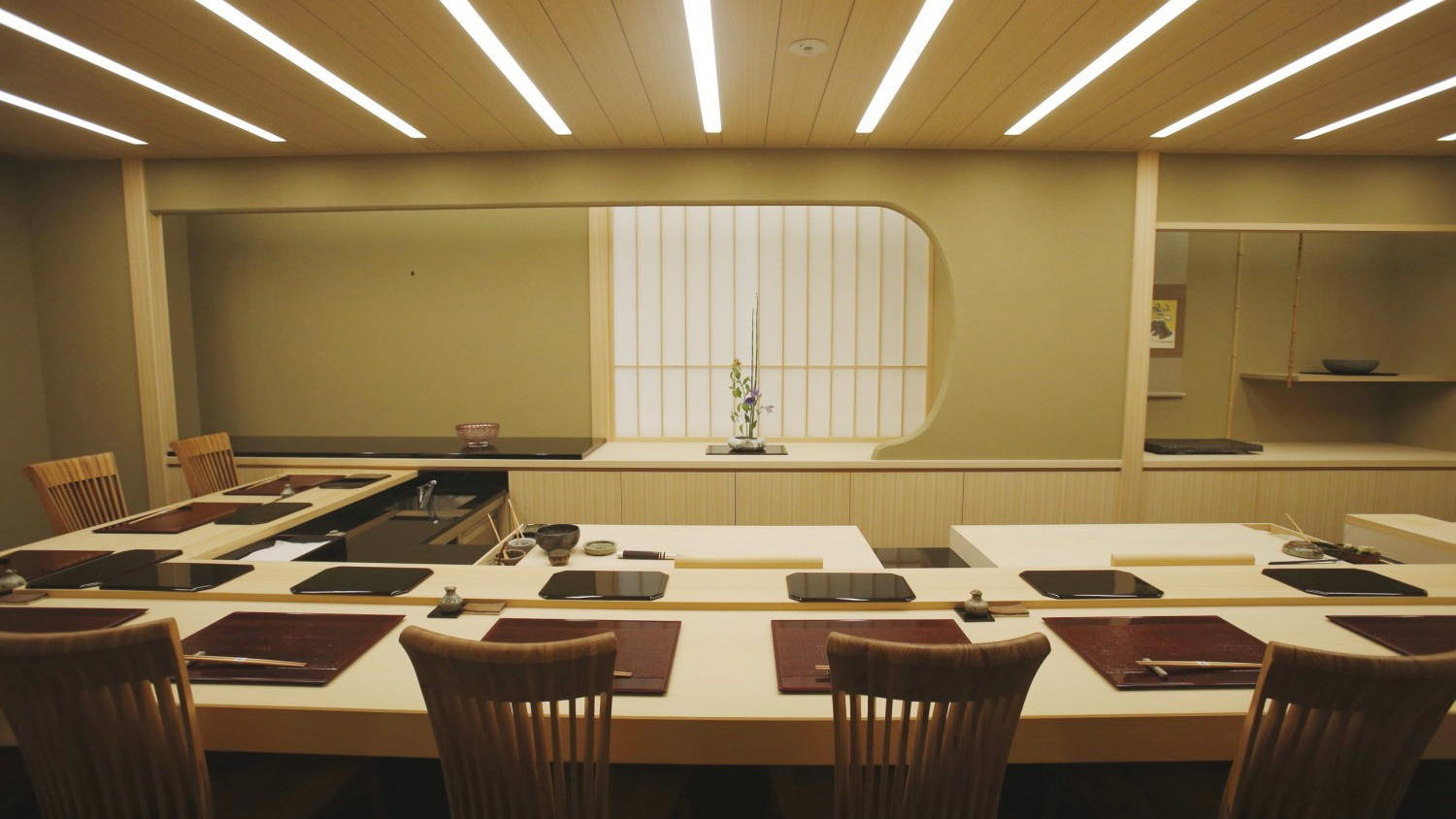
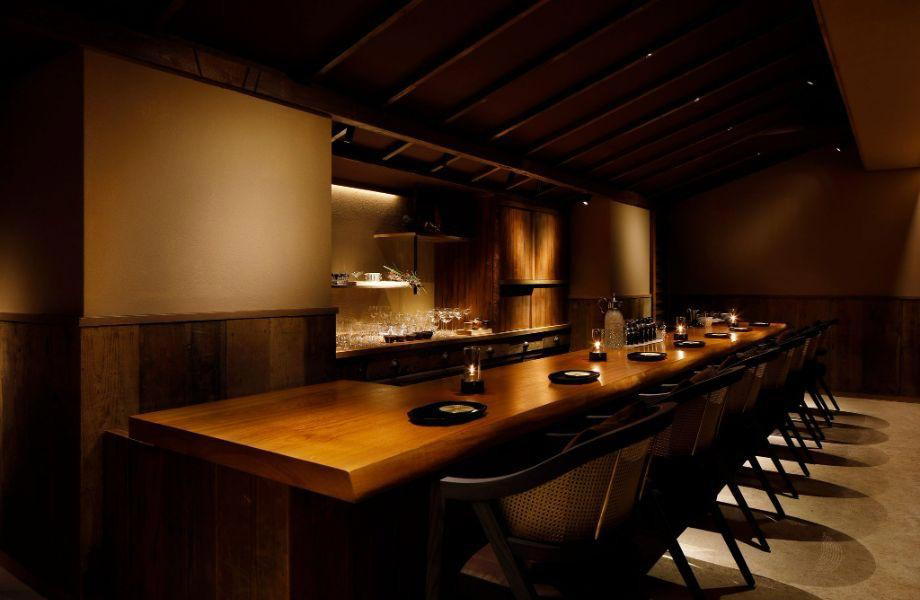
Light, welcoming, and intimate basement setting with counter seating offering front-row views of the chefs at work; warm and approachable energy despite high-end cuisine.