

Michelin Plate · Tabelog 100 #97
Our verdict
Edomae Shibahama in Minato City holds consecutive Michelin Plate recognition for its meticulous recreation of Edo-period Tokyo cuisine. Dishes like mukimi-kiriboshi and shiba shrimp fishcake are drawn directly from historical texts, making this one of the few Tokyo restaurants where the menu functions as a form of culinary archaeology.

Pearl is the En Primeur Club membership app, where members save venues, book tables and use the concierge.
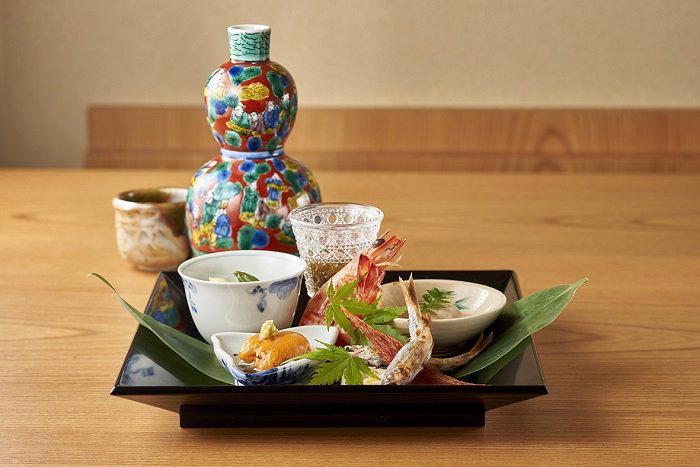
Edo on a Plate: What Tokyo's Food Culture Looked Like Before Modernity
Most Tokyo restaurants that invoke the word 'Edo' are trading in atmosphere rather than accuracy. Shiba, a low-key district in Minato City that sits between the corporate towers of Hamamatsucho and the quieter residential streets leading toward Shibakoen, is home to a restaurant that takes that invocation seriously. Edomae Shibahama has earned consecutive Michelin Plate recognition in 2024 and 2025 for something that relatively few kitchens attempt: cooking from historical documentation rather than from contemporary instinct.
The Michelin Plate, awarded to restaurants the inspectorate considers worth a visit without yet reaching Bib Gourmand or star territory, functions as a quality floor rather than a ceiling. In Tokyo's extraordinarily crowded recognition pool, holding that designation in consecutive years signals consistency that the market respects.
Edomae as a Historical Category, Not a Marketing Term
The term 'edomae' originally referred to ingredients pulled from the bay directly in front of Edo Castle, the tidal flats and shallow inlets that defined the city's food supply before modern urbanisation filled them in. In contemporary usage, the word appears most often in sushi contexts, where 'edomae' denotes a style of nigiri involving cured, marinated, or aged fish rather than the raw-slice approach that dominates internationally. What Edomae Shibahama does is broader: it reconstructs the full diet of the Edo period, not just its sushi tradition.
That reconstruction is grounded in research. The restaurant's concept is built on Hiroshi Kaibara's study of historical food literature, and the menu reflects what that literature actually records rather than what a modern kitchen might imagine Edo food to have been. For context, compare that orientation against the innovative Japanese format at Myojaku or the contemporary kaiseki approach at Kagurazaka Ishikawa, both of which work within living tradition rather than historical recovery.
The Dishes That Define the Kitchen
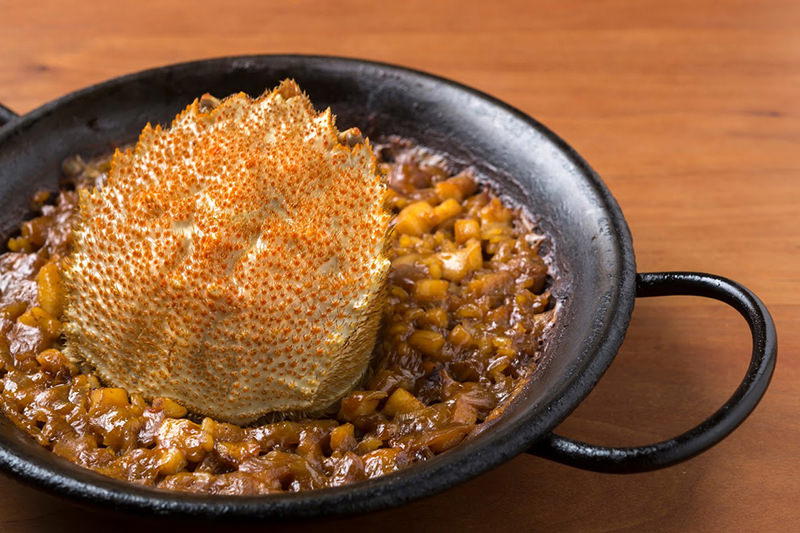
Three preparations function as the clearest evidence of the kitchen's research-driven approach. Mukimi-kiriboshi, dried daikon strips in a broth made from clam stock, was documented as a common pairing with rice during the late Edo period, and the restaurant treats it as a staple rather than a curiosity. The choice to anchor the menu around a humble, historically verifiable dish rather than a premium showpiece says something about the editorial discipline behind the kitchen's decisions.
Shiba shrimp, named for the inlet where they were historically caught before that inlet was reclaimed as part of Tokyo's expanding port infrastructure, arrive as a fishcake in soup. The ingredient's etymology is geographical: 'shiba' in the shrimp's name refers directly to the neighbourhood the restaurant occupies, which gives the dish a locational specificity that most ingredient stories lack. The connection between place, name, and plate is documented rather than invented.
The third distinguishing element is the soup stock itself. Rather than the kombu-and-bonito dashi that became standard in kaiseki and Japanese haute cuisine, the kitchen uses a stock brewed from dried bonito flakes alone, a formulation the historical record suggests was the Edo norm before kombu from Hokkaido became widely accessible via improved trade routes. This is the kind of detail that matters only if you're paying attention to what's in the bowl, and it rewards diners who are.
Where This Sits in Tokyo's Japanese Dining Spectrum
Tokyo's Japanese restaurant market stratifies sharply by price and recognition tier. At the top of the range, three-Michelin-starred operations like Azabu Kadowaki and RyuGin command premium omakase pricing and long lead times for reservations. Two-starred houses like Den operate at a middle tier where innovation and approachability carry roughly equal weight. Edomae Shibahama at ¥¥¥ pricing sits in a different register entirely: serious enough to hold Michelin recognition, specific enough in its focus to occupy a niche that the starred restaurants don't cover.
That niche, historically grounded Edo cuisine served with documentary rigour, has limited direct competition in the city. Ginza Fukuju and Jingumae Higuchi represent Tokyo's broader Japanese fine-dining range, but neither occupies the same historical-reconstruction position. Elsewhere in Japan, Gion Sasaki in Kyoto and Isshisoden Nakamura in Kyoto work within classical Kyoto kaiseki traditions that emphasise seasonal precision over historical recovery, a related but distinct project.
For readers building a broader Japan itinerary, the contrast between Tokyo's edomae tradition and the refined kaiseki approach at Kashiwaya Osaka Senriyama or the creative reach of HAJIME in Osaka illustrates how differently the country's major cities have developed their culinary identities. akordu in Nara, Goh in Fukuoka, 1000 in Yokohama, and 6 in Okinawa each extend that picture across Japan's regional dining range.
The Shiba Location
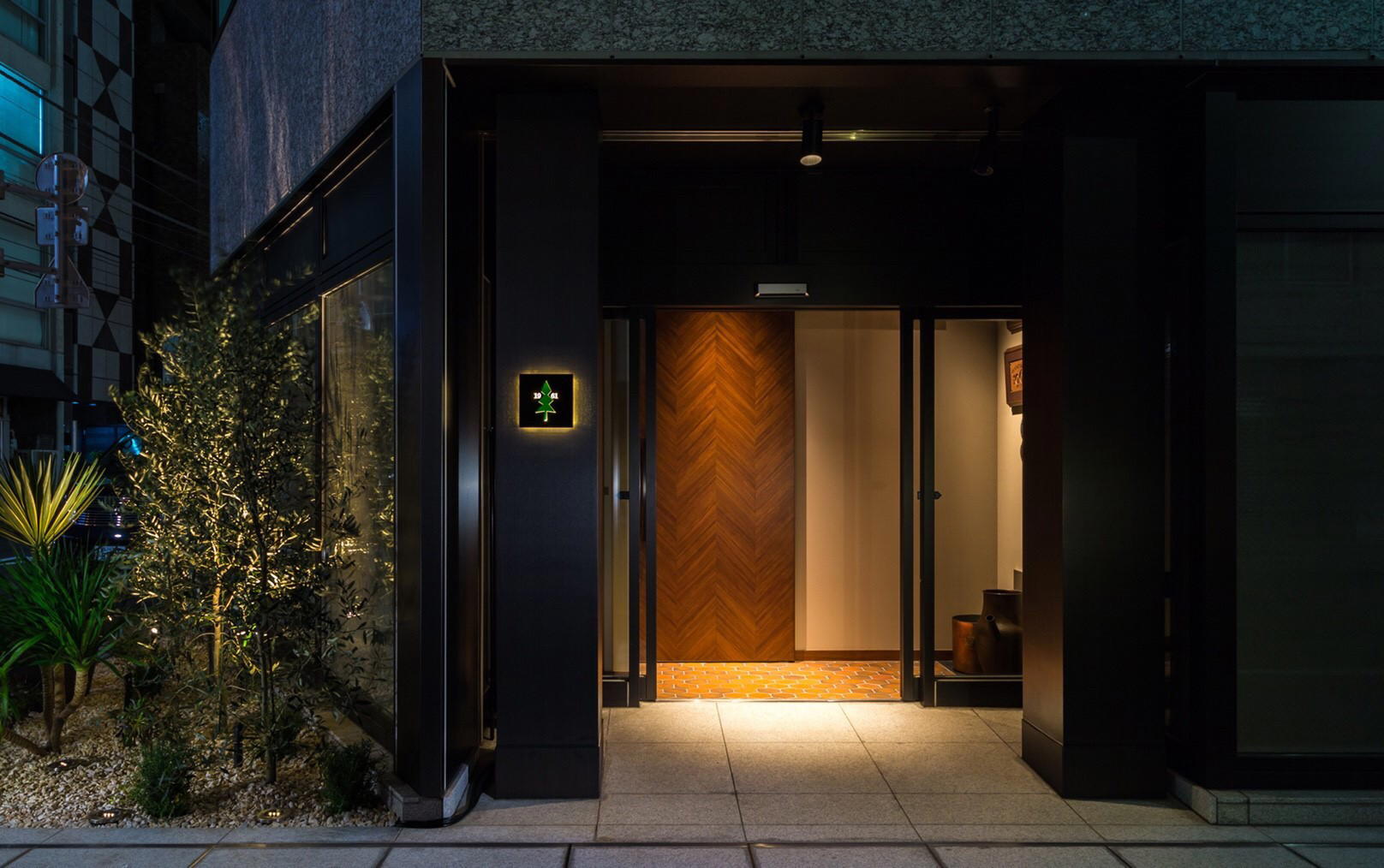
Minato City's Shiba district lacks the restaurant density and tourist infrastructure of Ginza, Roppongi, or Shinjuku. That's not a disadvantage for a restaurant with this kind of focus. The neighbourhood's relative quietness suits a kitchen whose appeal is to diners who have already worked through the starred tasting-menu circuit and want something more specific. The address in the Tomimi Building on Shiba 2-chome places it in a part of the city where the built environment is functional rather than fashionable, which, given the restaurant's investment in pre-modern Tokyo, has a certain coherence.
For visitors building a stay around the dining, our full Tokyo hotels guide covers accommodation options across the city's main districts. Those extending beyond restaurants will find further reading in our full Tokyo bars guide, our full Tokyo wineries guide, and our full Tokyo experiences guide. The full picture of Tokyo's restaurant range is covered in our full Tokyo restaurants guide.
Know Before You Go
- Address: 冨味ビル1階, 2 Chome-22-23 Shiba, Minato City, Tokyo 105-0014
- Price range: ¥¥¥
- Awards: Michelin Plate 2024, Michelin Plate 2025
- Cuisine: Edo-period Japanese
- Booking: Contact details not publicly listed, check local reservation platforms or visit in person
- Hours: Not confirmed, verify before visiting
What Do People Recommend at Edomae Shibahama?
Based on the restaurant's documented concept and the dishes highlighted in its Michelin recognition, the preparations most worth attention are the mukimi-kiriboshi (dried daikon in clam stock broth), the shiba shrimp fishcake soup, and the bonito-only dashi that underpins the kitchen's stock work. These three elements are the clearest expressions of the research behind the menu and the most direct way to understand what separates historically grounded Edo cooking from the broader Japanese restaurant range across Tokyo.
How It Stacks Up
Comparable options at a glance, pulled from our tracked venues.
| Venue | Cuisine | Price | Awards | Notes |
|---|---|---|---|---|
| Edomae ShibahamaThis venue (the venue you are viewing) | Edomae-style Japanese | $100–150 | Michelin Plate · Tabelog 100 #97 | Not listed |
| Harutaka | Edo-Style Omakase Sushi | $200–300 | 3 Michelin Stars · World's 50 Best #76 | Sushi |
| RyuGin | Modern Kaiseki | $500+ | 3 Michelin Stars · World's 50 Best #41 | Kaiseki, Japanese |
| L'Effervescence | Modern French with Japanese Influences | $200–300 | 3 Michelin Stars · World's 50 Best #69 | French |
| HOMMAGE | Modern French with Japanese Influences | $150–200 | 2 Michelin Stars · World's 50 Best #78 | Innovtive French, French |
| MAZ | Innovative Peruvian-Japanese Fusion | $150–200 | 2 Michelin Stars · World's 50 Best #28 | Innovative |
Recognition history
Dated appearances from independent guides and award organizations, with the underlying list record or original source where available.
Michelin Plate
Michelin
Tabelog 100 #97 · No. 97
Tabelog · Tabelog 100 - Japanese cuisine - TOKYO - 2025
Full recognition history (4 entries)
Michelin Plate
Michelin
Michelin Plate
Michelin
Continue exploring
More in Tokyo
Restaurants in Tokyo
All restaurants in Tokyo →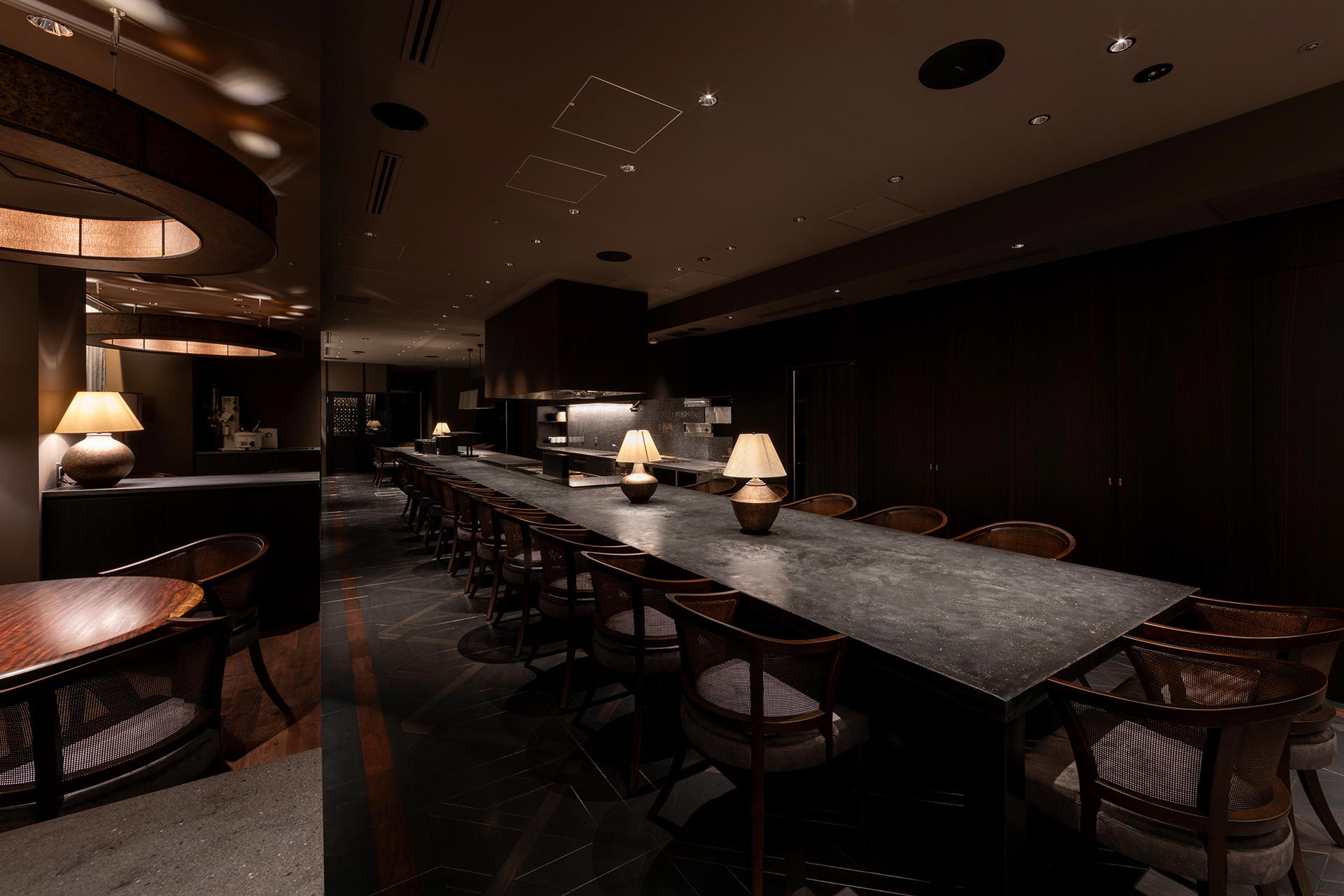
Bars in Tokyo
All bars in Tokyo →



Details
- Elegant
- Sophisticated
- Intimate
- Classic
- Special Occasion
- Date Night
- Chefs Counter
- Sake Program
- Tasting Menu
- Sake
Current opening hours
- Monday
- 6–9 PM
- Tuesday
- 6–9 PM
- Wednesday
- 6–9 PM
- Thursday
- 6–9 PM
- Friday
- 6–9 PM
- Saturday
- 6–9 PM
- Sunday
- 6–9 PM
Hours can change for holidays and private events. Hours as of .
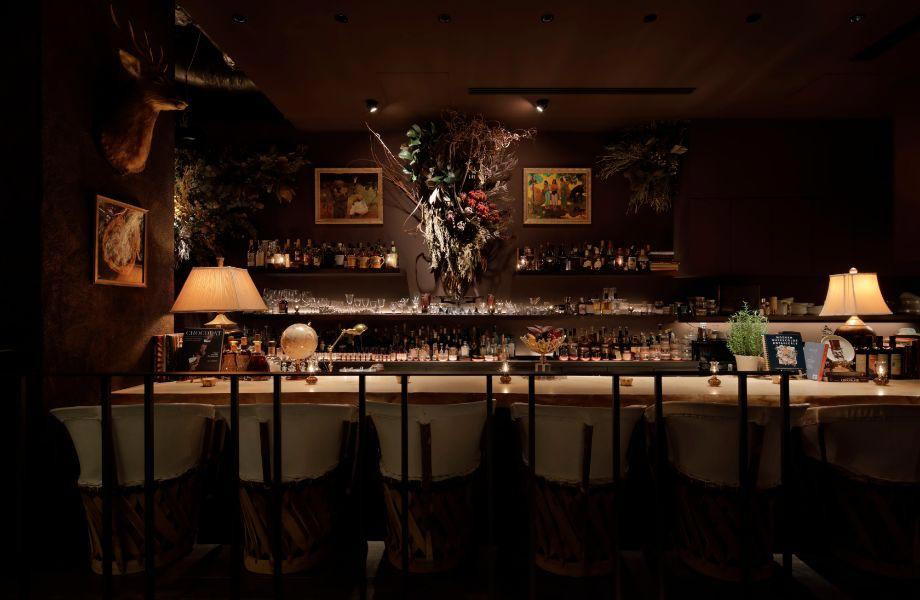
Calm and controlled with warm unobtrusive lighting, timber and clean lines focusing attention on the food, in a stylish, relaxing counter seating space.