
A Shibuya omakase counter where the chef balances traditional Edomae sushi with lesser-seen snacks from the broader Japanese kitchen, including baked goma tofu made with ground sesame paste. The location carries personal weight: the chef studied sushi here on days off before opening. Michelin Plate recognition in both 2024 and 2025 places it in Tokyo's mid-tier omakase tier, priced at ¥¥¥ against peers that often run higher.
Pearl is the En Primeur Club membership app — saves, bookings, and concierge access live there. Same editors, same standards.
- Address
- 1-5-9 Shibuya, Shibuya-ku, Tokyo, 150-0002, Japan
- Phone
- +81 3-6413-6168
- Directions
- Get directions
 Saves & bookings on Pearl
The Omakase Premise: What You Give Up, and What You Get
The omakase format is built on a compact agreement. You relinquish the menu; the chef assumes responsibility for every decision that follows. In Tokyo's sushi rooms, that contract ranges from brisk and transactional at high-volume counters to something closer to a private performance at the more intimate end. The terms, and what they cost, vary widely. At the ¥¥¥ tier, below the ¥¥¥¥ ceiling occupied by counters like Harutaka and the Ginza institutions, the format tends to be less ceremonial but no less considered. The question, counter by counter, is whether the chef uses that latitude to build something coherent, or simply delivers a competent sequence of nigiri.
Sushi Ikki is a restaurant in Shibuya, Tokyo, serving Authentic Edo-mae Sushi Omakase. Holding Michelin Plate recognition in both 2024 and 2025, it occupies a tier in Tokyo's omakase ecosystem where the cooking ambition often exceeds the price signal, a useful bracket for readers who want serious work without the full financial commitment of the upper-end counters.
Shibuya as a Sushi Address
Tokyo's sushi geography still tilts toward Ginza and Minami-Aoyama, where landlord costs are partly absorbed into the prestige of the address. Shibuya functions differently: it is a working neighbourhood with genuine density, and counters that open here tend to draw regulars from the surrounding residential and office catchment rather than destination diners crossing the city. That local orientation tends to shape tone. The room is less likely to feel like a stage set, more likely to feel like a counter where the chef knows who is sitting down.
The location at 1-5-9 Shibuya, Shibuya-ku carries additional weight at Sushi Ikki: the chef chose this spot partly for sentimental reasons, having studied sushi here on days off before opening. That kind of biographical attachment to a place tends to produce a particular quality of attention, a sense that the room means something beyond its rental contract.
The Omakase Structure: Sushi and Something More
Most Tokyo sushi counters in the formal omakase mode run a tight sequence: appetiser, a sequence of nigiri, a hand roll and tamago to close. The programme is legible, familiar, and difficult to distinguish one counter from another at the level of format alone. Sushi Ikki departs from that default by weaving in snacks drawn from wider Japanese culinary tradition, not merely Edomae sushi convention.
The inclusion of baked goma tofu, made with ground sesame paste rather than the soy-based variety more common in restaurant kitchens, signals the chef's range. Goma tofu is kaiseki-adjacent, associated with temple cooking and Kyoto tradition, not the Edo fisherman's rice-and-fish logic that underlies Edomae technique. Putting it inside a sushi omakase is a deliberate editorial choice, placing the meal in a broader conversation about Japanese culinary heritage.
That breadth reflects something worth noting about the current direction of Tokyo's mid-tier omakase counters more generally. A generation ago, the format was more strictly policed: sushi was sushi, kaiseki was kaiseki, and mixing registers carried risk. The counters now earning consistent recognition at the Michelin Plate and Bib Gourmand tier increasingly read across those lines. For comparison, Edomae Sushi Hanabusa holds closely to traditional Edo-mae technique, while Hiroo Ishizaka represents a different hybridised approach to the Japanese kitchen. The appetite for that kind of synthesis appears durable.
The Rice Question
Among serious sushi practitioners, the conversation about quality centres less on fish sourcing, assumed at any credible counter, and more on rice. The ratio of vinegar to sugar, the temperature at service, the grain variety, the balance of acidity: these variables determine whether a piece of nigiri coheres or falls apart structurally and on the palate. Sushi Ikki's chef is, by the restaurant's own account, in continuous experimentation on this question, searching for what the kitchen describes as the ideal match of sushi rice and toppings. That framing is informative. It suggests an ongoing process rather than a fixed formula, which, in practical terms, means the menu may evolve visit to visit.
At the upper bracket of Tokyo omakase, the three-Michelin-star tier occupied by Sukiyabashi Jiro Roppongiten and the counters with Sushi Kanesaka lineage, rice technique tends to be treated as a settled house position, refined over decades. At a counter still working through the question, you encounter a different kind of experience: the results of a live inquiry. That is not a qualification; it is a character. For some diners, it is precisely what makes a counter worth returning to.
Where Sushi Ikki Sits in the Broader Tokyo Table
Tokyo's restaurant offer at the serious end runs well beyond sushi. For readers building a multi-night programme, the city's kaiseki counters, French-Japanese hybrids, and regional Japanese kitchens add necessary range.
For those extending into the Kansai region, Gion Sasaki in Kyoto and HAJIME in Osaka represent the upper tier of their respective cities. Further afield, Goh in Fukuoka and akordu in Nara are worth building itineraries around. For sushi specifically outside Japan, Sushi Shikon in Hong Kong and Shoukouwa in Singapore are the regional reference points at the leading end. Closer to Tokyo, 1000 in Yokohama and 6 in Okinawa represent further options for readers extending their Japan programme. Our Tokyo wineries guide is also available for those interested in the city's natural wine and sake scene.
Planning Your Visit
The restaurant is located at 1-5-9 Shibuya, Shibuya-ku, Tokyo, 150-0002, a walkable distance from Shibuya Station across multiple rail and metro lines. The price tier (¥¥¥) positions it below the premium omakase bracket; expect a spend meaningfully lower than the ¥¥¥¥ counters in Ginza or Minami-Aoyama. Michelin Plate: 2024 and 2025.
What Should I Eat at Sushi Ikki?
The menu is omakase, so the decision belongs to the chef. What distinguishes the programme at the restaurant is the inclusion of snacks drawn from Japanese culinary traditions beyond Edomae sushi, most notably baked goma tofu made from ground sesame paste. If you are visiting primarily to assess Edomae nigiri technique, that remains the backbone of the menu; the snacks function as framing and counterpoint. The rice-and-topping balance is, by the chef's own account, subject to ongoing refinement, so the specific character of the meal may shift across visits. Go with no fixed expectation of a particular dish sequence, and the omakase contract delivers what it promises.
What It’s Closest To
Comparable venues nearby, for context on price, style, and recognition.
| Venue | Cuisine | Price | Awards | Notes |
|---|---|---|---|---|
| Sushi IkkiThis venue — the venue you are viewing | Authentic Edo-mae Sushi Omakase | $$$ | Michelin Plate | Not listed |
| Shiomachi | Tokyo Omakase Seafood | $$$ | Michelin Plate | Shibuya |
| Asagaya BIRD LAND | Yakitori (Okukuji Shamo Chicken) | $$$ | Michelin Plate | Suginami |
| Tsurutokame | Seasonal Kaiseki | $$$ | Michelin Plate | Chūō |
| Sushi Ichigo | Edomae Sushi Omakase | $$$ | Michelin Plate | Setagaya |
| Ramen Nagi | Niboshi Ramen | $$ | Not listed | Shinjuku |
Recognition history
Dated appearances from independent guides and award organizations, with the underlying list record or original source where available.
Michelin Plate
Michelin
Michelin Plate
Michelin
Michelin Plate
Michelin










At a Glance
- Intimate
- Elegant
- Sophisticated
- Business Dinner
- Special Occasion
- Date Night
- Chefs Counter
- Sake Program
- Sustainable Seafood
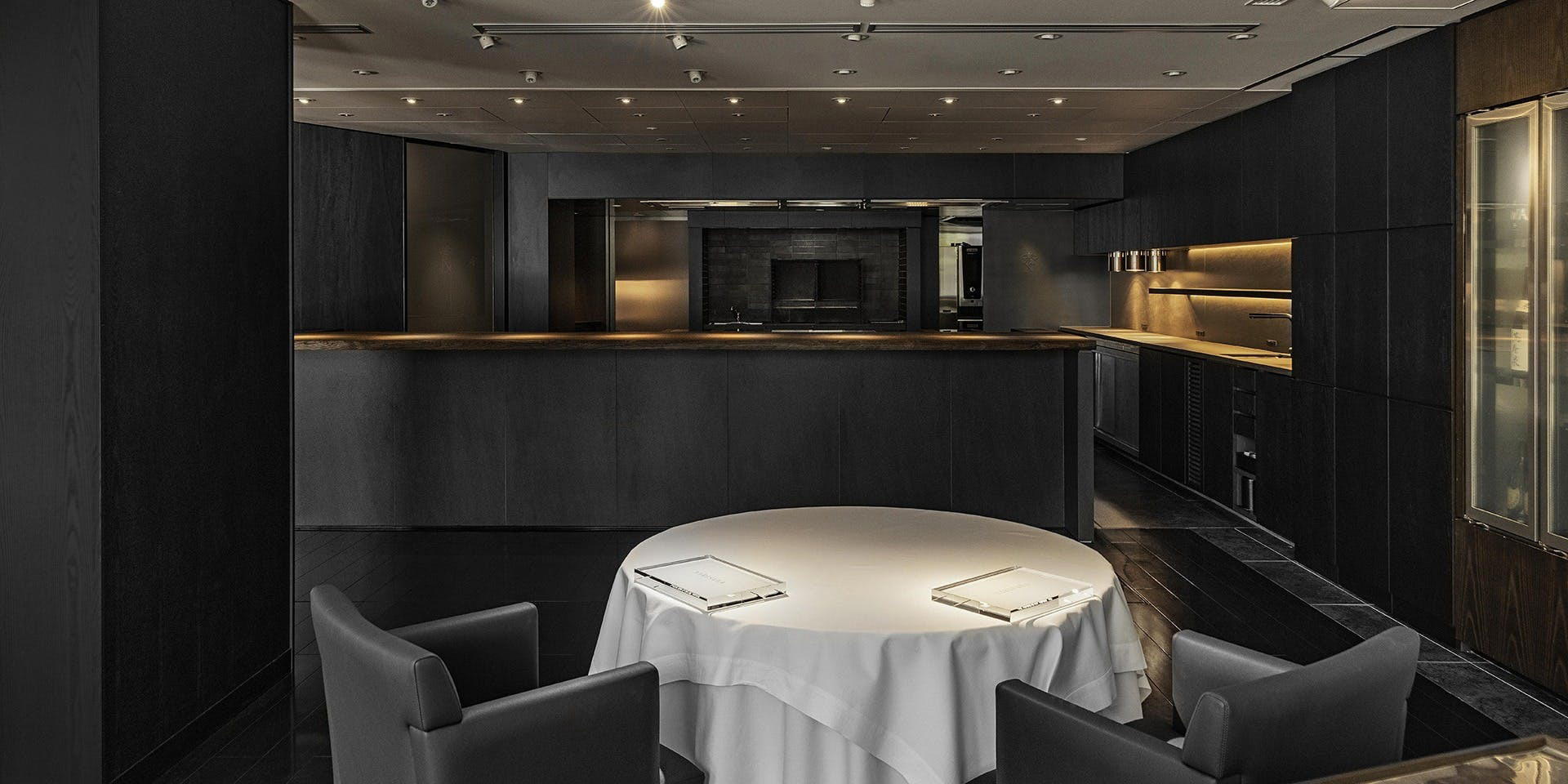
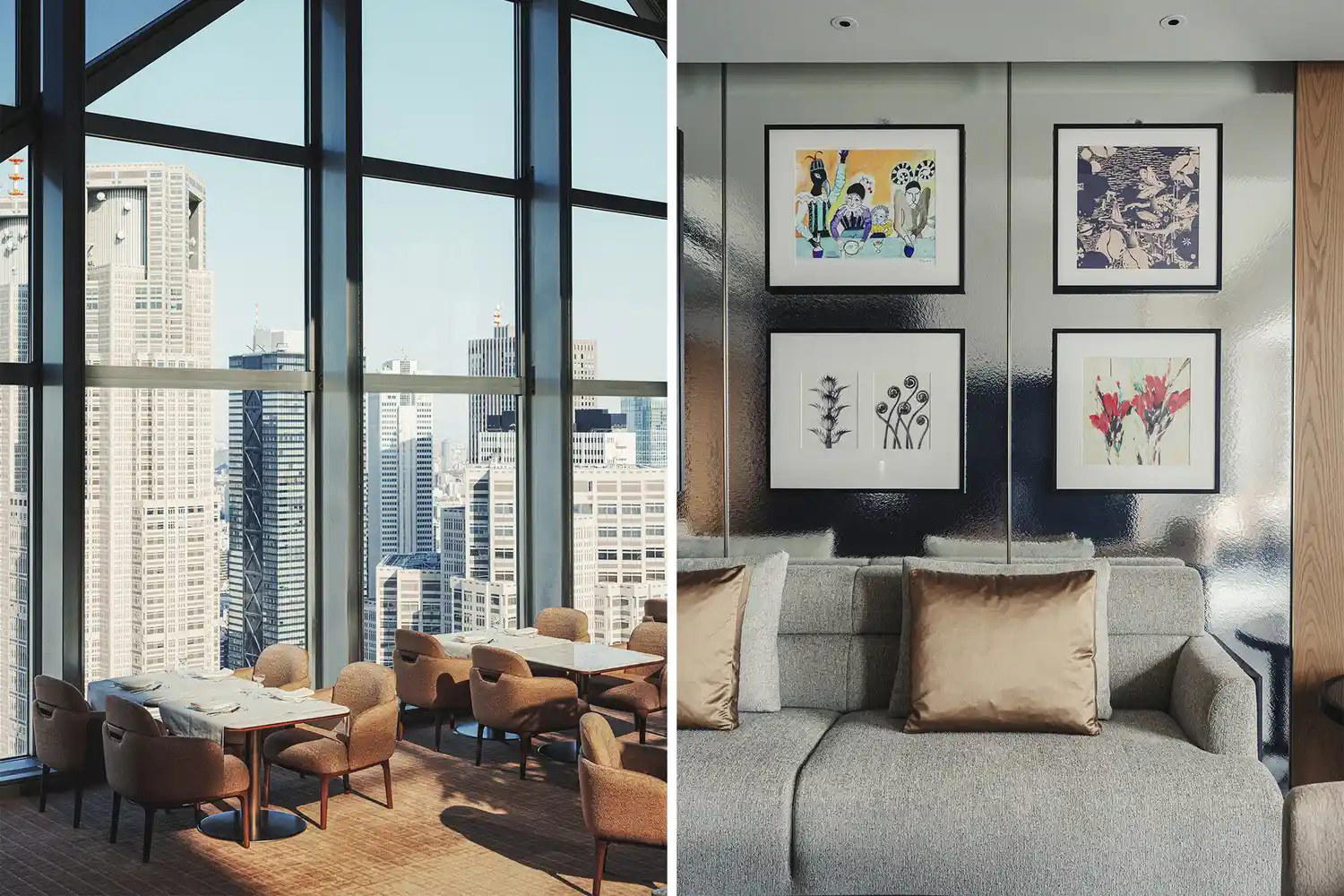
Calm and intimate interior with relaxing space and counter seating.