Halal Wagyu Yakiniku Gyumon Shibuya serves halal wagyu yakiniku in Shibuya, with Marucho, Jo Harami, and Sirloin on the menu and a sake program for lunch or dinner.
Pearl is the En Primeur Club membership app — saves, bookings, and concierge access live there. Same editors, same standards.
- Address
- 3 Chome-14-5 Shibuya, Tokyo 150-0002, Japan
- Phone
- +81354692911
- Website
- gyumon-group.com
- Directions
- Get directions
 Saves & bookings on Pearl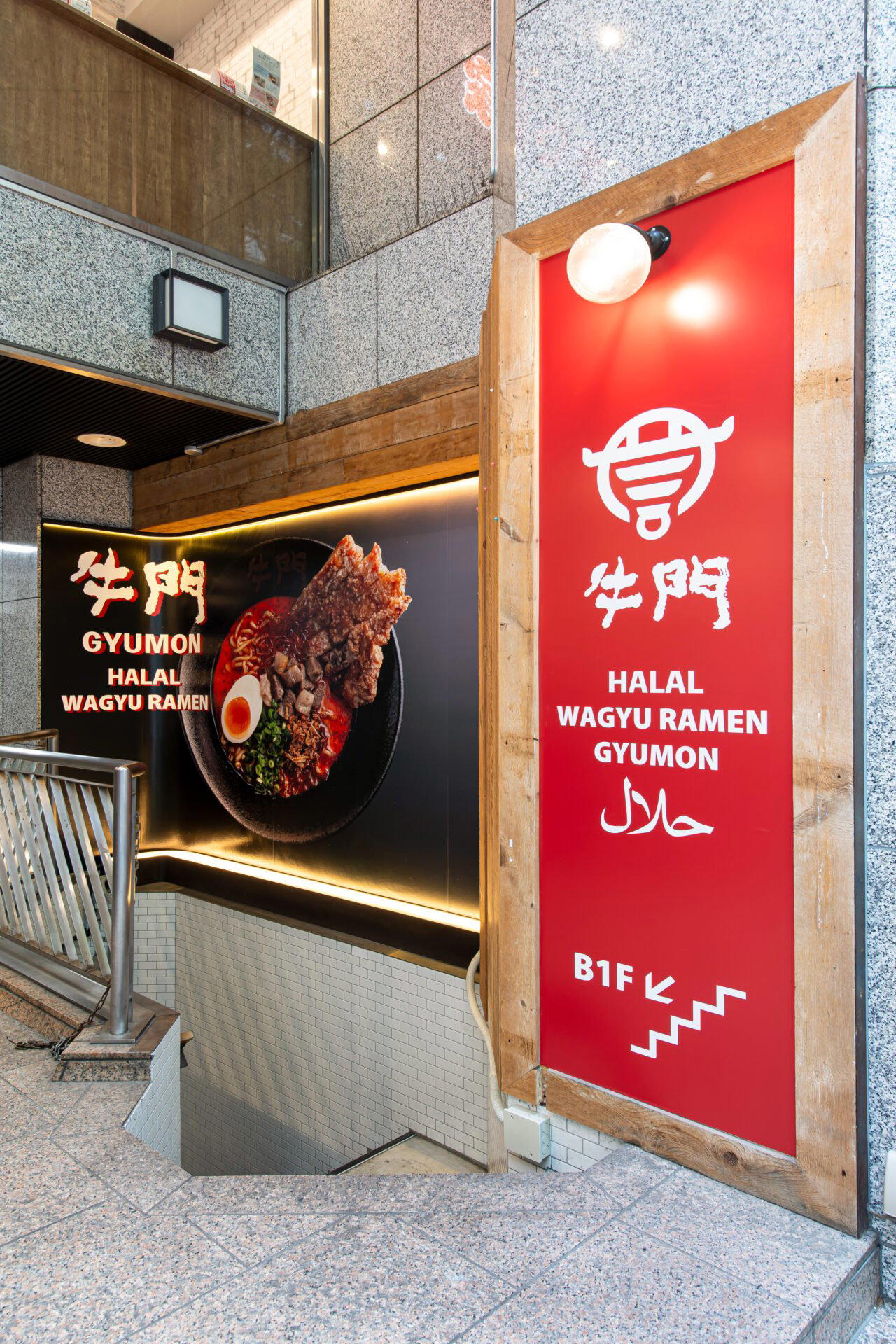
Where Shibuya Meets the Grill
Shibuya's dining corridors run deep behind the main scramble, stacking ramen counters, izakayas, and specialty grill houses across floors that most visitors never reach. It is in this layered, neighbourhood-within-a-neighbourhood texture that halal yakiniku has found its footing in Tokyo, responding to a real and growing demand from Muslim visitors, Japanese Muslims, and international diners who want access to the full register of Japanese beef cookery without compromise on dietary requirements. Halal Wagyu Yakiniku Gyumon Shibuya sits at that intersection, in the 3-chome district of Shibuya, a few minutes from the station's southern exits where the foot traffic thins and the restaurants become more deliberate in their targeting.
The Ritual of Yakiniku
Yakiniku arrived in Japan via the Korean peninsula and was adapted across the postwar decades into a distinct dining format with its own grammar of cuts, doneness, sequence, and dipping. The meal is not passive: diners manage the grill themselves, making decisions about heat, timing, and order that in a kaiseki or omakase context would belong entirely to the kitchen. This participatory structure is the point. The table becomes a social instrument, with conversation pausing at the moment a slice of wagyu fat begins to sear and render, the room filling with the kind of smoke that signals shared attention rather than carelessness. Premium yakiniku counters and table-grill houses have long made this ritual a centrepiece of business entertaining and celebration dining across Japan.
What halal certification adds to this format is not a reduction but a recalibration. The beef supply chain must meet halal standards from slaughter through processing, and the kitchen operates without pork or alcohol-based marinades. For diners who observe these requirements, halal-certified wagyu yakiniku in Tokyo represents access to a dining ritual that has historically been difficult to participate in. Tokyo's broader halal dining scene has expanded considerably over the past decade, tracking the city's growth as an international destination, and yakiniku is one of the more technically demanding categories to certify correctly, given the complexity of sauce and marinade ingredients.
Reading the Wagyu Tier
Japanese wagyu is graded on a A1 to A5 scale combining yield and marbling (BMS), with A4 and A5 commanding the highest prices and carrying the visible intramuscular fat. The breed and prefecture of origin, Kobe, Matsusaka, Omi, Miyazaki, layer on top of the grade to determine market positioning. Premium yakiniku venues in Tokyo have increasingly moved toward presenting provenance alongside the cut itself, and it is within this transparency trend that halal wagyu operations have had to work harder: sourcing certified cattle that also meet quality grade expectations requires a dedicated supply relationship rather than standard wholesale access. When both conditions are met, the result is a table that offers the same visual and textural range as any non-certified competitor, from thin-sliced tongue to heavily marbled short rib to lean sirloin, each cut requiring a different approach at the grill.
This positions Gyumon Shibuya against a comparable set that is not defined by price tier or neighbourhood but by the specificity of what it can offer. For diners comparing options across our full Tokyo restaurants guide, the relevant category is not premium Japanese beef broadly but specifically certified wagyu that holds up to the same grill standards. That is a narrower field, and Gyumon's Shibuya address places it at one of the more accessible points within it.
Sequence and Pacing at the Table
Experienced yakiniku diners know that sequence matters. The convention in many premium grill houses is to begin with lighter, leaner cuts, tongue, often served with lemon and salt rather than tare, before moving through progressively richer sections: chuck roll, short rib, ribeye cap, and then, if the grade warrants it, the high-marbling cuts that require only seconds on a hot grate before they are ready to eat. Salt and citrus generally precede tare (the soy-based dipping sauce) in the flavour arc, preserving the palate's ability to distinguish between cuts. The grill itself requires management: a clean grate matters, and the temperature should be hot enough to sear without steaming. For diners new to the format, the rhythm of the meal rewards patience and observation rather than speed.
This kind of meal reads differently from Tokyo's omakase tier, where the sequence is decided entirely for you. At counters like Harutaka or within the kaiseki framework of RyuGin, the diner's role is receptive. Yakiniku inverts that dynamic. The kitchen prepares and presents the raw product; the table does the cooking. It is a format that rewards groups who want to eat at their own pace and in their own order, which is part of why it has long been a format for celebration and sociality rather than solo or business dining at its most formal.
Tokyo's Broader Dining Context
Shibuya's dining scene runs from fast-casual basement ramen to destination-level modern French, and the neighbourhood hosts a meaningful share of Tokyo's international visitor traffic. For those building a multi-day Tokyo itinerary that crosses cuisine categories, the city offers serious depth: L'Effervescence and Sézanne anchor the French-in-Tokyo tier, while Crony occupies a more informal, technique-forward position. Halal yakiniku addresses a different part of that map entirely, operating as a cuisine-specific format rather than a general fine dining option. The comparison across cities holds too: restaurants like Atomix in New York City or Le Bernardin in New York City demonstrate how premium positioning works across different culinary traditions, but the yakiniku format remains distinctively Japanese in its structure and social logic.
For diners who want to extend their Japan itinerary beyond Tokyo, the country's broader restaurant geography is substantial: HAJIME in Osaka, Gion Sasaki in Kyoto, akordu in Nara, and Goh in Fukuoka each represent distinct regional dining traditions. Further afield, restaurants in Nanao, Sapporo, Takashima, and Nishikawa Machi offer access to regional ingredients and preparations that the capital cannot replicate. Birdland in Sakai and Bistro Ange in Toyohashi round out a picture of Japan's dining depth outside the major centres.
Planning Your Visit
Gyumon Shibuya is located at 3 Chome-14-5 Shibuya, Tokyo 150-0002, within walking distance of Shibuya Station. Given the venue's halal positioning and the specificity of the audience it serves, reservations in advance are advisable, particularly for weekend evenings and holiday periods when demand from international visitors peaks. Visitors with specific dietary requirements beyond halal certification should communicate these at the point of booking rather than at the table.
Cuisine and Credentials
Comparable venues nearby, for context on price, style, and recognition.
| Venue | Cuisine | Price | Notes |
|---|---|---|---|
| Halal Wagyu Yakiniku Gyumon ShibuyaThis venue — the venue you are viewing | Halal Wagyu Yakiniku | $$$ | Not listed |
| Manten Sushi (まんてん鮨) | Edomae Omakase Sushi | $$$ | Marunouchi |
| Arakawa (Kyoto) | Traditional Kyoto yakiniku (Japanese BBQ) | $$$ | Nakagyo Ward / Kawaramachi |
| MO-MO-PARADISE Shibuya Koendori | Shabu-Shabu & Sukiyaki All-You-Can-Eat | $$$ | Shibuya |
| Shinsen Ichinoya | Traditional Kanto-style Unagi (grilled eel) | $$$ | Shibuya |
| Izumi | Premium Sushi | $$$ | Minato |














At a Glance
- Retro
- Cozy
- Trendy
- Casual Hangout
- Group Dining
- Special Occasion
- Open Kitchen
- Sake Program
Current opening hours
- Monday
- 12–11 PM
- Tuesday
- 12–11 PM
- Wednesday
- 12–11 PM
- Thursday
- 12–11 PM
- Friday
- 12–11 PM
- Saturday
- 12–11 PM
- Sunday
- 12–11 PM
Hours can change for holidays and private events. Last verified .
Retro atmosphere in a renovated traditional wooden private house with table and tatami seating around shichirin grills, offering a casual homey feel.