Our verdict
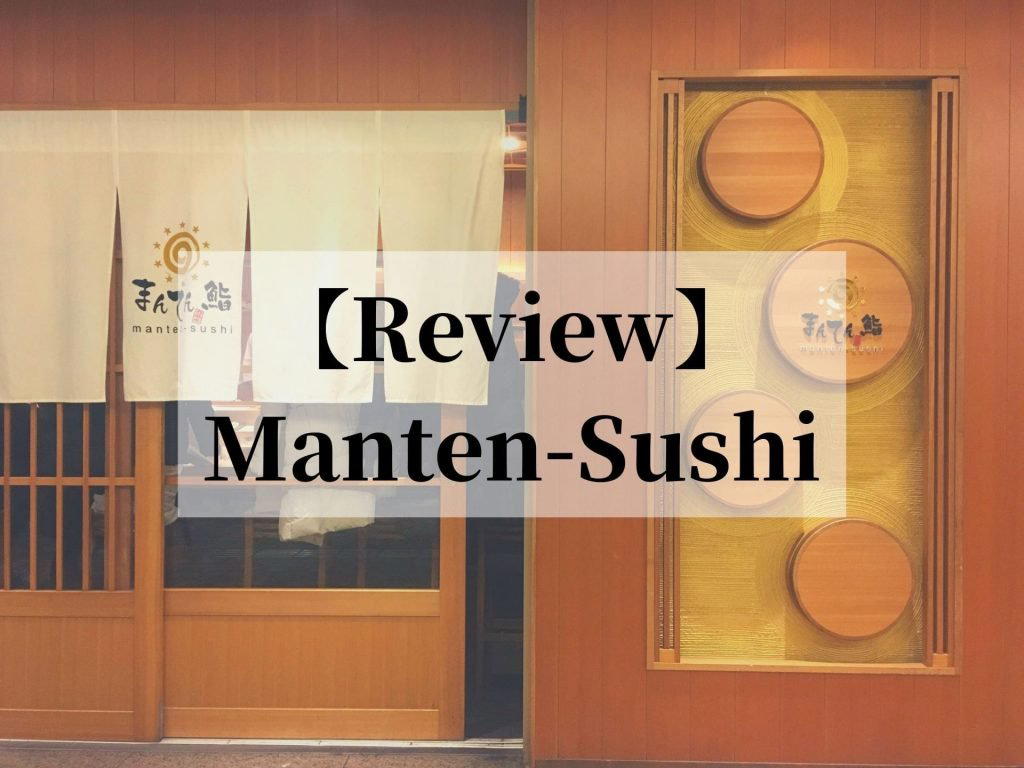
Manten Sushi occupies the ground floor of Coredo Muromachi 2 in Nihonbashi, positioning itself within one of Tokyo's most historically layered commercial districts. The counter format follows the omakase tradition closely, where the rhythm of the meal is set by the kitchen rather than the guest. For visitors to Tokyo's sushi scene, it represents a mid-to-upper tier option in a neighbourhood that rewards those who look beyond Ginza's more publicised addresses.

Pearl is the En Primeur Club membership app — saves, bookings, and concierge access live there. Same editors, same standards.
- Address
- 日本橋室町2-3-1 (コレド室町2 1F), 中央区, 東京都, 103-0022
- Directions
- Get directions
The menu
What to order
- Uni
- Chutoro
- Abalone
Nihonbashi's Omakase Register
Tokyo's sushi scene has long been understood through the lens of Ginza, where the density of three-starred counters and the weight of reservation lists have made that district the default reference point for serious omakase dining. But Nihonbashi, the mercantile heart of Edo-period Tokyo and now home to the Coredo Muromachi complex, has developed its own tier of considered sushi addresses, drawing both office professionals and deliberate visitors who find Ginza's theatrical pricing and social dynamics beside the point. Manten Sushi, operating from the ground floor of Coredo Muromachi 2 at 日本橋室町2-3-1, sits inside that emerging register — accessible by the logic of the neighbourhood, but calibrated to guests who approach a sushi counter with some prior experience of the format.
The Coredo Muromachi development transformed this part of central Tokyo roughly a decade ago, replacing an older commercial grain with curated retail and food tenants. What that means in practice is that Manten Sushi shares its building with a different category of foot traffic than, say, a counter tucked into a Minami-Aoyama side street. The clientele includes weekday lunch visitors from the surrounding financial district and evening guests arriving with more deliberate purpose. That dual rhythm is not incidental — it shapes how the kitchen and service operate across different parts of the day.
The Lunch and Dinner Divide
In Tokyo omakase sushi, the gap between lunch and dinner service is less about the quality of fish and more about pace, social register, and the degree of ceremony the kitchen applies to the sequence. At counters across the city, from the rarefied seats at Harutaka to more neighbourhood-facing operations, lunch tends to offer a compressed version of the evening progression, often at a price point that makes serious sushi more accessible without eliminating its precision. Dinner extends the sequence, introduces more complex courses, and generally attracts guests for whom the meal is the primary event of the evening rather than a working interval.
Manten Sushi operates within this same structural logic. Its Nihonbashi location makes it particularly suited to the lunch-as-destination model: the surrounding area is dense with offices, and a counter seat at midday carries none of the formality pressure that an evening sitting might suggest to a first-time visitor. For guests planning an evening in the area, the dinner service is the fuller expression of the format, but the lunch sitting is the more pragmatic entry point, and in a city where sushi counter etiquette can feel opaque, that accessibility has real value.
This lunch-dinner split also affects the comparative value question. Tokyo's top-tier counters, including those with documented Michelin recognition, like RyuGin for kaiseki or the French-influenced precision of L'Effervescence, typically price their lunch menus at a meaningful discount to dinner, sometimes offering 60-70 percent of the evening's content at closer to 40-50 percent of the cost.
Counter Format and What It Signals
The omakase counter format, chef-facing seats, a fixed progression, no menu card, is now well established enough in international food culture that it rarely requires explanation to the guests who seek it out. What varies significantly between counters is the degree to which the kitchen uses that format as a frame for dialogue versus pure demonstration. Some counters in Tokyo operate in near silence, the chef's work speaking without narration. Others engage guests through the progression, explaining sourcing and seasonality as the meal moves forward.
For broader orientation across Tokyo's fine dining scene, our full Tokyo restaurants guide maps the city's leading addresses across cuisine type and price tier, including French counters like Sézanne and innovative formats such as Crony.
Placing Manten in the Wider Japan Context
Serious sushi travel in Japan is no longer confined to Tokyo. Osaka has developed its own tier of precision counters, and cities like Fukuoka, Sapporo, and even smaller regional addresses have produced kitchens worth the detour. HAJIME in Osaka represents the kaiseki-adjacent precision dining tradition of the Kansai region, while Goh in Fukuoka demonstrates how Kyushu's proximity to premium seafood sources has enabled serious counter dining outside the capital. For those extending a Japan trip into less-trafficked territory, akordu in Nara and Gion Sasaki in Kyoto offer reference points for how high-craft dining operates at a different pace and social register than Tokyo. Further afield, regional addresses like 一本杉川嶋製 in Nanao, 夕佳仙之 in Sapporo, 湖月庵 in Takashima, and 羽根屋 in Nishikawa Machi illustrate how Japan's culinary precision distributes well beyond the major urban centres. For a different format entirely, Birdland in Sakai and Bistro Ange in Toyohashi show the range of approaches that serious regional dining takes across the country.
For those planning international itineraries, the counter-dining model has strong equivalents in New York: Le Bernardin represents the pinnacle of seafood-focused fine dining in the American context, while Atomix offers a Korean-rooted tasting counter that draws direct comparisons to Tokyo's approach to sequenced, produce-led dining.
Planning a Visit
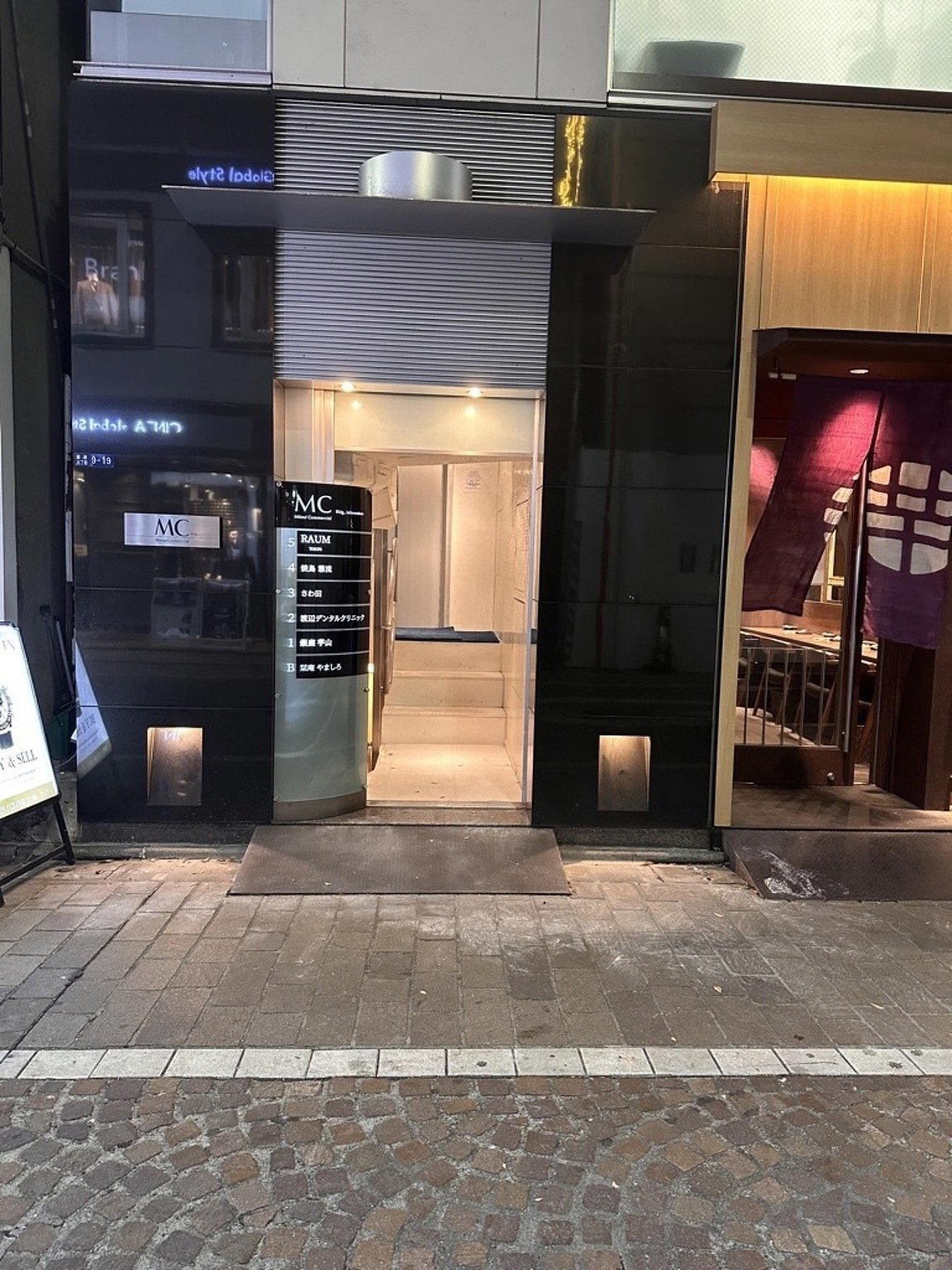
Coredo Muromachi 2 is directly connected to Mitsukoshimae Station on the Ginza and Hanzomon subway lines, making the address direct to reach from most parts of central Tokyo. The ground-floor location within the complex means there is no navigational ambiguity, a practical advantage over counters housed in unmarked buildings or upper floors of residential structures.
Frequently asked questions
What's Manten Sushi (まんてん鮨)'s location?
Manten Sushi (まんてん鮨) is located at 日本橋室町2-3-1 (コレド室町2 1F), 中央区, 東京都, 103-0022, Tokyo.
Is Manten Sushi (まんてん鮨) inside a shopping complex, and does that affect the experience?
Manten Sushi occupies the ground floor of Coredo Muromachi 2, a mixed-use development in Nihonbashi that also houses retail and other restaurants. The counter format creates a self-contained environment — chef-facing seats, a fixed progression, no background noise from a dining room — so the commercial context of the building does not carry into the meal itself. Mitsukoshimae Station's direct connection to the complex also removes any friction from the approach.
What do regulars order at Manten Sushi (まんてん鮨)?
The omakase format removes ordering from the equation entirely — the kitchen sets the progression and selects the fish. At a Nihonbashi counter of this type, guests follow a fixed sequence from lighter preparations through richer cuts, with no à la carte option. The experience is shaped by what the kitchen sources that day, not by guest preference.
How far ahead should I plan for Manten Sushi (まんてん鮨)?
Mid-to-upper-tier Tokyo omakase counters typically require reservations several weeks in advance at minimum, with the most sought seats filling one to three months out. Manten Sushi's position inside Coredo Muromachi 2 in Nihonbashi gives it visibility to both Tokyo residents and international visitors, which puts consistent pressure on availability. Planning two months ahead is a reasonable baseline.
What makes Manten Sushi (まんてん鮨) worth seeking out?
Its address in Nihonbashi rather than Ginza separates it from the cluster of counters that dominate most Tokyo sushi itineraries. Coredo Muromachi 2 in Chuo ward places the restaurant in a neighbourhood with genuine commercial and historical depth, distinct from the polished tourist circuit. For visitors already calibrated to Tokyo's omakase format, the location alone adds meaningful context to the meal.
Can Manten Sushi (まんてん鮨) adjust for dietary needs?
Omakase counters in Tokyo are structured around the kitchen's fixed progression, sourced daily from fish markets and built around sequences that depend on each ingredient. Substantive changes to the format are rarely accommodated. Guests with specific dietary requirements should communicate them clearly at the time of reservation, though the counter's ability to adapt will be limited by the nature of the format.
Is Manten Sushi (まんてん鮨) worth the price?
At Tokyo omakase counters, the lunch sitting commonly runs at a meaningful discount to the dinner menu — often half the price for a comparable fish selection — making it the more efficient entry point. Manten Sushi sits within the mid-to-upper tier of Nihonbashi dining, where counter meals range broadly depending on sitting and season. If a lunch option is available, it typically represents the strongest value-to-quality ratio.
Cuisine and Recognition
Comparable venues nearby, for context on price, style, and recognition.
| Venue | Cuisine | Price | Awards | Notes |
|---|---|---|---|---|
| Manten Sushi (まんてん鮨)This venue — the venue you are viewing | Edomae Omakase Sushi | $50–100 | Not listed | Not listed |
| Zakuro Ginza ten | Traditional Wagyu Shabu-shabu & Sukiyaki | $50–100 | Tabelog 100 #57 | Chūō |
| Yakiniku Itadaki | Kobe Beef Charcoal Yakiniku | $50–100 | Not listed | Chūō |
| Asakusa Juroku | Seasonal Soba-Kappo & Sushi | $30–50 | Tabelog 100 #68 | Taitō |
| Sushi Oochi | Traditional Sushi Omakase | Not listed | Not listed | Minato |
| Togoshi Ginza Sushi Bando | Seasonal Edo-style Omakase Sushi | $100–150 | Tabelog 100 #68 | Shinagawa |








Details
- Elegant
- Intimate
- Sophisticated
- Minimalist
- Date Night
- Solo
- Special Occasion
- Chefs Counter
- Sake Program
- Omakase
- Counter Dining
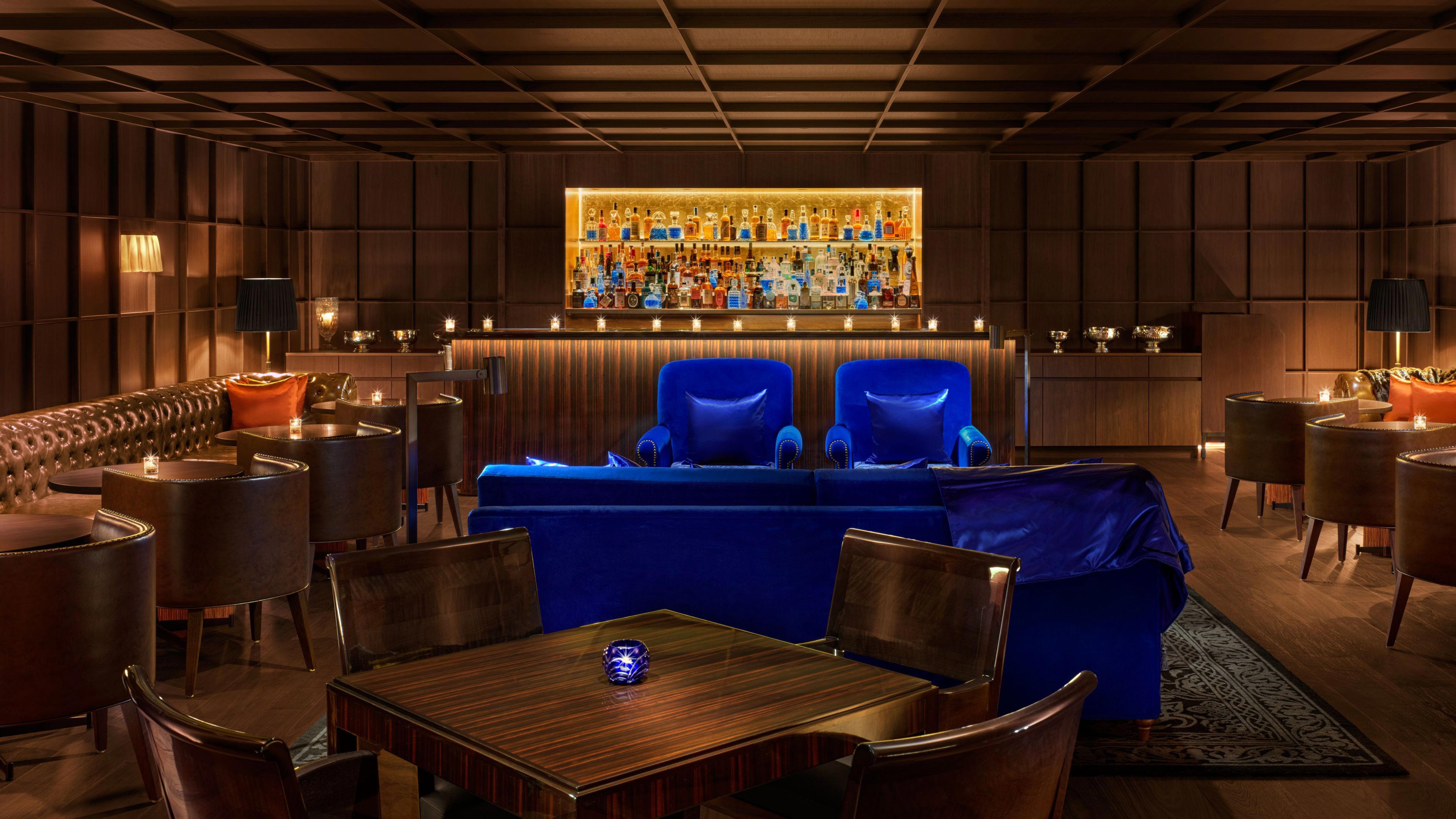
Modern Zen interior with minimalist wooden counter offering intimate views of skilled chefs at work in a calm, unhurried atmosphere.