Located in Akasaka's 6-chome district, Izumi occupies a neighbourhood that has long shaped Tokyo's premium dining conversation. The address places it among the city's more established restaurant corridors, where traditional formats and contemporary approaches coexist within walking distance of each other. Practical details on booking and format should be confirmed directly with the venue before visiting.
Pearl is the En Primeur Club membership app — saves, bookings, and concierge access live there. Same editors, same standards.
- Address
- Japan, 〒107-0052 Tokyo, Minato City, Akasaka, 6 Chome−11−11 赤坂乃なみビル
- Phone
- +81335820101
- Website
- hakata-izumi.com
- Directions
- Get directions
 Saves & bookings on Pearl
Akasaka's Dining Coordinates
Akasaka sits in Minato City, one of Tokyo's most densely credentialed restaurant districts. The area draws a mix of political figures, corporate entertaining, and serious diners who have been coming to the neighbourhood for decades, partly because Akasaka has historically supported a concentration of kappo counters, high-end sushi rooms, and traditional Japanese formats that require consistency over years to sustain. That concentration remains. The 6-chome address puts Izumi within a corridor where competition is structural rather than incidental — every neighbouring restaurant is making a case for the same discretionary spend from the same relatively narrow pool of regulars and visiting guests.
This matters because Akasaka restaurants tend to operate on reputation cycles longer than those in, say, Roppongi or Shibuya. A new opening in Akasaka is tested differently — against the institutional memory of the neighbourhood, not just against the current critical conversation. Venues that hold their ground here over multiple years are doing something right in terms of consistency, whether that is sourcing discipline, service reliability, or format clarity.
What the Address Signals About Format
The specific location, Akasaka 6-chome, off the main arterial flow of the district, is the kind of address that works for venues relying more on word of mouth and return visits than on street-level footfall. In Tokyo's premium dining geography, this is a meaningful signal. Counter-based formats, private room structures, and specialist cuisine operators tend to seek these quieter sub-addresses deliberately, because the diner arriving here has already made a decision. They are not walking past and deciding on impulse.
Tokyo's premium restaurant tier has bifurcated over the past decade into venues that benefit from visibility, hotel restaurants, destination openings with international press behind them, and venues that operate in deliberate obscurity, where the address itself functions as a filter.
For comparative orientation: Harutaka operates in a similar high-trust, low-visibility mode in Ginza, while RyuGin in Roppongi Hills takes the opposite approach, using a flagship address to anchor its international profile. Both strategies work at the premium end; they attract different types of guests and different booking behaviours.
Akasaka in the Broader Tokyo Context
Understanding where Izumi sits requires understanding what Akasaka represents in Tokyo's dining hierarchy. It is not Ginza, which carries the highest concentration of Michelin-starred counters and the price floors that come with that density. It is not Shinjuku, which spans every price tier simultaneously. Akasaka occupies a middle register in terms of visibility but not in terms of quality, the neighbourhood has produced serious restaurants that operate for years without significant international press simply because the clientele does not require it.
The broader Minato City dining scene, which encompasses Akasaka, Azabu-Juban, and Roppongi, is where much of Tokyo's highest-stakes entertaining happens. Corporate accounts, embassy dinners, and political lunches flow through these corridors at volumes that sustain restaurants other neighbourhoods could not. A venue holding an address here has access to that demand structure, which partly explains why Akasaka supports formats that would struggle elsewhere in the city.
For context on what serious Japanese dining looks like across the country: Gion Sasaki in Kyoto represents the kaiseki tradition at the highest level, while HAJIME in Osaka shows how progressive Japanese cooking has developed outside Tokyo. The regional comparison matters because diners doing multi-city itineraries in Japan often use Tokyo's Akasaka as a starting or ending anchor, with the Kansai region providing contrast.
Planning a Visit
For a venue at this address in Akasaka, the general operating assumptions for the neighbourhood apply: advance reservations are advisable, walk-in availability is not guaranteed and may not be offered at all, and the price register is consistent with a district where the floor for serious dinner has sat above the ¥¥¥ tier for some years.
The nearest transport access is via Akasaka Station on the Chiyoda Line or Akasaka-Mitsuke Station, which sits on both the Ginza and Marunouchi lines, useful for guests arriving from central Tokyo or connecting from the Shinkansen at Tokyo Station. The 6-chome address is a short walk from either station, though in the evening the quieter streets of this sub-district require knowing where you are going rather than following signs.
For reference on what comparable commitment looks like at the premium Tokyo level: Sézanne books weeks ahead and operates within Four Seasons Tokyo at Marunouchi, while L'Effervescence in Nishi-Azabu maintains a similar advance booking requirement. Both sit in the ¥¥¥¥ tier. Crony offers a slightly different format at the same price level. These are the reference points against which Akasaka operators, including Izumi, are implicitly measured by guests moving across the city's premium tier.
For those building a wider Japan itinerary, the EP Club covers serious dining across the country: akordu in Nara, Goh in Fukuoka, and regional operators including 一本杉川島制 in Nanao, 夕佳亭山乃 in Sapporo, 湖南荘 in Takashima, 庄羽屋 in Nishikawa Machi, Birdland in Sakai, and Bistro Ange in Toyohashi all appear in our coverage. For international comparison, Le Bernardin in New York City and Atomix in New York City offer reference points for how premium dining at this level operates in other markets. See our full Tokyo restaurants guide for broader orientation across the city's dining tiers.
Cost and Credentials
| Venue | Cuisine | Price | Awards |
|---|---|---|---|
| IzumiThis venue — the venue you are viewing | Not listed | This venue | Not listed |
| Harutaka | Sushi | ¥¥¥¥ | Michelin 3 Star |
| L'Effervescence | French | ¥¥¥¥ | Michelin 3 Star |
| RyuGin | Kaiseki, Japanese | ¥¥¥¥ | Michelin 3 Star |
| Crony | Innovative, French | ¥¥¥¥ | Michelin 2 Star |
| Florilège | French | ¥¥¥ | Michelin 2 Star |
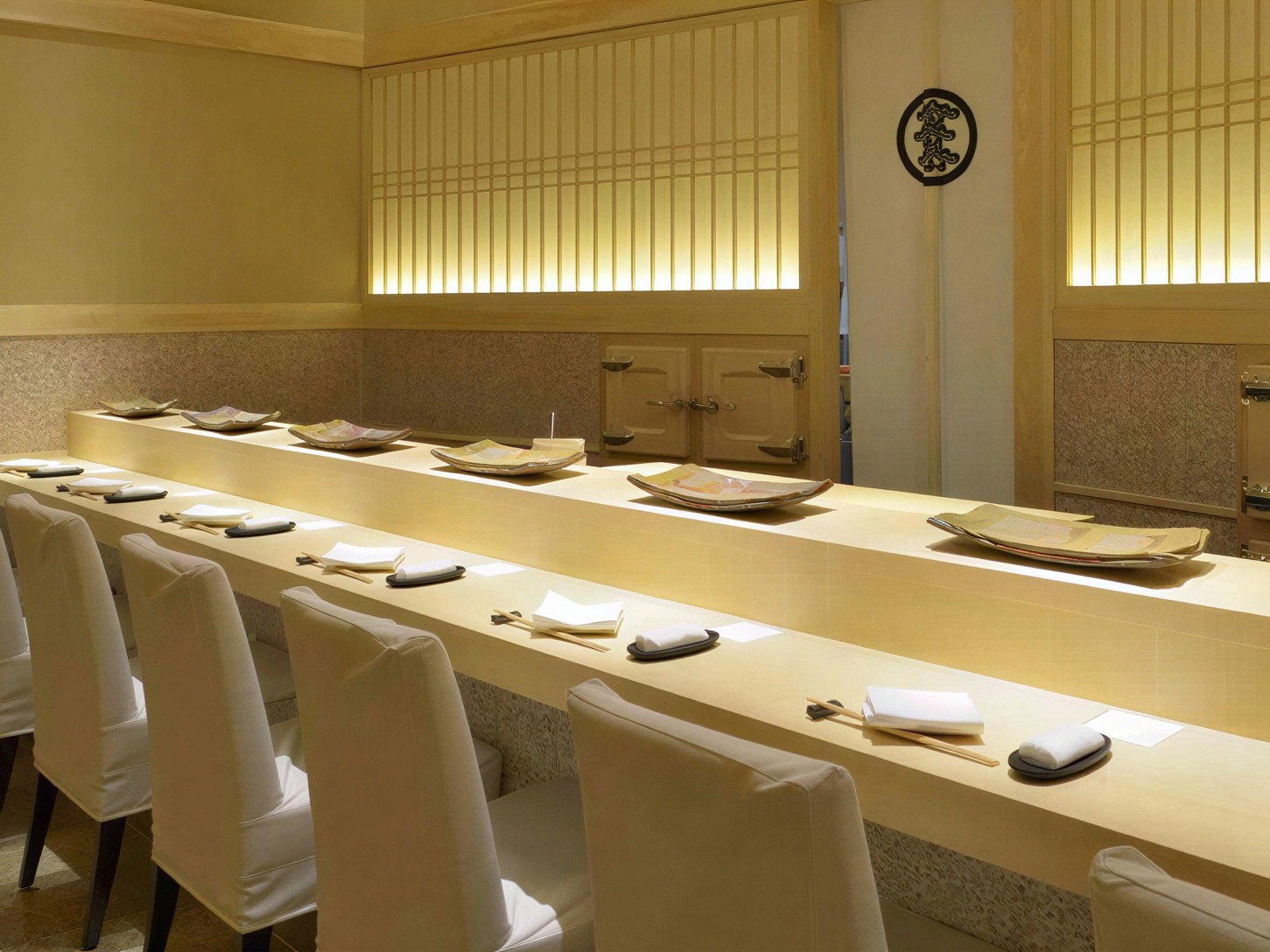
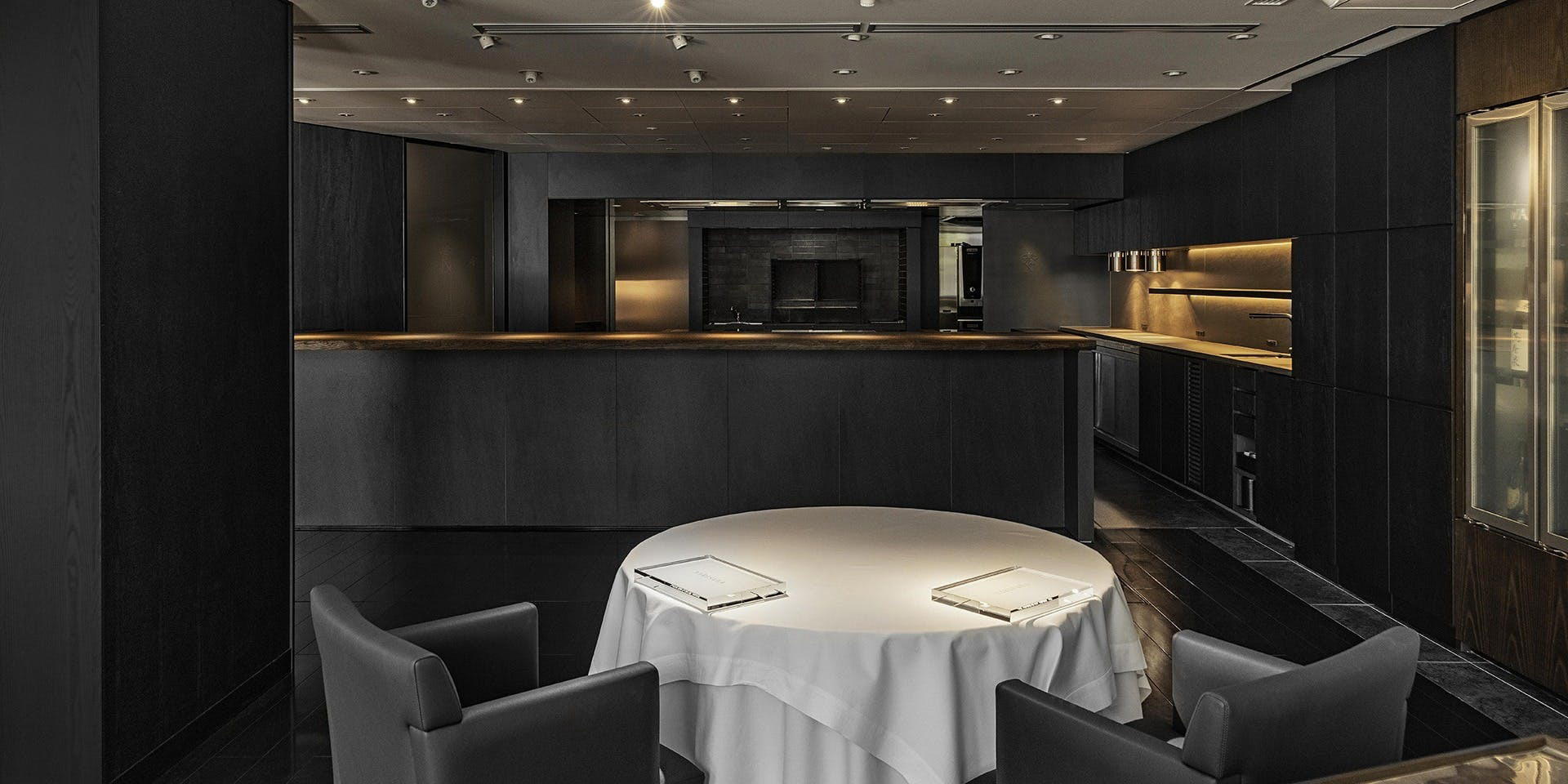
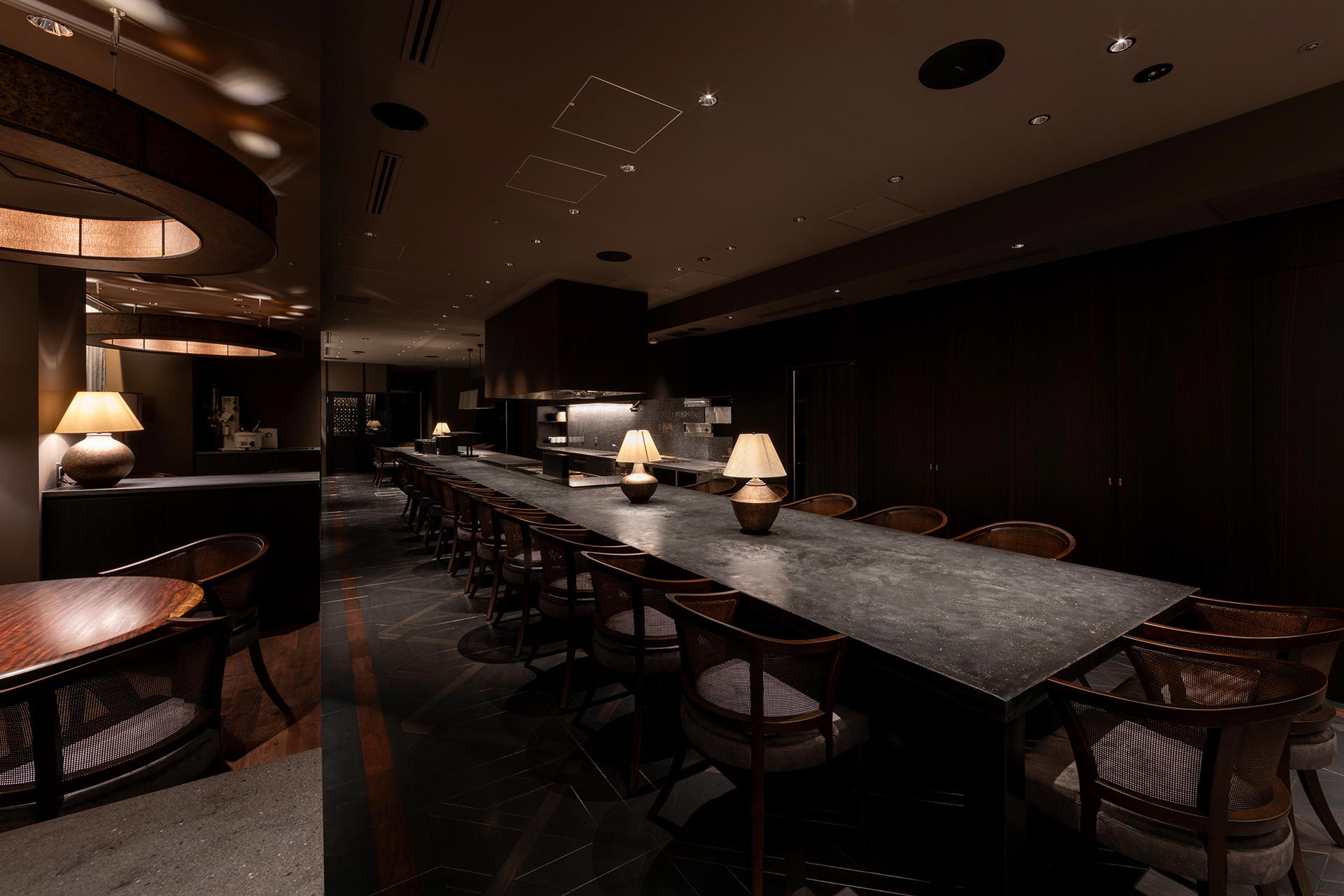

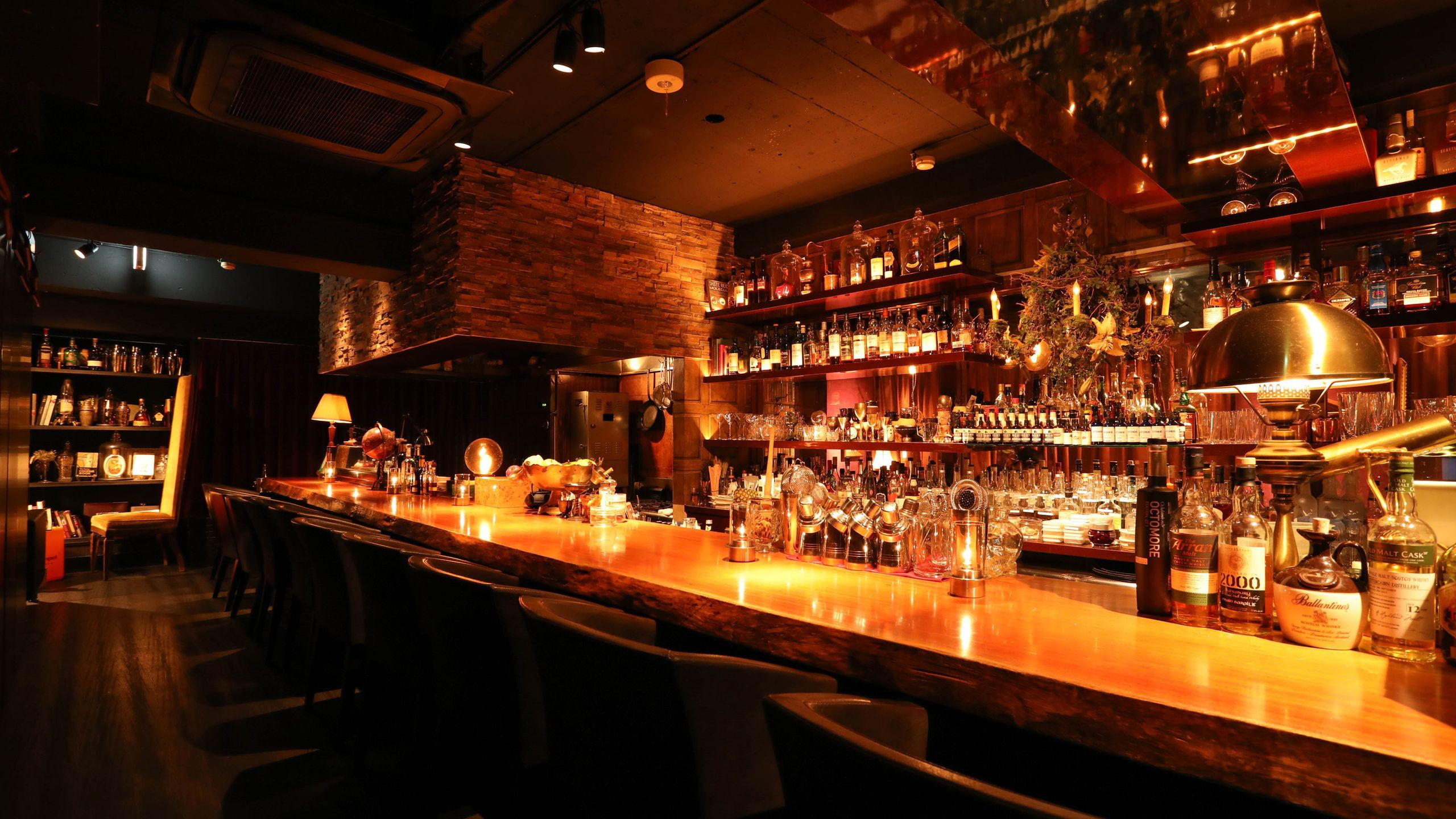
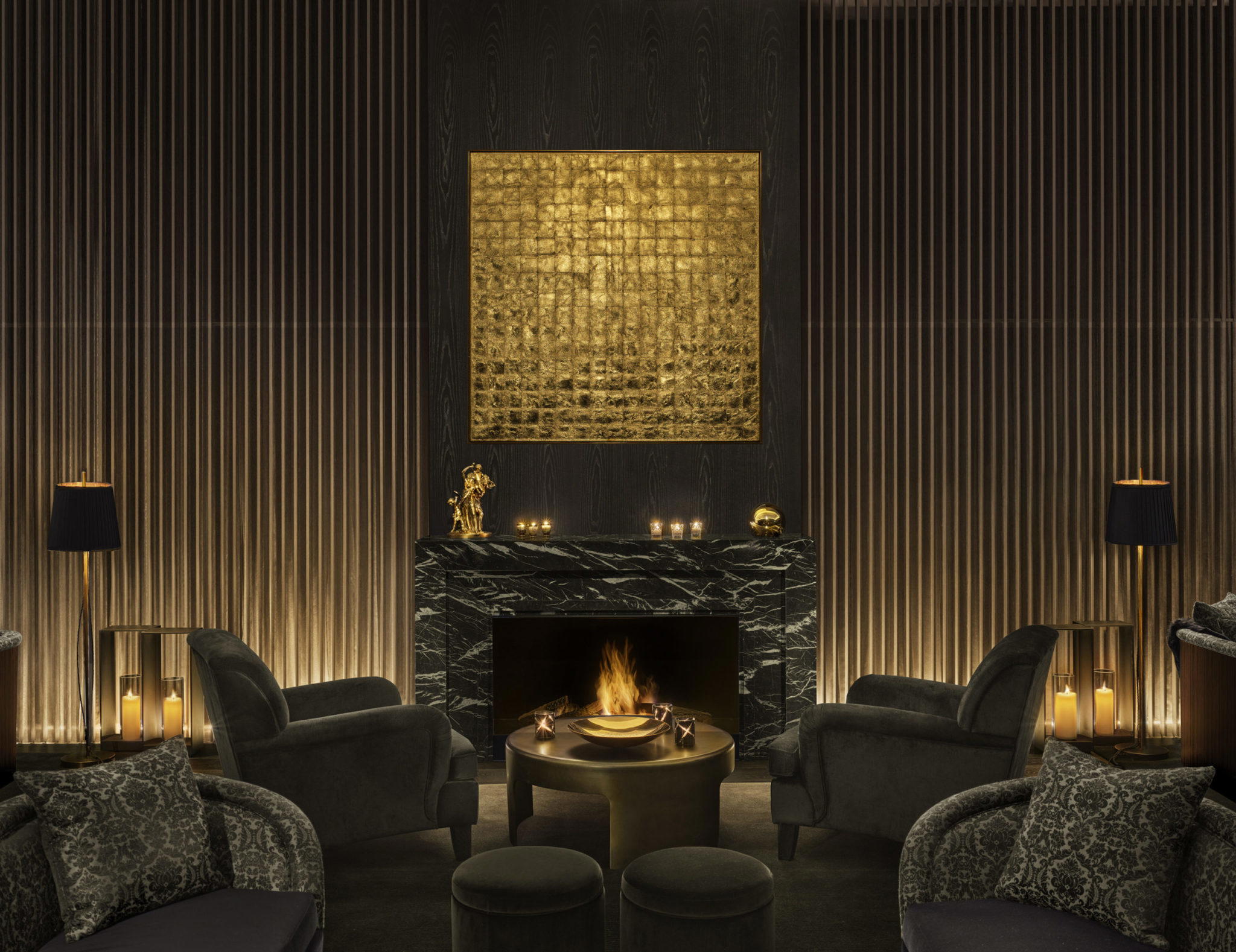




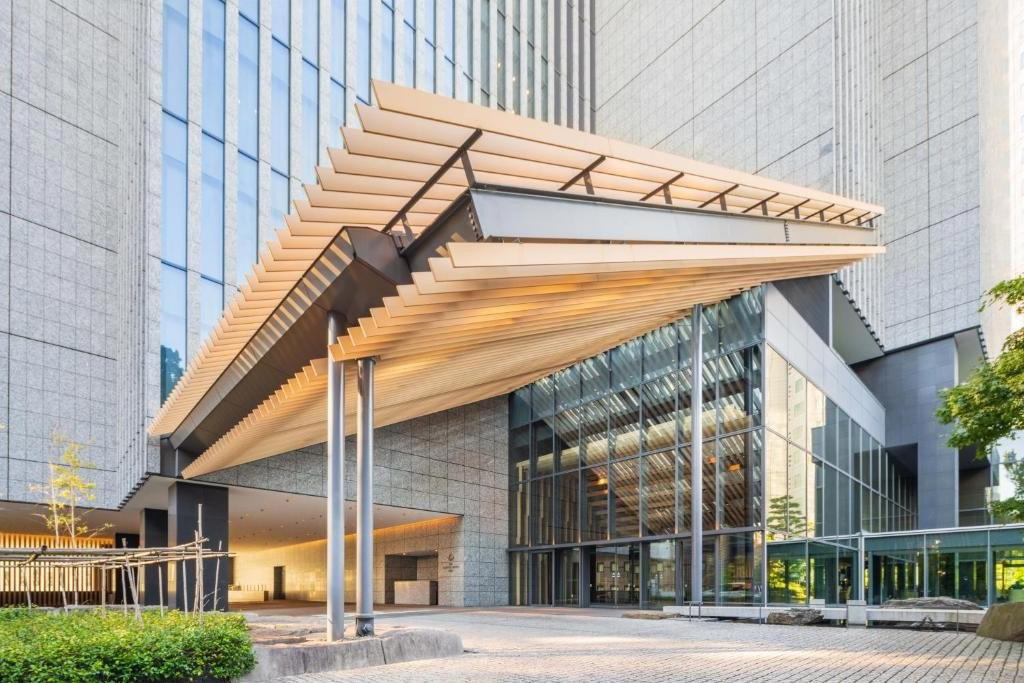


At a Glance
- Sophisticated
- Elegant
- Intimate
- Special Occasion
- Business Dinner
- Date Night
- Chefs Counter
- Sake Program
Know Before You Go
- Getting there
- Japan, 〒107-0052 Tokyo, Minato City, Akasaka, 6 Chome−11−11 赤坂乃なみビル