
Arakawa (Kyoto) belongs to Japan’s small, ingredient-led steak tradition, where sourcing, cut selection, and heat control matter more than steakhouse spectacle. Chef Miya Yamada is attached to the restaurant, which appears in the 2026 OAD Top Restaurants in Japan Recommended tier, giving it a credible place in the country’s serious beef conversation.
Pearl is the En Primeur Club membership app — saves, bookings, and concierge access live there. Same editors, same standards.
- Address
- 372-4 Kamiyacho, Nakagyo Ward, Kyoto, 604-8024, Japan, Tokyo, Kantō, Japan
- Phone
- +81 75-231-1050
 Saves & bookings on Pearl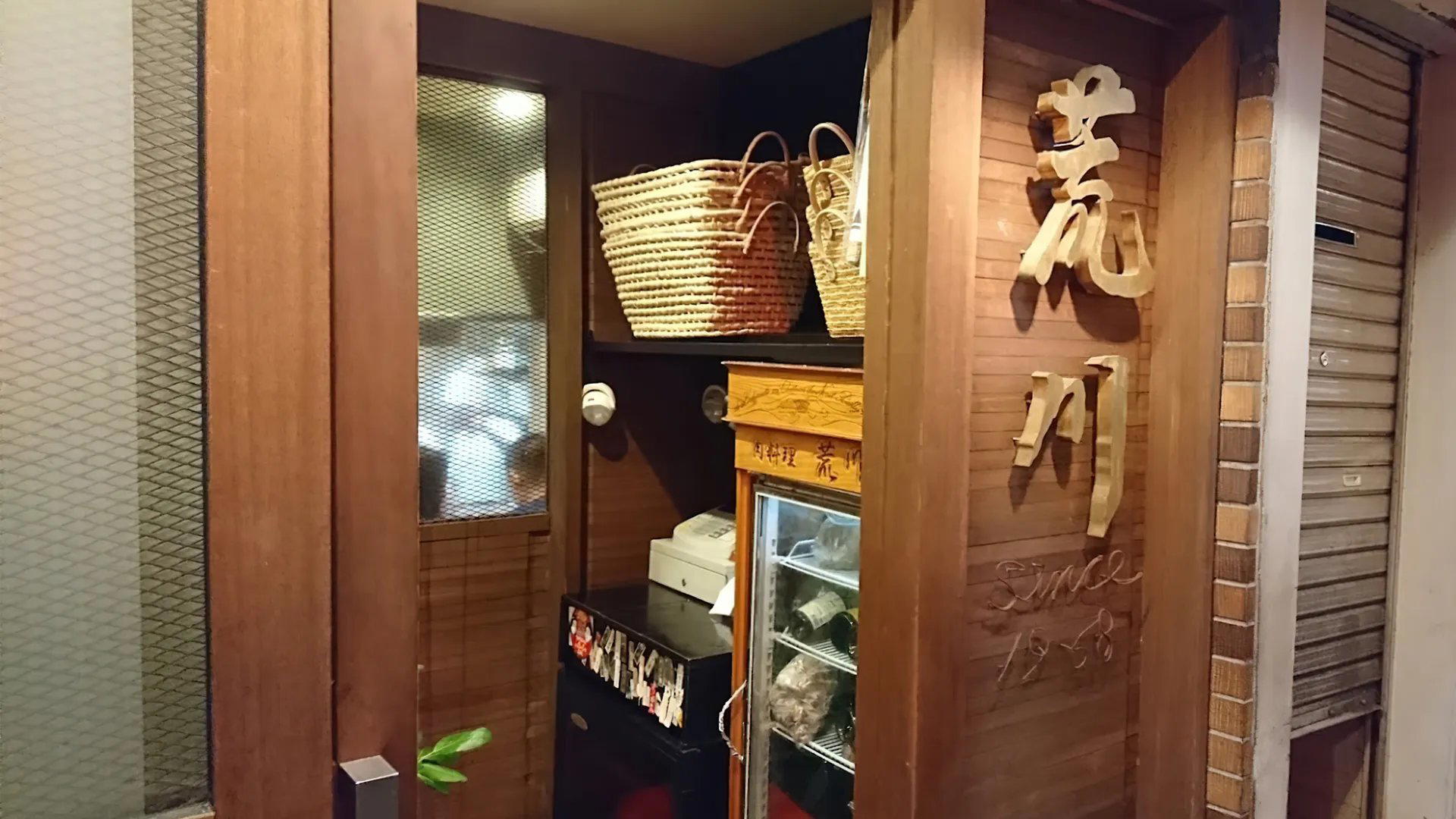
Japan’s serious steak rooms rarely use the scale or theatre associated with American beef culture. The stronger model is quieter: fewer distractions, more attention to provenance, thickness, fat, heat, and rest. Arakawa (Kyoto) sits in that tradition, where the meal is less about abundance than calibration. In a country that treats beef grading, regional supply, and cooking technique with unusual precision, a steak restaurant earns attention by making sourcing legible on the plate, not by decorating the room around it.
The restaurant’s 2026 Recommended placement in the OAD Top Restaurants in Japan list gives it a useful external marker. That matters because Japan has many beef specialists, but fewer that draw attention beyond local regulars. Chef Miya Yamada’s name is attached to the kitchen, yet the more interesting point is the discipline implied by a Japanese steak format that treats meat as an ingredient with origin, handling, and timing, not as a luxury cliché.
Japan's steak culture is built on sourcing before spectacle
Japanese steak dining has a different center of gravity from the dry-aged, porterhouse-led model familiar in parts of the United States. The conversation often begins with breed, feed, marbling, regional identity, and how much fat a diner wants across a full meal. Cooking follows. A highly marbled cut needs restraint; a leaner piece needs another rhythm over heat. The craft is not simply grilling beef, but choosing how much intervention the meat can take before its character blurs.
That is why ingredient sourcing is the right lens for Arakawa (Kyoto). Steak in Japan is not one category. It can move from sukiyaki and shabu-shabu traditions to teppan counters and Western-influenced steak rooms, each with a different idea of fat, sweetness, smoke, sauce, and portion. A restaurant in this space signals judgment through selection. The diner pays for decisions made before the meat reaches the pan or grill: supplier, cut, aging if used, trimming, seasoning, and final doneness.
Tokyo and Kyoto also frame beef differently. Tokyo’s steak market is broad and status-conscious, with international names, hotel dining rooms, and counter-led specialists sharing an audience. Kyoto’s dining culture is more seasonal and ingredient-sensitive, with an older habit of reading meals through restraint and sequence. Arakawa (Kyoto), though presented here within the Tokyo collection, carries that Kyoto naming cue, pointing toward a measured style of Japanese steak dining rather than a large-format metropolitan steakhouse template.
For readers mapping the wider category, separate Japanese beef restaurants by format rather than price alone. Sukiyaki has its own sweetness and ritual, as seen in the broader regional vocabulary around -Grilled beef Sukiyaki- KAMAKURA TANUKIAN 鎌倉 たぬき庵 in Kamakura. Tokyo’s Western-style steak conversation includes places such as Peter Luger Steak House Tokyo, but that is a different lineage. International reference points such as Arthur J. Steak in Los Angeles and B&B Butchers and Restaurant, Steak in Houston clarify the contrast: American steak culture often rewards scale, while Japanese steak rooms tend to reward precision.
Where Arakawa (Kyoto) fits in a broader Japan itinerary
The restaurant is better understood within a Japanese dining itinerary built around specialist formats. Travelers often arrive thinking in categories: sushi, tempura, kaiseki, ramen, beef. The sharper approach is to think in production systems. Who controls the ingredient? How narrow is the format? Does the kitchen ask diners to notice season, origin, technique, or quantity? A serious steak room belongs in that map because beef in Japan reflects agricultural specificity as much as cooking skill.
That is also why awards recognition has value. A Recommended listing does not settle personal taste, but it places the restaurant inside a national field assessed by experienced diners. For a steak venue, that signal is more useful than generic luxury language. It says the restaurant has entered a conversation where sourcing and execution are judged against other ambitious rooms, not merely casual beef counters or tourist-facing grills.
Chef Miya Yamada should be read as a credential, not the whole story. In Japan, the strongest ingredient-led restaurants often keep the chef’s personality secondary to product and technique. That is especially true with beef, where overstatement quickly tires. The meal succeeds when the kitchen understands how fat behaves, how seasoning should recede, and how a sequence can keep richness from flattening the palate. The restaurant’s appeal sits in that discipline.
For planning around the city, beef is only one lane. The larger Tokyo restaurant field ranges from French-influenced kitchens such as Dons de la Nature to meat-focused rooms such as Gorio, counter formats like Hirayama, and Ginza dining rooms including Idea Ginza. Use Our full Tokyo restaurants guide to build the food side of the trip, then balance it with Our full Tokyo hotels guide, Our full Tokyo bars guide, Our full Tokyo wineries guide, and Our full Tokyo experiences guide.
The right diner is ingredient-focused, not spectacle-hungry
The restaurant makes sense for diners who want Japanese beef treated as a study in sourcing and control. It is not the obvious choice for a group seeking a loud steakhouse, a long list of sides, or a heavily narrated luxury performance. The better fit is a smaller party that wants to compare how Japan handles beef against sushi, kaiseki, and tempura: tightly, quietly, with the product carrying more weight than the room.
The broader Japan map gives useful contrast. Kyoto’s contemporary dining can be followed through restaurants such as [ki:] in Kyoto, while other city stops show how varied the country’s specialist venues have become, from.cafe in Osaka and.know in Kumamoto to (Shoku) Vietnam in Kawasaki and [Curry Senmon Ten] Maruyama Kyoju. in Sapporo. Seen that way, the restaurant is not just a steak stop. It is a reference point for how Japan turns a familiar luxury ingredient into a narrower, more disciplined dining form.
Comparable Venues Nearby
Comparable venues nearby, for context on price, style, and recognition.
| Venue | Cuisine | Price | Notes |
|---|---|---|---|
| Arakawa (Kyoto)This venue — the venue you are viewing | Traditional Kyoto yakiniku (Japanese BBQ) | $$$ | Not listed |
| Ushigoro Kan Ebisu honten | Premium Wagyu Yakiniku & Japanese Sake | $$$ | Shibuya |
| Yakitori Nakamura | Yakitori Omakase | $$$ | Minato |
| Toriyaki Sasaya | Traditional Yakitori Course Menu | $$$ | Meguro |
| Akaoni | Sake Specialist Izakaya | $$$ | Setagaya |
| Nodoguro Senmon Ginza Nakamata | Nodoguro-focused Japanese set-course dining | $$$ | Chūō |
Recognition history
Dated appearances from independent guides and award organizations, with the underlying list record or original source where available.
Opinionated About Dining Top Restaurants in Japan Recommended
Opinionated About Dining







At a Glance
- Cozy
- Intimate
- Lively
- Classic
- Date Night
- Celebration
- Group Dining
- Casual Hangout
- After Work
- Solo
- Chefs Counter
- Standalone
- Sake Program
- Extensive Wine List
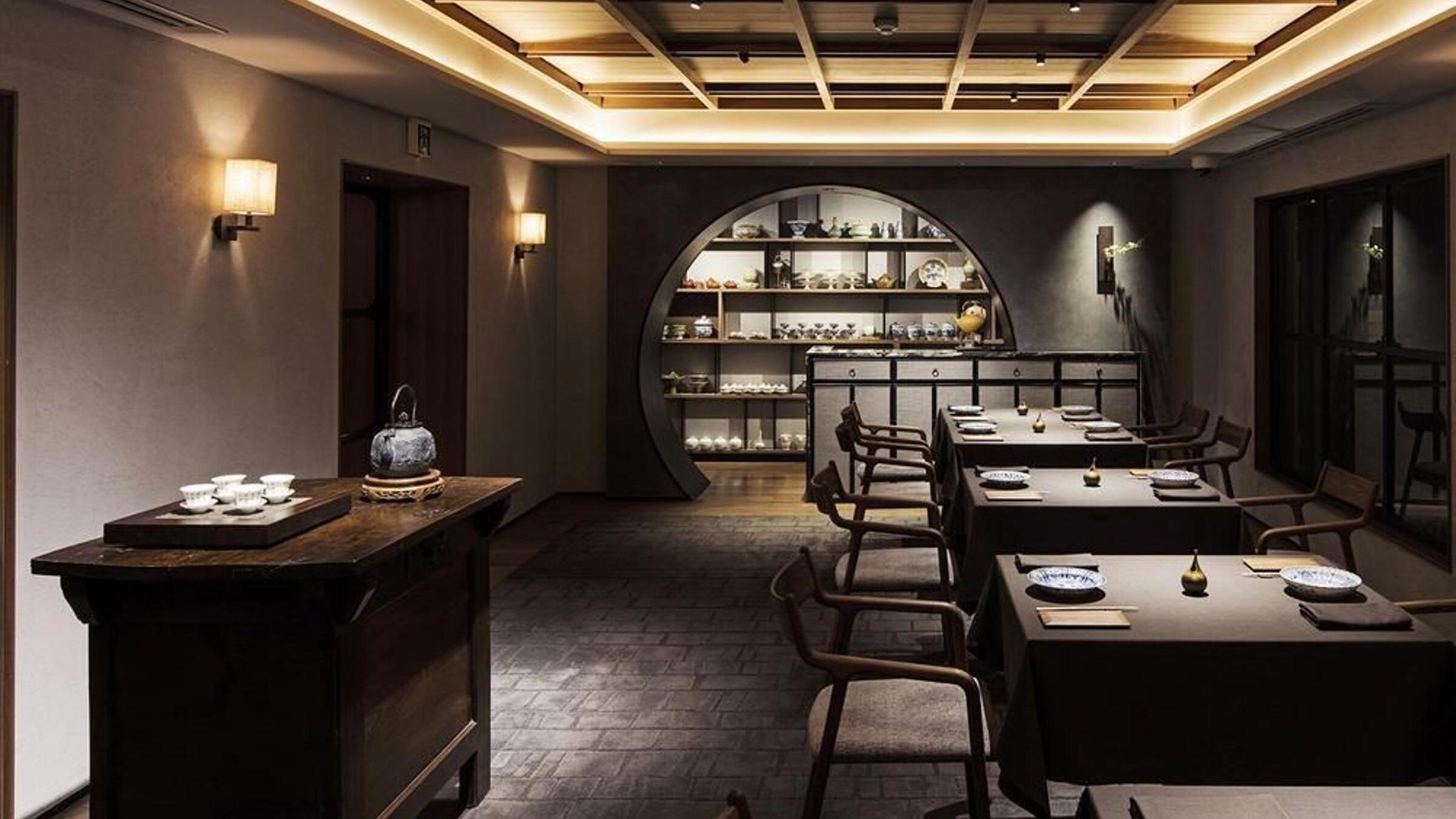
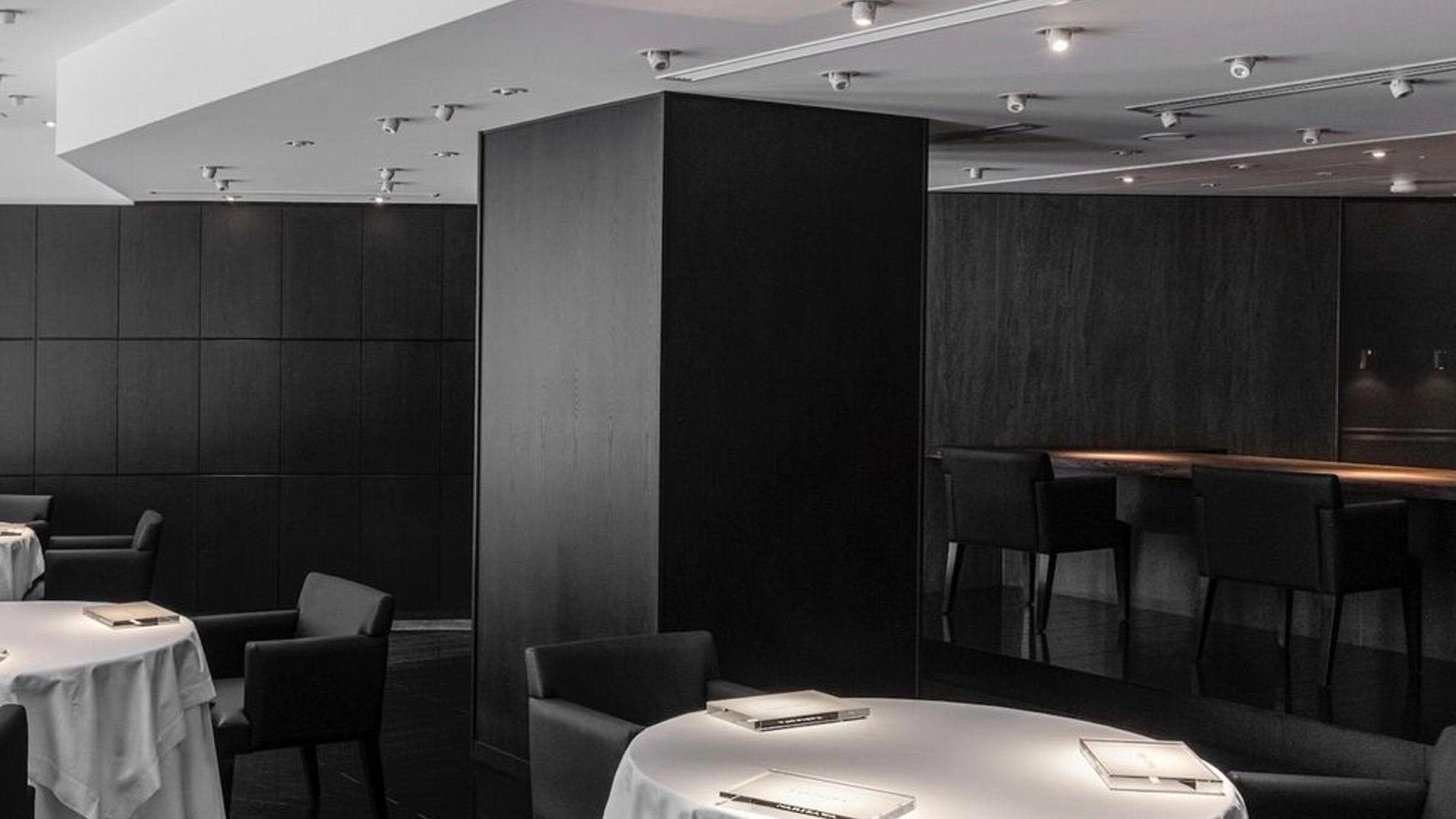
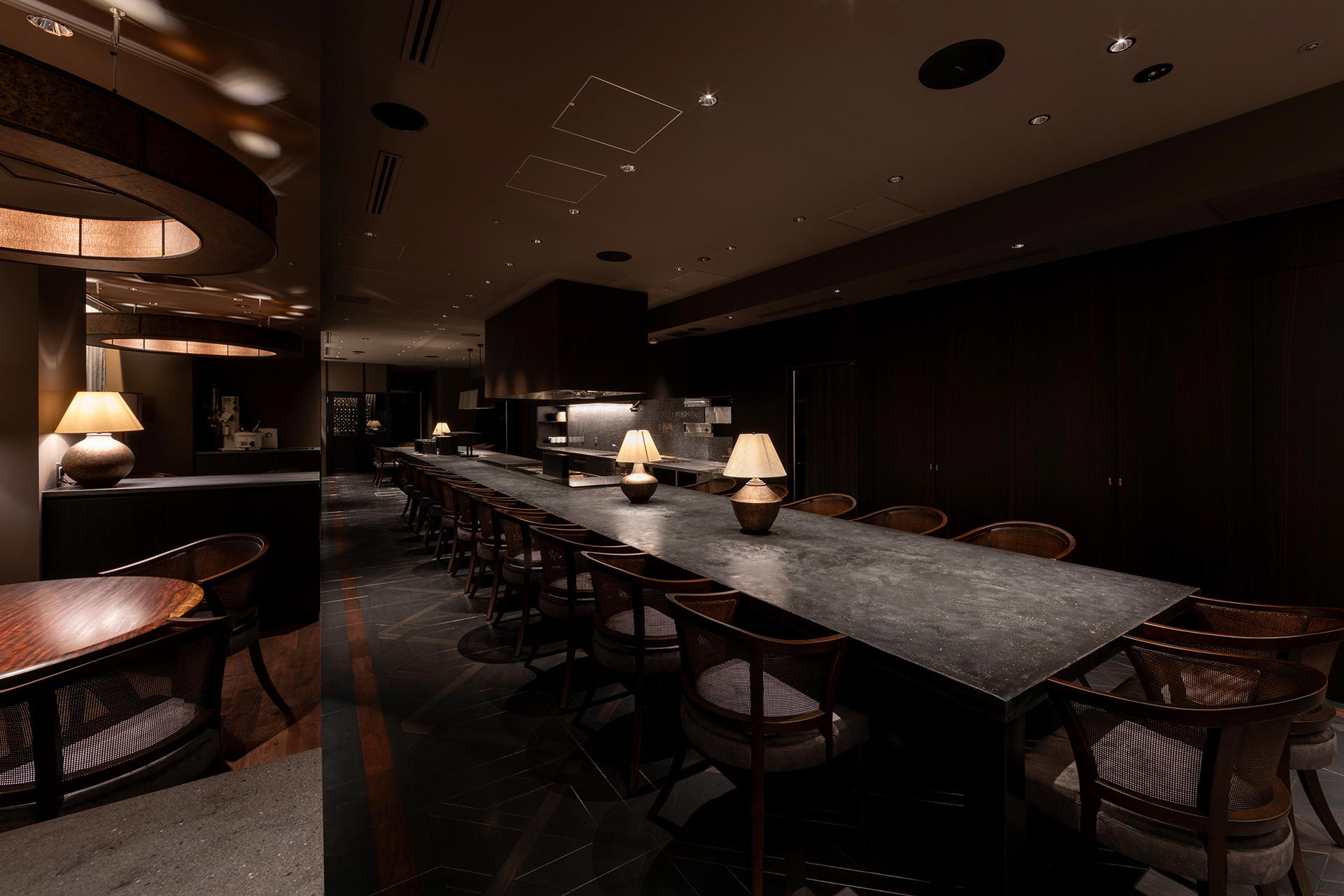
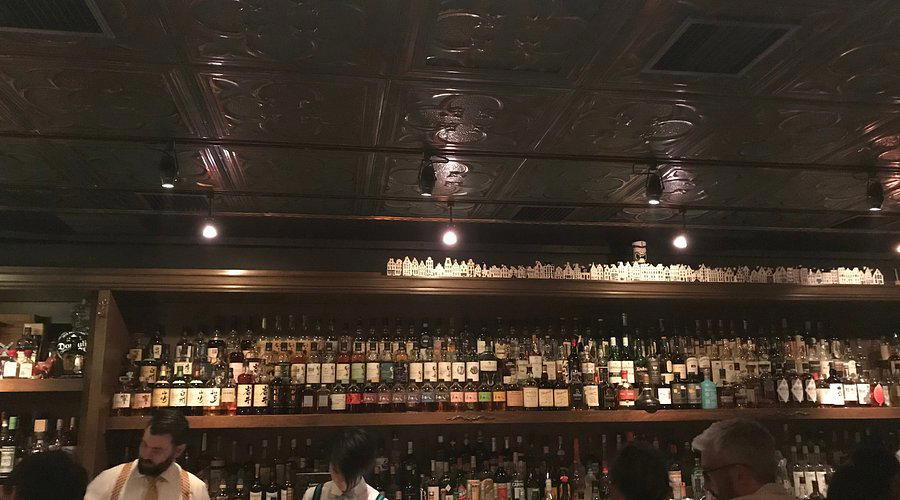
Small counter-style space with about 10–14 seats, softly lit and cozy, where the owners interact closely with guests, creating a relaxed, lively yet homey atmosphere that feels like being treated as family rather than in a formal steakhouse.