
Tabelog 100 #78
Our verdict
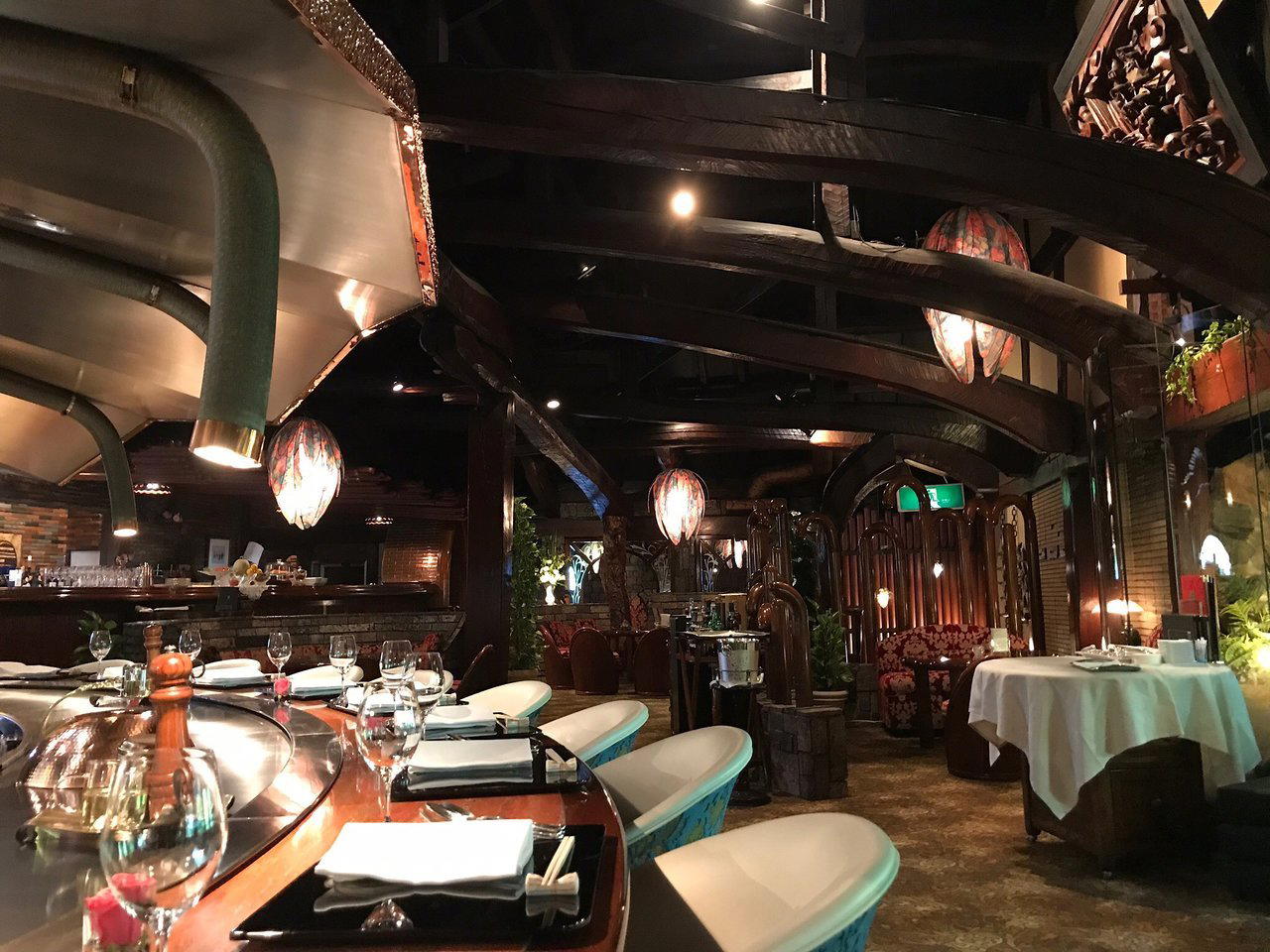
Hachiōji Ukai-tei sits on the western edge of Tokyo in Hachioji, where the Ukai group's teppanyaki tradition has taken root in a setting defined by craft and ceremony. The restaurant belongs to a wider network of premium dining experiences positioned outside the capital's centre, drawing visitors willing to travel for an approach to Japanese-inflected teppanyaki that prioritises ingredient precision and formal service ritual.

Pearl is the En Primeur Club membership app, where members save venues, book tables and use the concierge.
The menu
What to order
- Wagyu sirloin steak
- Tofu bread
- Black cherry flambe
Western Tokyo and the Geometry of Destination Dining
Japan's premium dining geography has never been strictly urban in the central-district sense. Some of the country's most sustained culinary reputations have grown at deliberate distance from city cores: in Arashiyama rather than downtown Kyoto, in the hills above Kobe rather than on the waterfront. Hachioji, the largest city in the Tokyo Metropolitan area by land area, follows a version of that pattern. At roughly 40 kilometres west of Shinjuku by rail, it sits at the point where Tokyo's suburban density starts giving way to forested ridge lines and river valleys. That setting is not incidental to the Ukai group's presence here. The group, which operates multiple properties in the western Tokyo corridor, has consistently used natural surroundings as both backdrop and argument: the environment is part of what you are paying for.
Hachiōji Ukai-tei sits within that framework. The Ukai-tei strand of the group focuses on teppanyaki rather than the kaiseki-inflected charcoal grill cuisine of its sibling property, Ukai Toriyama, which occupies a valley site north of the city centre. Where Toriyama draws on the aesthetic language of rural Japan, Ukai-tei engages the Western-facing teppanyaki tradition: a live cooking surface, a trained chef working directly in front of seated guests, and a menu structure that moves through courses with the pacing of a formal European dinner. The address, 2 Chome-14-6 Akatsukicho, places the restaurant in a residential pocket of Hachioji rather than a conventional dining or commercial district, which reinforces the destination logic: you come specifically, not incidentally.
Teppanyaki as Cultural Form, Not Just Format
Teppanyaki is sometimes reduced in Western perception to performance cookery, a format where theatrical flame effects and knifework substitute for culinary seriousness. That reading misses how deeply the form is tied to Japanese ideas about ingredient transparency and the ethics of heat. The iron griddle, or teppan, applies direct, even heat without the medium of liquid or fat in significant quantity. That directness is unforgiving: the quality of the protein or vegetable has nowhere to hide. In the top tier of Japanese teppanyaki, the cooking surface is not a stage prop but a kind of truth-telling instrument.
That ingredient-forward logic connects teppanyaki to a broader current in Japan's premium dining scene. At Harutaka in Tokyo, the counter format and minimal intervention philosophy serve the same transparency goal through sushi. At Gion Sasaki in Kyoto, kaiseki uses seasonality as the structuring principle. Teppanyaki at the level Ukai-tei operates within uses the live cooking encounter to stage exactly the same argument: that the leading cooking requires the least interference. The chef's presence in front of the guest is not spectacle for its own sake; it is accountability made visible.
This tradition also intersects with the specifically Japanese premium beef culture that emerged after the mid-20th century. The corridor between Kobe, Osaka, and Tokyo has long supported the wagyu supply chains that top-end teppanyaki depends on, and the format became one of the primary vehicles through which that beef culture expressed itself in a dining context. Restaurants operating at this level set their expectations by ingredient provenance and degree of skill rather than by wine programme or room size. For reference points in comparable premium culinary traditions, the standards applied at places like HAJIME in Osaka or Atomix in New York City illustrate how tightly ingredient sourcing and chef technique are bound together in any serious tasting-format dining room.
The Ukai Group Position and What It Implies
The Ukai Corporation operates a small number of high-specification properties rather than a wide-footprint hospitality brand. That model positions its restaurants in a peer group defined by sustained quality control rather than expansion. The group's properties in western Tokyo collectively form what might be called a destination cluster: visitors planning a day or an evening in the Hachioji area can build an itinerary around either the valley setting of Toriyama or the more formal teppanyaki encounter at Ukai-tei. Both rely on the same sourcing infrastructure and operational philosophy, which means that dining standards at Ukai-tei are set against the group's own benchmarks rather than calibrated purely against the competitive noise of central Tokyo.
That insularity from the city-centre scene has kept the restaurant's profile quieter than its category might warrant. It does not compete for the same press attention as the high-density Michelin corridors of Ginza or Nishiazabu. For the reader building a broader Hachioji itinerary, that relative quietness is part of the value. The booking environment at formal teppanyaki restaurants in this price tier often moves faster than guests expect, and venues operating with a small number of dedicated cooking stations fill weeks ahead when any significant travel season is in play. Advance planning rather than spontaneity is the correct posture.
For a comparison of how different Japanese cities handle the relationship between premium dining and urban position, the contrast between Hachioji's destination-dining model and Goh in Fukuoka or akordu in Nara is instructive. Each of those restaurants operates in a city that tourists might not prioritise over Tokyo or Kyoto, and each builds its case on the argument that serious cooking is worth the routing adjustment. Hachiōji Ukai-tei makes the same claim, at a scale specific to the western Tokyo corridor.
Planning the Visit
Reaching Hachioji from central Tokyo is direct by JR Chuo Line rapid service, which connects Shinjuku to Hachioji in under 50 minutes. The restaurant's address in Akatsukicho sits at some distance from the main station, so a taxi or local bus leg is required from the terminus. Visitors coming specifically for dinner should factor that transfer into arrival time, particularly on evenings when the train from Shinjuku runs on compressed frequency. Reservations at Ukai properties have historically required advance booking through the group's own reservation system, and telephone or web inquiry well before a planned visit is the standard practice. Dress code expectations at teppanyaki restaurants of this specification in Japan run formal to smart formal, and arriving underdressed is likely to register as a misreading of the room's register.
For readers exploring Japan's wider premium dining circuit, further reference points across the country include a destination restaurant in Nanao, a premium address in Sapporo, a lakeside property in Takashima, and a rural-setting restaurant in Nishikawa Machi. Each reflects the broader Japanese pattern of serious cooking appearing at deliberate remove from metropolitan concentration. Further dining reference points outside Japan include Le Bernardin in New York City for sustained classical precision, Birdland in Sakai for yakitori at a serious level, Bistro Ange in Toyohashi, Blue Ocean Steak in Nakagami District, bodai, and Cafe Naoshima Konichiwa on Naoshima for a sense of how Japan distributes considered dining experiences across its geography.
Frequently asked questions
How do I find Hachiōji Ukai-tei?
Hachiōji Ukai-tei is located at î2 Chome-14-6 Akatsukicho, Hachioji, Tokyo 192-0043, Japan, Hachioji.
Is Hachiōji Ukai-tei worth the trip from central Tokyo?
Hachioji sits roughly 45 minutes from Shinjuku on the JR Chuo Line rapid service, which makes Hachiōji Ukai-tei a manageable evening destination from central Tokyo rather than an all-day excursion. The Ukai Group built its reputation on properties that draw guests out of urban centres, and the Hachioji address follows that model. For anyone already exploring western Tokyo, the restaurant functions as the area's primary fine-dining reference point for teppanyaki.
What should I eat at Hachiōji Ukai-tei?
Hachiōji Ukai-tei is a teppanyaki house, so the iron plate is the centrepiece of the meal. Courses are built around high-grade beef and seasonal produce cooked directly in front of guests. The Ukai Group's model across its properties prioritises ingredient sourcing and counter-side preparation, so the composition of any given course will shift with the season and what is available at that quality threshold.
How hard is it to get a table at Hachiōji Ukai-tei?
The Ukai Group operates a small number of properties by design, which keeps capacity limited across all its addresses including Hachioji. Advance reservations are strongly advisable, particularly for weekend evenings. Booking through the Ukai Group's central reservation channel is the standard approach for securing a seat at this western Tokyo address.
What's the defining dish or idea at Hachiōji Ukai-tei?
The defining idea is teppanyaki understood as a disciplined cooking form rather than a performance format. At Hachioji, that means a chef working a steel plate at close quarters with guests, with the technique and ingredient quality doing the work rather than theatrical additions. The Ukai Group's consistent positioning across its properties treats teppanyaki as a serious culinary category within Japan's broader high-specification dining scene.
Price and Recognition
Comparable venues nearby, for context on price, style, and recognition.
| Venue | Cuisine | Price | Awards | Notes |
|---|---|---|---|---|
| Hachiōji Ukai-teiThis venue (the venue you are viewing) | Teppanyaki Steakhouse | $150–200 | Tabelog 100 #78 | Not listed |
| 煮干鰮らーめん 圓 | Niboshi-focused Hachioji ramen | $10–20 | Tabelog 100 #58 | 横山町, Niboshi Iwashi Ramen |
| Ukai Toriyama | Traditional Japanese Charcoal-Grilled Kaiseki | $50–100 | Not listed | Minamiasakawamachi, Traditional Japanese Charcoal-Grilled Kaiseki |
| Sushi Dokoro Mekumi | Traditional Japanese Omakase | $500+ | Not listed | Nonoichi, Traditional Japanese Omakase |
| Kyoaji (京味) | Not listed | Not listed | Not listed | Shinbashi, Traditional Kyoto-Style Kaiseki Omakase |
| 鮨おさむ | Traditional Japanese Omakase Sushi | $150–200 | Tabelog Bronze #342 | Takamiya, Hakata-style Omakase Sushi |
Recognition history
Dated appearances from independent guides and award organizations, with the underlying list record or original source where available.
Tabelog 100 #78 · No. 78
Tabelog · Tabelog 100 - Steak / Teppanyaki - EAST - 2025
Continue exploring
More in Hachioji
Restaurants in Hachioji
All restaurants in Hachioji →



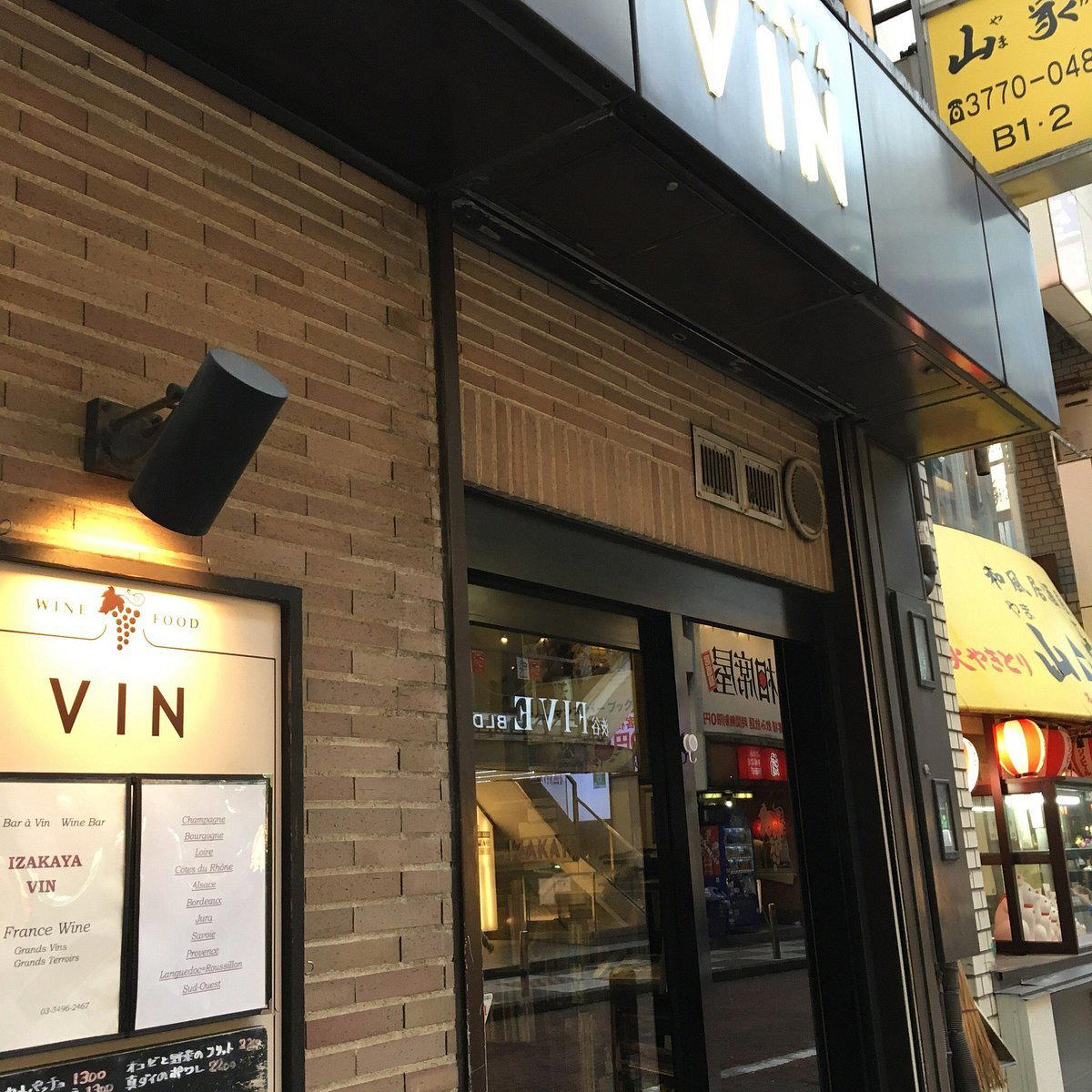
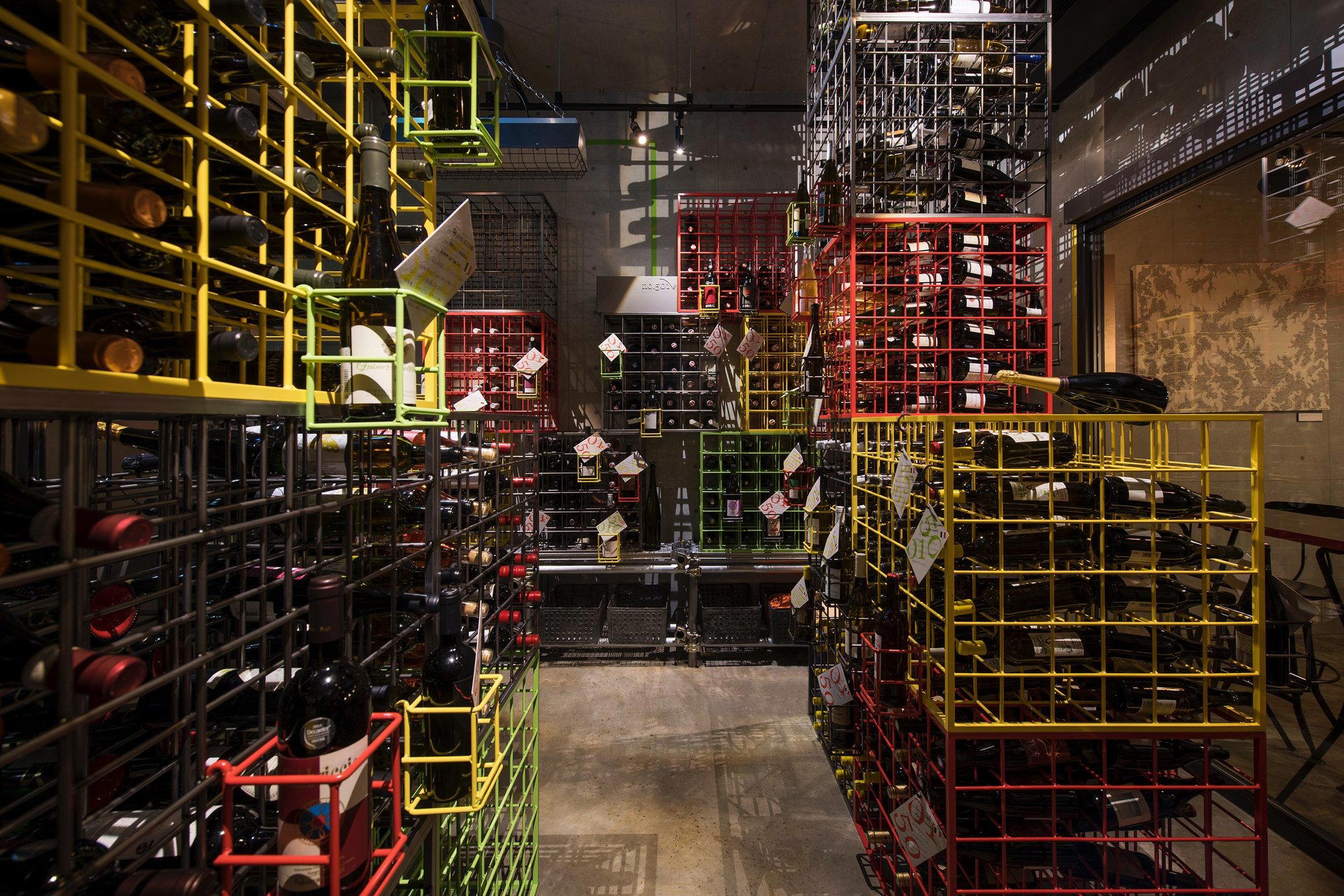
Bars in Hachioji
Browse all →

Hotels in Hachioji
Browse all →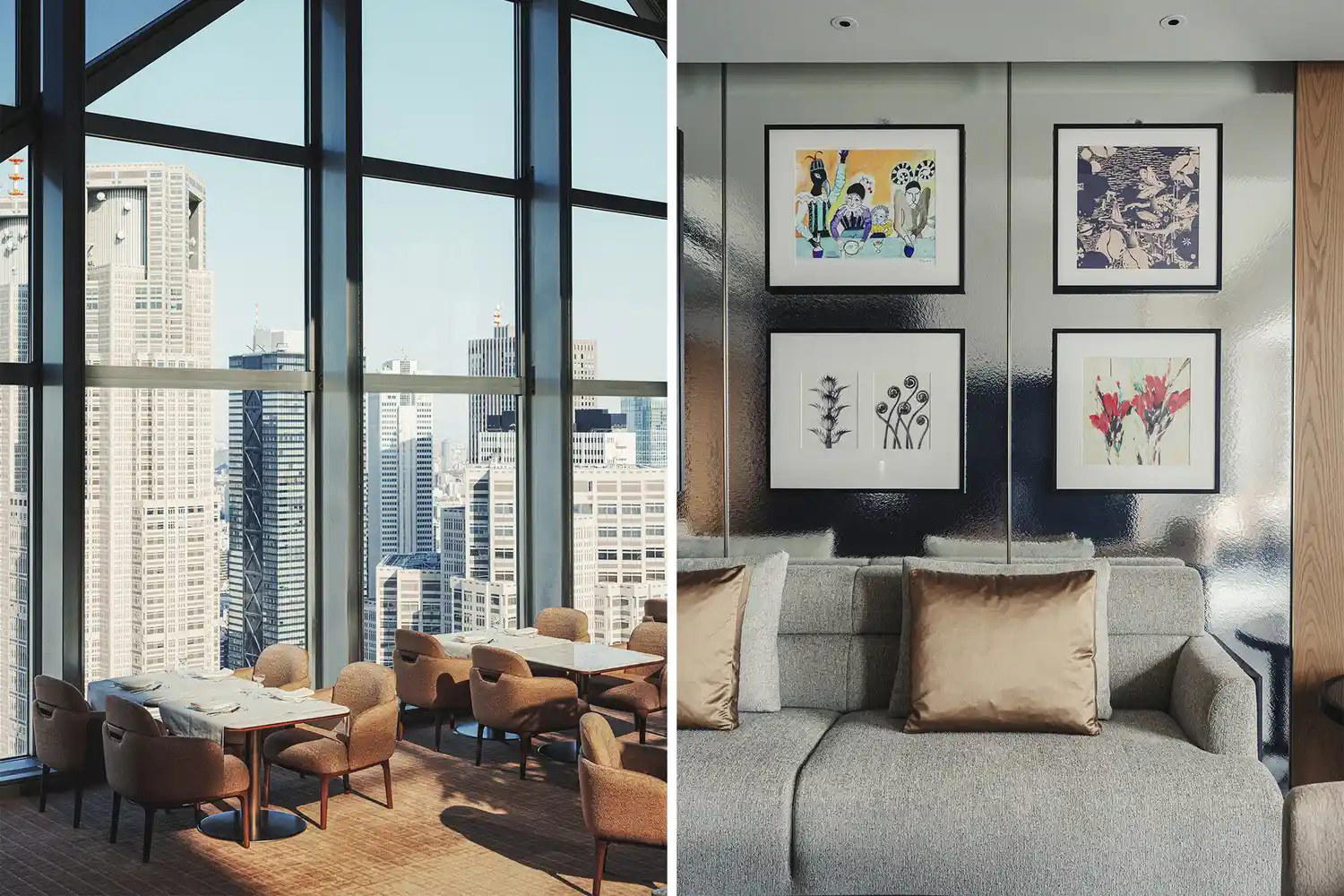
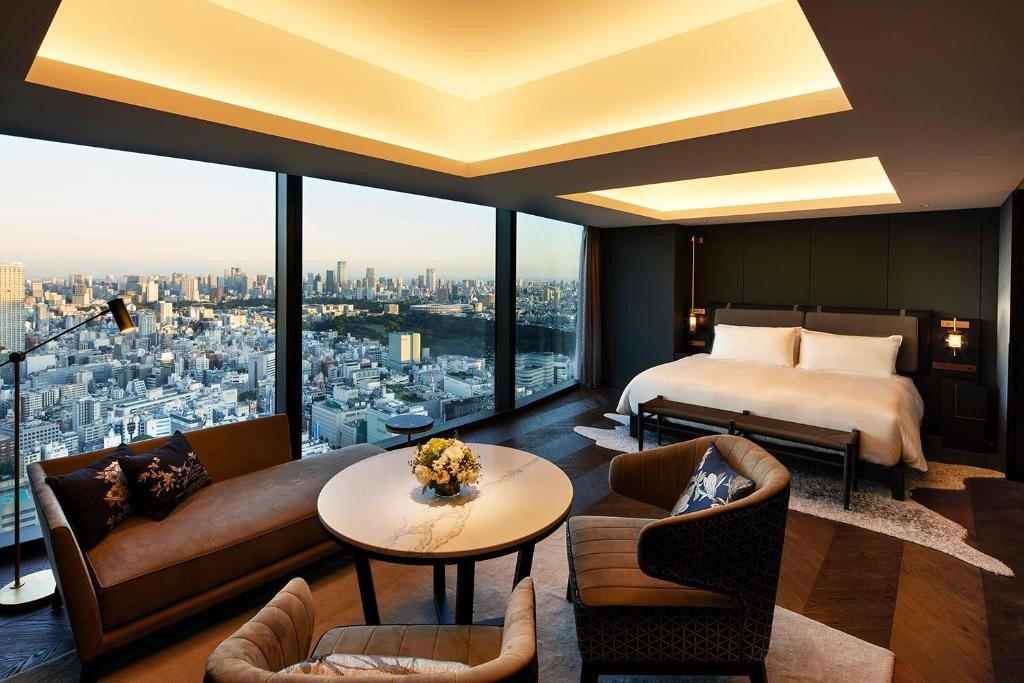



Wineries in Hachioji
Browse all →
Details
- Elegant
- Sophisticated
- Scenic
- Special Occasion
- Celebration
- Date Night
- Open Kitchen
- Private Dining
- Sake Program
- Garden
- A La Carte
Current opening hours
- Monday
- Closed
- Tuesday
- 11:30 AM–4 PM, 5–9:30 PM
- Wednesday
- Closed
- Thursday
- 11:30 AM–1:30 PM, 5–7:30 PM
- Friday
- 11:30 AM–1:30 PM, 5–7:30 PM
- Saturday
- 11:30 AM–2 PM, 5–7:30 PM
- Sunday
- 11:30 AM–2 PM, 5–7:30 PM
Hours can change for holidays and private events. Hours as of .
Elegant and sophisticated atmosphere blending Japanese and Western styles, with beautiful views of greenery, creating a sense of luxury and tranquility.