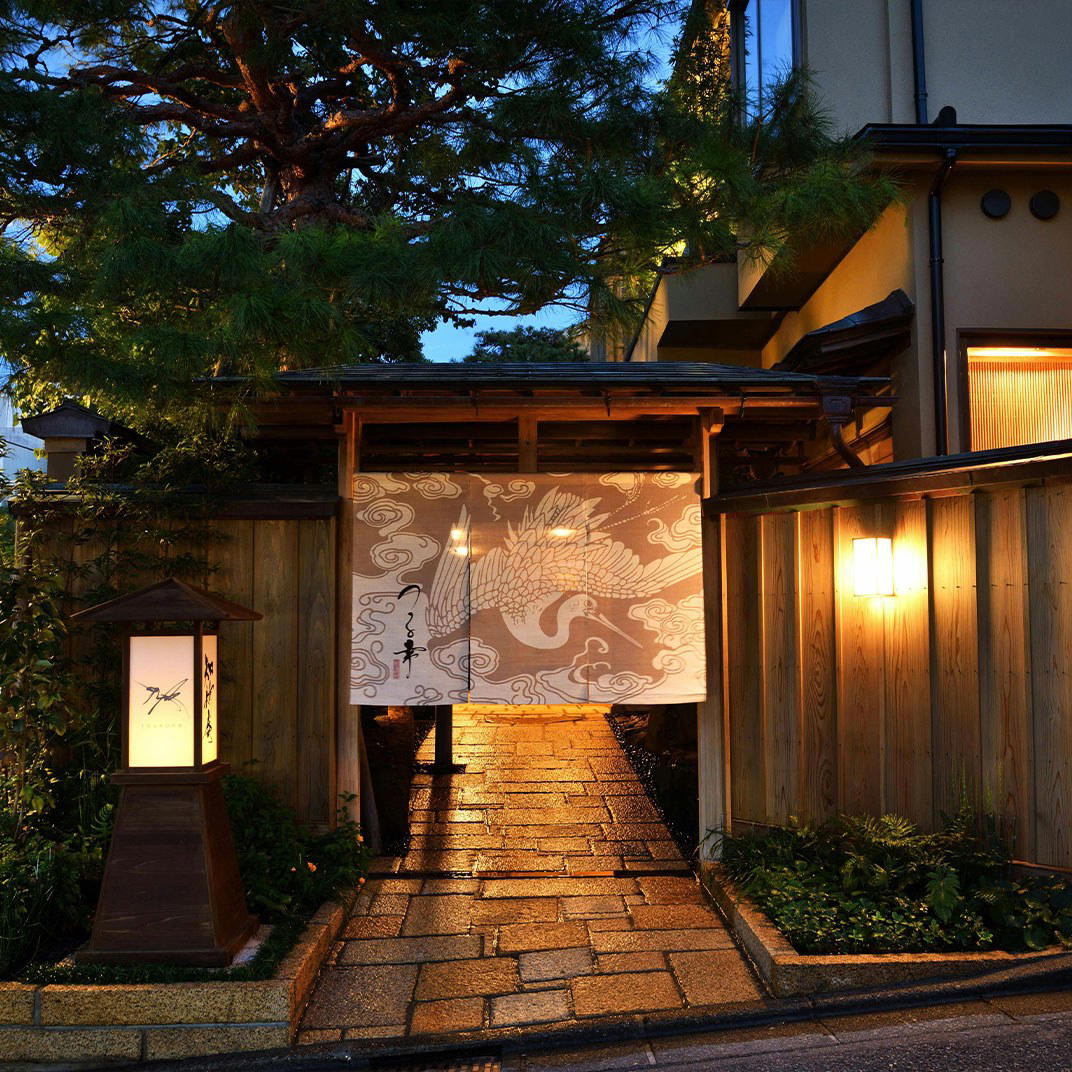
Sushi Dokoro Mekumi is a sushi counter in Kanazawa, the Hokuriku coast city whose access to the Sea of Japan gives its fish markets a different rhythm than Tokyo or Osaka. The counter format places the meal squarely within the omakase tradition, where pacing, sequence, and the chef-guest exchange define the experience as much as the fish itself.

Pearl is the En Primeur Club membership app — saves, bookings, and concierge access live there. Same editors, same standards.
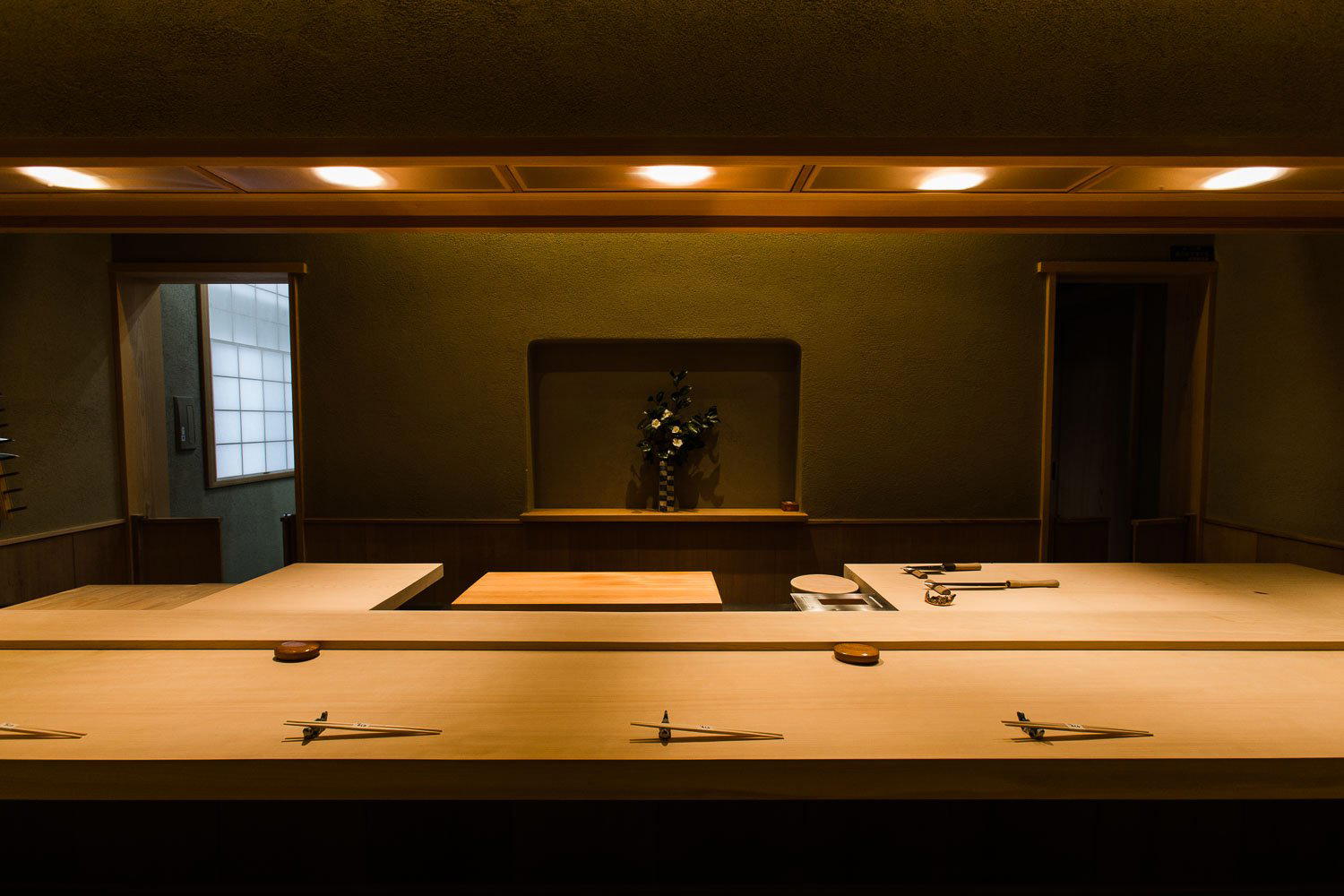
A Counter in a City That Takes Fish Seriously
Kanazawa's relationship with seafood is structural, not incidental. The city sits close enough to the Sea of Japan that its Omicho market receives daily landings of species the Pacific-facing coasts see only in smaller quantities: buri from the Noto Peninsula, nodoguro, crab through the winter months, and white shrimp harvested from the deep waters off Toyama Bay. That supply chain has supported a concentration of serious fish-led restaurants in a city of fewer than half a million people, a density that makes Kanazawa worth examining as a dining destination independent of its more photographed attractions. Sushi Dokoro Mekumi operates within this context, at a counter where the surrounding ingredient culture does significant work before a single piece of fish is cut.
The Ritual of the Counter
The omakase format used at counters like Mekumi carries specific expectations around pacing and sequence that differ from almost every other restaurant structure. Guests do not order. The kitchen decides what is ready, what is seasonal, and in what order the progression will unfold. This transfers considerable responsibility to the chef and, in exchange, asks the guest to arrive without a fixed idea of what the meal will contain. It is a format built on trust, and it functions because the leading counters have earned that trust through consistency and sourcing depth.
In the broader Japanese sushi tradition, this ritual has two dominant registers. The first is the fast, standing or high-stool Edomae counter descended from Tokyo's nineteenth-century street food culture, where rice temperature and vinegar profile are calibrated for quick consumption. The second is the slower, more contemplative seated counter associated with cities like Kanazawa and Kyoto, where kaiseki's influence on pacing is felt even when the format is technically sushi. Kanazawa counters have historically absorbed that leisurely register, partly because the local fish requires it: aged or lightly cured preparations, particularly of nodoguro and buri, reward attention rather than speed. For comparison, counters such as Harutaka in Tokyo operate in a sharper, more compressed Edomae register that would feel out of place applied to Hokuriku fish at its peak.
What the Sequence Teaches
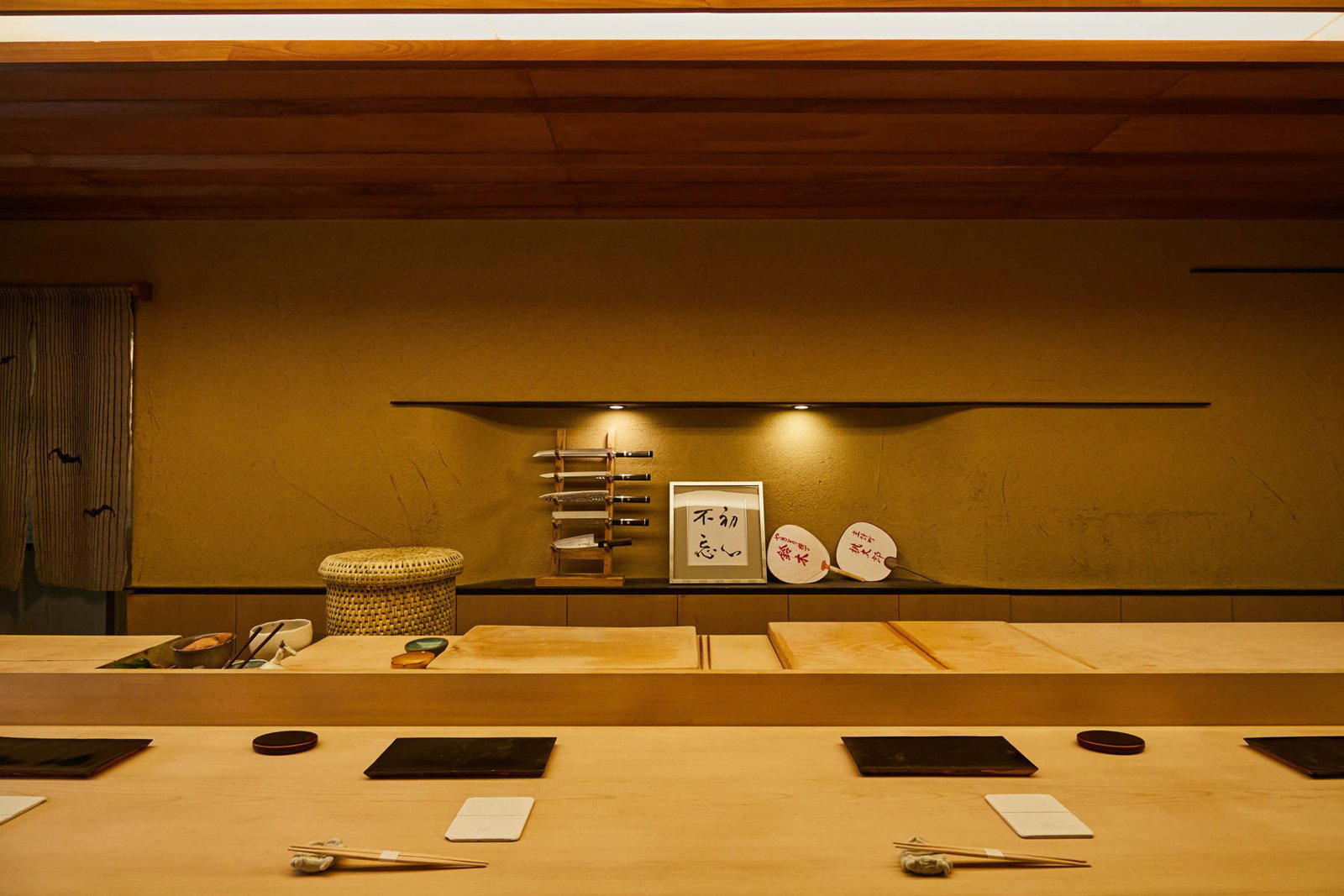
At a well-run omakase counter, the sequence is not arbitrary. The chef composes the progression the way an editor assembles a long-form piece: lighter preparations early to set palate context, richer cuts placed where they will read correctly, the pace adjusted by reading the room. Mekumi's counter format is part of this tradition. The physical arrangement of a counter, where the chef works within arm's reach of every guest, makes the meal communal in a specific way. Conversation is possible but never required. Observation is the default mode. Watching the knife work, the rice handling, and the temperature control is itself part of the experience, which is why serious counter restaurants rarely break that intimacy with loud music or heavy decor.
This format places Mekumi in a different competitive tier than Kanazawa's broader fish restaurant scene. The kaiseki houses, including Dokkan and the established ryotei tradition, offer a multi-course structure that foregrounds seasonal vegetables, dashi work, and ceramics alongside protein. The sushi counter compresses that seasonal awareness into a single ingredient category, and the discipline required to make that work at a high level is its own form of restraint. For reference, Gion Sasaki in Kyoto shows what happens when a kitchen makes that seasonal concentration its entire structural argument and is recognized accordingly.
Kanazawa's Fish Counter Scene in Context
Japan's mid-tier and regional cities have developed meaningful sushi counter cultures that operate with different sourcing logic than the Ginza or Azabu counters that attract most international attention. In Kanazawa, the proximity to Omicho market means a counter chef can respond to the morning catch with genuine flexibility, rather than working from pre-arranged deliveries. This is a structural advantage that the city's leading counters exploit, and it produces menus that shift more meaningfully by week than in cities where supply chains are longer. Regional sushi culture in cities like Fukuoka, represented at the higher end by spots adjacent to Goh, and in Nara by restaurants such as akordu, shows how Japan's non-metropolitan dining scenes have matured into serious destinations rather than footnotes to Tokyo. Kanazawa belongs to that grouping, with fish as its primary credential.
The city also supports a range of non-sushi options that illuminate how ingredient-led the overall food culture is. Amanatto Kawamura represents the traditional confectionery side of Kanazawa's food heritage, while Budoonomori Les Tonnelles shows the French-Japanese cross-current that runs through many of Japan's secondary cities. Even a direct option like Go! Go! Curry, originally founded in Kanazawa, speaks to how deeply food identity runs in the city. Gold-leaf craft at Hakuichi extends that local material culture into a different register entirely. None of these venues compete with Mekumi's format, but they illustrate why Kanazawa rewards the kind of visitor who treats eating as a way of reading a place.
Regional comparisons closer to the Hokuriku region can be found at 一本木 佳山制 in Nanao and 湖邻庵 in Takashima, both of which operate in the same Sea of Japan ingredient zone. Further afield, 古代山乃 in Sapporo and 庄羽屋 in Nishikawa Machi offer additional data points on how Japan's northern fish cultures approach counter dining. For yakitori contrast within Kanazawa's broader scene, Birdland in Sakai and Le Bernardin in New York City represent the range of fish-serious cooking in different formats and markets.Price and Positioning
Comparable venues nearby, for context on price, style, and recognition.
| Venue | Cuisine | Price | Notes |
|---|---|---|---|
| Sushi Dokoro MekumiThis venue — the venue you are viewing | Nonoichi, Traditional Japanese Omakase | $$$$ | Not listed |
| 蕎味 櫂 | Kanazawa, Kappo-Style Kaiseki | $$$$ | Not listed |
| Teppanyaki 「Icho」 | Kanazawa, Teppanyaki | $$$$ | Not listed |
| 金茶寮本店 | Kanazawa, Traditional Kaga Kaiseki | $$$$ | Not listed |
| 鮨 八や | Kanazawa, Seasonal Omakase Sushi | $$$$ | Not listed |
| Tempura Koizumi | Not listed | $$$$ | Kanazawa, Michelin-Starred Tempura Omakase |
Continue exploring
More in Kanazawa
Restaurants in Kanazawa
Browse all →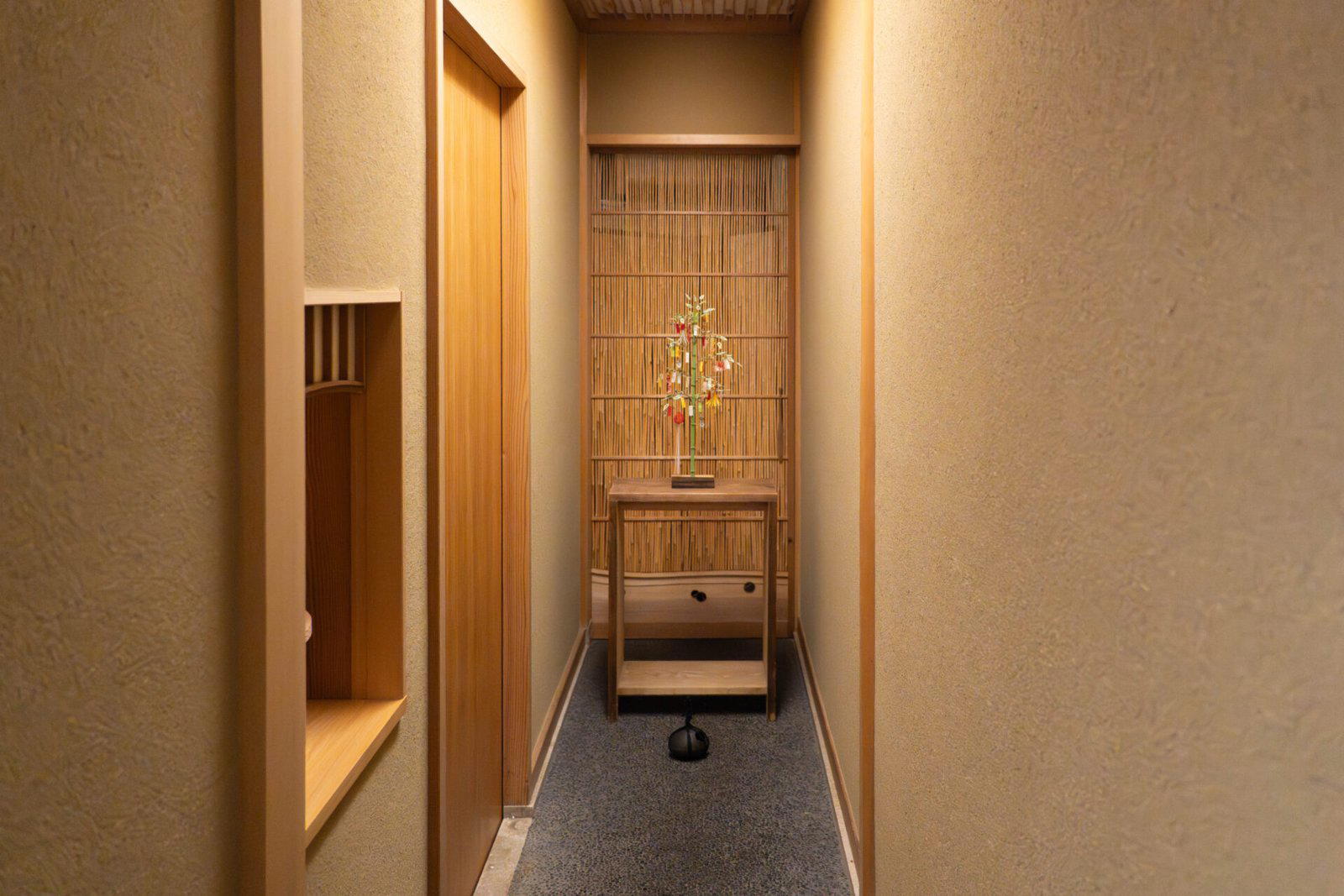
At a Glance
- Intimate
- Elegant
- Sophisticated
- Special Occasion
- Chefs Counter
- Sake Program
- Local Sourcing
- Sustainable Seafood
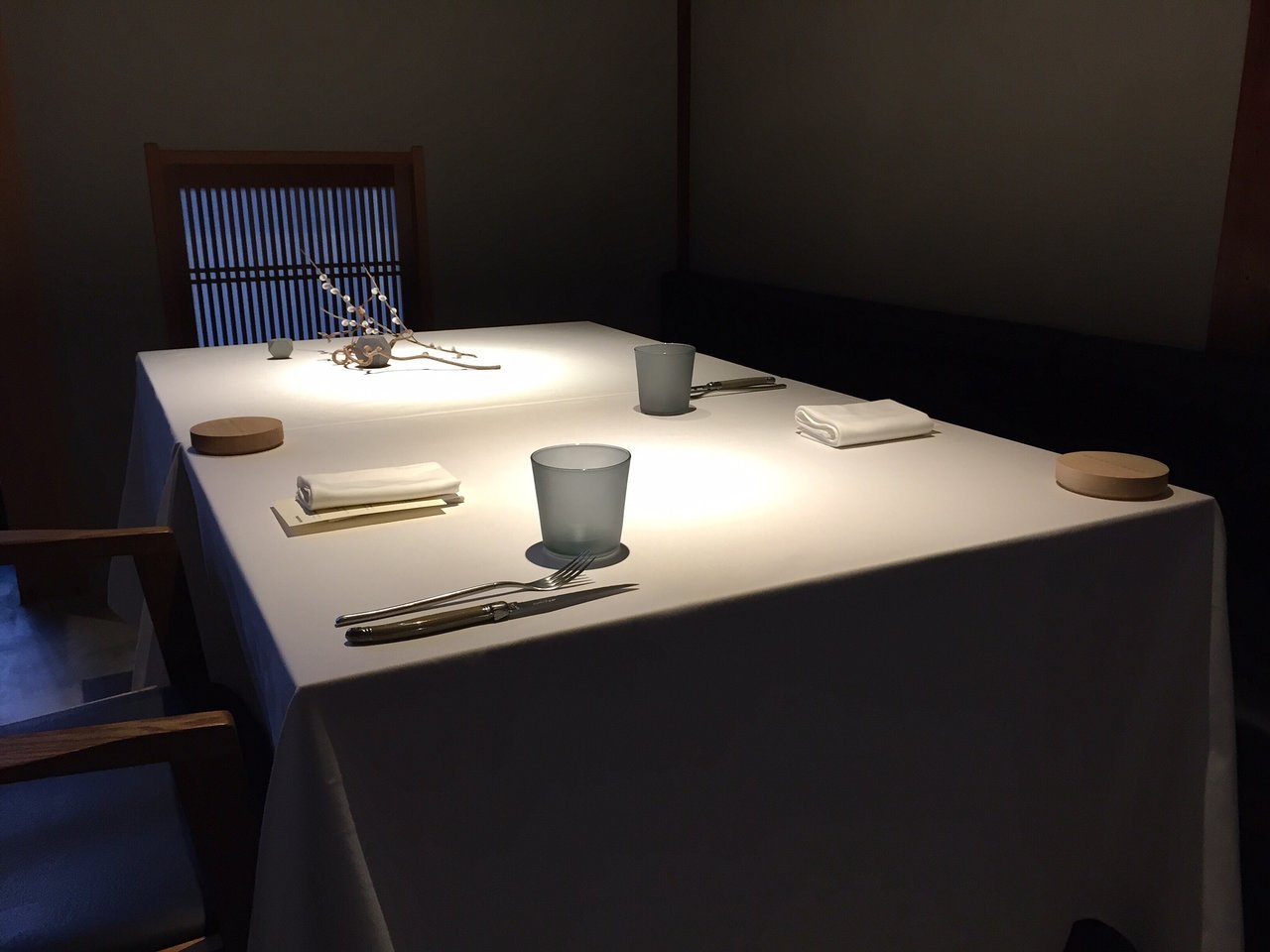
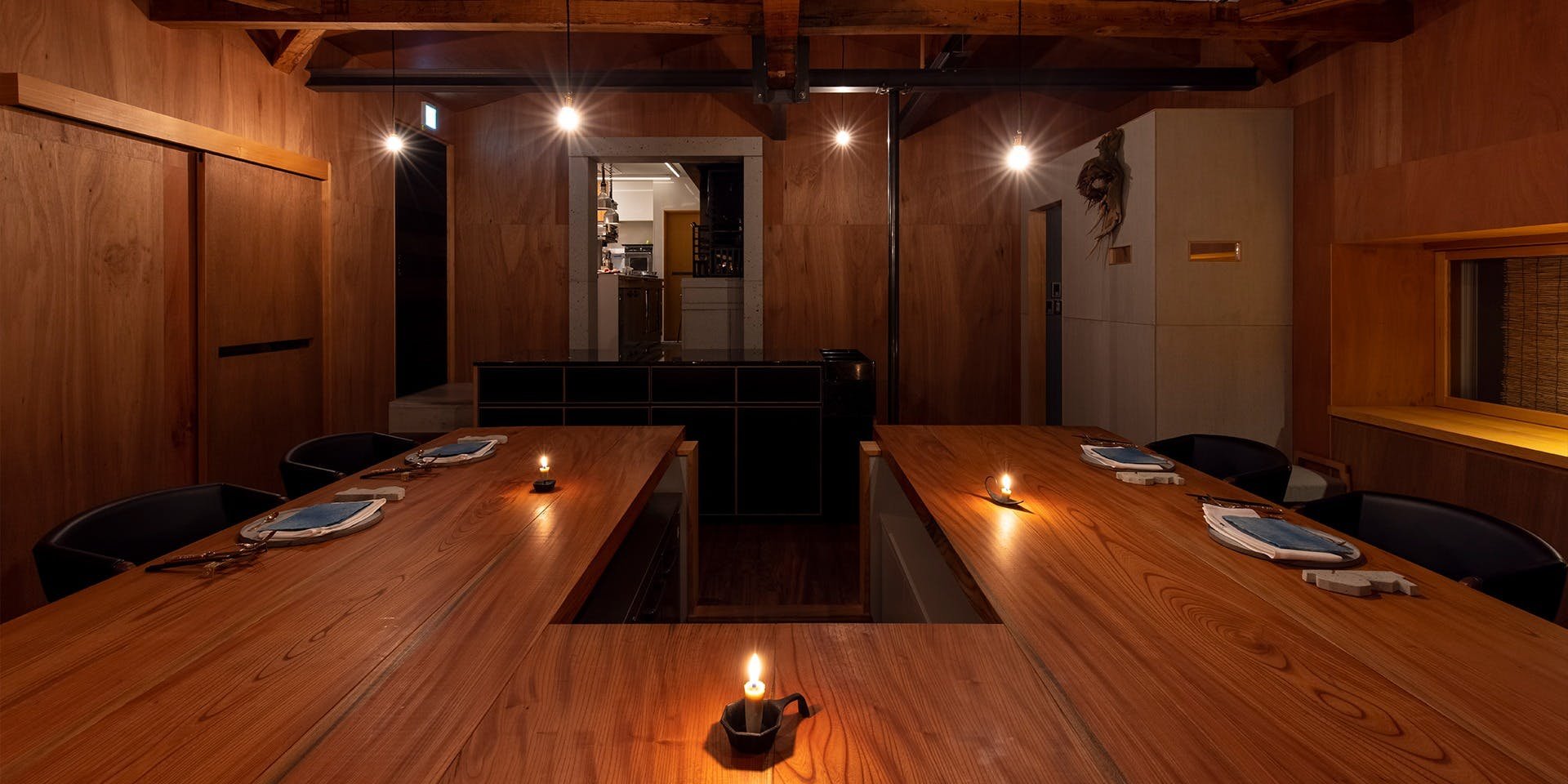
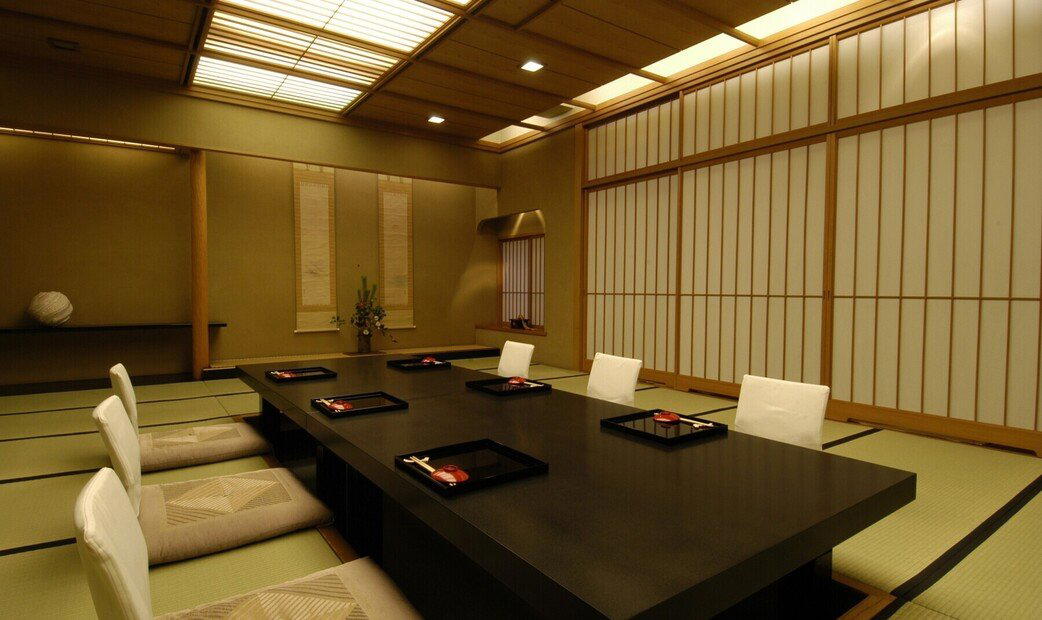
Intimate 8-seat sushi counter with a focused, passionate atmosphere centered on the chef's craft.