鮨おさむ sits in Fukuoka's Minami Ward, a residential remove from the central sushi circuit that suits its format. Fukuoka's sushi scene operates at a distinct register from Tokyo's omakase tier, tighter travel distances to Genkai Sea sourcing, lower average price points, and a preference for counter dining with minimal ceremony. This address fits that local tradition.
Pearl is the En Primeur Club membership app — saves, bookings, and concierge access live there. Same editors, same standards.
- Address
- 南区長住5-16-10, 福岡市, 福岡県, 811-1362
 Saves & bookings on Pearl
A Residential Counter in Fukuoka's Southern Margin
Fukuoka's sushi counters don't congregate in one district the way Ginza or Kitashinchi concentrate their upper-tier seats. The city's leading omakase rooms are distributed across neighbourhoods that have little in common beyond the quality of what's served inside, a pattern that tells you something about how dining culture here works. In this city, reputation travels by word of mouth across ward boundaries rather than by proximity to a luxury retail strip. 鮨おさむ, at an address in Minami Ward's Chojyu district, fits that pattern precisely: a residential setting, some distance from the Tenjin and Hakata hotel corridors that capture most visiting diners, and a format shaped around regulars who make the trip deliberately.
The Minami Ward location places the restaurant south of the Naka River, in a part of the city that functions as a densely populated commuter zone rather than a dining destination in any conventional sense. That geographical remove is not incidental. Counters that open in neighbourhoods like this one are not competing for passing trade from tourists or business travelers. They are, by positioning alone, signaling that their audience already knows where they're going. For the reader planning a visit, that means booking through local channels and arriving with some preparation.
Fukuoka Sushi in Its Regional Context
To understand where 鮨おさむ sits, it helps to map the broader sushi scene it belongs to. Fukuoka's counters operate with access to sourcing that Tokyo's upper-tier rooms would pay significantly more to replicate. The Genkai Sea, immediately to the north, delivers gourmet fish, notably ike-jime-handled bream, horse mackerel, and seasonal white fish, with a short supply chain that keeps quality high and allows smaller operations to work at price points that would be structurally impossible in a city where wholesale market logistics add days and cost. That proximity to the sea is a structural advantage that Fukuoka sushi counters share as a category, not a differentiator for any single address.
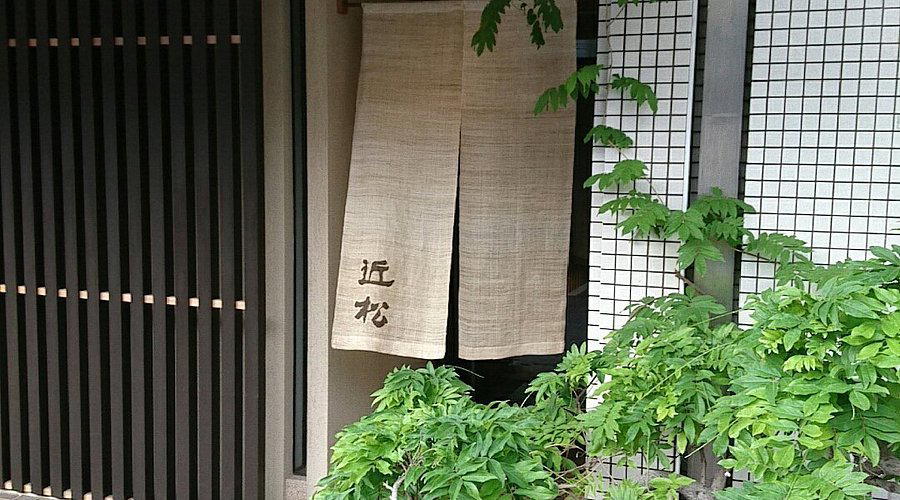
What does differentiate individual rooms in this city is format and register. Fukuoka sushi has a more direct, less ceremonially weighted character than the refined theatre of Kyoto kaiseki-adjacent omakase or the high-tension precision of Tokyo's elite counter tier. Venues like Chikamatsu (Sushi) hold a specific position in the local hierarchy, and the way rooms like these operate, counter seating, chef-driven pacing, minimal front-of-house formality, reflects a regional preference for directness over occasion-dressing. The comparison with peer counters in other Japanese cities is instructive: whereas Harutaka in Tokyo operates at a price point and booking difficulty that reflects demand from a global audience, and Gion Sasaki in Kyoto layers seasonal kaiseki tradition over its sushi offering, Fukuoka's counters tend to stay closer to the fish itself.
The Question of the Wine List in a Sushi Context
Sushi counters across Japan have split into two distinct camps on the question of beverage service. The traditional omakase model pairs each course with sake selected by the chef or a designated server, with the rice vinegar and fat content of nigiri acting as the primary calibration point. A smaller but growing number of counters, particularly those serving younger clientele or operating in cities with a more cosmopolitan dining culture, have begun integrating serious wine lists alongside or in place of sake programs.
Fukuoka sits at an interesting point in this shift. The city has a cosmopolitan bar and restaurant scene, evidenced by the ambition of places like Goh (French) and Bekk, but its sushi counters have generally maintained sake primacy. The logic is well-grounded: the umami-forward, acid-sensitive flavour profile of fresh nigiri, particularly the leaner white fish and shellfish that dominate Genkai Sea sourcing, aligns more naturally with the amino acid structure of a well-aged junmai daiginjo than with European white wine, however skilled the pairing. At counters where sake is curated with the same seriousness that a European sommelier brings to cellar depth, the list becomes its own form of editorial statement about the chef's sourcing relationships and regional allegiances. The breweries a counter supports and the vintages it holds tell you as much about its philosophy as the fish selection does. For context on how beverage curation works at the high end of Japanese fine dining, HAJIME in Osaka and akordu in Nara both represent approaches to pairing that extend beyond conventional wine-first thinking.
Whether 鮨おさむ operates a curated sake program, a wine list, or a simpler selection aligned with its neighbourhood format is a question leading directed to the venue at the time of booking. Residential counters at this address level in Fukuoka sometimes keep beverage service deliberately minimal to preserve focus on the fish, a choice that reflects restraint rather than limitation.
Placing the Visit
Minami Ward is accessible from central Fukuoka via the Nanakuma subway line, with Chojyu station providing one direct approach to the area. For visitors staying near Hakata or Tenjin, the journey adds a meaningful transit step that diners should factor into their evening planning. Other Fukuoka addresses worth sequencing around a visit here include Asago and Beef Taigen (Beef泰元), each of which operates in a different culinary register and suits different points in a multi-day Fukuoka itinerary.
Autumn and early winter bring richer fish to the Genkai Sea market, especially yellowtail and amberjack. That timing also corresponds with reduced tourist pressure relative to the summer festival season, making it the period when booking windows at smaller neighbourhood counters are most worth targeting.
For readers building a picture of Japan's sushi geography beyond the major metropolitan concentrations, other regional counters worth noting include 一本杉 川島酒造 in Nanao and operations in cities like Sapporo, where 夕凪山乃 in Sapporo represents a different regional sourcing tradition. The range across Japan's non-Tokyo sushi scene is considerable, and Fukuoka sits at a specific point within it, close to the sea, direct in its approach, and largely uninterested in the performance architecture that defines the capital's top tier.
Similar Picks
Comparable venues nearby, for context on price, style, and recognition.
| Venue | Cuisine | Price | Notes |
|---|---|---|---|
| 鮨おさむThis venue — the venue you are viewing | Hakata-style Omakase Sushi | $$$$ | Not listed |
| Yorozu | Modern Japanese Tea House & Bar | $$$$ | Chūō |
| 茶懐石 中伴 | Kappo Kaiseki | $$$$ | Chūō |
| Tatsu Sho | Sushi Omakase | $$$ | Chūō |
| Shin-shin Nishinakasu shop | Traditional Japanese Izakaya | $$$ | Chūō |
| Aji Dokoro Taro Gen Sougyou ten | Seafood Kaiseki | $$$ | Hakata |
At a Glance
- Intimate
- Elegant
- Cozy
- Date Night
- Special Occasion
- Solo
- Chefs Counter
- Sake Program
- Local Sourcing
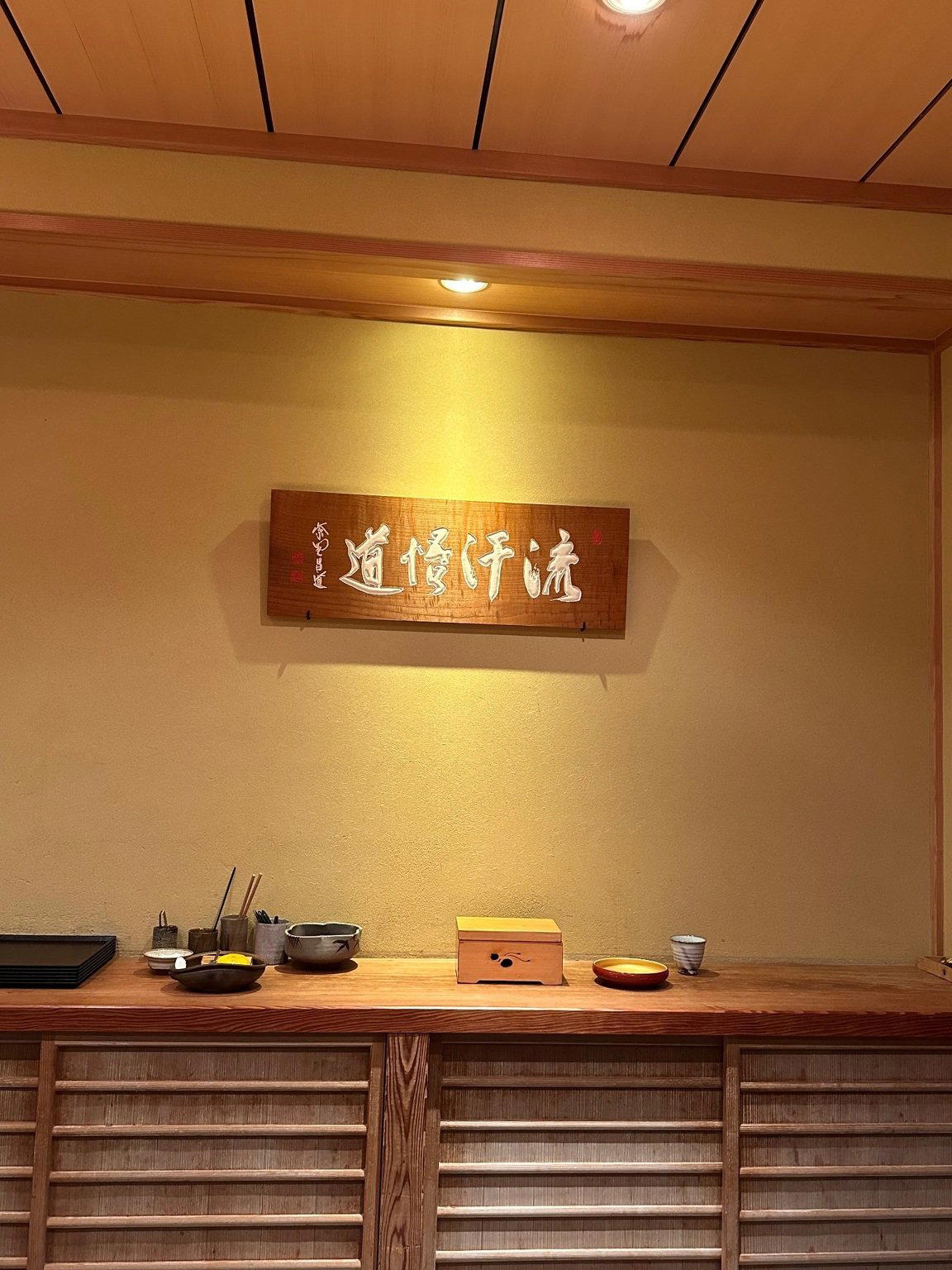
Intimate counter-only setting feeling like dining in the chef's home with warm, welcoming hospitality.