The distillery occupies a distinct position among Japan's craft whisky producers, drawing on the cool highland climate and pure local water to shape its character.

Pearl is the En Primeur Club membership app — saves, bookings, and concierge access live there. Same editors, same standards.
- Address
- Chichibu, Saitama
- Phone
- +81-494-62-4601
- Website
- N/A
- Directions
- Get directions
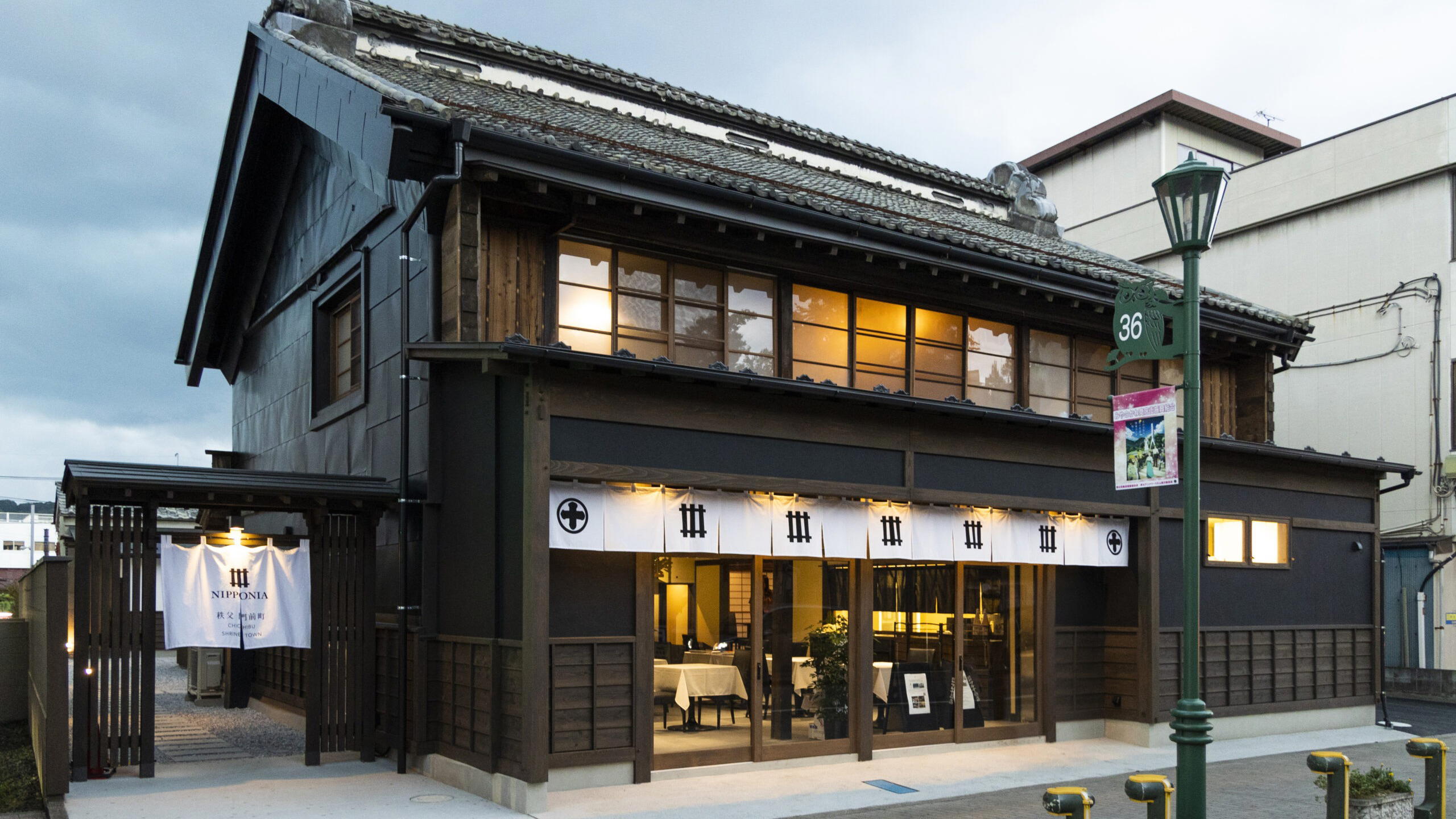
Mountain Air and Maturation: How Chichibu's Environment Shapes Its Spirit
The Chichibu Basin sits roughly 70 kilometres northwest of central Tokyo, enclosed by the Okuchichibu mountain range on three sides. At that elevation and remove from the coastal humidity that defines much of the Kanto plain, temperatures swing considerably between seasons. That thermal variation is not incidental to what ends up in the glass. In whisky production, temperature cycling drives spirit in and out of cask wood, accelerating extraction of flavour compounds. Distilleries operating in mountain climates have long understood that the same maturation period can yield a denser, more extracted spirit than equivalent time spent at sea level or in warmer, more stable lowland conditions.
Japan's small-batch whisky sector has grown considerably in the past two decades, but the geography of that growth has been uneven. Most of the country's historically significant sites, from the cedar forests around Yamazaki (Suntory) in Shimamoto to the northern maritime cold of Yoichi (Nikka) in Yoichi, made deliberate choices about terroir decades before the term entered common usage in discussions of spirits. Chichibu represents a more recent entry into that conversation, but one that has moved quickly through recognition tiers.
What Terroir Means for a Whisky Distillery
The language of terroir was developed in wine, where it describes the combined influence of soil, climate, aspect, and microclimate on a finished product. Applied to whisky, the concept requires some translation. Grain character, water mineralogy, ambient yeast populations, warehouse temperature, and even the humidity that affects evaporation rates during maturation all play roles analogous to what soil and aspect do for a vineyard. The Chichibu area draws water from the Arakawa River system, fed by snowmelt and rainfall filtered through the surrounding mountains. That water profile contributes to fermentation character and to the spirit as it enters cask.
The parallels extend further when considering how Japanese whisky producers have historically referenced Scotch tradition. Miyagikyo (Nikka) in Sendai was chosen for its site partly on the basis of soft river water, and Fuji Gotemba Distillery in Gotemba operates at the base of Mount Fuji with some of the most mineral-rich snowmelt water available to any Japanese distiller. Each of these operations treats geography as a primary input. Chichibu's position in Saitama Prefecture, away from the major urban manufacturing corridors, allows it to operate with the kind of microclimate consistency that larger, more industrial operations cannot replicate at scale.
Placing Chichibu in Japan's Current Whisky Tier
Within that group, Chichibu sits alongside operations that have built their reputations through small-batch production, careful wood selection, and limited annual release volumes. The allocation model that typically governs access to Chichibu expressions reflects this: releases often sell out quickly through specialist retailers, and secondary market prices for older or experimental casks have risen sharply over the past decade.
This contrasts with the more broadly accessible tier occupied by distilleries such as Eigashima (White Oak) in Akashi, whose longer operating history and larger production base allow for more consistent retail availability. Chichibu operates closer to the collector and connoisseur end of the spectrum, where scarcity and site specificity reinforce each other in setting both price expectations and critical attention. For visitors and readers planning itineraries around Japanese whisky production, understanding this tier distinction matters. A visit to Chichibu is not the same category of experience as touring one of the major production facilities; it is closer to visiting a Burgundy domaine that bottles under 50,000 cases annually than to touring a Bordeaux château with global distribution.
The Distillery as a Destination: What to Expect
Chichibu is accessible from Tokyo, with Seibu Railway services running from Ikebukuro to Seibu-Chichibu Station covering the journey in roughly 80 minutes on the limited express service. The town itself, beyond the distillery, has its own draw. Chichibu Shrine, one of the region's principal Shinto sites, sits near the town centre, and the surrounding mountains support hiking routes that are active year-round. The area is known for its autumn foliage, which peaks in late October and early November, making that period the most visited. Spring visits align with the Chichibu Yomatsuri festival period, one of the region's major annual events.
Visitors approaching the distillery encounter a working production environment rather than a heritage attraction designed around tourism. That is consistent with how newer Japanese craft operations have positioned themselves: access is more purposeful, and engagement with the production process is more technical than theatrical. Those familiar with how smaller Scotch distilleries operate, including Aberlour in Aberlour, will recognise the model: a relatively modest footprint, a focus on the craft itself, and a visitor experience that rewards prior knowledge rather than requiring none.
Context Within Japan's Wider Drinks Geography
Japanese whisky does not exist in isolation from the country's other premium drinks traditions. Wine production has expanded significantly in regions including Yamanashi, where 98Wines in Yamanashi operates, and Nagano, home to Château Mercian Mariko Winery in Nagano Prefecture. Both wine and whisky production in Japan share a common logic: site selection based on climate suitability, technical rigour applied to traditional methods, and an audience both domestic and international that has come to associate Japanese provenance with precision. Shochu and awamori distillation, concentrated further south in operations like Kanosuke in Kagoshima, complete a picture of Japanese spirits that is geographically and technically diverse.
Within that broader context, Chichibu's Saitama location places it in an interesting position: close enough to Tokyo to draw serious visitors, far enough into mountain terrain to maintain the environmental conditions that give its output a distinct character. The Shizuoka Distillery in Shizuoka offers a comparable story of a newer operation using site-specific conditions to build a quickly established reputation. Both represent a generation of Japanese whisky making that treats geography as argument rather than background.
Planning Your Visit
For those building a broader Japanese spirits itinerary, Chichibu pairs naturally with a wider exploration of Saitama Prefecture before or after a longer Tokyo stay. The journey from Tokyo is direct by rail, and the town offers accommodation options suitable for an overnight stop that allows time to cover both the distillery and the surrounding area without rushing. Given the allocation constraints on Chichibu releases, purchasing at source, where available through distillery retail, can be more direct than tracking down specific expressions through secondary channels. Our full Chichibu restaurants guide covers the wider town for those extending the visit into a full day or overnight trip.
In Context: Similar Options
Comparable venues nearby, for context on price, style, and recognition.
| Venue | Cuisine | Price | Notes |
|---|---|---|---|
| ChichibuThis venue — the venue you are viewing | Merlot, Muscat Bailey A | Not listed | Not listed |
| Fuji Gotemba Distillery | Winery | Not listed | Gotemba |
| Mars Shinshu Distillery | Yama Sauvignon | Not listed | Miyada Village, Kamiina District |
| Shizuoka | Petit Verdot, Cabernet Sauvignon | $50–100 | Izu City |
| Miyagikyo (Nikka) | malted barley | Not listed | Aoba-ku |
| Eigashima (White Oak) | malted barley | Not listed | Akashi |
Continue exploring
More in Chichibu
Wineries in Chichibu
Browse all →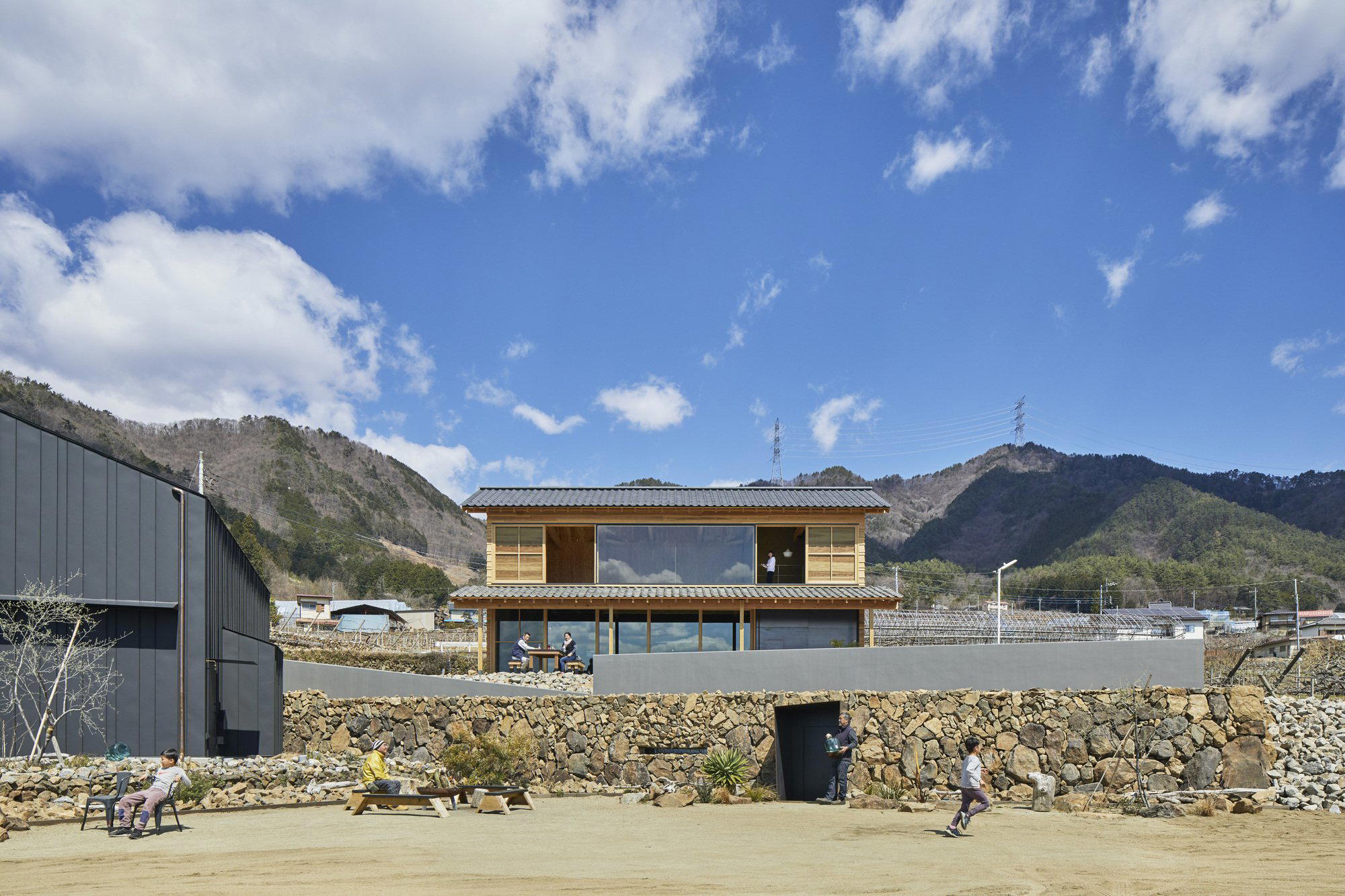

Restaurants in Chichibu
Browse all →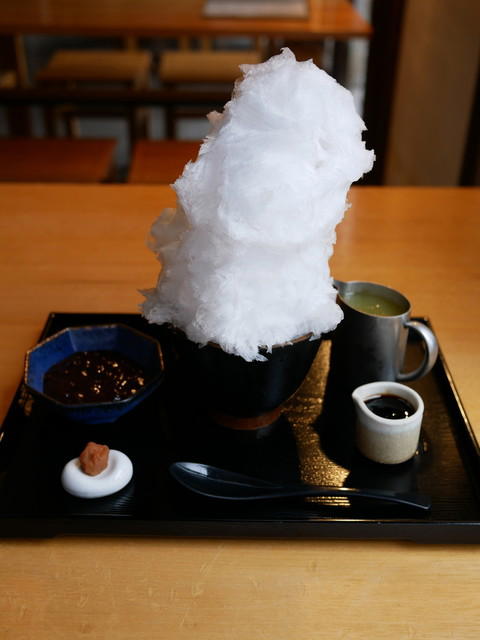
Details
- Scenic
- Rustic
- Classic
- Wine Education
- Group Outing
- Family
- Vineyard Tour
- Estate Grounds
- Terrace
- Panoramic View
- Sustainable
- Vineyard
- Mountain
- Merlot
- Muscat Bailey A
- Chardonnay
- Fuji No Yume
- Chichibuyama Ruby
- Still Red
- Still White
- Still Rosé
- Guided Tasting
- Self Guided Tasting
- Vineyard Tour
- English
- Japanese
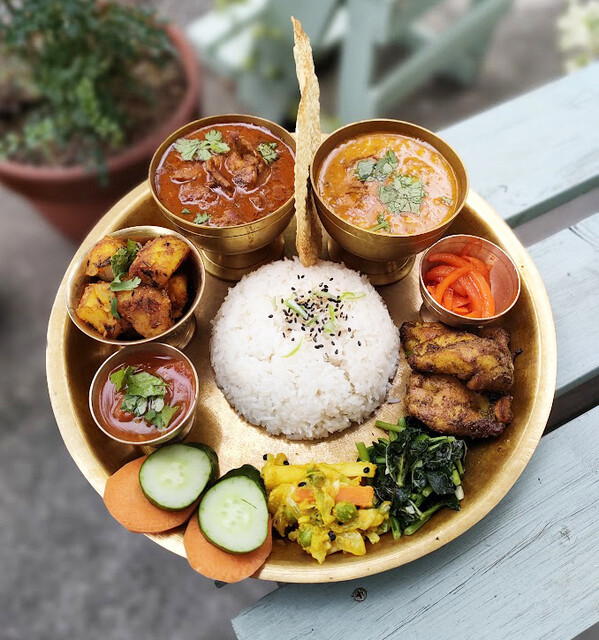
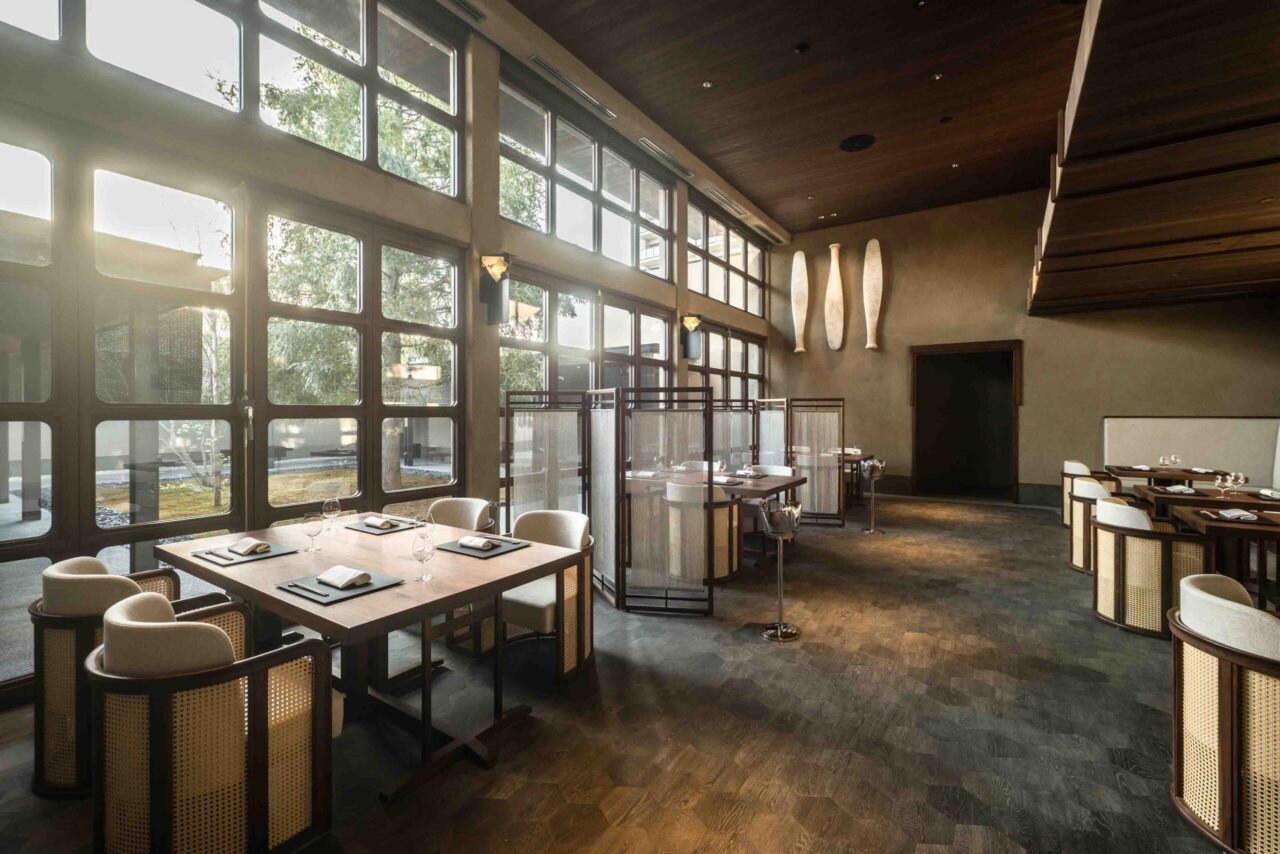
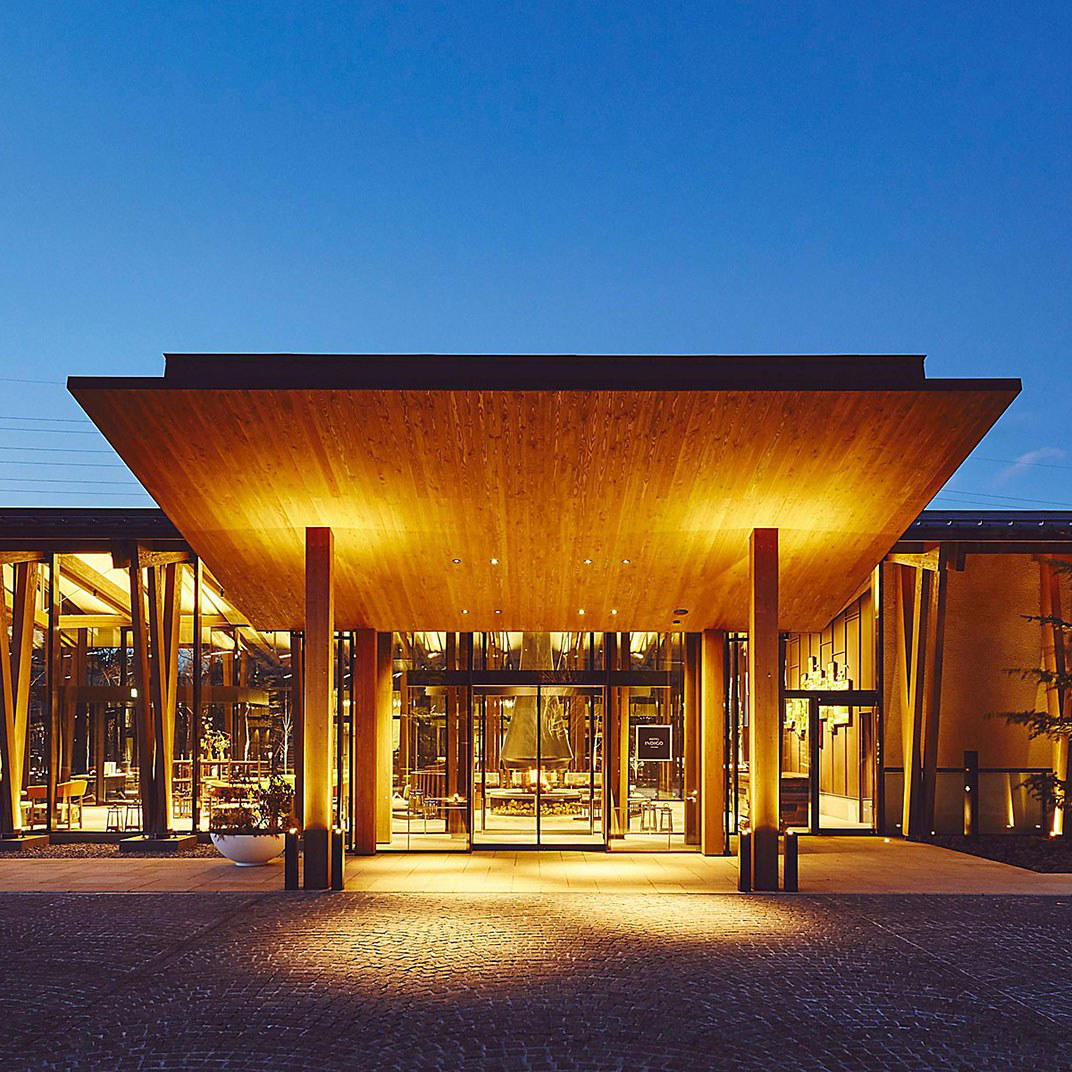
Bright, welcoming atmosphere with natural light from expansive vineyard views; rustic yet modern facility with on-site restaurant featuring local ingredients.