Our verdict
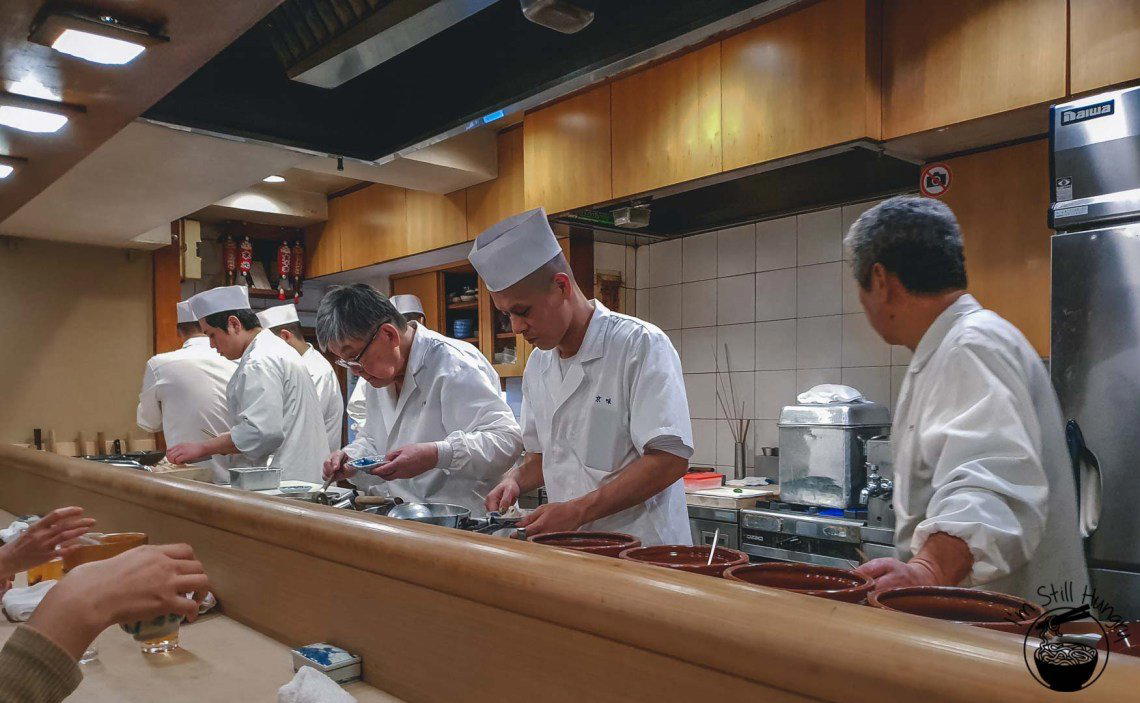
Kyoaji operated for decades out of an unassuming room in Shimbashi, Minato-ku, and that deliberate modesty was central to its identity. Kenichiro Nishi, who trained under his Kyoto-born father before opening the restaurant at age thirty, built a kaiseki house that refused the trappings of prestige: no showy interiors, no media cultivation, and, by all accounts, a conscious distance from Michelin recognition. The cooking was Kansai in its bones — seasonal, ingredient-led, omakase-only — with dishes shaped entirely by what the market offered that week rather than a fixed programme. The kitchen's approach was most legible in preparations like stewed zuiki, the taro stem cooked slowly and finished in a kuzu-thickened broth: a dish that requires patience, precision, and a willingness to foreground an ingredient most restaurants would treat as a garnish. That sensibility ran through everything Kyoaji produced. Omakase pricing reached ¥40,000–¥46,000 per person before drinks, placing it firmly at the tier where guests pay for the chef's judgment rather than a menu they can preview. Tabelog recognised the restaurant with a Gold award in both 2017 and 2018, followed by Silver in 2019 — the platform's peer-reviewed tier system, which draws on a large volume of verified diner scores. Kyoaji is now closed. What it represented, however, remains a useful reference point for understanding Tokyo's upper register of traditional Japanese cooking: a small-capacity room, a single chef's vision applied without compromise, and a price point that reflected scarcity rather than spectacle. For anyone tracing the lineage of Kansai-style kaiseki in Tokyo, Nishi's restaurant belongs in that conversation alongside the handful of houses that shaped how the city came to understand the form.
- Address
- 新橋3-3-5, 港区, 東京都, 105-0004
- Directions
- Get directions
The menu
What to order
- Grilled King Salmon belly on rice
- Matsutake mushroom rice
- Hamo (conger)
- Konowata (salted sea cucumber intestines)
Kyoaji operated for decades out of an unassuming room in Shimbashi, Minato-ku, and that deliberate modesty was central to its identity. Kenichiro Nishi, who trained under his Kyoto-born father before opening the restaurant at age thirty, built a kaiseki house that refused the trappings of prestige: no showy interiors, no media cultivation, and, by all accounts, a conscious distance from Michelin recognition. The cooking was Kansai in its bones — seasonal, ingredient-led, omakase-only — with dishes shaped entirely by what the market offered that week rather than a fixed programme.
The kitchen's approach was most legible in preparations like stewed zuiki, the taro stem cooked slowly and finished in a kuzu-thickened broth: a dish that requires patience, precision, and a willingness to foreground an ingredient most restaurants would treat as a garnish. That sensibility ran through everything Kyoaji produced. Omakase pricing reached ¥40,000–¥46,000 per person before drinks, placing it firmly at the tier where guests pay for the chef's judgment rather than a menu they can preview. Tabelog recognised the restaurant with a Gold award in both 2017 and 2018, followed by Silver in 2019 — the platform's peer-reviewed tier system, which draws on a large volume of verified diner scores.
Kyoaji is now closed. What it represented, however, remains a useful reference point for understanding Tokyo's upper register of traditional Japanese cooking: a small-capacity room, a single chef's vision applied without compromise, and a price point that reflected scarcity rather than spectacle. For anyone tracing the lineage of Kansai-style kaiseki in Tokyo, Nishi's restaurant belongs in that conversation alongside the handful of houses that shaped how the city came to understand the form.
How It Compares
Comparable venues nearby, for context on price, style, and recognition.
| Venue | Cuisine | Price | Awards | Notes |
|---|---|---|---|---|
| Kyoaji (京味)This venue — the venue you are viewing | Traditional Kyoto-Style Kaiseki Omakase | Not listed | Not listed | Not listed |
| Motoyoshi (天ぷら 元吉) | Michelin-Starred Modern Tempura Omakase | $200–300 | Not listed | Ebisu |
| Sushi Saitou Azabudai | High-End Edomae Sushi Omakase | $200–300 | Tabelog 100 #96 | Minato |
| Yotaro | Kansai-Style Tempura | $100–150 | Not listed | Nakano |
| Suiren | Modern Japanese Kaiseki | $200–300 | Not listed | Chiyoda |
| Yugen Tei Nishiazabu honkan | Luxury Yakiniku (Japanese BBQ) | Not listed | Tabelog 100 #37 | Minato |






Details
- Elegant
- Intimate
- Classic
- Well Known
- Special Occasion
- Celebration
- Chefs Counter
- Open Kitchen
- Historic Building
- Local Sourcing
- Omakase
- Counter Dining
- Tasting Menu
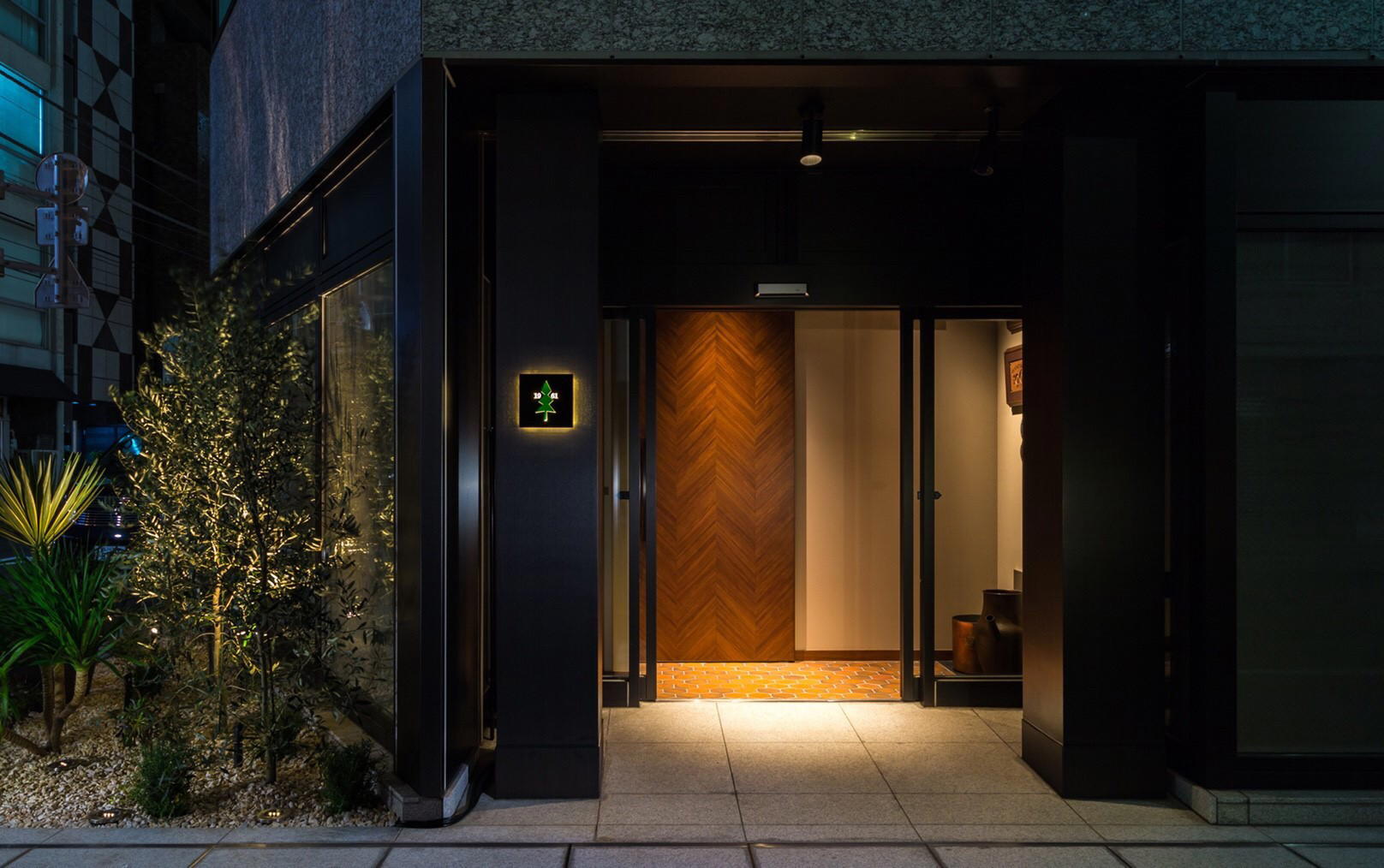
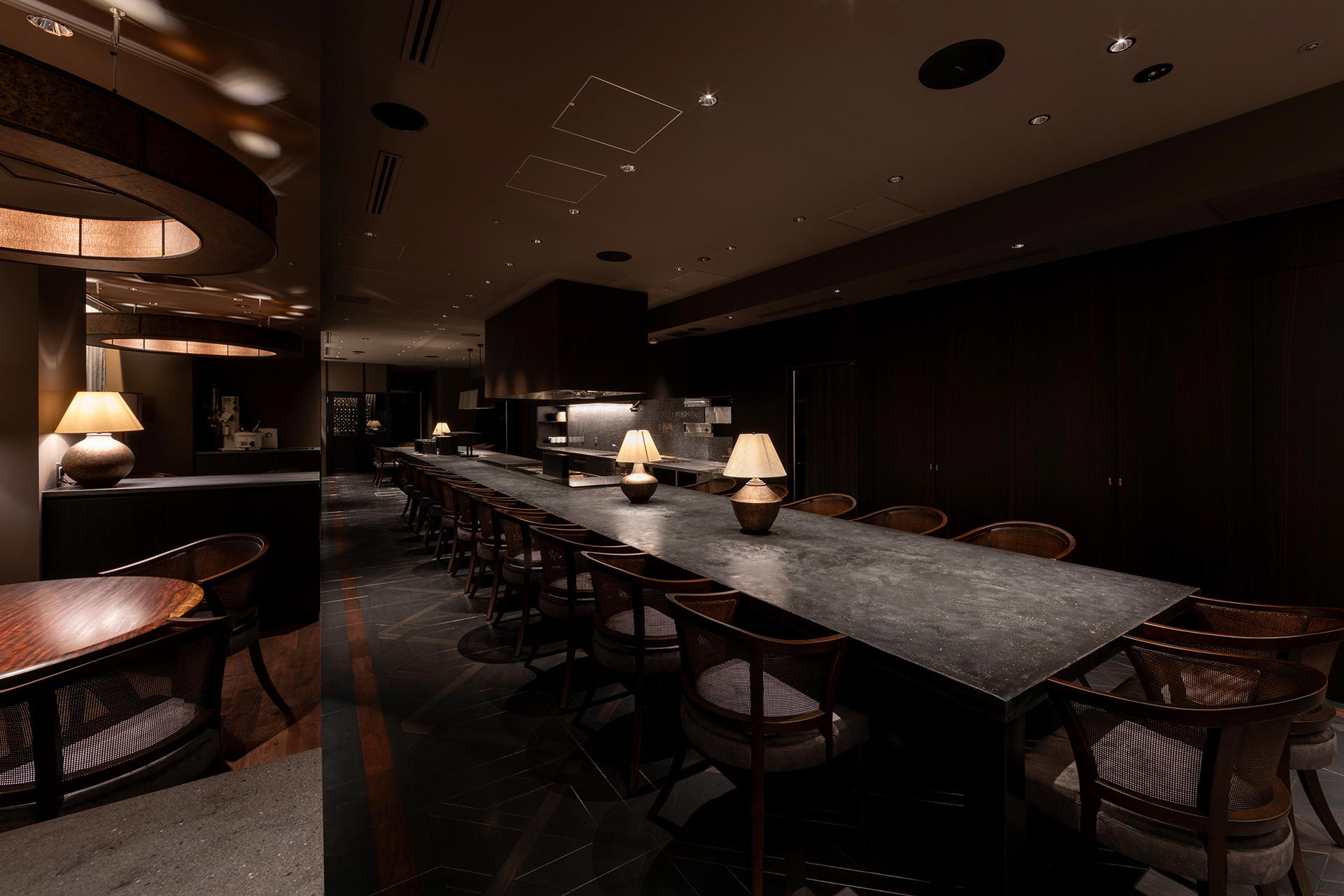
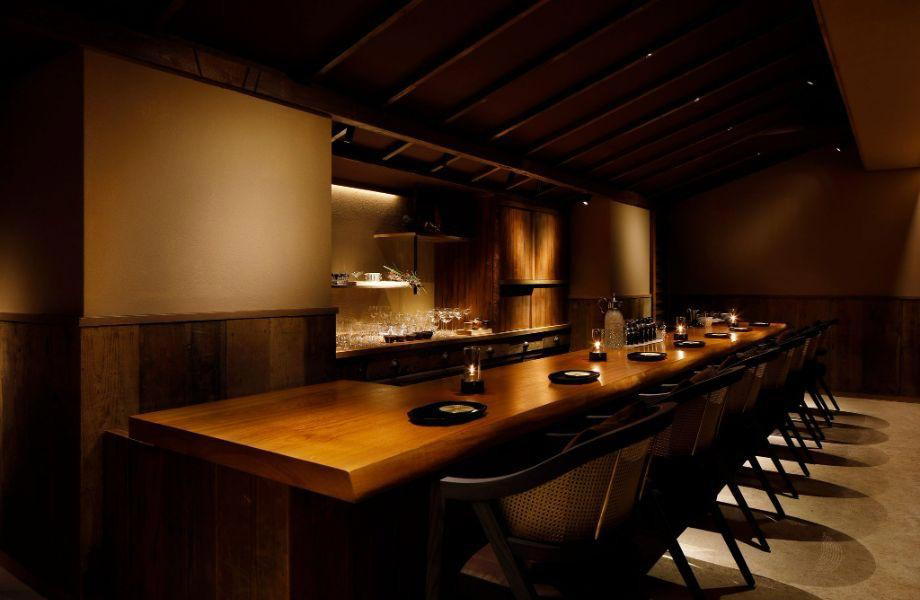
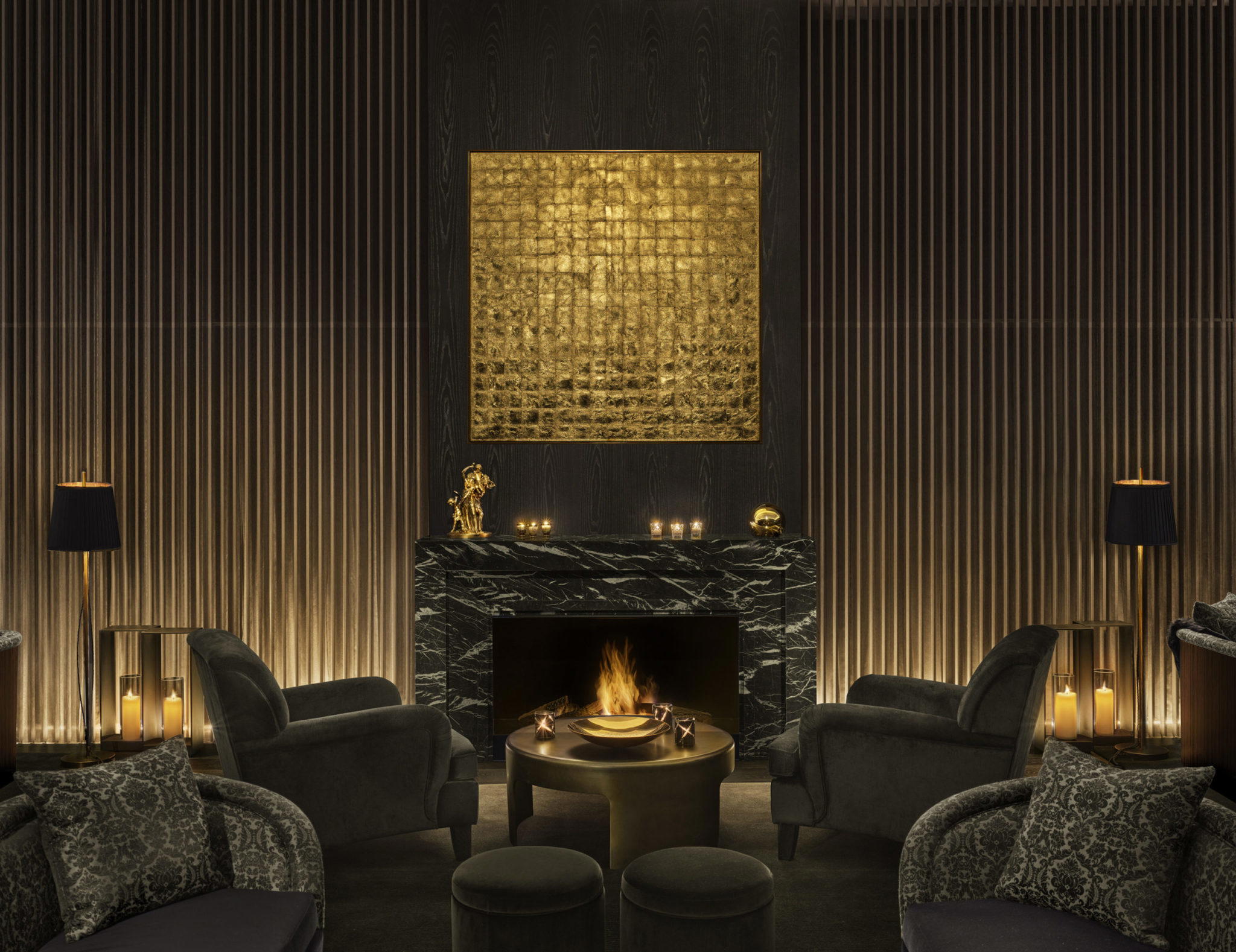
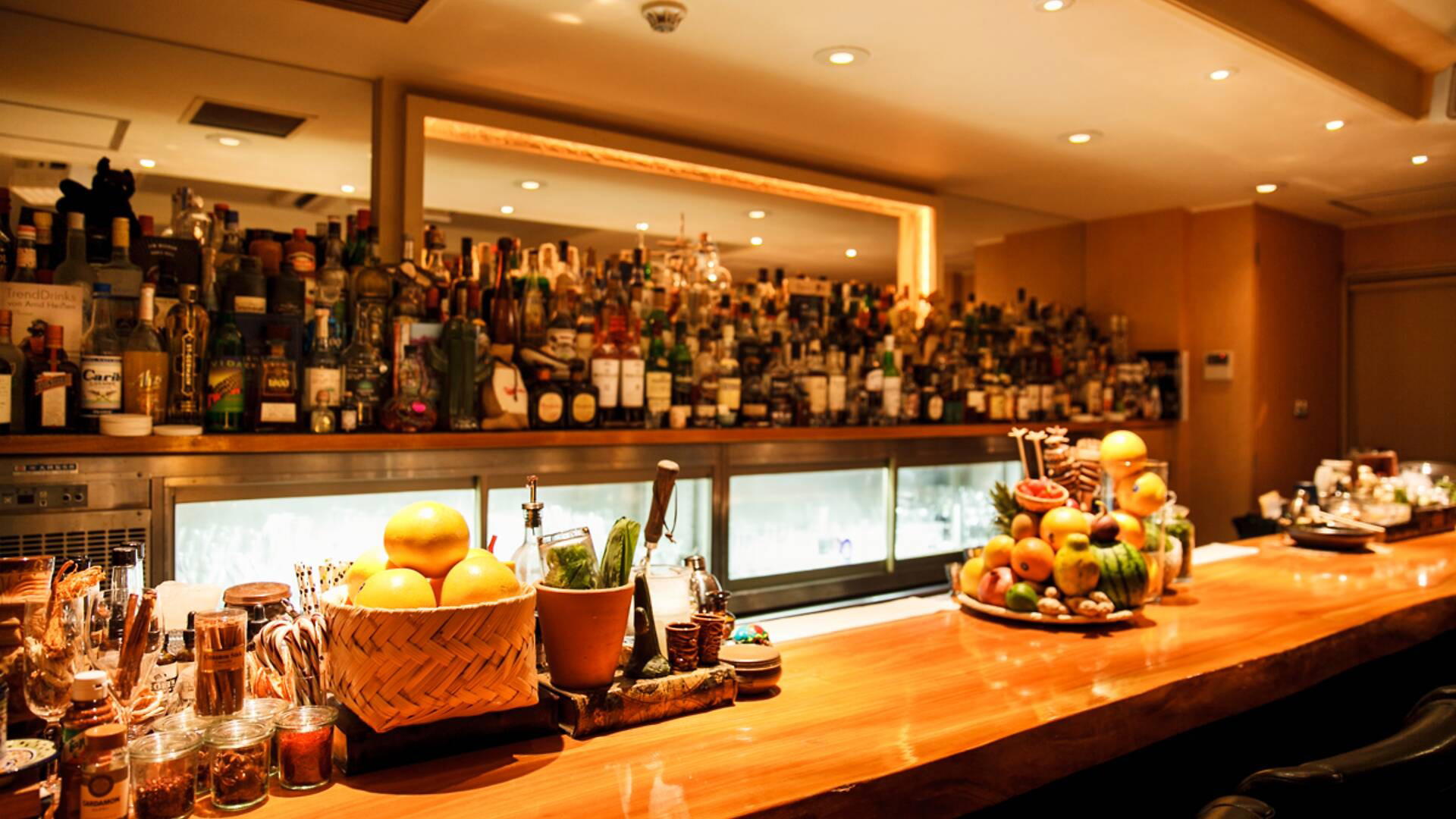
Intimate counter setting in a nondescript two-story building with an open kitchen featuring workstations on both sides; minimalist, focused atmosphere emphasizing direct interaction with chefs.