クラフタル occupies a specific position in Meguro's serious dining tier, drawing reservations well in advance from a clientele that tracks Tokyo's contemporary creative scene closely. The restaurant sits in Aobadai, a residential pocket that has quietly accumulated a number of destination-level tables. Planning ahead is non-negotiable; understanding the format before you arrive is equally important.
Pearl is the En Primeur Club membership app — saves, bookings, and concierge access live there. Same editors, same standards.
- Address
- 1 Chome-16-11 Aobadai, Meguro City, Tokyo 153-0042, Japan
- Phone
- +81362775813
- Website
- craftale-tokyo.com
- Directions
- Get directions
 Saves & bookings on Pearl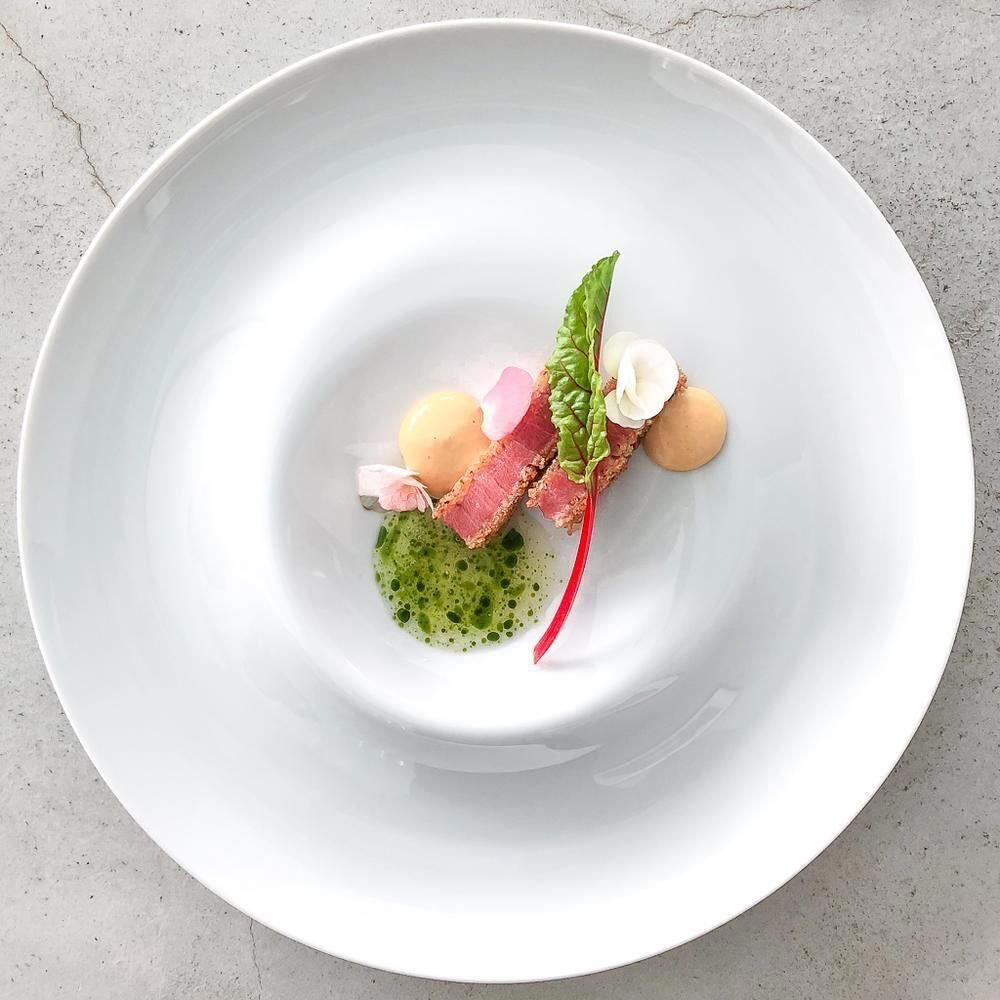
Aobadai and the Quiet Rise of Meguro's Serious Dining
Tokyo's premium restaurant geography has never been confined to Ginza or Roppongi. Over the past decade, a quieter redistribution has pulled some of the city's most deliberate, technically focused tables into residential neighbourhoods where rent economics allow smaller operations to hold steadier ground. Meguro's Aobadai district sits inside that pattern. The area lacks the foot traffic of Nishi-Azabu and the brand associations of Minami-Aoyama, but for a certain category of reservation-driven, format-conscious dining, that distance from the centre is a feature rather than a drawback.
クラフタル (Craftale) is a Tokyo restaurant serving Modern French Omakase at about $180 per person. The address, 1 Chome-16-11 Aobadai, places it in Meguro City. For comparable Tokyo restaurants operating in similar residential pockets, this positioning consistently signals a particular kind of ambition: the kitchen is the project, not the location.
Where クラフタル Sits in Tokyo's Contemporary Creative Tier
Tokyo's fine dining field has developed a distinct sub-category over the past several years: restaurants that use French or European technical frameworks as a base while working with Japanese ingredients, seasonality, and aesthetic principles as primary drivers. This is a different proposition from classical French in Tokyo (where L'Effervescence and Sézanne anchor the upper tier) and from kaiseki (where RyuGin represents one benchmark). It also differs from straightforwardly innovative contemporary formats like Crony. クラフタル operates in the space where those traditions cross, a creative, produce-led approach that resists easy categorisation.
Within Tokyo's broader range of destination dining, this category attracts diners who have already worked through the more legible tiers. They are typically comfortable with omakase formats, familiar with Harutaka-level sushi counter expectations, and looking for a kitchen that takes ingredient provenance and technical precision equally seriously without defaulting to either kaiseki formalism or French classical structure. クラフタル has earned recognition within that cohort over time, which is the primary reason its reservations require meaningful advance planning.
For international visitors building a Japan itinerary, it is worth noting that this creative-contemporary tier exists across several cities. HAJIME in Osaka and Gion Sasaki in Kyoto both represent comparable levels of intent in different regional contexts, as does Goh in Fukuoka. Tokyo, however, concentrates the highest density of this format, and クラフタル is one of the addresses that defines what the tier looks like in the capital.
The Booking Reality: Timing, Access, and What to Prepare
The editorial angle here is not that クラフタル is difficult to book. The more useful observation is that it is difficult to book in the way that a specific category of Tokyo restaurant is difficult to book, one where capacity is small, the format is fixed, and the kitchen's reputation has spread well beyond local knowledge into international dining circuits. At this tier in Tokyo, the standard planning window is measured in months, not weeks, and for foreign visitors without a Japanese phone number or the ability to navigate a Japanese-language reservation system, the friction compounds.
Practically, several options exist. Concierge services at Tokyo's major international hotels maintain relationships with restaurants of this calibre and can often access bookings that are opaque to direct international inquiries. Third-party reservation platforms that operate in Japan, some of which require a credit card hold against a no-show fee, have also opened access for non-Japanese speakers. Neither route guarantees a table, but both substantially improve the odds compared to attempting direct contact without Japanese-language capability. Checking the restaurant's availability windows at the start of each month, when new slots typically release, is also a pattern that applies across Tokyo's competitive reservation tier.
The price per person is about $180. Understanding the format, the likely price tier, and the type of experience the kitchen is designed to deliver allows you to approach the booking with the right expectations. At this level of Tokyo dining, arriving without that context means missing much of what the kitchen is attempting.
Tokyo's Creative Dining Scene: A Wider Reading List
クラフタル is one address inside a much larger ecosystem. Tokyo's creative and fine dining scene extends well beyond the city into regional Japan, where a number of serious tables operate with equivalent technical ambition in less-visited contexts. akordu in Nara works Spanish technique against Yamato ingredients. 一本杉川島 in Nanao represents a different kind of regional depth. Further north, 古仁屋山乃 in Sapporo and west, 湖畔荘 in Takashima and 屋羽屋 in Nishikawa Machi, show how seriously the mid-tier creative restaurant has developed outside Tokyo. Birdland in Sakai and Bistro Ange in Toyohashi represent the range further. For international context, the structural parallels to Le Bernardin in New York City, a kitchen where technique is the point and consistency is the credential, and to Atomix in New York City, which similarly bridges Asian culinary identity and European technical training, are worth holding in mind when thinking about what クラフタル is attempting.
Our full Tokyo restaurants guide covers the broader field in detail, including how to approach the city's different dining tiers and what distinguishes neighbourhood-anchored destination tables from the Ginza or hotel-based luxury bracket.
Know Before You Go
- Address: 1 Chome-16-11 Aobadai, Meguro City, Tokyo 153-0042
- Nearest stations: Nakameguro (Tokyu Toyoko / Tokyo Metro Hibiya Line) or Daikanyama (Tokyu Toyoko Line), both within walking distance
- Reservations: Advance planning of several months is typical for this tier; concierge assistance is advisable for international visitors without Japanese-language access
- Price tier: Comparable to Tokyo's ¥¥¥¥ contemporary creative tier, expect a formal omakase-style investment
- Format: Fixed-menu dining; check current format and course structure before booking
- Phone / website: Verify current contact details via a Japan-based concierge or reservation platform, as direct international contact can be unreliable
Nearby-ish Comparables
Comparable venues nearby, for context on price, style, and recognition.
| Venue | Cuisine | Price | Notes |
|---|---|---|---|
| クラフタルThis venue — the venue you are viewing | Modern French Omakase | $$$$ | Not listed |
| カーエム | Classic French Fine Dining | $$$$ | Chūō |
| Joël Robuchon | Modern French Fine Dining | $$$$ | Shibuya |
| ル・ブルギニオン | Burgundy-style French Bistro | $$$$ | Minato |
| ラール・エ・ラ・マニエール | Modern French with Japanese influences | $$$$ | Chūō |
| ラ メゾン クルティーヌ | Authentic French Classic with Aged Meats | $$$$ | Suginami |












At a Glance
- Elegant
- Intimate
- Sophisticated
- Modern
- Date Night
- Special Occasion
- Celebration
- Chefs Counter
- Open Kitchen
- Waterfront
- Standalone
- Sommelier Led
- Farm To Table
- Local Sourcing
- Waterfront
Current opening hours
- Monday
- 6–11 PM
- Tuesday
- Closed
- Wednesday
- Closed
- Thursday
- 6–11 PM
- Friday
- 6–11 PM
- Saturday
- 11:30 AM–3 PM, 6–11 PM
- Sunday
- 11:30 AM–3 PM, 6–11 PM
Hours can change for holidays and private events. Last verified .
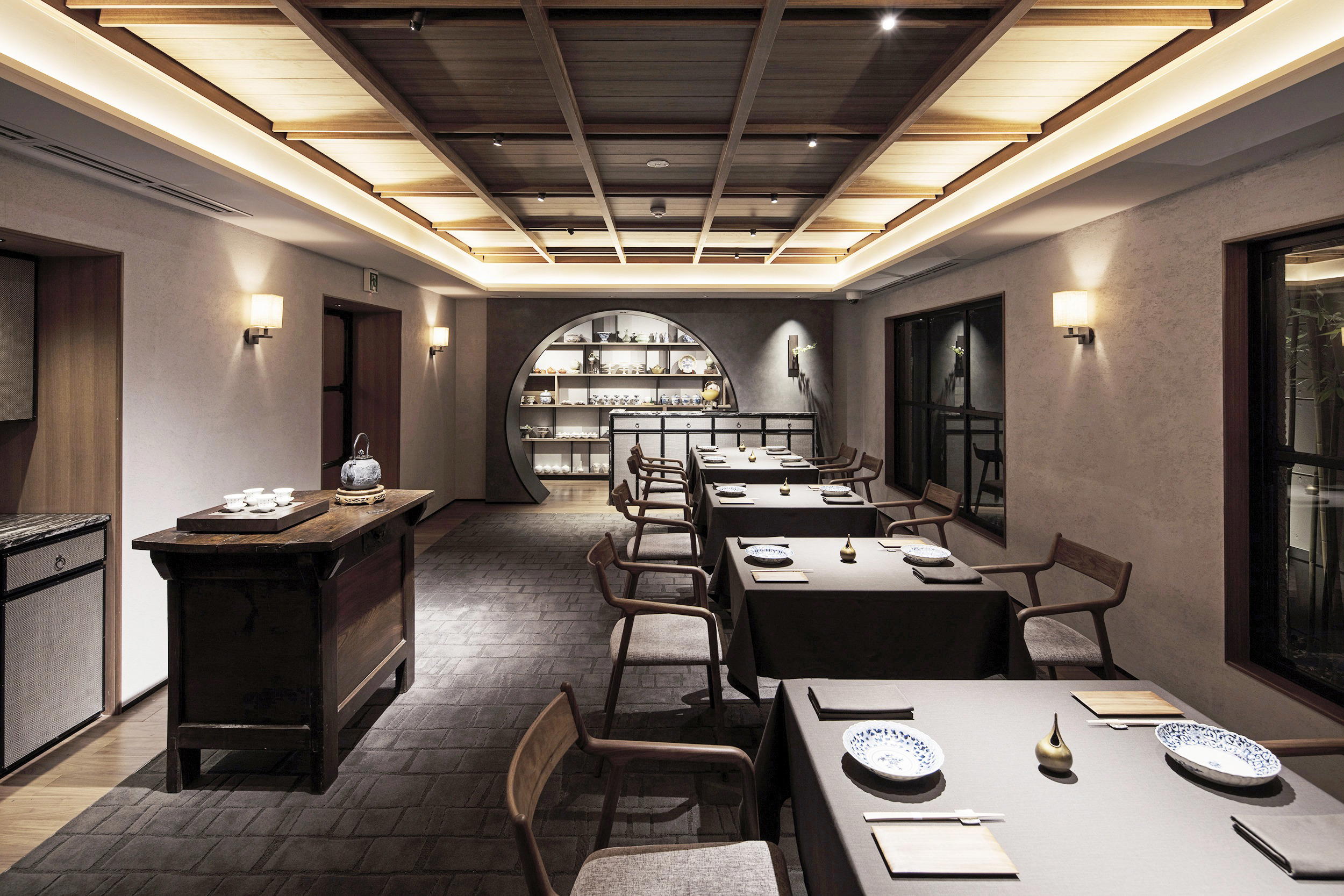
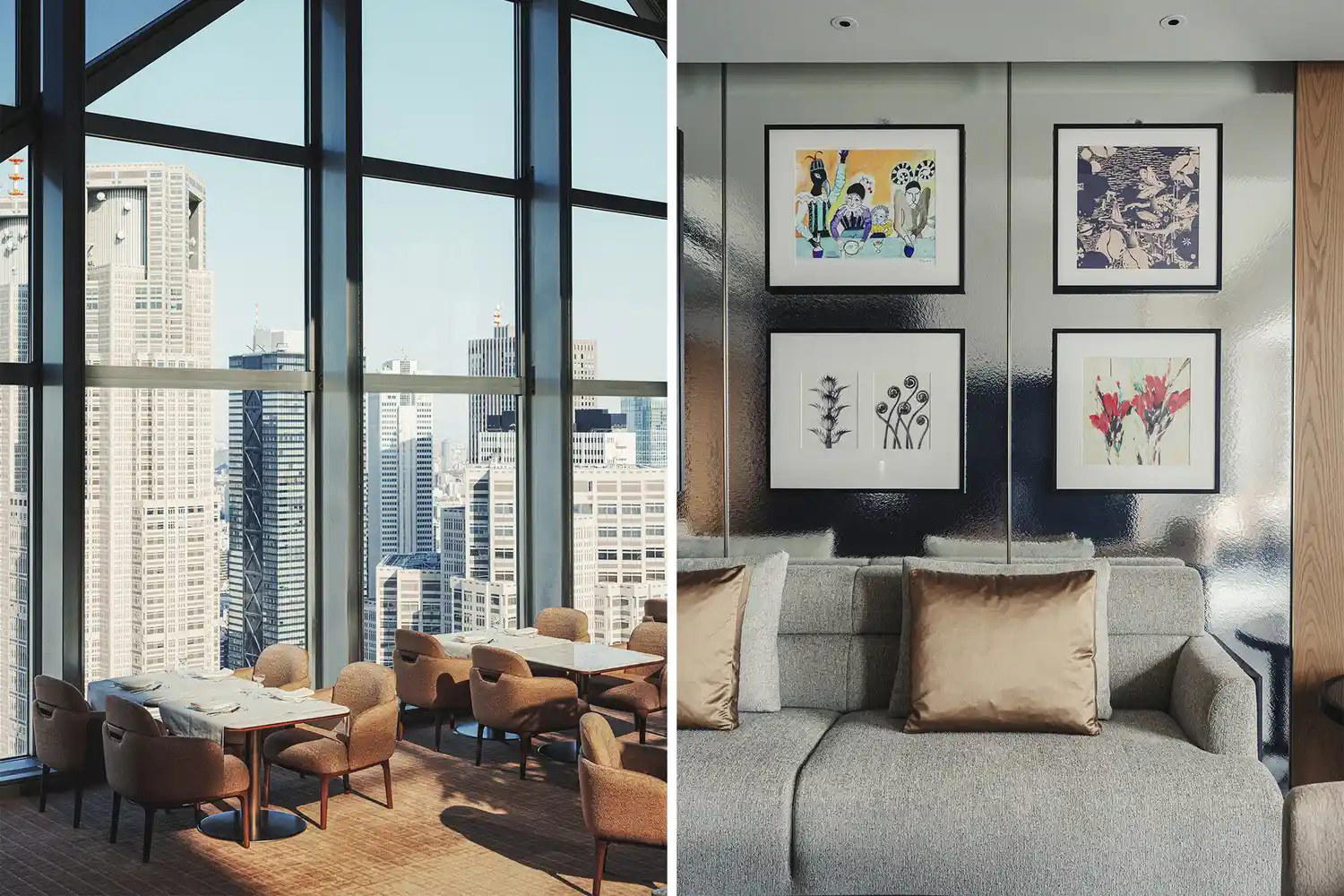
Warm, intimate healing space overlooking the Meguro River with refined, minimalist design; counter seating for 8 creates an exclusive, personal dining experience.