La Maison Courtine occupies a quiet residential pocket of Asagaya, positioning itself at the less-trafficked end of Tokyo's French dining spectrum. Where Ginza and Minami-Aoyama concentrate the city's most-decorated French tables, Asagaya operates on a different register: neighbourhood scale, reduced visibility, and a format that rewards readers who look beyond the central arrondissements of Tokyo dining.
Pearl is the En Primeur Club membership app — saves, bookings, and concierge access live there. Same editors, same standards.
- Address
- Japan, 〒166-0004 Tokyo, Suginami City, Asagayaminami, 3 Chome−37−10 YS ディセンダ ンツ 101
- Phone
- +81362769938
- Website
- courtine.jp
- Directions
- Get directions
 Saves & bookings on Pearl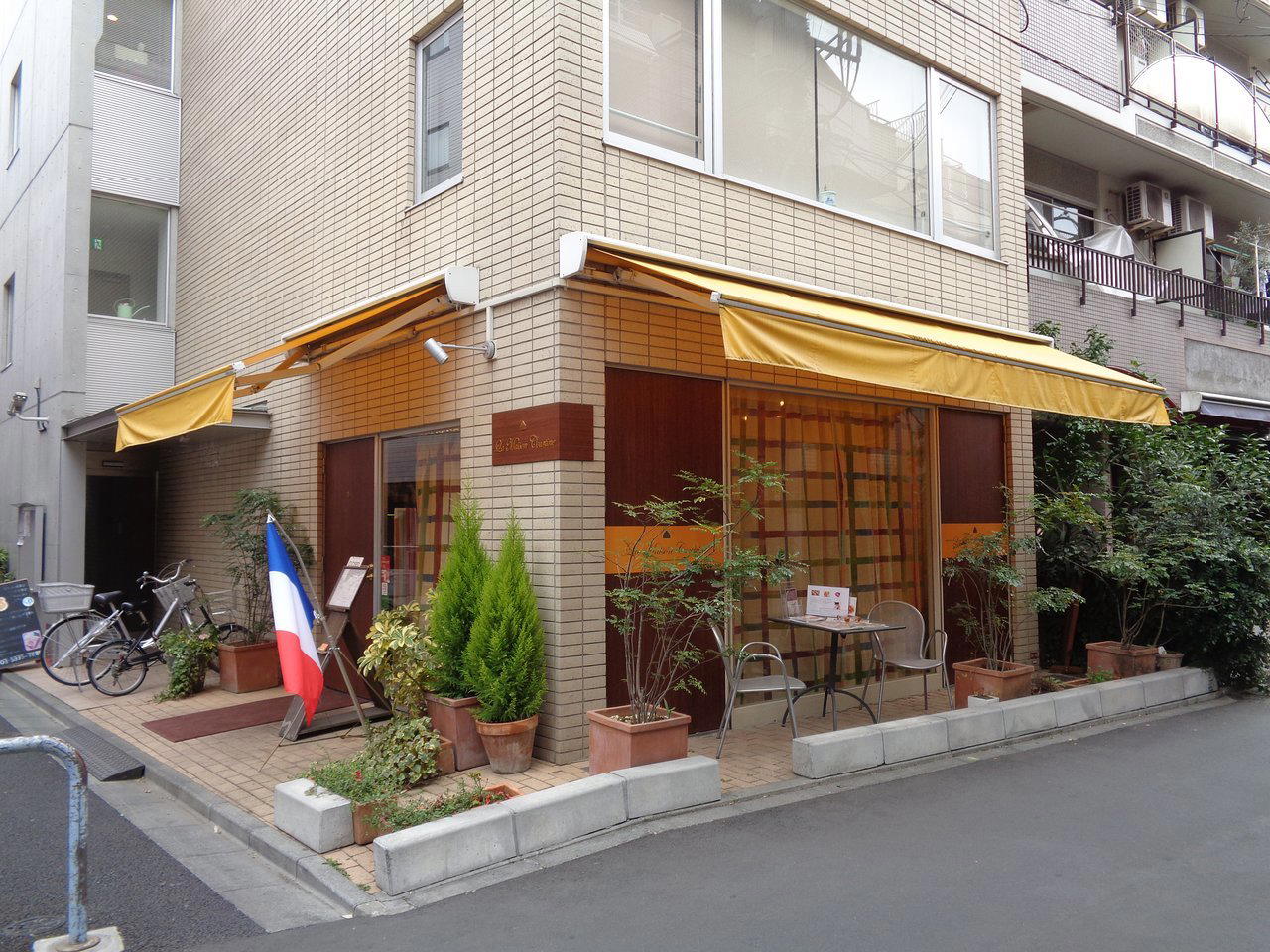
French Dining Beyond the Centre: Asagaya and the Outer-Ward Question
Tokyo's French restaurant conversation tends to collapse around a handful of central postcodes. Ginza, Minami-Aoyama, and Shinjuku hold the bulk of decorated addresses: L'Effervescence in Minami-Aoyama, Sézanne in Nihonbashi, Crony operating at the innovative edge of that same central cluster. The assumption embedded in most Tokyo dining coverage is that serious French cooking requires a central address. La Maison Courtine, located in Suginami Ward's Asagaya district, a 20-minute Chuo Line ride from Shinjuku, challenges that assumption quietly.
Asagaya is a residential neighbourhood known more for its jazz bars and covered shopping arcades than for fine dining. The presence of a French table here belongs to a pattern visible in several major Japanese cities: technically accomplished cooking that relocates to lower-rent, higher-community areas, trading foot traffic and prestige address for a different relationship with its immediate context. That trade-off has sustainability implications that are worth examining directly.
The Sustainability Logic of Neighbourhood French Cooking
The environmental and ethical arguments for French cooking outside the luxury core are more concrete than they might appear at first glance. Central Tokyo's high-volume fine dining ecosystem creates particular pressures: premium imported ingredients flowing through a small number of high-margin kitchens, logistics chains calibrated for consistency over proximity, and a client base whose expectations are shaped by international luxury benchmarks rather than regional produce cycles.
Neighbourhood restaurants operating at smaller scale have more room to absorb the inefficiencies that come with seasonal and local sourcing. A 20-cover room with a single-sitting format can work with what arrives from a trusted regional supplier without the volume commitments that force larger kitchens toward standardised product. This is not a universal truth, small restaurants can be as wasteful as large ones, but the structural conditions for more considered sourcing are present in ways they often are not at destination-tier volume.
The French tradition in Japan has, over several decades, developed a particular strand of this thinking. Chefs trained in classical technique but working with Japanese seasonal ingredients have had to develop relationships with domestic producers that their counterparts in Paris or Lyon rarely need. The result, at the better addresses, is a kind of French cooking that is more locally embedded than much of what is served at the flagship level. Comparable dynamics appear at HAJIME in Osaka, where French structure meets a pronounced environmental programme, and at akordu in Nara, where European technique operates against a backdrop of Yamato regional produce. La Maison Courtine's Asagaya address places it in a similar conversation, even if the specifics of its sourcing programme are not documented in detail.
What the Address Tells You
The physical location, 3 Chome, Asagayaminami, a ground-floor unit in a residential building on a side street, is itself an editorial statement. This is not a restaurant that competes for the same customer as Harutaka in Ginza or RyuGin in Roppongi. The decision to operate from Asagaya rather than seek a more visible postcode signals a set of priorities: the local community matters, the cost base is different, and the restaurant's identity is not dependent on proximity to other trophy addresses.
This positioning is neither obscure for its own sake nor a concession. Several of Japan's most considered smaller restaurants have made the same calculation. Gion Sasaki in Kyoto operates within a residential neighbourhood framework that shapes both its sourcing and its rhythm. Goh in Fukuoka sits outside the conventional Fukuoka dining circuit while maintaining a programme that references the city's particular food culture. The outer-ward or off-centre model, across Japanese cities, often correlates with a more considered approach to supply chains and seasonal constraint, not always, but often enough to be a meaningful signal.
Comparing the French Tier in Tokyo
Tokyo's French restaurants currently occupy three broad tiers. At the leading, decorated multi-course destinations with imported ingredient lists and international chef lineage command ¥¥¥¥ pricing and booking waits of weeks to months. The middle tier includes neighbourhood bistros and brasseries running conventional French formats at moderate prices. A third, smaller tier sits between these: technically serious cooking in low-profile spaces, often without significant award recognition, operating at pricing that reflects the neighbourhood rather than the prestige of the address.
La Maison Courtine's positioning in this third tier is consistent with its Asagaya address and residential building location. For readers accustomed to the price signals of central Tokyo French dining, L'Effervescence and Sézanne The same general calculus applies to restaurants in comparable positions in other cities: Bistro Ange in Toyohashi and Birdland in Sakai both demonstrate how serious cooking at the neighbourhood scale operates beyond destination dining.
For international reference points, the French tradition of neighbourhood-embedded serious cooking has parallels at Le Bernardin in New York and at Korean-inflected fine dining operations like Atomix, both of which manage the tension between technical ambition and local rootedness in their own ways. The comparison is not direct, but the underlying question, how does a serious kitchen justify its sourcing decisions and its relationship to its immediate context, is shared.
Other Destinations in the Japanese Fine Dining Network
Readers building a broader Japan itinerary around considered dining should note that the pattern visible in Asagaya repeats across the country. 一本杉川島製 in Nanao operates within a regional produce framework specific to the Noto Peninsula. 夕焼け山乃 in Sapporo works within Hokkaido's distinct seasonal calendar. 湖畔荘 in Takashima and 庄羽屋 in Nishikawa Machi both represent the rural end of this spectrum, where supply chain length between producer and plate is shortest.
Planning Your Visit
Address: 3 Chome-37-10 Asagayaminami, Suginami City, Tokyo (YS Descendants Building, Unit 101). Access: Asagaya Station on the JR Chuo Line is the nearest rail point; the restaurant is a short walk from the south exit. Reservations: Booking is recommended. Budget: Expect about $130 per person. Dress: Smart casual.
A Tight Comparison
Comparable venues nearby, for context on price, style, and recognition.
| Venue | Cuisine | Price | Notes |
|---|---|---|---|
| ラ メゾン クルティーヌThis venue — the venue you are viewing | Not listed | $$$$ | Not listed |
| ラルジャン | Not listed | $$$$ | Chiyoda, Modern French with Japanese Seasonal Influences |
| ナオト ケイ | Chiyoda, Modern French Omakase | $$$$ | Not listed |
| ロオジエ | Chūō, Classic French Fine Dining | $$$$ | Not listed |
| Paris Yugao | Not listed | $$$$ | Chūō, Neo-French Japonism & Teppanyaki in Ginza |
| トワヴィサージュ | Chūō, Modern French Fine Dining | $$$$ | Not listed |













At a Glance
- Elegant
- Cozy
- Intimate
- Sophisticated
- Date Night
- Special Occasion
- Celebration
- Extensive Wine List
- Natural Wine
- Sake Program
- Local Sourcing
Current opening hours
- Monday
- 11:30 AM–2:30 PM, 5:30–10 PM
- Tuesday
- Closed
- Wednesday
- Closed
- Thursday
- 11:30 AM–2:30 PM, 5:30–10 PM
- Friday
- 11:30 AM–2:30 PM, 5:30–10 PM
- Saturday
- 11:30 AM–2:30 PM, 5:30–10 PM
- Sunday
- 11:30 AM–2:30 PM
Hours can change for holidays and private events. Last verified .
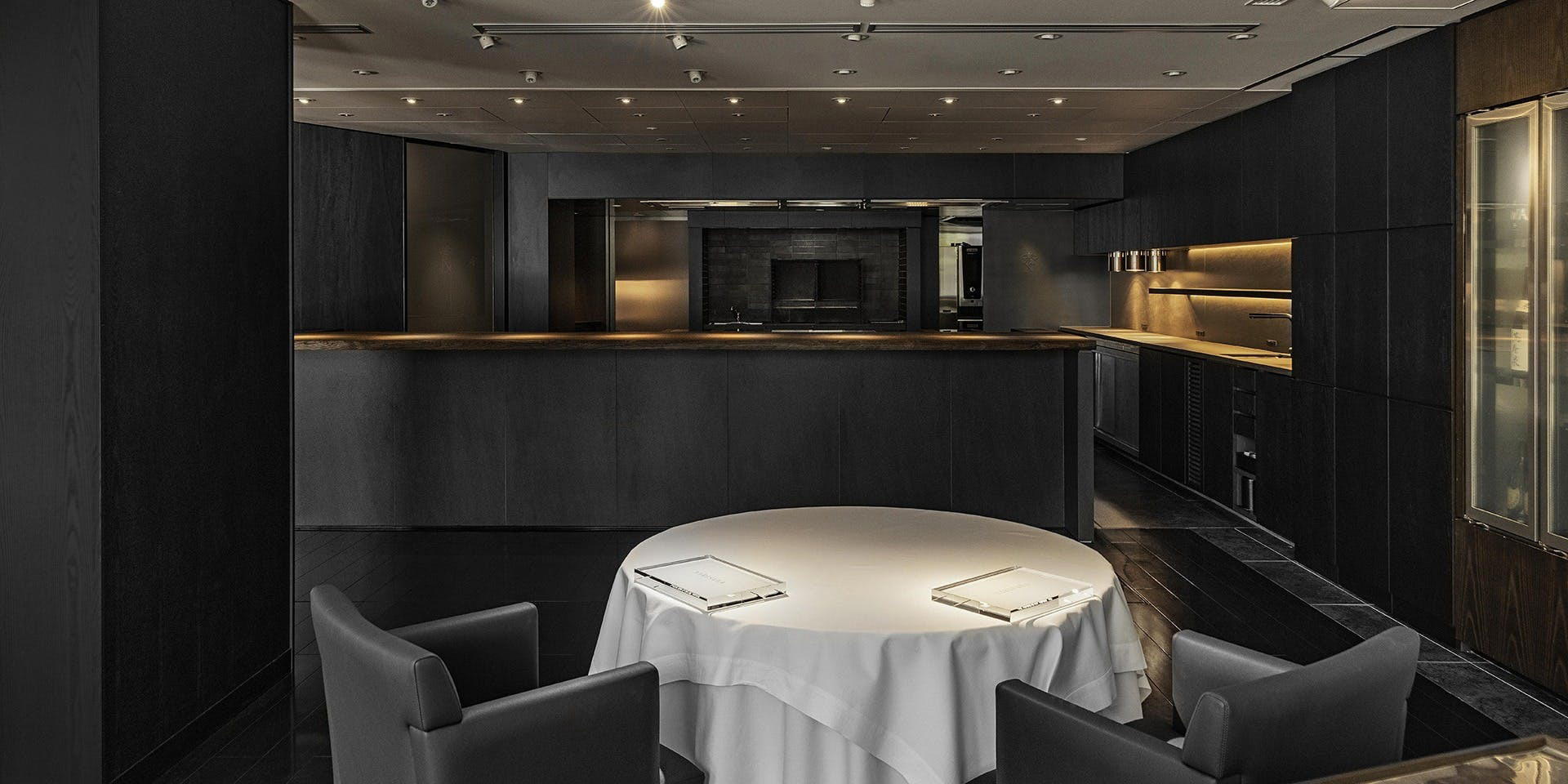
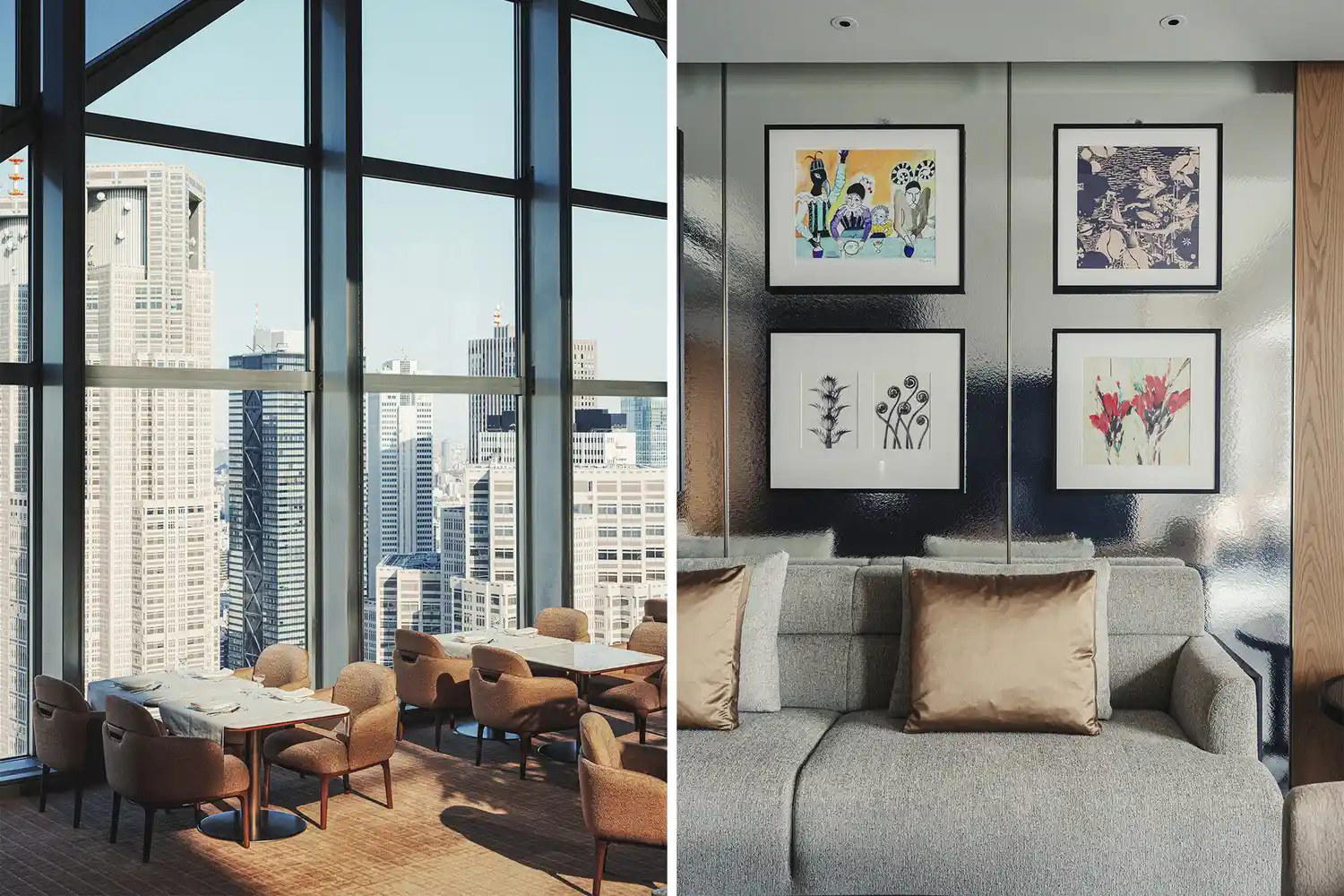
Bright and stylish interior with warm, cozy atmosphere enhanced by historic French paintings.