カーエム occupies a Ginza address in one of Tokyo's most competitive dining corridors, where the gap between daytime and evening service often defines a restaurant's identity as much as its menu does. For travellers calibrating a Tokyo itinerary around the city's premium dining tier, understanding how this address fits into Ginza's broader rhythm is the starting point.
Pearl is the En Primeur Club membership app — saves, bookings, and concierge access live there. Same editors, same standards.
- Address
- 8 Chome-8-19 Ginza, Chuo City, Tokyo 104-0061, Japan
- Phone
- +81362524211
- Website
- km-french.jp
- Directions
- Get directions
 Saves & bookings on Pearl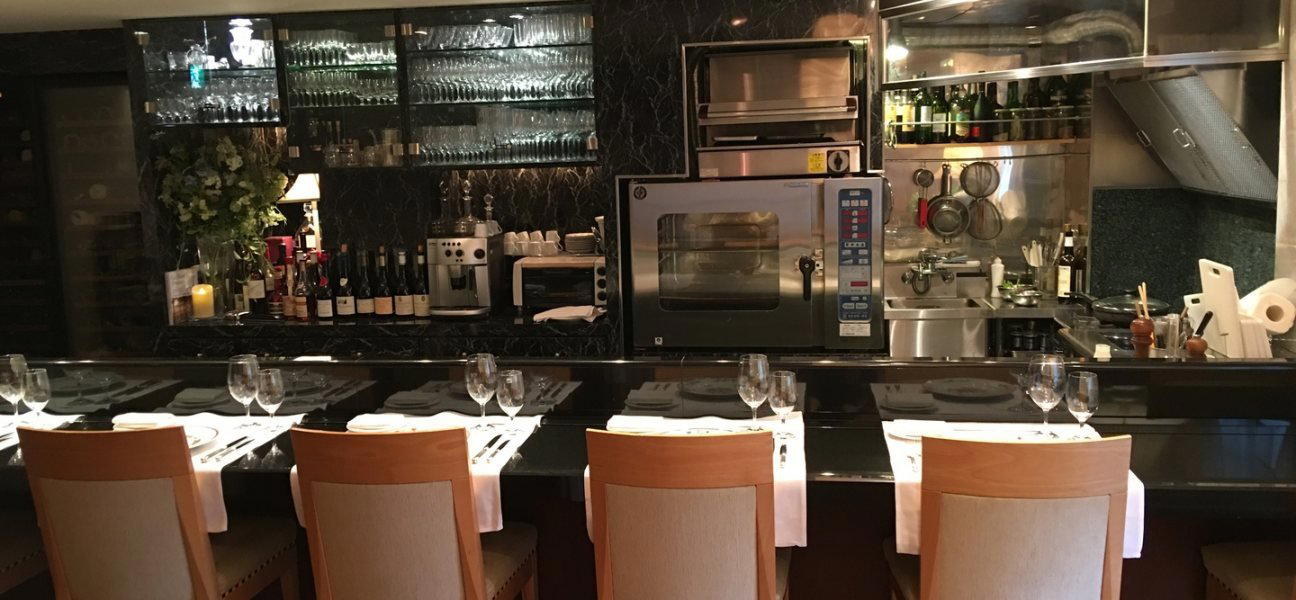
Ginza's Dining Divide and Where カーエム Sits
Ginza has long operated as Tokyo's most legible fine-dining postcode, a district where restaurant addresses carry the same freight as a Mayfair or 8th arrondissement location does in their respective cities. The neighbourhood's premium corridor runs along and around Chuo-dori, concentrated in the blocks between Ginza 6 and Ginza 8, where カーエム, a Classic French Fine Dining restaurant in Tokyo, holds its address at 8 Chome-8-19. That specific block sits at the quieter, more residential southern edge of the Ginza grid, away from the department store density of the central chome, a detail that shapes the kind of service atmosphere such addresses can sustain.
Tokyo's upper dining tier has consolidated significantly since the 2010s. Restaurants in the ¥¥¥¥ bracket, the same tier as Harutaka, L'Effervescence, and RyuGin, now price against each other and against a global traveller's benchmark, not against the city's mid-market. A Ginza address in this corridor signals positioning before the menu does. カーエム sits within that competitive geography, and readers planning a Tokyo itinerary should treat its location as context, not coincidence.
The Lunch vs. Dinner Question in Ginza
In Tokyo's leading dining addresses, the gap between lunch and dinner service is rarely cosmetic. It tends to reflect a structural decision about who a restaurant is speaking to and at what price of entry. Dinner at Ginza's premium tables typically runs at full-format prices, anchored to multi-course menus that run two hours or longer. Lunch, by contrast, has historically offered a compressed version of the same kitchen's output at a meaningful price reduction, a format that Ginza restaurants have used strategically to attract business dining on weekdays and destination visitors who want high-calibre cooking without committing to an evening reservation.
This pattern appears across the neighbourhood's French-influenced tables and kaiseki rooms alike. Sézanne, operating in the adjacent Marunouchi zone, and Crony both reflect how Tokyo's premium French kitchens have structured lunch as a genuine point of entry rather than a lesser version of dinner. For カーエム, a restaurant with a Ginza 8 address, the same logic applies: the lunch service, if offered, is likely to be the smarter calibration point for first-time visitors, while dinner carries the full weight of the kitchen's formal intentions.
The practical implication for travellers is real. Choosing lunch allows more flexibility without sacrificing access to the kitchen's output. That said, readers should verify service formats directly.
Tokyo's French and Hybrid Fine Dining Context
カーエム belongs among Tokyo restaurants that operate at the intersection of Japanese technique and non-Japanese culinary frameworks. This is among the more active seams in Tokyo dining. The city's French-trained and European-influenced kitchens have produced particularly discussed tasting menus in Asia over the past decade, with Japanese sourcing discipline applied to classical European structures.
That category now extends well beyond Tokyo. HAJIME in Osaka operates in a similar register, as does akordu in Nara, which brings a European-trained sensibility to Nara's quieter culinary environment. The spread of this approach across Japan's secondary cities reflects a national dining culture that has made Tokyo's premium tier part of a larger conversation rather than an isolated phenomenon.
For international visitors contextualising Tokyo's leading tables against global peers, the comparison points are useful: Le Bernardin in New York City represents one model of sustained premium single-cuisine focus, while Atomix in New York City offers a closer parallel to the kind of Korean-European synthesis that mirrors Tokyo's Japanese-French hybridisation. Both operate at price points and booking-lead-times that function as direct signals of where they sit in their city's dining order.
Neighbourhood Logistics and Timing
Ginza 8-chome sits within walking distance of Shimbashi Station and a short walk south from Ginza Station itself. The block is less trafficked than central Ginza, which affects both the street-level atmosphere approaching the restaurant and the availability of taxis during peak evening hours. Visitors arriving from Narita should account for 70-90 minutes on the Narita Express to Shimbashi; from Haneda, the Keikyu Airport Line connects to the area in under 30 minutes.
Timing in Ginza matters beyond transport. The neighbourhood's character changes between the weekday business lunch crowd, the post-shopping late-afternoon lull, and the evening shift. Visitors who prefer a quieter, less transactional dining atmosphere often find that early dinner produces a different room energy than later seatings. This applies across the neighbourhood's upper-tier tables.
Japan's regional dining scene provides useful contrast for calibrating what Ginza-level expectations mean. Addresses like 一本木 南川製 in Nanao, 湖畔荘 in Takashima, and 羽根屋 in Nishikawa Machi operate in radically different contexts, where seasonal produce and regional tradition drive menus in ways that metropolitan kitchens can reference but not replicate. That comparison reinforces why a Ginza address like カーエム exists in its own tier, one where location, price, and occasion-dining expectations are all running in parallel.
Know Before You Go
- Address: 8 Chome-8-19 Ginza, Chuo City, Tokyo 104-0061, Japan
- Nearest Station: Shimbashi (JR / Ginza / Asakusa lines) or Ginza Station (Ginza / Marunouchi / Hibiya lines)
- Booking: Contact the restaurant directly; no booking platform confirmed at time of publication
- Price Tier: not confirmed; verify directly before visiting
- Service Format: Confirm lunch and dinner availability directly with the venue
- Leading Approach: First-time visitors should consider a lunch visit to calibrate format and price before committing to a full dinner reservation
What It’s Closest To
Comparable venues nearby, for context on price, style, and recognition.
| Venue | Cuisine | Price | Notes |
|---|---|---|---|
| カーエムThis venue — the venue you are viewing | Classic French Fine Dining | $$$$ | Not listed |
| スブリム | Nordic-French Fusion | $$$$ | Minato |
| コウタロウ ハセガワ ダウンタウン キュイジーヌ | Modern French with Japanese Influences | $$$$ | Taitō |
| レフェルヴェソンス | Modern French-Japanese Fine Dining | $$$$ | Minato |
| ジランドール | Modern French Brasserie | $$$$ | Shinjuku |
| ロオジエ | Classic French Fine Dining | $$$$ | Chūō |








At a Glance
- Elegant
- Sophisticated
- Intimate
- Date Night
- Special Occasion
- Business Dinner
- Open Kitchen
- Extensive Wine List
Current opening hours
- Monday
- Closed
- Tuesday
- 6–10 PM
- Wednesday
- 6–10 PM
- Thursday
- 6–10 PM
- Friday
- 6–10 PM
- Saturday
- 6–10 PM
- Sunday
- 6–10 PM
Hours can change for holidays and private events. Last verified .
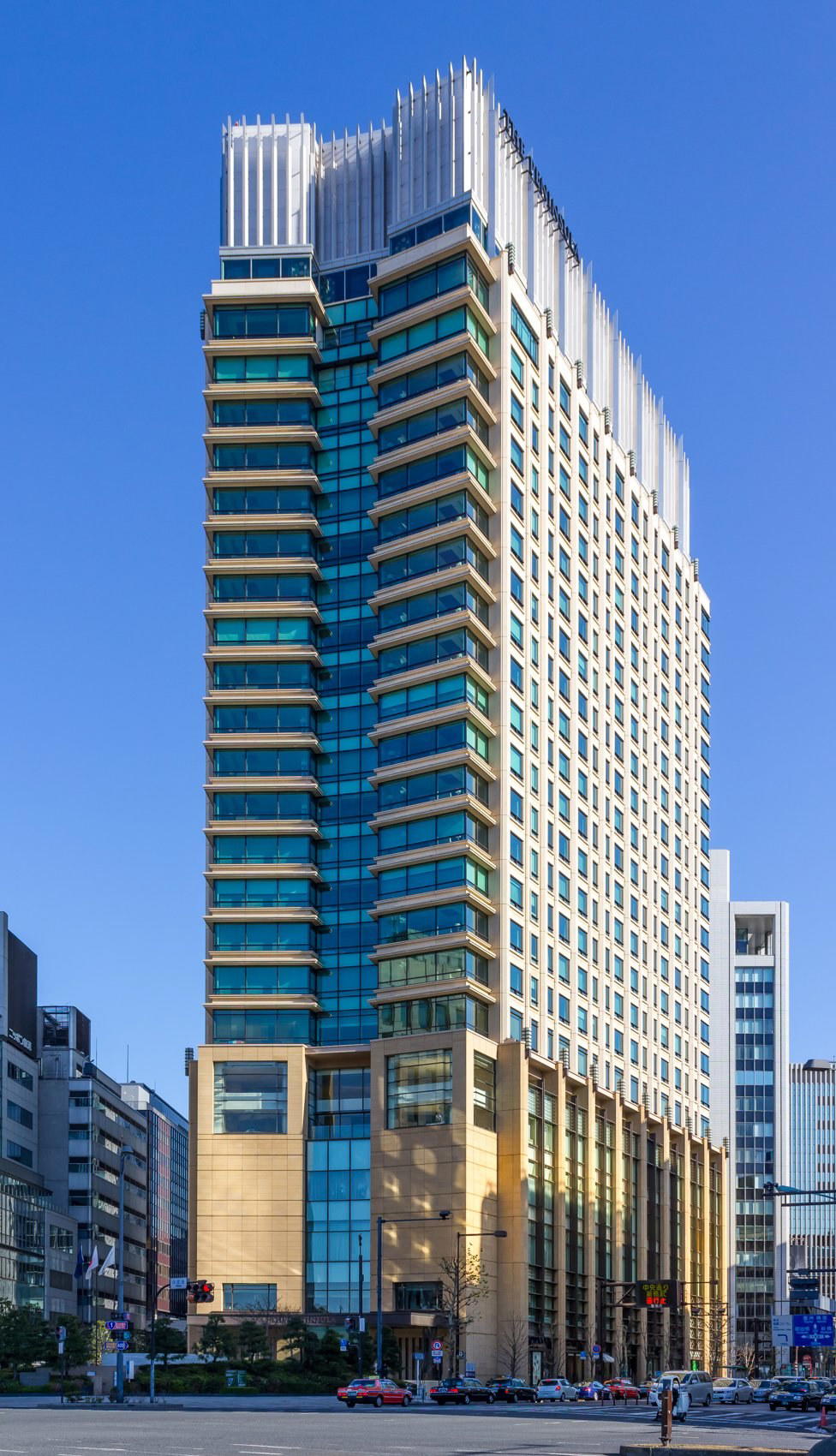
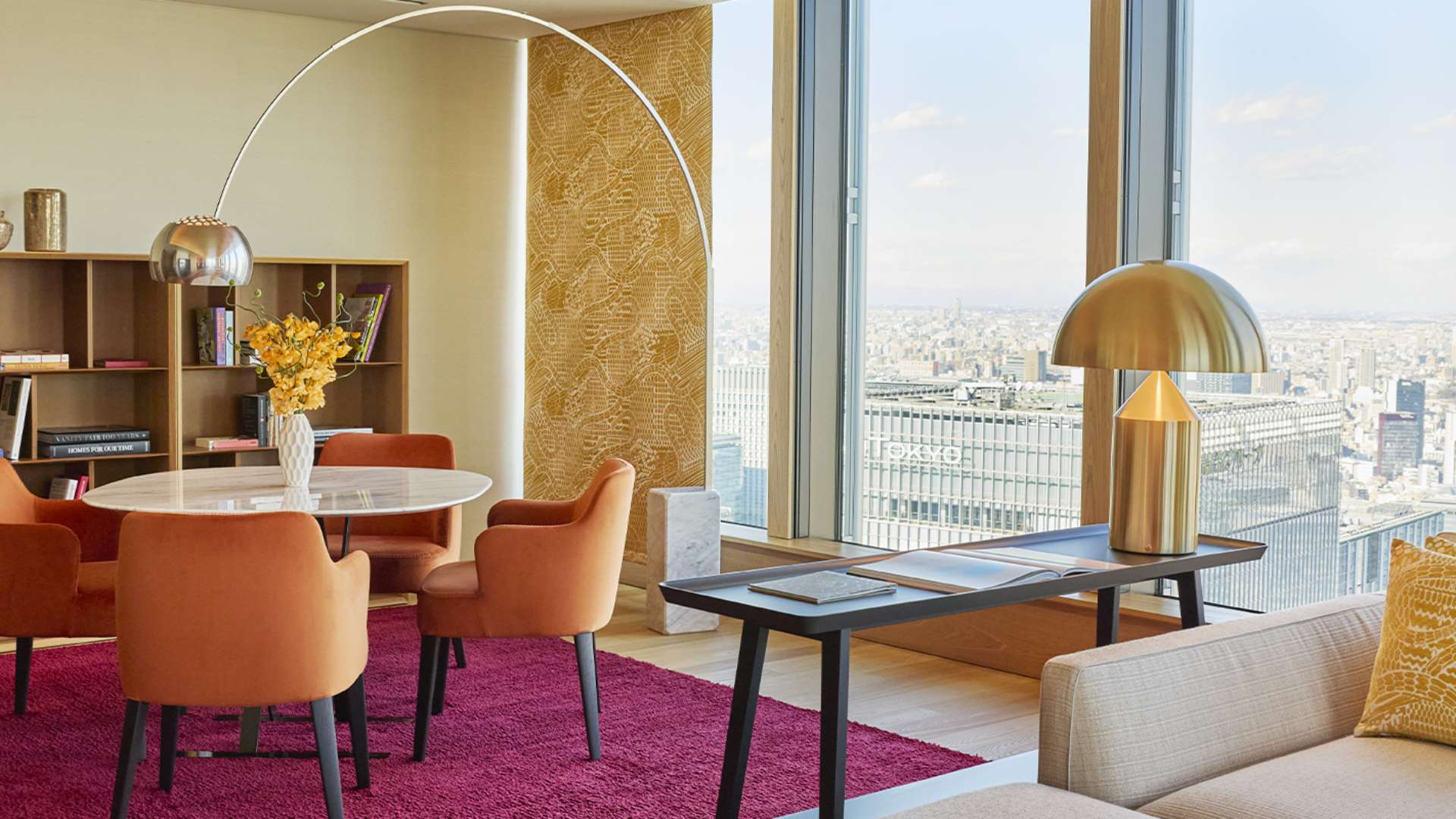
Elegant and sophisticated atmosphere in a Ginza high-rise setting.