Our verdict
A basement French address in Ginza 3-chome, ラール・エ・ラ・マニエール occupies the quieter, more considered end of Tokyo's French dining scene. Compared with the high-visibility counters at neighbours like Sézanne and L'Effervescence, it positions itself as a format-first room where menu architecture does the talking rather than a marquee chef name or maximalist tasting experience.

Pearl is the En Primeur Club membership app — saves, bookings, and concierge access live there. Same editors, same standards.
- Address
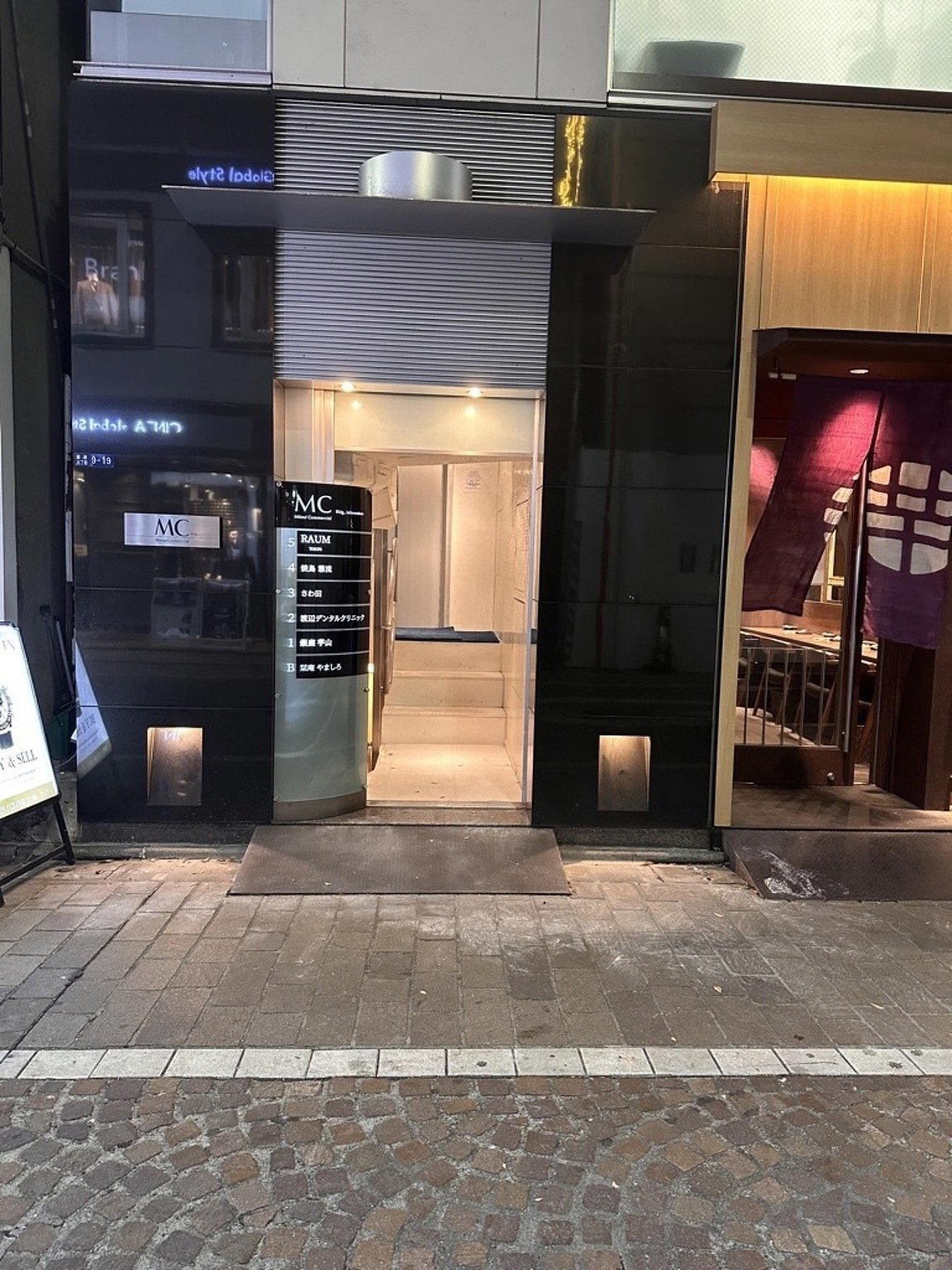
- Japan, 〒104-0061 Tokyo, Chuo City, Ginza, 3 Chome−4−17 オプティカ B1F
- Phone
- +81335627955
- Hours
- Mon ClosedTue 5:30–11 PMWed 11:30 AM–3 PM, 6–11 PMThu–Fri 5:30–11 PMSat 11:30 AM–3 PM, 6–11 PMSun Closed
- Website
- lart.co.jp
- Directions
- Get directions
- Booking
- Book on the venue's website
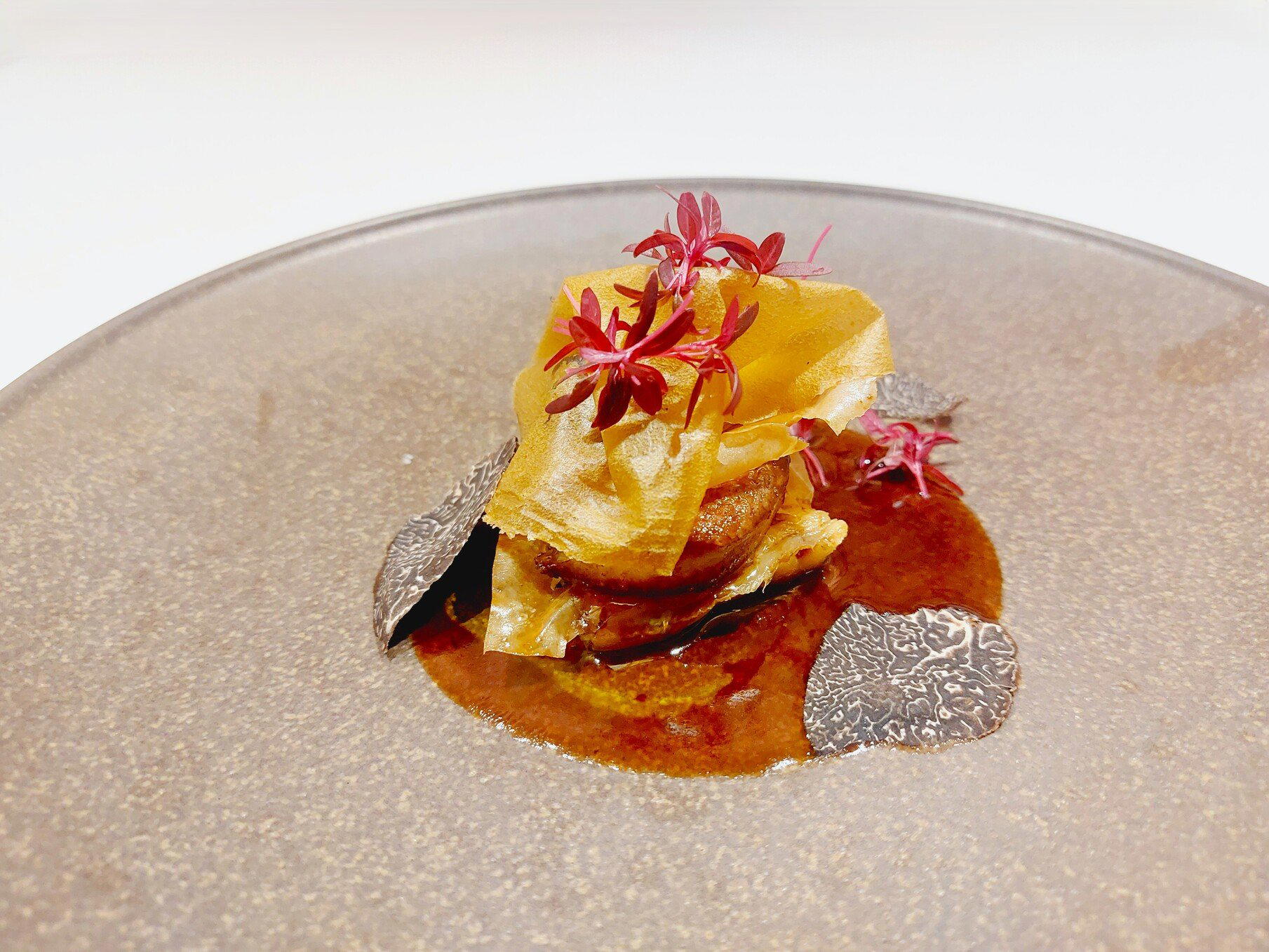
A Basement Address in Ginza's French Tier
Ginza has long functioned as Tokyo's proving ground for European fine dining. The district's density of French restaurants operating at the leading price tier is without parallel in Japan: counters, chef's tables, and classical dining rooms compete within a few city blocks, each staking a claim on a different interpretation of what French cuisine means when transplanted into one of the world's most demanding food cultures. Within that field, the basement of the Optica building on Ginza 3-chome is home to ラール・エ・ラ・マニエール, a room that signals its intent through name alone. L'art et la manière — the art and the manner — is a French idiom for doing something with care and style, which is precisely the promise this address makes before a guest sits down.
Compared with the profile-heavy flagship rooms that draw international press in this neighbourhood, ラール・エ・ラ・マニエール occupies a quieter position. Where Sézanne and L'Effervescence attract significant recognition and carry heavy advance booking pressure, this address draws a local dining crowd that values the format over the fanfare. In that sense, it belongs to a cohort of Ginza French rooms that operate at a serious level without the performance apparatus of a trophy restaurant.
Menu Architecture as the Primary Argument
The editorial angle most useful for reading a restaurant like this one is not the biography of its kitchen, but the logic of its menu. How a French restaurant in Tokyo structures its offer reveals everything about what it believes its guests want: the sequencing of courses, the ratio of classical French technique to seasonal Japanese ingredient, the decision between à la carte flexibility and a fixed progression, and the price brackets those choices create.
Tokyo's French restaurants in the top tier have largely converged on the tasting menu format. The model suits Japan's dining culture, where the chef's intention is respected as a complete statement and the guest arrives to receive rather than to select. Rooms like Crony, operating at the innovative end of the French spectrum, demonstrate how much can be communicated through a fully curated sequence. RyuGin, working in kaiseki rather than French, shows how the same sequential logic applied to Japanese ingredients produces an entirely different emotional arc through a meal. The architecture of a menu is, in every case, the primary communication tool.
At ラール・エ・ラ・マニエール, the name's emphasis on manner suggests that process and presentation are not secondary to the ingredient, they are co-equal concerns. French cooking has always insisted that technique is not a means to an end but itself a form of expression. In a Tokyo context, where Japanese producers provide ingredient quality that can speak for itself, the question a French kitchen must answer is what its layering of method adds. The restaurants that answer that question most convincingly are those where menu structure makes the argument visible course by course.
Ginza Basement as a Room Type
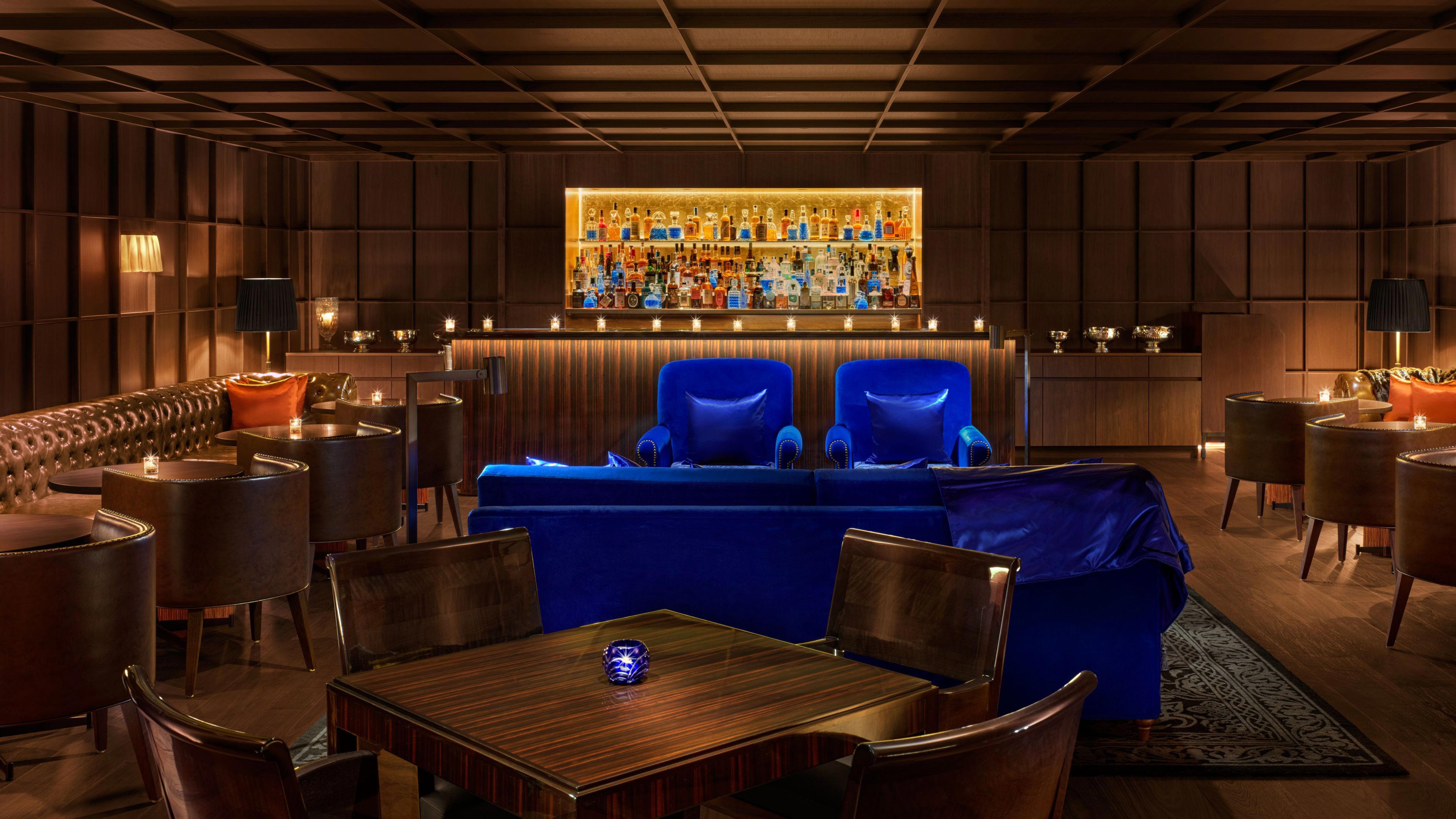
The basement dining room is a recurring format in Ginza's dense commercial grid. Land values in this neighbourhood make ground-floor and upper-floor rooms expensive propositions, and many of the area's most considered restaurants operate below street level. The physical fact of descending into a restaurant creates a transition that chefs and designers can use deliberately: the separation from street noise, the change in light, and the arrival into a controlled atmosphere all serve a meal that asks for concentration. Harutaka, the celebrated sushi counter, operates similarly as a precision room where the physical setting reinforces the culinary intent.
The Optica building on 3-chome is not a hotel or a destination complex, it is a direct commercial address, which means ラール・エ・ラ・マニエール stands on its own terms rather than benefiting from a hotel's marketing infrastructure or foot traffic. That independence is a signal: rooms that survive in Ginza without institutional backing do so because their regulars return on the strength of the meal itself.
Positioning Against Japan's Broader French Scene
Tokyo is not the only Japanese city producing serious French cooking. HAJIME in Osaka operates at the intersection of French technique and Japanese philosophical rigour, holding three Michelin stars and a reputation for one of the most structurally ambitious menus in the country. akordu in Nara takes French-Spanish methodology into a heritage city context. Even regional addresses like Bistro Ange in Toyohashi demonstrate that serious French cooking exists well outside Japan's major cities.
Within Tokyo specifically, the French tier is large enough to have internal divisions. At the upper bracket, rooms like those above attract international critics and award bodies. At the next tier down, the competition is less visible but no less serious: these are the restaurants where Tokyo's professional class eats regularly rather than ceremonially. ラール・エ・ラ・マニエール's Ginza 3-chome address and its implicit positioning in the name suggest it is aiming at that second group, guests who eat at this level often enough to judge the details, and who return when a kitchen earns it.
For comparison outside Japan, the same structural position is occupied by rooms like Le Bernardin in New York City, which operates at the technical peak of a single culinary tradition without constant recourse to spectacle, and Atomix in New York City, where menu architecture, literally, through the card format it uses to present courses, is treated as part of the dining experience itself. The international precedent for format-first French and French-influenced rooms is well established; what varies is how each city's specific ingredient supply and guest culture shapes the final proposition.
Other Japanese Addresses Worth Considering
Readers planning a broader itinerary through Japan's serious dining rooms should note that seasonal timing and advance booking strategy differ city by city. Gion Sasaki in Kyoto and Goh in Fukuoka both represent what happens when kitchen discipline meets regional ingredient identity, while addresses further afield such as 一本杉川嶋 in Nanao, 大自然美食 in Sapporo, 湖畔庵 in Takashima, 岳羽屋 in Nishikawa Machi, and Birdland in Sakai illustrate the geographic spread of Japan's dining ambition beyond its two or three headline cities. Our full Tokyo restaurants guide maps the capital's current field in more detail.
Planning Your Visit
Address: Optica B1F, 3-4-17 Ginza, Chuo City, Tokyo 104-0061. Reservations: Contact details are not publicly listed at this time; reaching the restaurant directly or through a hotel concierge in Ginza is the most reliable route. Access: Ginza Station on the Tokyo Metro Ginza, Hibiya, and Marunouchi lines is the nearest interchange, with multiple exits within short walking distance of 3-chome. Timing: Ginza's French rooms at this level operate on lunch and dinner services with varying formats; confirming current hours and menu format before travel is advisable. Budget:
Frequently asked questions
What's the address for ラール・エ・ラ・マニエール?
ラール・エ・ラ・マニエール is located at Japan, 〒104-0061 Tokyo, Chuo City, Ginza, 3 Chome−4−17 オプティカ B1F, Tokyo.
How does L'Art et la Manière compare to other serious French restaurants in Tokyo's Ginza district?
Ginza supports a dense tier of French kitchens operating at high price points, including addresses with Michelin recognition, making it one of the most concentrated European fine dining corridors in Asia. L'Art et la Manière occupies a basement room at 3-4-17 Ginza — a format common to the neighbourhood, where land values push serious dining rooms below grade without diminishing their standing.
What's the best thing to order at ラール・エ・ラ・マニエール?
Specific menu details are not publicly listed for L'Art et la Manière, which is consistent with how Ginza's serious French rooms typically operate: the kitchen drives the menu, not the diner's à la carte preferences. At this tier and address, the set course format is almost certainly the primary offering, meaning the kitchen's current direction is what you're ordering. Check directly with the restaurant when booking for the current menu structure.
Should I book ラール・エ・ラ・マニエール in advance?
Yes. The restaurant is located at Optica B1F, 3-4-17 Ginza — a basement address in one of Tokyo's most competitive fine dining corridors, where cover counts are typically small and demand runs ahead of availability. Contact details are not publicly listed, so reaching the venue through a hotel concierge or a Japan-based reservation service is the most reliable approach. Leaving booking to the week of arrival is a credible way to miss the sitting entirely.
A Tight Comparison
Comparable venues nearby, for context on price, style, and recognition.
| Venue | Cuisine | Price | Awards | Notes |
|---|---|---|---|---|
| ラール・エ・ラ・マニエールThis venue — the venue you are viewing | Modern French with Japanese influences | $150–200 | Not listed | Not listed |
| 銀座レカン | Classic French Fine Dining | $150–200 | Michelin Plate · La Liste Top Restaurants | Chūō, Classic Modern French Fine Dining |
| サンス・エ・サヴール | Modern French Fine Dining | $200–300 | We're Smart World 3 Radishes | Chiyoda, プルセル兄弟監修モダンフレンチ |
| SIGNATURE | Modern French Fine Dining | $200–300 | Michelin Plate · Tabelog 100 #56 | Chūō, Contemporary French Fine Dining |
| Prevenance | Seasonal French fine dining with Japanese ingredients | $150–200 | Tabelog 100 #52 | Minato, Seasonal French fine dining with Japanese ingredients |
| アビス | Modern French Seafood | $150–200 | 1 Michelin Star · Tabelog 100 #34 | Shibuya, Modern French Seafood |