Joël Robuchon in Tokyo's Meguro sits at the upper tier of French fine dining in Japan, where the Robuchon name carries decades of Michelin-weighted authority across multiple global addresses. The Mita location places it within a quieter residential pocket of the city, distinct from the compressed fine-dining corridors of Ginza or Shinjuku, lending the experience a different register than its more central French counterparts.
Pearl is the En Primeur Club membership app — saves, bookings, and concierge access live there. Same editors, same standards.
- Address
- Japan, 〒153-0062 Tokyo, Meguro City, Mita, 1 Chome−13−1 恵比寿ガーデンプレイスå
- Phone
- +81354241338
- Website
- robuchon.jp
- Directions
- Get directions
 Saves & bookings on Pearl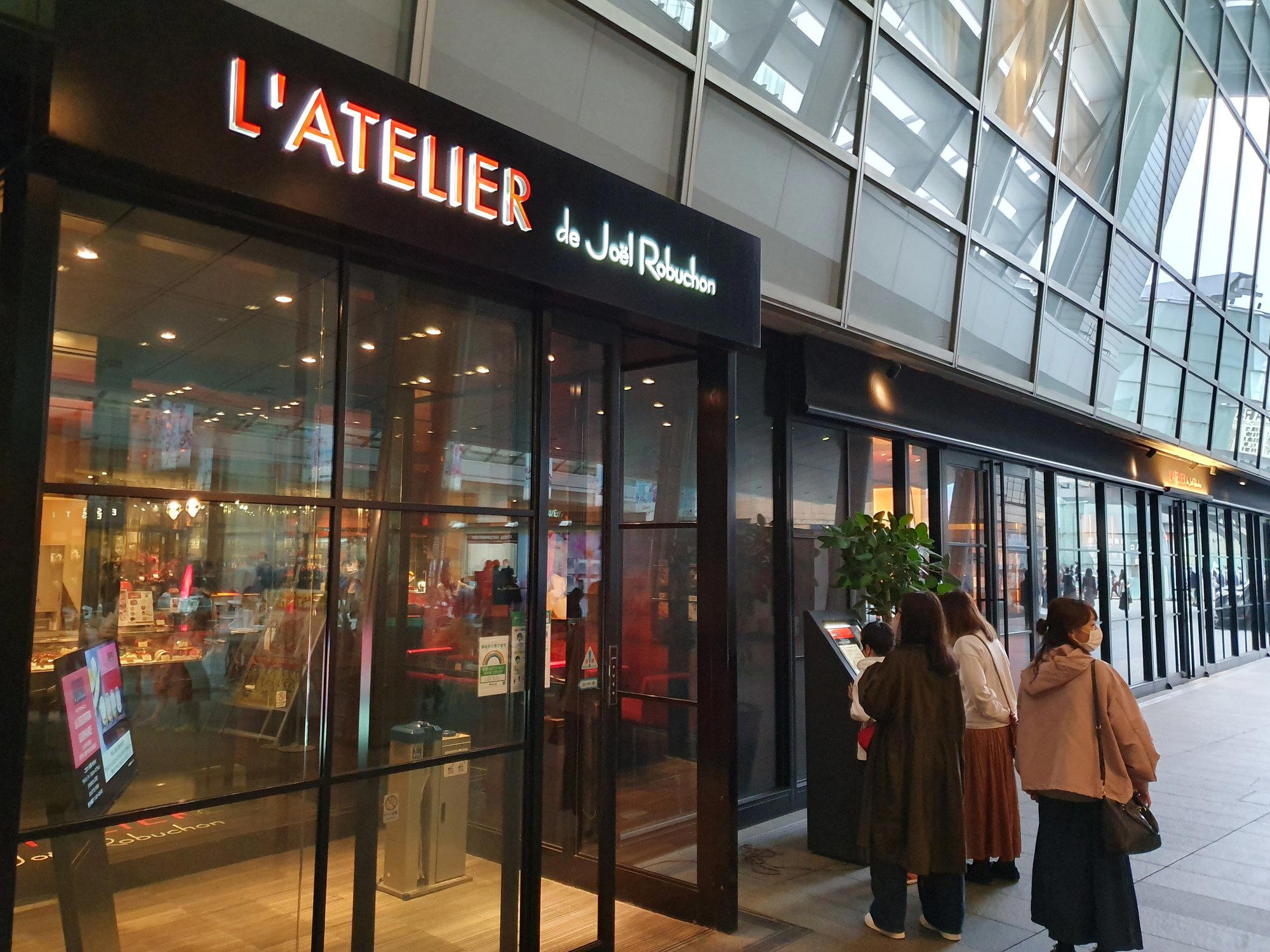
Meguro as a Frame for French Fine Dining
Tokyo's French fine-dining scene has never mapped neatly onto a single neighbourhood. Ginza concentrates one visible tier, multi-star rooms, counter formats, and the city's highest per-cover spending, but a parallel circuit runs through the city's quieter residential wards, where dining addresses carry weight without the surrounding commercial noise. Meguro's Mita district is one such address. The area offers a different physical register from Ginza: lower building density, tree-lined streets, and a quieter approach that shapes expectations before a guest sits down. Joël Robuchon occupies this part of the city, and the location is not incidental to what the experience delivers.
Across Tokyo's premium French tier, which includes addresses like L'Effervescence, Sézanne, and Crony, the competitive differentiation increasingly comes down to format and neighbourhood identity as much as culinary lineage. Sézanne operates in the Four Seasons at Marunouchi, anchored in the business-hotel luxury belt. L'Effervescence sits in Nishi-Azabu, signalling a different kind of quietude, residential but fashionable. Joël Robuchon in Mita reads differently again: a property-within-a-property format housed in the Château Restaurant complex, set apart from the street-level energy that defines most other entries in this tier.
The Robuchon Name in Tokyo's Context
The Joël Robuchon brand carries among the more heavily decorated track records in the history of French cooking, the chef held more Michelin stars simultaneously than any other in the world at the peak of his career, a credential that is documented rather than claimed. That weight travels to the Tokyo address, which belongs to a network of international Robuchon properties rather than existing as a standalone chef-driven project. This matters for how a guest should read the experience: the kitchen here operates within a codified tradition, one with clear technical standards and a defined aesthetic that has been consistent across Robuchon properties in Paris, Monaco, Las Vegas, and beyond.
For Tokyo specifically, this positions the restaurant in a different bracket from the city's more locally rooted fine-dining addresses. Kaiseki institutions like RyuGin are expressions of Japanese culinary philosophy applied with precision; sushi counters like Harutaka operate within centuries of domestic tradition. The restaurant is something else, a flagship of classical French technique transported wholesale into one of the world's most demanding dining cities, held to the same benchmarks as its European counterparts. The comparison set is less Ginza omakase and more Le Bernardin in New York: formal, rigorous, and operating within a codified European framework.
Atmosphere and Physical Setting
The Château Restaurant the restaurant occupies what is described in Tokyo restaurant circles as a château-style building in the Yebisu Garden Place complex, a late-twentieth-century development that gave Meguro a European-inflected anchor distinct from anything in Shinjuku or Shibuya. The building's architecture sets a formal tone before any food arrives: the visual language is Baroque-referential, with a grandeur that is more Paris than Tokyo in its intentions. This is a deliberate departure from the minimalist interiors that dominate the Japanese fine-dining aesthetic, and it divides opinion among guests accustomed to the spare elegance of rooms like those at Atomix in New York or the refined understatement common to high-end kaiseki spaces.
In cities where French fine dining competes with deeply embedded local traditions, the question of atmosphere is rarely neutral. Tokyo diners who choose a Robuchon room are opting into a specific vision of European formality, white tablecloths, a brigade service model, and a room that signals occasion in a European idiom. The contrast with the stripped-back counter formats gaining ground in the city is sharp. This is not a restaurant for the guest who wants the chef-at-arm's-length intimacy of an omakase seat; it is for the guest who wants the full theatre of classical French service delivered in a setting that takes the tradition seriously.
How Joël Robuchon Sits in the Broader Japan Fine-Dining Picture
Tokyo is often treated as the only relevant address for premium dining in Japan, but the country's fine-dining geography is more distributed than that framing suggests. HAJIME in Osaka operates at three Michelin stars in a different urban context. Gion Sasaki in Kyoto represents the kaiseki tradition at its most technically demanding. Further afield, akordu in Nara and Goh in Fukuoka show how ambitious cooking has spread well beyond the capital. Regional addresses like 一本杉川島 in Nanao, 古往今来 in Sapporo, 湖里庵 in Takashima, and 庄内浜 in Nishikawa Machi illustrate that Japan's serious dining is not confined to its three major cities.
Within this picture, the restaurant's Tokyo presence reads as a statement about the city's capacity to absorb and sustain international fine-dining brands at the highest level, a function Tokyo has performed since the 1990s, when it became one of the first Asian cities to develop a Michelin-relevant French restaurant culture. The Robuchon name has maintained a presence here across decades. For dining specifically within Japan's French tradition rather than its Japanese one, comparison points like Bistro Ange in Toyohashi and Birdland in Sakai illustrate how French-influenced cooking operates at entirely different price and ambition tiers across the country.
Planning a Visit
Château Restaurant the restaurant is located within Yebisu Garden Place in Mita, Meguro City, a self-contained complex reachable from Ebisu Station on the JR Yamanote Line, a short walk via a covered walkway that connects the station to the complex. Advance reservations are essential. Guests should arrive dressed for a room that takes European dining formality seriously.
Just the Basics
Comparable venues nearby, for context on price, style, and recognition.
| Venue | Cuisine | Price | Notes |
|---|---|---|---|
| Joël RobuchonThis venue — the venue you are viewing | Shibuya, Modern French Fine Dining | $$$$ | Not listed |
| Hiromichi | Not listed | $$$$ | Shibuya, Michelin-Starred French Fine Dining |
| アルゴリズム | Minato, Modern French Fine Dining | $$$$ | Not listed |
| French Kitchen | Minato, Classic French Bistro | $$$$ | Not listed |
| スブリム | Minato, Nordic-French Fusion | $$$$ | Not listed |
| ジランドール | Shinjuku, Modern French Brasserie | $$$$ | Not listed |














At a Glance
- Elegant
- Sophisticated
- Ornate
- Intimate
- Classic
- Date Night
- Special Occasion
- Celebration
- Business Dinner
- Private Dining
- Hotel Restaurant
- Extensive Wine List
- Sommelier Led
Current opening hours
- Monday
- 12–1 PM, 5:30–7:30 PM
- Tuesday
- 12–1 PM, 5:30–7:30 PM
- Wednesday
- 12–1 PM, 5:30–7:30 PM
- Thursday
- 12–1 PM, 5:30–7:30 PM
- Friday
- 12–1 PM, 5:30–7:30 PM
- Saturday
- 12–1 PM, 5:30–7:30 PM
- Sunday
- 12–1 PM, 5:30–7:30 PM
Hours can change for holidays and private events. Last verified .
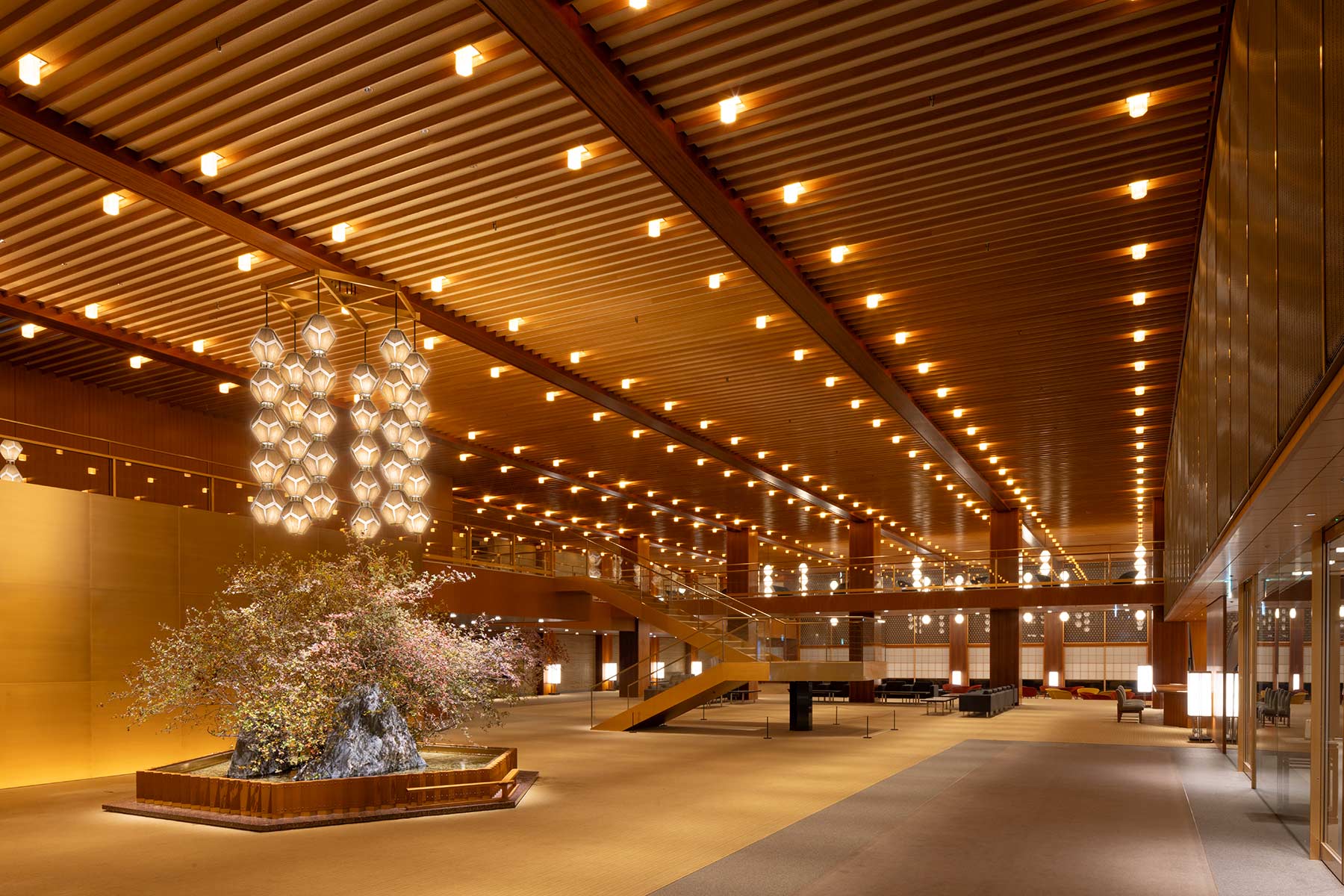
Ornate dining room with Baccarat chandeliers and Swarovski crystals in champagne gold and black tones, evoking a luxurious French chateau atmosphere.