A French bistro institution in Nishiazabu, ル・ブルギニオン occupies one of Tokyo's more quietly enduring positions in the neighbourhood's dining tier, French technique executed with consistency in a room that rewards repeat visits. For travelers comparing the city's European-influenced addresses, it sits in a different register than the grand-tasting-menu houses, offering a more grounded format without sacrificing seriousness.
Pearl is the En Primeur Club membership app — saves, bookings, and concierge access live there. Same editors, same standards.
- Address
- 3 Chome-3-1 Nishiazabu, Minato City, Tokyo 106-0031, Japan
- Phone
- +81357726244
- Website
- le-bourguignon.jp
- Directions
- Get directions
 Saves & bookings on Pearl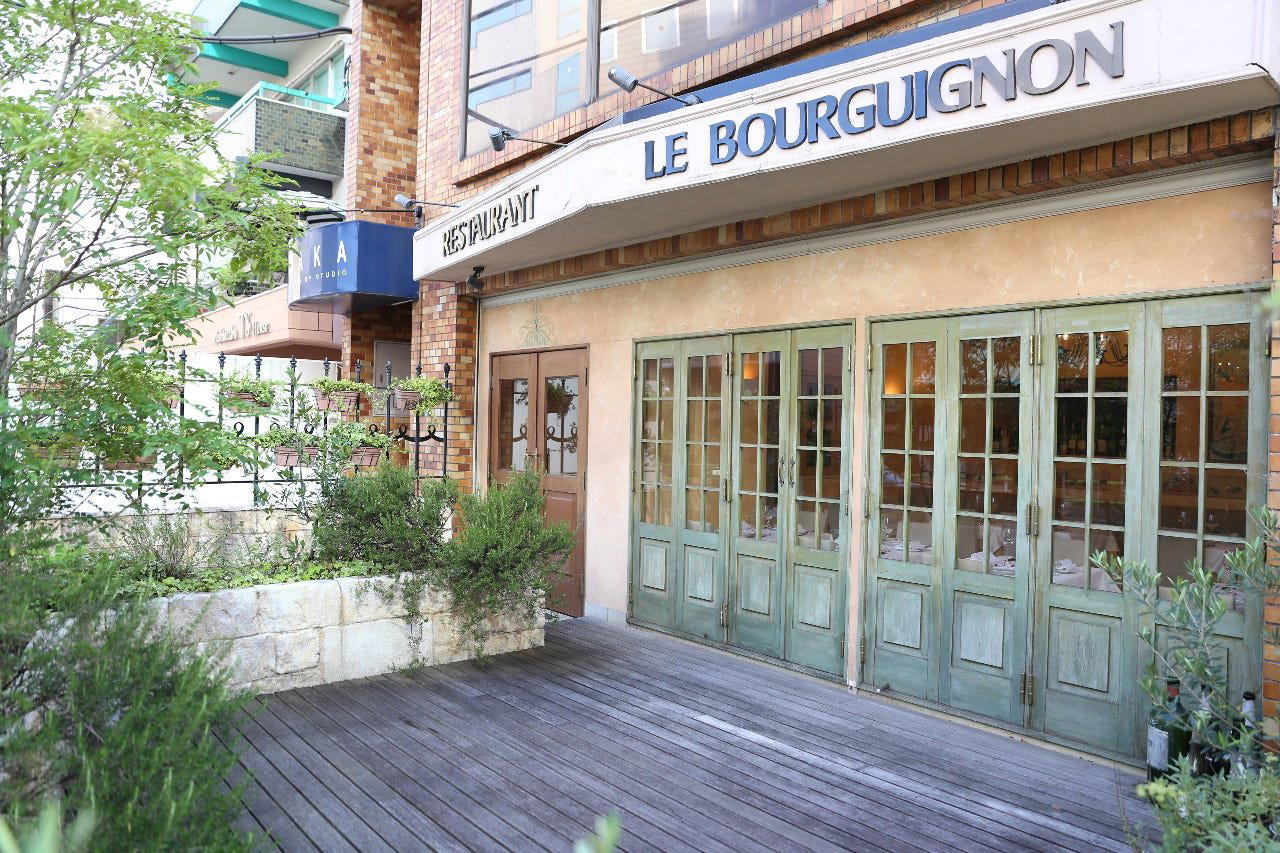
Nishiazabu's French Quarter and Where ル・ブルギニオン Sits Within It
French restaurants in Tokyo have always operated across a wide internal spectrum. At one end sit the grandes tables, Michelin-decorated rooms with multi-course tasting menus, sommelier teams, and booking windows measured in months. At the other end, the brasserie tier: zinc counters, chalkboard plats du jour, and a clientele that arrives without a reservation. Nishiazabu, the low-rise residential quarter of Minato City, has historically hosted restaurants that occupy the middle register of that spectrum: serious without being ceremonial, French in technique but uninterested in performance. ル・ブルギニオン, addressed at 3 Chome-3-1 Nishiazabu, belongs to that tradition. It is the kind of address that earns loyalty from the neighbourhood rather than destination traffic from abroad, and in Tokyo's densely competitive French scene, that is a meaningful distinction. Google lists the restaurant at 4.6 stars from 297 reviews, with a price tier around $150 per person.
The broader Nishiazabu dining corridor has shifted considerably over the past decade. Several of the city's most discussed French addresses, L'Effervescence and Sézanne among them, operate at a price and format tier that places them in direct conversation with the Michelin three-star circuit. Crony, at the innovative end of the French continuum, has attracted a younger professional audience drawn to counter dining and seasonal spontaneity. ル・ブルギニオン's positioning is different: the name itself references Burgundy, signalling a classical French allegiance rather than a contemporary reinterpretation, and the Nishiazabu address grounds it in a neighbourhood where the ambient expectation is refinement rather than spectacle.
The Physical Room as Argument
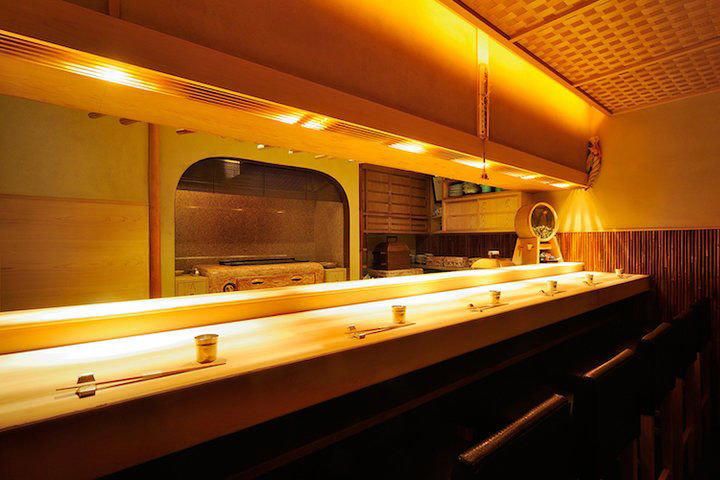
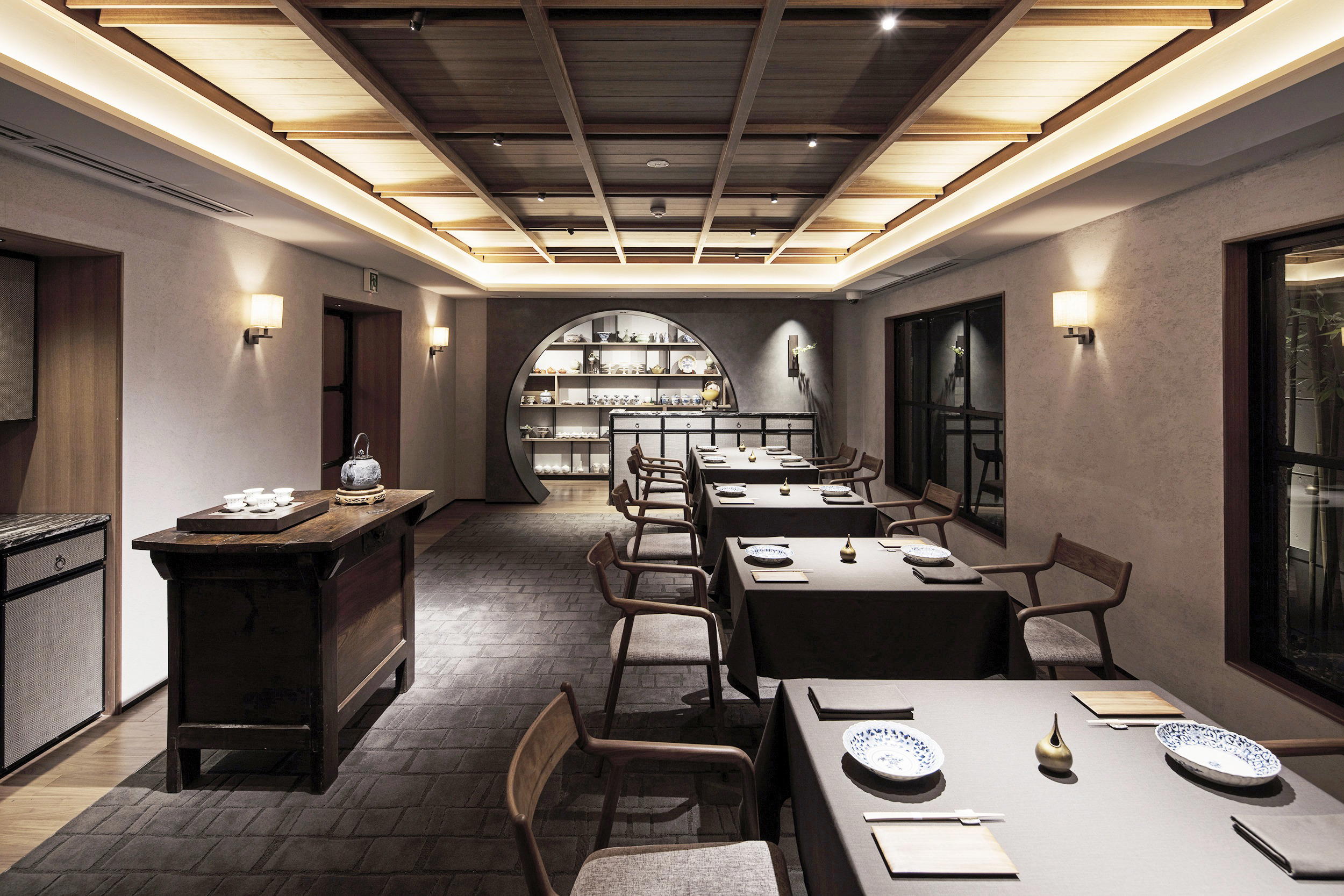
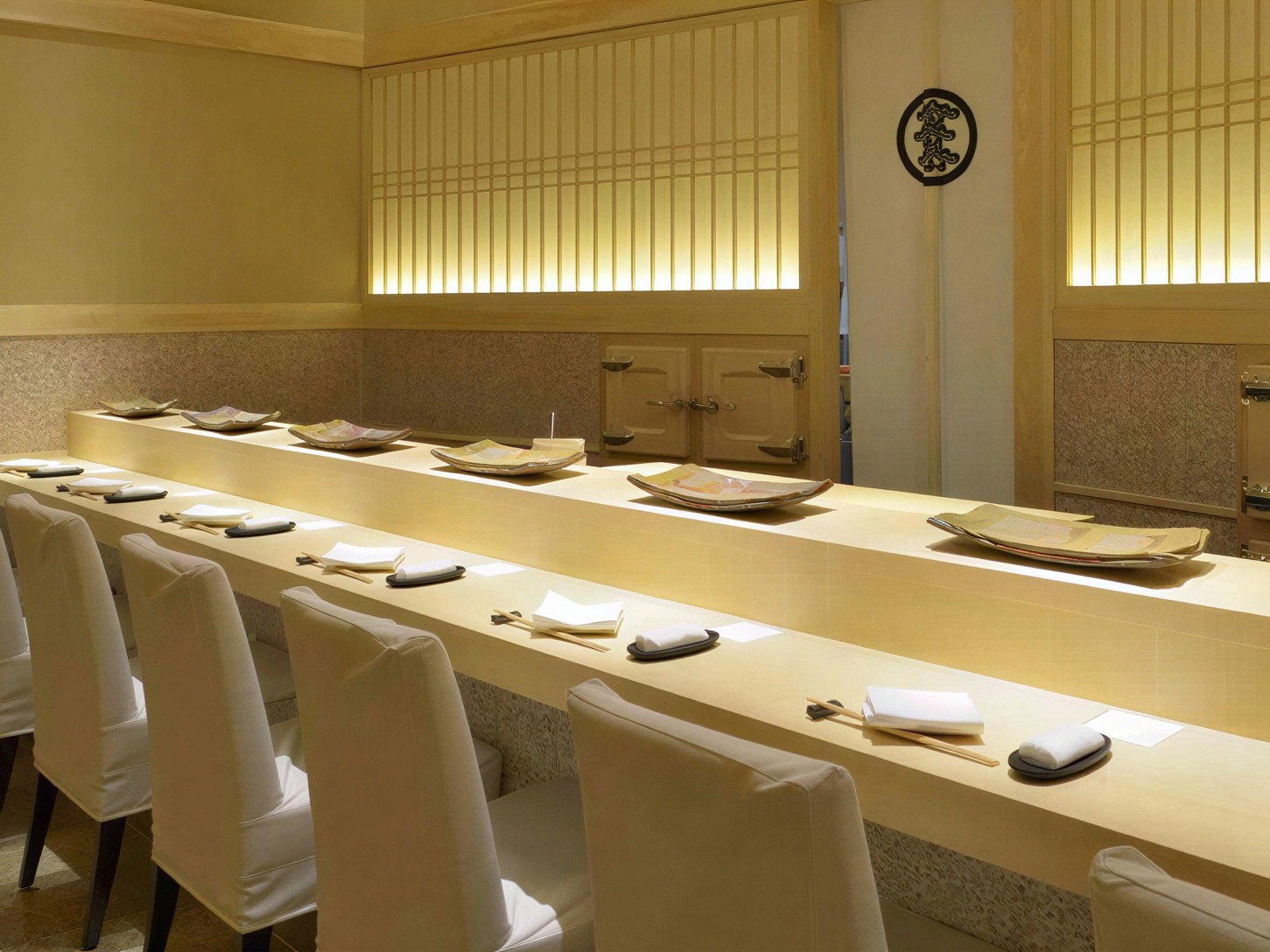
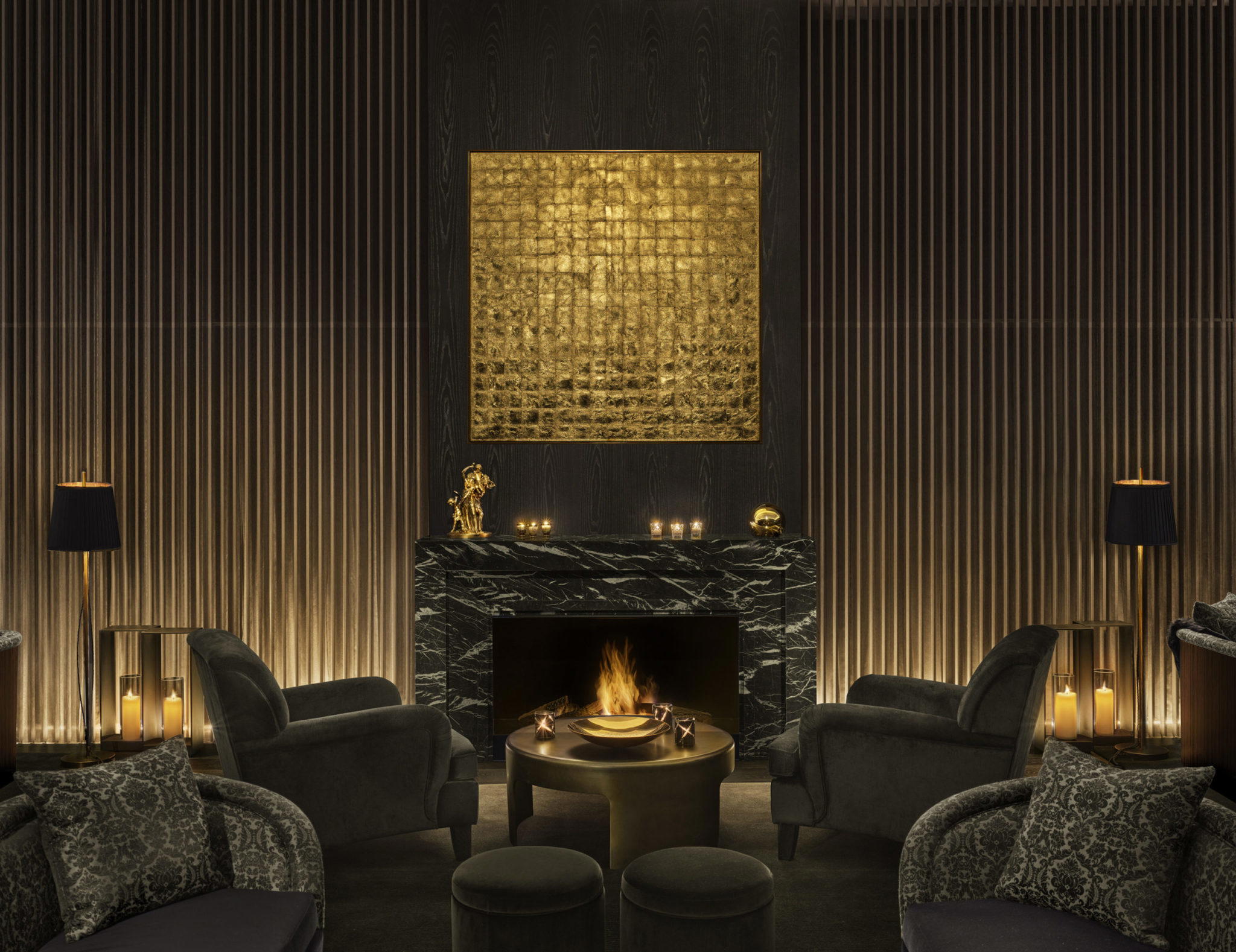
In a city where restaurant interiors often function as brand statements, raw concrete for minimalism, marble and brass for international luxury, exposed timber for neo-rustic warmth, the French bistro idiom occupies a specific spatial logic. The archetype involves tight table spacing, textured walls, low lighting calibrated to flattery rather than drama, and a general sense that the room has been used and will continue to be. This is not accidental design; it is a deliberate signal that the cooking, not the container, is the primary event.
The restaurant's Nishiazabu location fits within that spatial tradition. The address sits in a neighbourhood where building footprints run small and street frontage is modest, the physical conditions that tend to produce intimate dining rooms rather than grand halls. In Tokyo's French tier, room scale tends to correlate with format: the larger the dining room, the more likely the menu leans toward fixed tasting sequences designed to manage service flow. Smaller rooms allow for the kind of à la carte flexibility that French dining classicists tend to prefer. The room is, in this sense, an argument for a certain kind of meal.
Comparing across the city's European fine dining tier helps clarify the position. Harutaka in Ginza operates a counter format that prioritises chef-to-guest proximity above all else. RyuGin, the kaiseki address in Roppongi, deploys a room designed to reinforce the ceremony of seasonal Japanese cooking. Each space is a legible statement of culinary identity. The French bistro form at the restaurant makes a quieter claim: that the meal should feel like an occasion without requiring the room to announce itself.
Classical French Technique in Tokyo's Current Market
Tokyo's appetite for French cooking has proven more durable than that of almost any other non-Japanese city. The density of French-trained chefs, the depth of the customer base for classical technique, and the city's infrastructure for imported produce and wine have together created a market that sustains addresses across every price tier. Burgundy-inflected cooking, the name the restaurant is an unambiguous flag, sits within a specific French tradition: one centred on wine-region produce, long-cooked preparations, and an aesthetic of richness rather than minimalism.
That tradition is less fashionable internationally than it was two decades ago, when Burgundy's dominance of the fine wine market was matched by a corresponding prestige for its cooking. In Tokyo, however, classical French has retained a foothold that it has lost in London or New York, partly because the Japanese appreciation for craft and consistency maps well onto a culinary tradition built around technique rather than novelty. Addresses that hold their position in this register over years, rather than cycling through concept refreshes, tend to build the kind of repeat clientele that sustains a restaurant through market shifts. For context on how French technique travels across Japanese cities, HAJIME in Osaka represents one decorated end of that spectrum, while addresses like akordu in Nara show how European technique adapts to smaller, more regionally specific markets. In Tokyo itself, the range runs from the grand-format French of Sézanne to neighbourhood anchors like ル・ブルギニオン.
Beyond Tokyo, the same French-meets-local dynamic plays out across Japan's dining regions. Gion Sasaki in Kyoto and Goh in Fukuoka both demonstrate how European influences fold into distinctly Japanese dining contexts. Further afield, 一本杉川嶋 in Nanao, 古仁屋山乃 in Sapporo, 湖畔荘 in Takashima, 広羽屋 in Nishikawa Machi, Birdland in Sakai, and Bistro Ange in Toyohashi each illustrate how Japan's culinary geography extends well beyond the major metropolitan centres. For international comparison, the classical French authority of Le Bernardin in New York City and the Korean-inflected fine dining of Atomix show how culinary traditions translate, or resist translation, across geographies.
Planning Your Visit
The restaurant is located at 3 Chome-3-1 Nishiazabu, Minato City, Tokyo. The Nishiazabu address is walkable from Roppongi station (Hibiya and Toei Oedo lines) and a short taxi ride from Hiroo or Azabu-Juban. Reservations are essential, and the restaurant is open Monday and Tuesday from 11:30 AM to 2:30 PM and 6 to 10 PM, Thursday through Sunday from 11:30 AM to 2:30 PM and 6 to 10 PM, and closed on Wednesday. For the wider Tokyo dining picture, our full Tokyo restaurants guide covers the city's French tier alongside its kaiseki, sushi, and contemporary addresses.
Budget and Context
Comparable venues nearby, for context on price, style, and recognition.
| Venue | Cuisine | Price | Notes |
|---|---|---|---|
| ル・ブルギニオンThis venue — the venue you are viewing | Minato, Burgundy-style French Bistro | $$$$ | Not listed |
| レストラン トヨ トーキョー | Not listed | $$$$ | Chiyoda, Japanese-French Fusion Counter Dining |
| French Kitchen | Minato, Classic French Bistro | $$$$ | Not listed |
| トレフ ミヤモト | Minato, Aromatic French Fine Dining | $$$$ | Not listed |
| A New Shohei Shimono | Shibuya, Innovative French | $$$$ | Not listed |
| アビス | Shibuya, Modern French Seafood | $$$$ | Not listed |










At a Glance
- Elegant
- Cozy
- Sophisticated
- Classic
- Intimate
- Date Night
- Special Occasion
- Business Dinner
- Standalone
- Extensive Wine List
Current opening hours
- Monday
- 11:30 AM–2:30 PM, 6–10 PM
- Tuesday
- 11:30 AM–2:30 PM, 6–10 PM
- Wednesday
- Closed
- Thursday
- 11:30 AM–2:30 PM, 6–10 PM
- Friday
- 11:30 AM–2:30 PM, 6–10 PM
- Saturday
- 11:30 AM–2:30 PM, 6–10 PM
- Sunday
- 11:30 AM–2:30 PM, 6–10 PM
Hours can change for holidays and private events. Last verified .
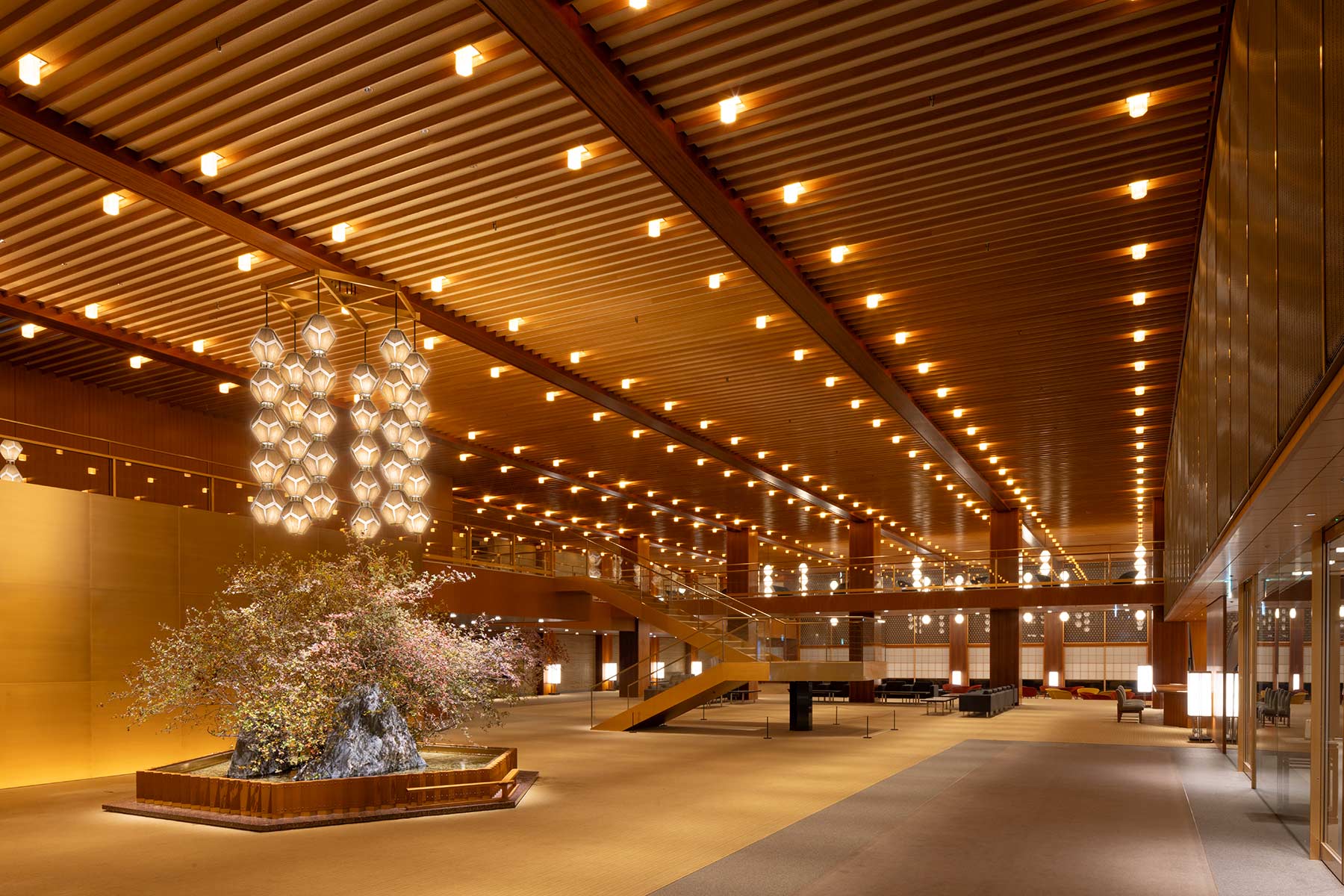
Harmonious blend of traditional and contemporary design offering a relaxing, warm atmosphere reminiscent of a classic French home.