Our verdict
岩㦁 酒 sits in Minami-Aoyama, one of Tokyo's more considered dining districts, where the competition runs from Michelin-starred French houses to counter-format sushi and kaiseki.

Pearl is the En Primeur Club membership app — saves, bookings, and concierge access live there. Same editors, same standards.
- Address
- Japan, 〒107-0062 Tokyo, Minato City, Minamiaoyama, 4 Chome−26−12 ボ・アード青山 B1
- Phone
- +815018090029
- Website
- kappou-ryu.jp
- Directions
- Get directions
- Booking
- Book on TableCheck
The menu
What to order
- Seasonal nigiri selection
- Uni
- Otoro
- Aged fish
Minami-Aoyama's Quieter Register
Tokyo's premium dining is commonly mapped to Ginza, Nishi-Azabu, or the hotel corridors of Roppongi. Minami-Aoyama operates differently. The ward sits between the commercial energy of Omotesando and the residential calm of Hiroo, and the restaurants that have taken root here tend to reflect that in-between quality: serious food without the full theatrical apparatus of a destination-dining district. 岩㦁 酒 occupies this territory at 4-26-12 Minami-Aoyama, Minato City, in the Chez-Moi Aoyama building, an address that reads less like a marquee and more like a local commitment.
In the broader Tokyo dining scene, that kind of geographic positioning carries meaning. The venues that cluster in Aoyama and its immediate surrounds tend to draw regulars rather than tourism traffic, which shapes everything from pacing to noise levels. For the reader deciding between a high-production omakase counter in Ginza and something with a different texture, the district itself is part of the decision.
The Lunch and Dinner Divide in Tokyo's Mid-Tier
Across Tokyo's competitive restaurant tiers, the gap between lunch and dinner service has widened considerably in recent years. At the ¥¥¥¥ end of the market — where venues like Harutaka, L'Effervescence, and RyuGin operate — lunch is often a compressed but structurally similar version of the evening experience, priced at a meaningful discount and targeted at working professionals and hotel guests with midday flexibility. Dinner at these addresses commits the kitchen to the full sequence, higher per-cover spend, and a room that reads differently once natural light is gone.
At the ¥¥¥ tier, where Sézanne and Crony have demonstrated that French-inflected cooking can operate at a premium without the full ¥¥¥¥ ceiling, the lunch proposition becomes more commercially significant. A well-executed lunch at this price point can outperform a comparable dinner in value terms, particularly when the menu structure is similar and the room is less full. In Tokyo's restaurant culture, booking lunch at a serious address is not a compromise, it is frequently the more sensible call.
For 岩㦁 酒 in Minami-Aoyama, the neighbourhood context reinforces this. Aoyama's restaurant rooms tend to carry a different energy at midday than in the evening. The foot traffic from the surrounding fashion houses and design studios generates a lunch crowd that often skews toward people who know the room, which creates a quieter, more focused atmosphere than the evening service, which can attract a broader mix of diners.
How Aoyama Positions Against Tokyo's Other Premium Districts
The shorthand for understanding Tokyo dining geography is direct: Ginza for the highest concentration of Michelin stars per block, Nishi-Azabu for creative independents and low-key chef experimentation, Roppongi for hotel dining and international travellers, and Aoyama for something closer to what Paris calls the 8th arrondissement, a district where fashion, architecture, and food share a common sensibility without any single element dominating.
The competition in this ward is not the multi-course kaiseki counter with a two-year waitlist. It is a group of restaurants where cooking quality is taken as given, and the differentiator is atmosphere, pacing, and the specific kind of experience the room produces. In that context, a venue in a residential-scale building on a Minami-Aoyama side street is already making an editorial statement about what kind of dining it is.
Comparable decisions play out across Japan's premium restaurant scene. HAJIME in Osaka and Gion Sasaki in Kyoto both occupy neighbourhood contexts that shape the dining experience before the food arrives. akordu in Nara and Goh in Fukuoka demonstrate that Japan's most interesting restaurant addresses are not exclusively metropolitan, even as Tokyo continues to set the reference points. For anyone building an itinerary around Japan's dining culture more broadly, the full range runs from urban counters to regional producers, with restaurants like 一本木 佐川製 in Nanao, 夕佇山乃 in Sapporo, 湖南荘 in Takashima, and 鳥羽屋 in Nishikawa Machi representing what Japan's regional dining scene has become.
What the Address Signals
The Chez-Moi Aoyama building is not a standalone structure designed to announce its tenants. It is the kind of low-profile residential-commercial hybrid that Minami-Aoyama has accumulated over decades, the sort of address that functions as a credential in itself. Restaurants that occupy spaces like this are, almost by definition, not counting on walk-in traffic or street-level visibility to fill their rooms. They are operating on word of mouth, repeat custom, and a reputation that travels through specific networks.
That pattern appears across serious restaurant addresses in Tokyo and, for international comparison, at venues like Le Bernardin in New York City and Atomix in New York City, where the physical address carries its own signal about the kind of operation inside. In each case, the location communicates something about who the restaurant is for before the menu is opened. The broader Japanese regional parallel holds too: Birdland in Sakai and Bistro Ange in Toyohashi operate with similar logic in their respective cities, where the neighbourhood signals more than the signage does.
For a fuller view of how Tokyo's restaurant scene organises itself across districts, price tiers, and cuisine formats, our full Tokyo restaurants guide maps the patterns across the city.
Planning Your Visit
- Address: 4-26-12 Minami-Aoyama, Minato City, Tokyo 107-0062 (Chez-Moi Aoyama Building B)
- District: Minami-Aoyama, served by Omotesando Station (Tokyo Metro Ginza, Chiyoda, and Hanzomon lines), approximately 7–10 minutes on foot
- Booking: Contact details not publicly listed; approach via in-person enquiry or third-party reservation platforms
- Timing note: In Aoyama, lunch reservations at quieter addresses tend to have more availability than evening slots; midday visits are worth prioritising
- Dress code: Smart casual is the Aoyama default; check current venue policy at time of booking
Frequently asked questions
What is the atmosphere like at 岩㦁 酒?
Minami-Aoyama sets the register here: low foot traffic, residential-scale architecture, and a room that draws from the surrounding neighbourhood's professional and creative community rather than from tourist circuits. Compared to the higher-production environments of Ginza's leading Michelin-starred counters or the fashion-forward energy of a Nishi-Azabu creative independent, this address reads as considered and quieter. The Chez-Moi Aoyama building context reinforces that, this is not a venue designed for spectacle.
What's the must-try dish at 岩㦁 酒?
What the Minami-Aoyama address and format context suggest is a kitchen operating in dialogue with the neighbourhood's aesthetic expectations: precise, restrained, and unlikely to prioritise drama over craft. In the interim, our coverage of Crony and L'Effervescence offers a calibrated sense of what ambitious Tokyo kitchens in this neighbourhood tier are currently producing.
Is 岩㦁 酒 better suited to lunch or dinner?
The Minami-Aoyama context and building format favour lunch as the more manageable entry point for first-time visitors. In Tokyo's restaurant culture, serious addresses in residential-adjacent districts tend to have a more settled, focused atmosphere at midday, with evening service drawing a broader and sometimes louder crowd. Booking lunch at a Minami-Aoyama address like this one is consistent with how local regulars and Tokyo dining professionals tend to approach the neighbourhood.
Comparable options at a glance, pulled from our tracked venues.
| Venue | Cuisine | Price | Awards | Notes |
|---|---|---|---|---|
| å²ç¹ éThis venue — the venue you are viewing | Edomae Omakase | $200–300 | Not listed | Not listed |
| Harutaka | Edo-Style Omakase Sushi | $200–300 | 3 Michelin Stars · World's 50 Best #76 | Sushi |
| L'Effervescence | Modern French with Japanese Influences | $200–300 | 3 Michelin Stars · World's 50 Best #69 | French |
| RyuGin | Modern Kaiseki | $500+ | 3 Michelin Stars · World's 50 Best #41 | Kaiseki, Japanese |
| Crony | Modern French with Japanese Influences | $150–200 | 2 Michelin Stars · World's 50 Best #34 | Innovative, French |
| Florilège | Modern French-Japanese Plant-Based Fine Dining | $50–100 | 2 Michelin Stars · World's 50 Best #31 | French |













Details
- Elegant
- Intimate
- Sophisticated
- Modern
- Special Occasion
- Date Night
- Business Dinner
- Chefs Counter
- Open Kitchen
- Sake Program
- Sommelier Led
- Local Sourcing
- Sustainable Seafood
- Omakase
- Counter Dining
- Sake
- Wine
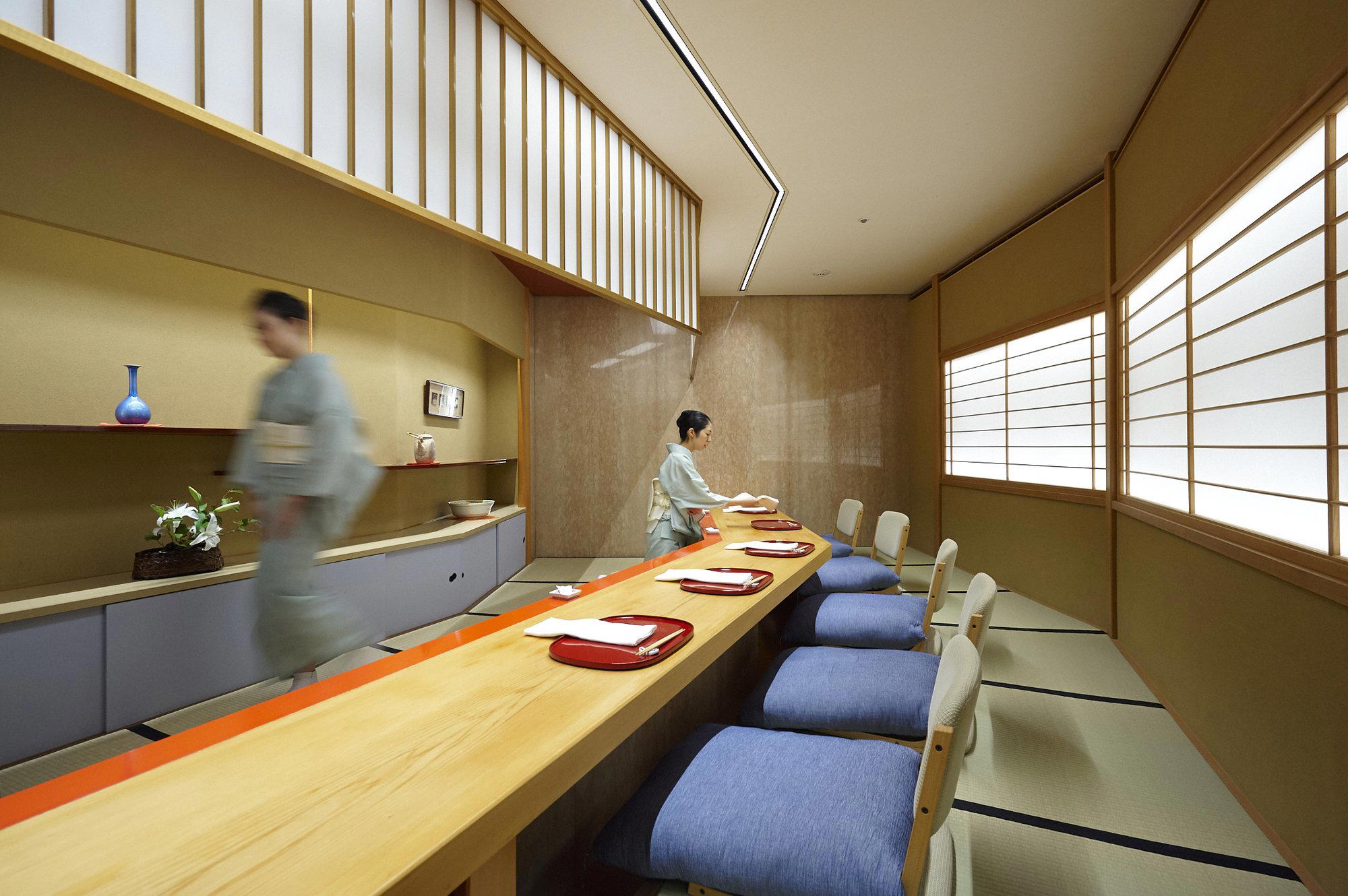
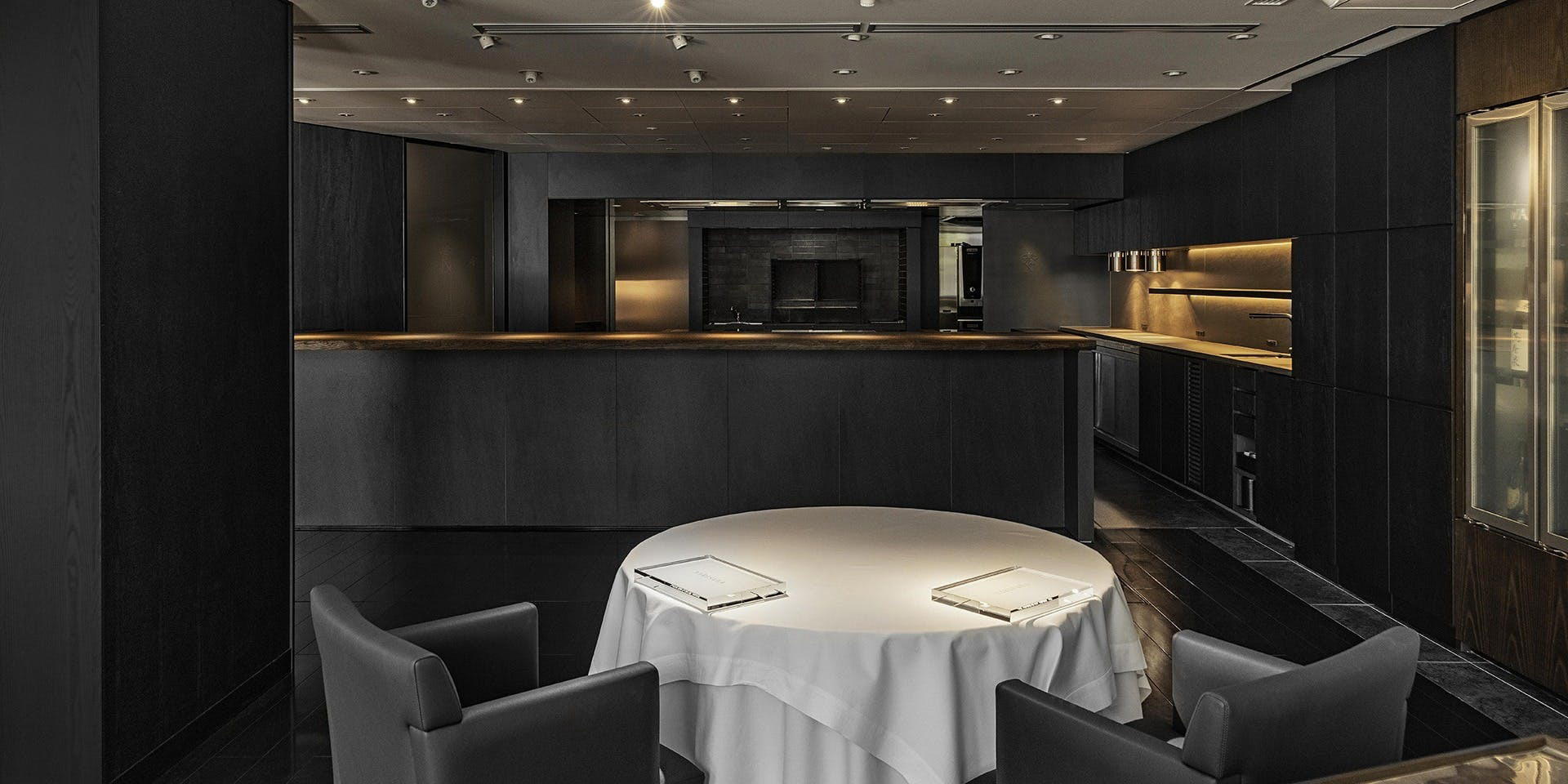
Minimalist, serene atmosphere with soft lighting and natural wood finishes; guests sit at a pristine counter watching the chef's precise knife work and meticulous preparation.