
Tabelog 100 #70
Our verdict
Torioka is a Tokyo restaurant operating within the city's most demanding tier of yakitori specialisation, where menu architecture and ingredient discipline define the experience rather than spectacle. The format sits firmly in the low-seat, high-precision category that Tokyo has refined over decades. Advance booking is essential, and the investment reflects a kitchen working at the upper end of the yakitori tradition.

Pearl is the En Primeur Club membership app, where members save venues, book tables and use the concierge.
The menu
What to order
- Seven-skewer omakase
- Oyakodon
- Soborodon
- Tori paitan soup
Where Yakitori Becomes a Structured Argument
Tokyo's yakitori tradition has always operated on a spectrum, from the smoke-filled tachinomi stands beneath refined train tracks to a smaller, more deliberate tier where the chicken is sourced from named farms, the charcoal is selected as carefully as the protein, and the progression of skewers follows a logic that mirrors kaiseki in its discipline. Torioka belongs to that upper register, where the menu is not a list of available cuts but a sequenced statement about how a bird should be eaten from first to last skewer.
This structural approach to yakitori is not new to Tokyo, but it remains the exception rather than the rule. Most yakitori counters, even good ones, hand the guest a degree of control: point at what you want, add more of what you like, stop when you're full. The omakase-style yakitori format removes that flexibility and replaces it with an argument, one that the kitchen makes course by course, cut by cut. At venues working at this level, the decision to serve a particular part of the bird at a particular moment in the meal reflects choices about fat content, texture progression, and palate fatigue that the diner would be unlikely to navigate as effectively on their own.
The Architecture of the Menu
What distinguishes the most serious yakitori in Tokyo is not the number of cuts on offer but the order in which they appear and the reasoning behind that sequence. A well-constructed yakitori progression typically opens with leaner, more delicate cuts, those that would be overwhelmed by the residual smokiness that builds on the palate over a long meal, before moving toward richer, fattier sections and finishing with preparations that close the meal decisively. This is the same principle that governs a kaiseki progression or a tasting menu at a French counter: the menu is a timeline, and every position in that timeline carries a specific function.
At the tier where Torioka operates, the sourcing of the bird is inseparable from the architecture of the menu. When a kitchen is working with a breed whose fat distribution, muscle density, and flavour profile are known quantities, it can build a sequence with confidence. The same cut from an undifferentiated commercial bird would behave differently on the grill, and the sequence would lose its internal logic. The ingredient specificity is not a marketing point; it is a structural requirement of the format.
This places Torioka in a peer group that includes only a handful of Tokyo counters. For comparison, Harutaka applies the same sequencing discipline to sushi, and RyuGin builds its kaiseki menu around a comparable internal logic, where each course prepares the diner for the next rather than existing in isolation. The sophistication of menu architecture is not cuisine-specific; it is a philosophy about how a meal should be experienced in time.
Yakitori at This Level in a Wider Tokyo Context
Tokyo's dining categories are more porous than they appear from the outside. The cultural assumption that yakitori is casual and kaiseki is formal has been systematically dismantled over the past two decades by counters that apply fine-dining rigour to working-class cooking formats. The same process happened with ramen, tempura, and katsu cuisine, each category producing a small cohort of practitioners who extracted the underlying technique and refined the precision without abandoning the essential character of the form.
The investment reflects charcoal discipline, sourcing costs, and the low seat counts that make it impossible to operate on volume. This is the same economic logic that governs the L'Effervescence model in French dining or the approach at Sézanne, where the price is set by the cost structure of precision, not by a decision to be expensive. Guests comparing this experience against casual yakitori chains are measuring by the wrong metric. The correct comparison set is the broader omakase tier, regardless of cuisine type.
For those building a longer Japan itinerary, this kind of format-specific rigour extends well beyond Tokyo. Gion Sasaki in Kyoto applies comparable discipline to kaiseki, while HAJIME in Osaka and Goh in Fukuoka each demonstrate that the appetite for structured, high-precision dining is not confined to the capital. Regionally, akordu in Nara and smaller counters like 一本木 荒川製 in Nanao, 古代山乃 in Sapporo, and 湖畔庵 in Takashima each operate within their own local traditions but share the same foundational commitment to sequence, sourcing, and restraint. The 庄羽屋 in Nishikawa Machi format illustrates how far this sensibility has spread from the capital.
Internationally, the structuring logic visible at this tier of Tokyo yakitori finds echoes in the approach at Le Bernardin in New York City, where a single protein category is treated with similar obsessive focus, and at Atomix, where the sequenced format becomes its own form of argument. Closer to home, Crony operates within Tokyo's French-inflected innovative tier, demonstrating that the appetite for structured tasting formats crosses culinary traditions within the city itself. You can find our broader assessment of where this and comparable venues sit in our full Tokyo restaurants guide.
Planning a Visit
Counters operating at this level in Tokyo typically book between four and eight weeks ahead, with demand concentrated around Friday and Saturday evenings. Midweek seatings generally offer more availability without any change in the kitchen's output. The format is counter-only at venues working in this style, which means seat counts are low and cancellations are consequential; confirm your reservation and treat the time slot as fixed. The meal unfolds at the kitchen's pace, so build two to two-and-a-half hours into the evening without downstream commitments. Pairing options at this tier will typically include sake selections chosen to complement the fat content and salinity progression of the skewer sequence rather than a broad wine list, though the specific offering at Torioka should be confirmed directly. For yakitori at a comparable price point but in a different city format, Birdland in Sakai and Bistro Ange in Toyohashi offer useful regional reference points for how different markets approach the premium end of protein-focused tasting formats.
Frequently asked questions
How does Torioka differ from a standard Tokyo yakitori restaurant?
Most yakitori restaurants in Tokyo, even good ones, operate as informal order-as-you-go formats where the guest assembles the meal. Torioka works within a structured counter model in which the kitchen determines the sequence, the cuts, and the pacing, a framework closer to omakase than to a grill menu. That distinction places it in a very small category within Tokyo's yakitori scene.
What's the best thing to order at Torioka?
At counters operating at this level in Tokyo, the answer is almost always the full sequence as composed by the kitchen rather than à la carte selections. The progression of cuts is the argument, ordering selectively collapses the structure the menu is built around. Arrive without a shortlist and let the course unfold.
Should I book Torioka in advance?
Yes, and the window is longer than most visitors expect. Tokyo yakitori counters working at this register typically fill four to eight weeks ahead, with Friday and Saturday seatings going first. Attempting a walk-in or a last-minute booking for a weekend is not a realistic strategy.
What is Torioka known for?
Torioka sits within a small cohort of Tokyo yakitori counters that treat the grill format with the same structural seriousness applied to kaiseki: sequenced cuts, deliberate pacing, and a clear culinary logic from first skewer to last. That positioning challenges the longstanding assumption that yakitori is categorically casual dining.
Can Torioka adjust for dietary needs?
Counters built around a fixed, sequenced menu have limited flexibility by design, the order and composition of cuts is the point. Guests with specific dietary restrictions should communicate these clearly at the time of booking rather than on arrival, giving the kitchen the maximum notice to respond or advise.
Is a meal at Torioka worth the investment?
That depends on what you are comparing it against. Within Tokyo's yakitori tier, counters operating at this level of intentionality are a small group, and the format delivers something a casual skewer stand cannot: a composed, argued meal with a beginning and an end. If the grill counter format appeals, this is where the category is taken most seriously in the city.
Cost and Credentials
Comparable venues nearby, for context on price, style, and recognition.
| Venue | Cuisine | Price | Awards | Notes |
|---|---|---|---|---|
| ToriokaThis venue (the venue you are viewing) | Premium Yakitori Omakase | $50–100 | Tabelog 100 #70 | Not listed |
| 四ッ谷 みね村 | Traditional Japanese Kaiseki | $500+ | Not listed | Shinjuku, Traditional Japanese Kaiseki |
| Kushiage KAWATA | Modern Kushiage Omakase | $100–150 | Michelin Plate | Minato, Modern Kushiage Omakase |
| Sushi Yuu | Traditional Edomae Omakase Sushi | $150–200 | Tabelog 100 #9 | Chūō, Traditional Edomae Omakase Sushi |
| Karyu | Wagyu Kaiseki Omakase | $300–500 | 1 Michelin Star · Tabelog Bronze #167 | Chūō, Wagyu Kaiseki |
| Sushi Kinoshita | Seasonal Japanese & Edomae Sushi Omakase | $200–300 | Tabelog 100 #70 | Minato, Seasonal Japanese & Edomae Sushi Omakase |
Recognition history
Dated appearances from independent guides and award organizations, with the underlying list record or original source where available.
Tabelog 100 #70 · No. 70
Tabelog · Tabelog 100 - Yakitori - EAST - 2025
Continue exploring
More in Tokyo
Restaurants in Tokyo
All restaurants in Tokyo →
Bars in Tokyo
All bars in Tokyo →



Details
- Elegant
- Intimate
- Sophisticated
- Special Occasion
- Solo
- Date Night
- Chefs Counter
- Open Kitchen
- Design Destination
- Sake Program
- Local Sourcing
- Farm To Table
- Omakase
- Counter Dining
- Set Menu
- Sake
- Allergy Accommodating
Current opening hours
- Monday
- Closed
- Tuesday
- 12–3 PM, 5–8 PM
- Wednesday
- 12–3 PM, 5–8 PM
- Thursday
- 12–3 PM, 5–8 PM
- Friday
- 12–3 PM, 5–8 PM
- Saturday
- 12–3 PM, 5–8 PM
- Sunday
- 12–3 PM, 5–8 PM
Hours can change for holidays and private events. Hours as of .
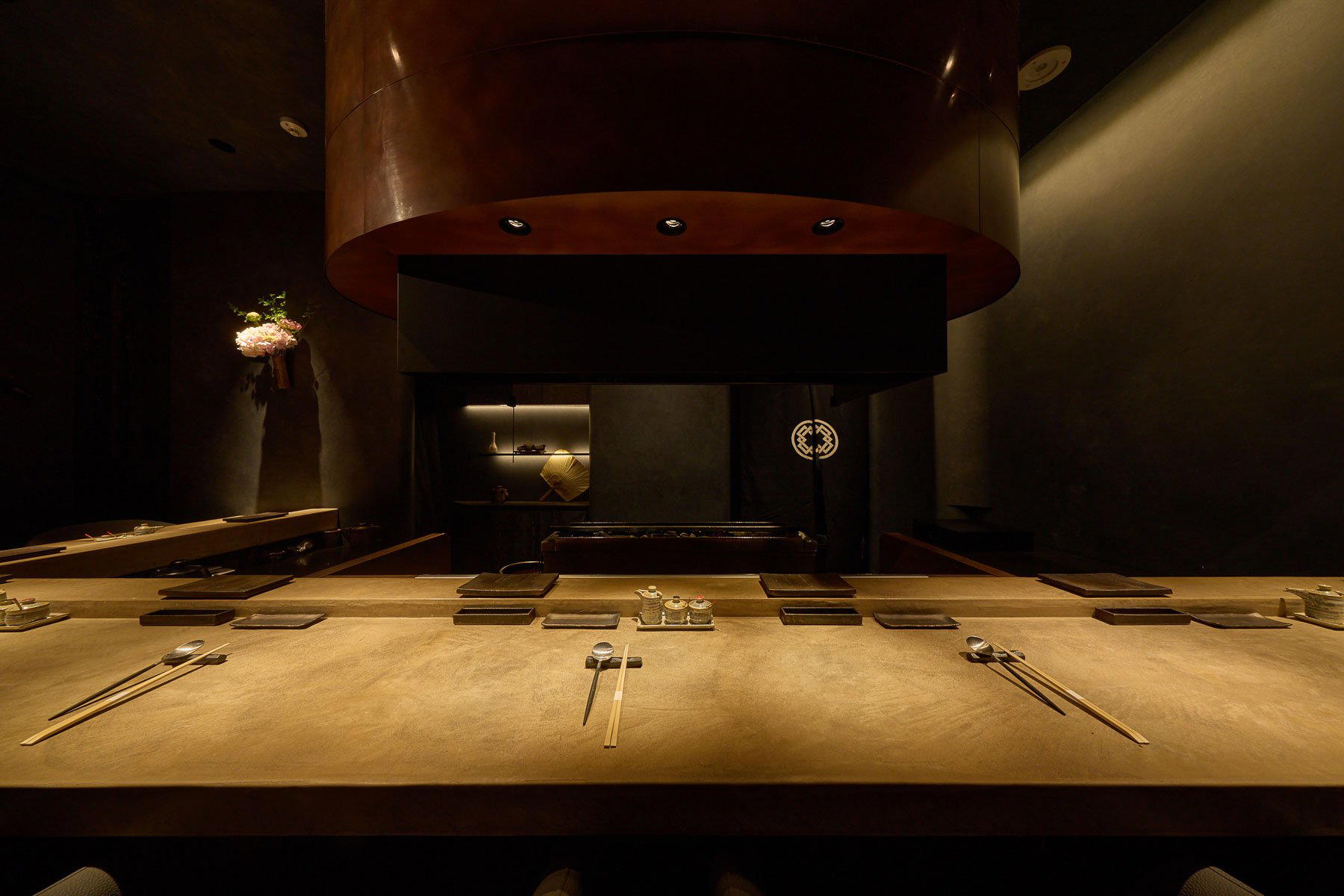
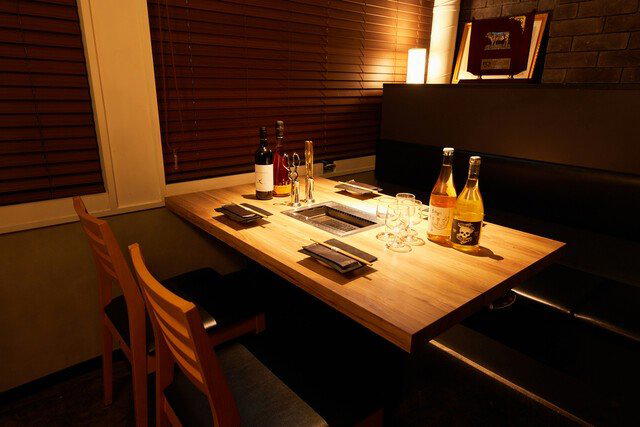
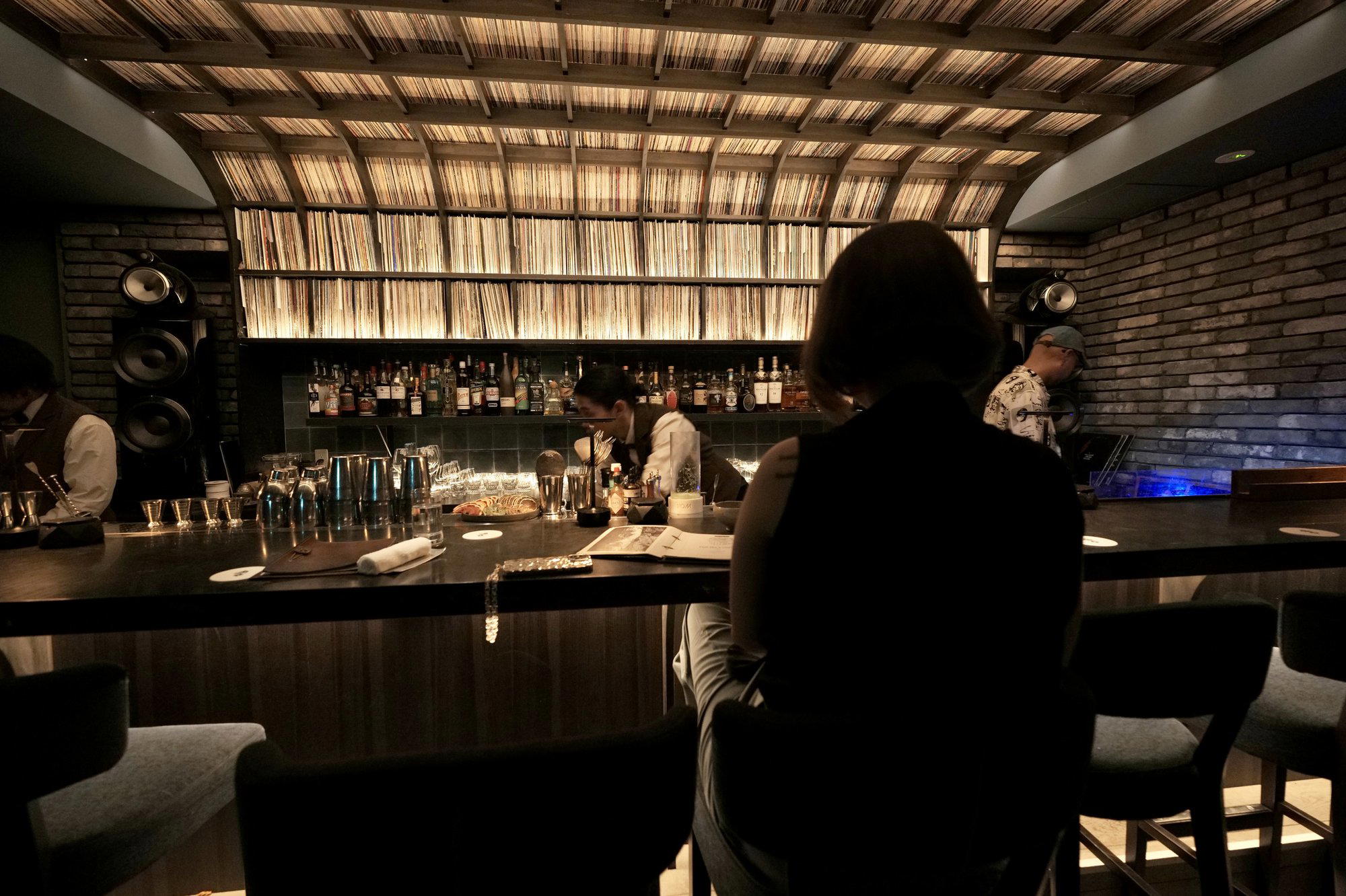
Intimate counter-only setting with strong charcoal smoke; modern take on traditional yakitori stall aesthetic within a contemporary shopping complex.