Located in Maruyamacho, Shibuya, éè±å± sits within one of Tokyo's most concentrated pockets of serious dining. The venue's address places it among a cohort of restaurants that draw reservation-focused visitors rather than walk-in trade. Specific menu, pricing, and booking details are best confirmed directly with the venue before visiting.
Pearl is the En Primeur Club membership app — saves, bookings, and concierge access live there. Same editors, same standards.
- Address
- 23-7 Maruyamacho, Shibuya, Tokyo 150-0044, Japan
- Phone
- +81337700878
- Website
- opentable.com
- Directions
- Get directions
 Saves & bookings on Pearl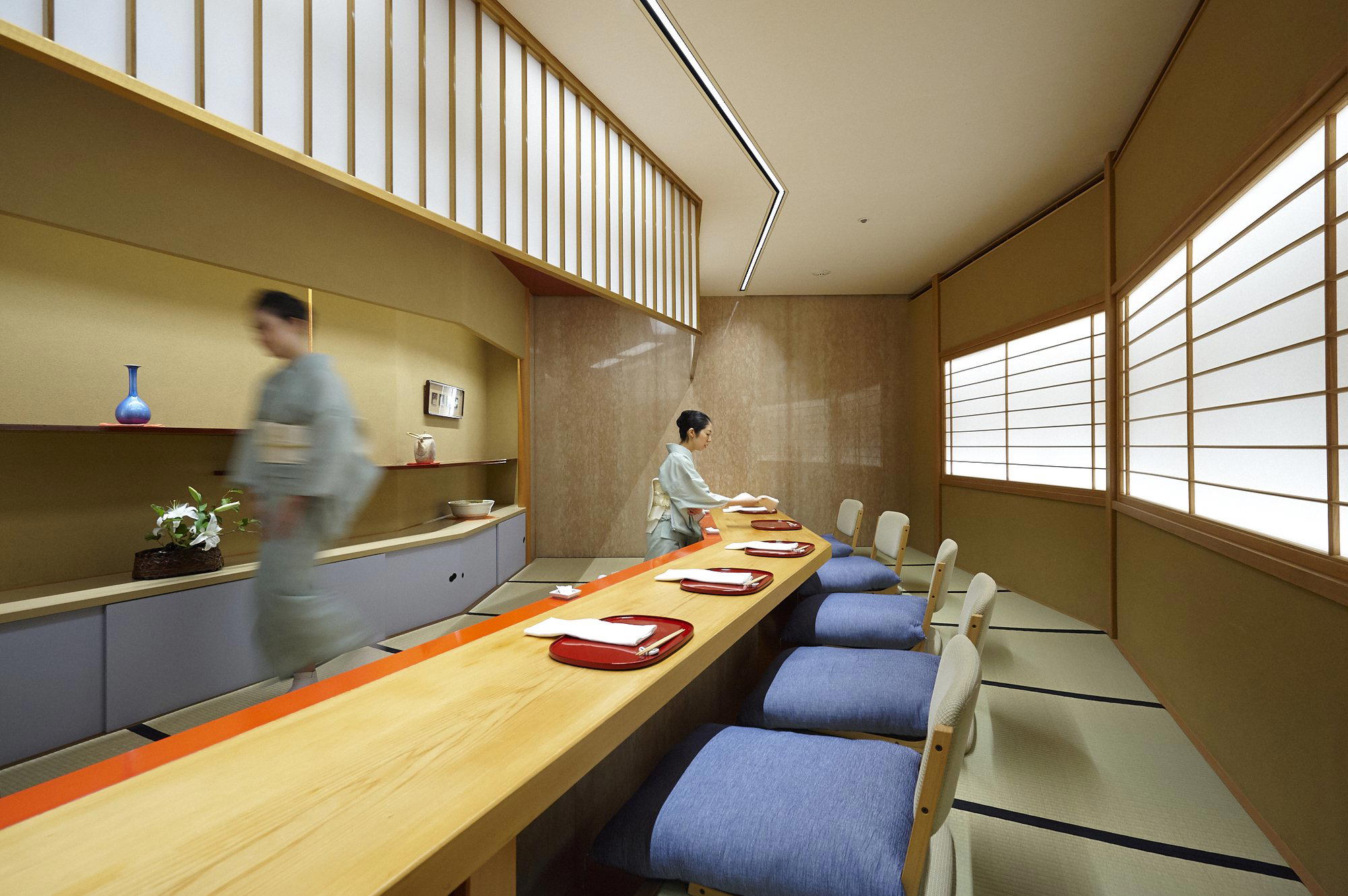
Shibuya's Quieter Dining Register
Maruyamacho occupies an odd position in Tokyo's dining geography. It sits close enough to Shibuya's commercial core to be accessible, yet the streets around the 150-0044 postcode carry a lower decibel level than the ward's main arteries. The area has developed a reputation less for volume and more for the kind of restaurants that expect guests to have done their research before arriving. éè±å± at 23-7 Maruyamacho fits that profile: a restaurant that relies on word of mouth and reservation-driven interest rather than foot traffic or prominent signage. In Tokyo, that positioning is itself a form of editorial statement about what the restaurant considers its audience to be.
The Cultural Weight Behind the Address
Tokyo's restaurant culture has a long tradition of stratification by effort-to-find. The city's most discussed addresses often require a degree of navigation that functions as a filter: only guests who have sought the restaurant out arrive at the door. This isn't affectation. It reflects a broader Japanese hospitality principle rooted in the idea that the guest's preparation is part of the experience itself. A diner who has researched the cuisine, confirmed the booking, and arrived on time has already demonstrated a baseline of seriousness that shapes the interaction from the first course. éè±å± operates within this tradition, positioned in a neighbourhood where the surrounding dining cohort rewards that kind of preparedness.
That cultural framework matters when comparing Tokyo's dining scene to counterparts elsewhere. At Le Bernardin in New York City, for instance, the prestige is announced through design, service choreography, and decades of critical documentation. At Atomix in New York City, the Korean fine-dining format communicates its seriousness through a tasting format and explicit conceptual framing. Tokyo restaurants in the Maruyamacho tier tend to communicate differently: through restraint, through the density of their reservation list, and through the expectations they set without advertising them.
Situating éè±å± Within Tokyo's Competitive Tiers
Tokyo currently runs among the more internally differentiated fine-dining markets in the world. At the leading, multi-Michelin-starred counters and kaiseki rooms like RyuGin operate with years-long waitlists and price points that put them in a global comparable set. Just below that, a dense mid-upper tier contains restaurants that may carry one or two stars, or none at all, but draw from a serious local and international audience. French-influenced kitchens such as L'Effervescence and Sézanne sit in that tier at the ¥¥¥¥ price band, as does the innovative French format at Crony. Sushi counters like Harutaka occupy a parallel track within the same conversation.
éè±å±'s Shibuya location places it adjacent to this conversation without being definitionally inside any single tier. The venue’s cuisine is Edomae Sushi Omakase, and its price tier sits at about $350 per person. What the address and neighbourhood context suggest is a restaurant that operates with considered intent rather than casual ambition, in a part of Tokyo where that distinction is legible to the people who matter to it.
Japan's Broader Fine-Dining Geography
Understanding a Shibuya restaurant also means understanding where it sits within Japan's wider culinary geography. The country's serious dining is not Tokyo-exclusive. HAJIME in Osaka represents one of the Kansai region's most discussed fine-dining addresses, while Gion Sasaki in Kyoto operates within the kaiseki tradition in a city where that tradition has the deepest historical roots. Further afield, akordu in Nara and Goh in Fukuoka demonstrate that Japan's premium dining conversation extends well beyond its two largest cities.
Regional venues across the country reinforce this point. 一本木 仲川製 in Nanao, 夕付山乃 in Sapporo, 湖辺庵竹 in Takashima, and 庭羽屋 in Nishikawa Machi each serve audiences that have no need to travel to Tokyo for serious food. That distributed quality is one of Japan's most consistent characteristics as a dining nation. Tokyo restaurants, including those in Shibuya, compete not just with each other but with the cumulative pull of Japan's regional dining culture.
Comparison points extend internationally as well. Birdland in Sakai and Bistro Ange in Toyohashi illustrate how even secondary Japanese cities sustain restaurant cultures with specific local identities.
What to Know Before You Go
Practical details for 開花屋 are direct: dinner service runs daily from 5:00 PM to 10:30 PM, and reservations are essential. The Maruyamacho address is walkable from Shibuya Station, making access direct by Tokyo standards. The surrounding neighbourhood has a mix of entertainment and dining, but the streets immediately around 23-7 Maruyamacho carry a quieter character than the main Shibuya thoroughfares, which is consistent with the kind of restaurant that prefers its guests to arrive focused.
éè±å± should be read within that wider field rather than in isolation.
Booking and Cost Snapshot
Comparable venues nearby, for context on price, style, and recognition.
| Venue | Cuisine | Price | Notes |
|---|---|---|---|
| 開花屋This venue — the venue you are viewing | Shibuya, Edomae Sushi Omakase | $$$$ | Not listed |
| Matsusaka Ushi Yoshida | Not listed | $$$$ | Shinjuku, Matsusaka beef teppanyaki, sukiyaki & shabu-shabu fine dining |
| 分とく山 | Not listed | $$$$ | Minato, Michelin-Starred Seasonal Japanese Kaiseki |
| 神戸牛511 | Minato, Kobe Beef Kaiseki | $$$$ | Not listed |
| Trois Fleches | Chiyoda, Japanese Steakhouse | $$$$ | Not listed |
| Kato Gyuniku-ten Ginza | Chūō, Yamagata Beef Steakhouse | $$$$ | Not listed |











At a Glance
- Elegant
- Intimate
- Sophisticated
- Date Night
- Special Occasion
- Chefs Counter
- Sake Program
- Sustainable Seafood
Current opening hours
- Monday
- 5–10:30 PM
- Tuesday
- 5–10:30 PM
- Wednesday
- 5–10:30 PM
- Thursday
- 5–10:30 PM
- Friday
- 5–10:30 PM
- Saturday
- 5–10:30 PM
- Sunday
- 5–10:30 PM
Hours can change for holidays and private events. Last verified .
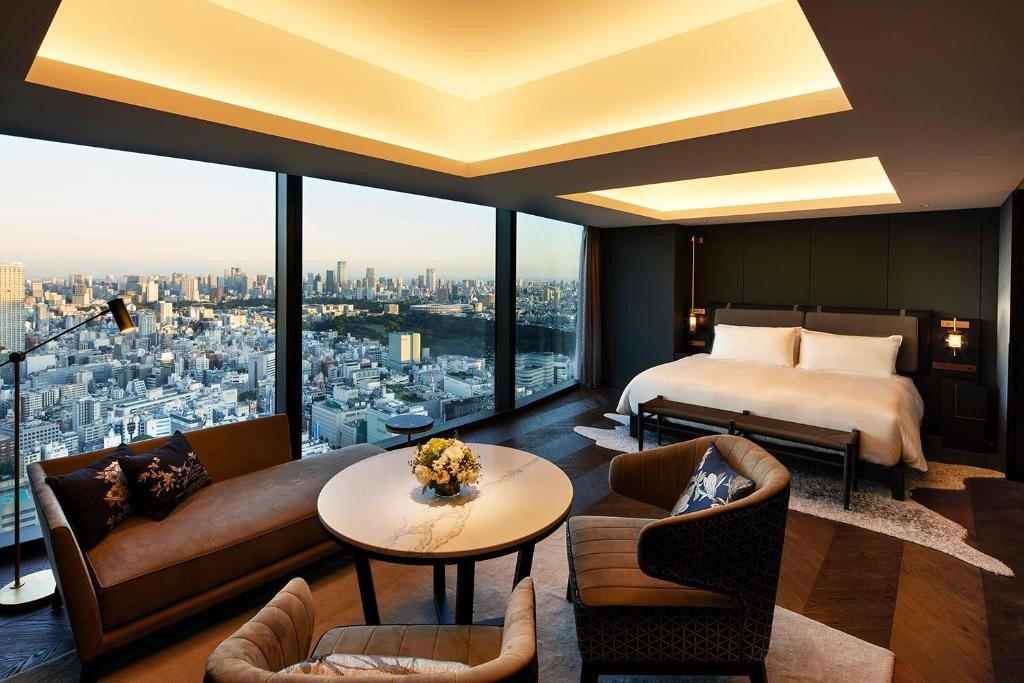
Dimly lit, serene atmosphere with minimalist Japanese decor, warm wood tones, and focused attention on the sushi preparation.